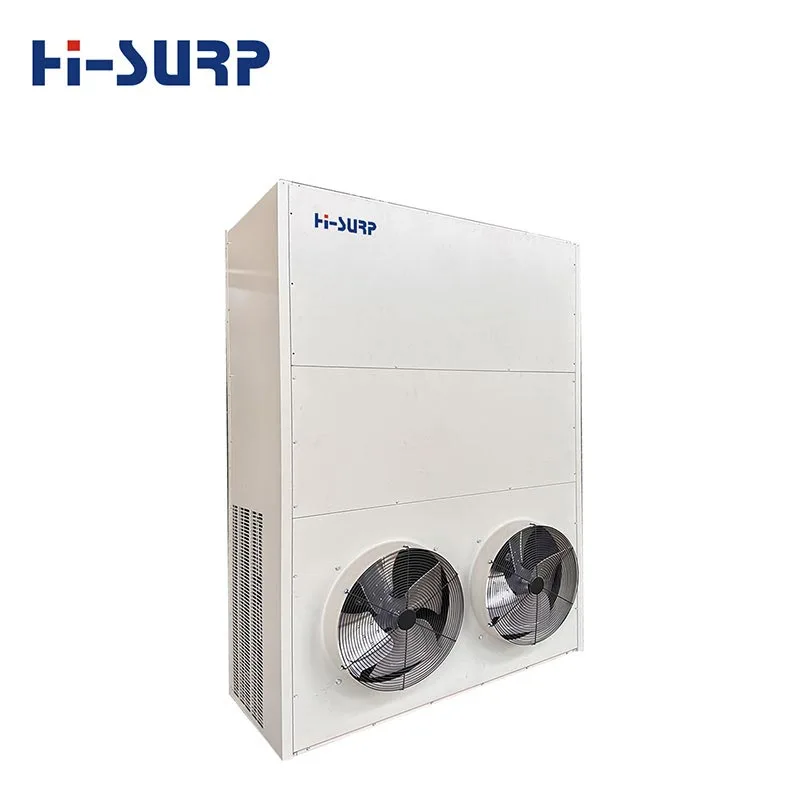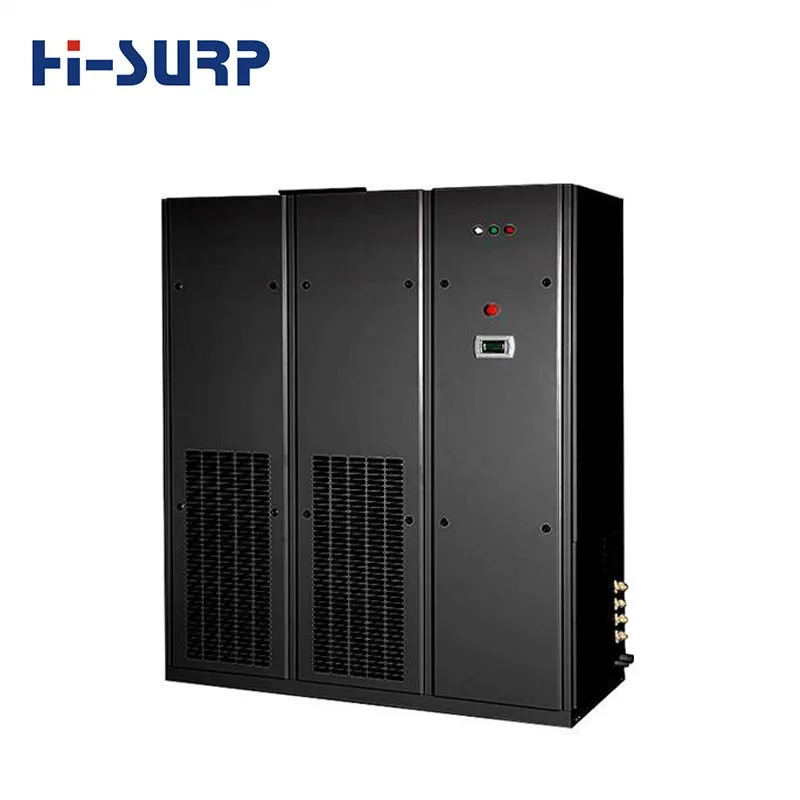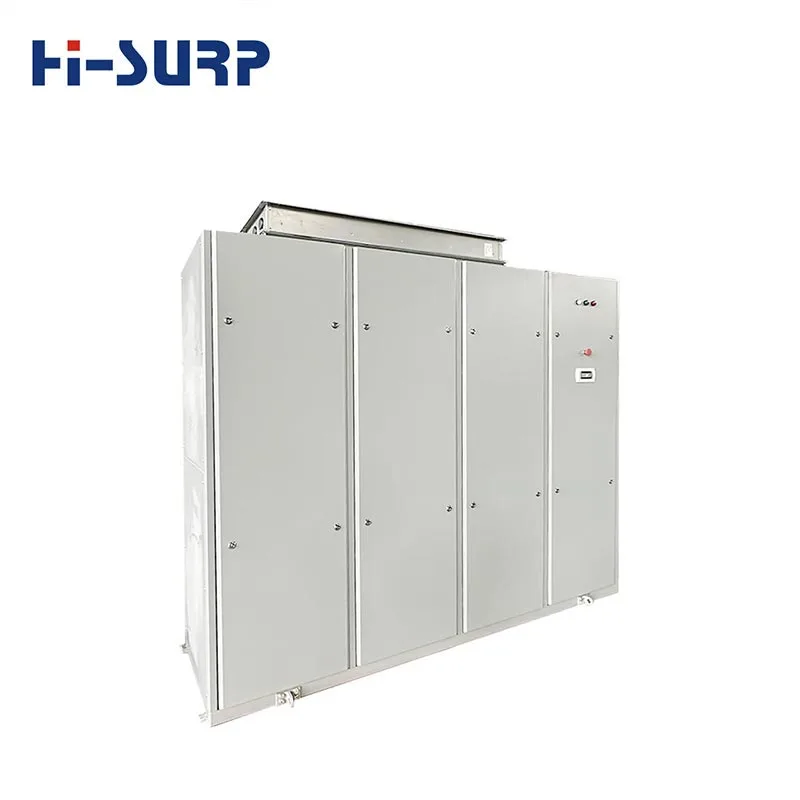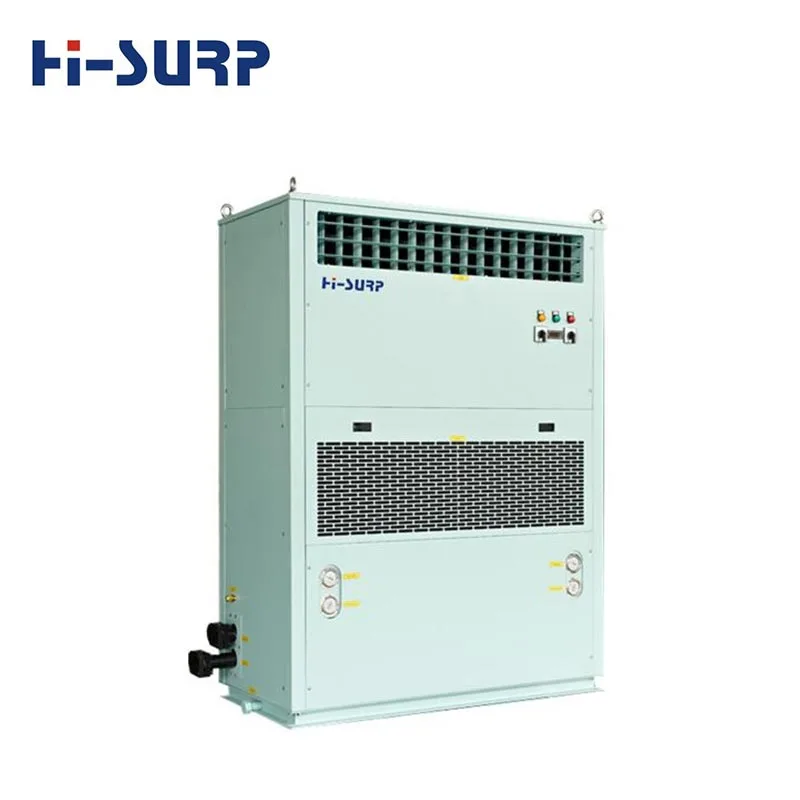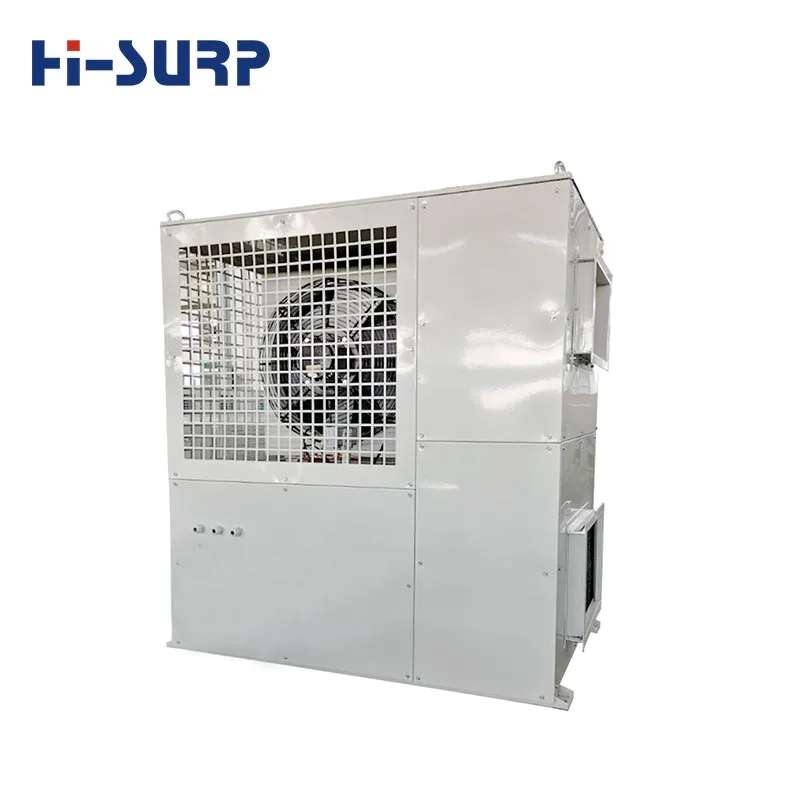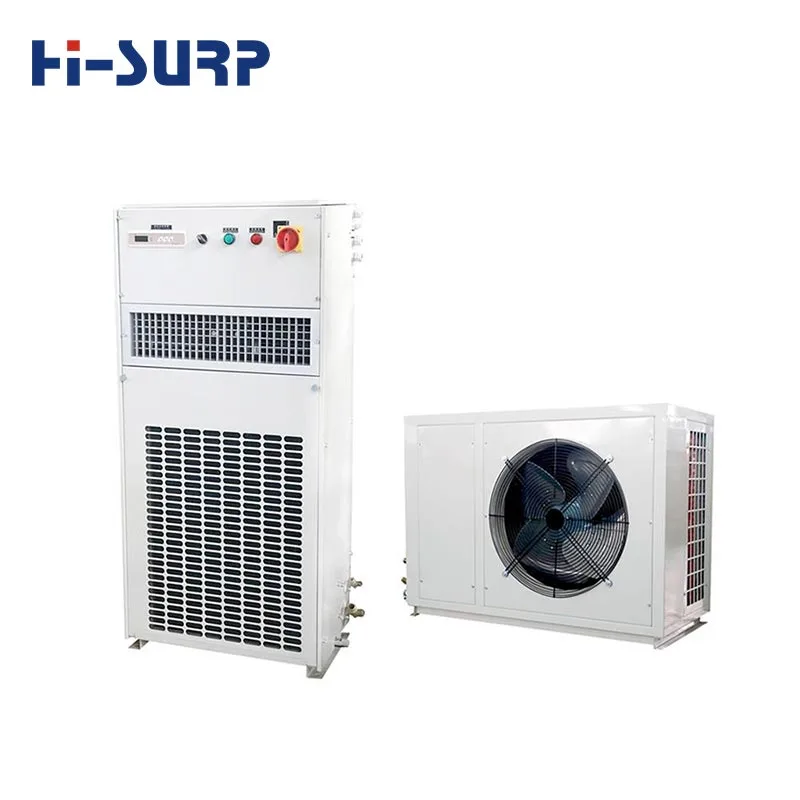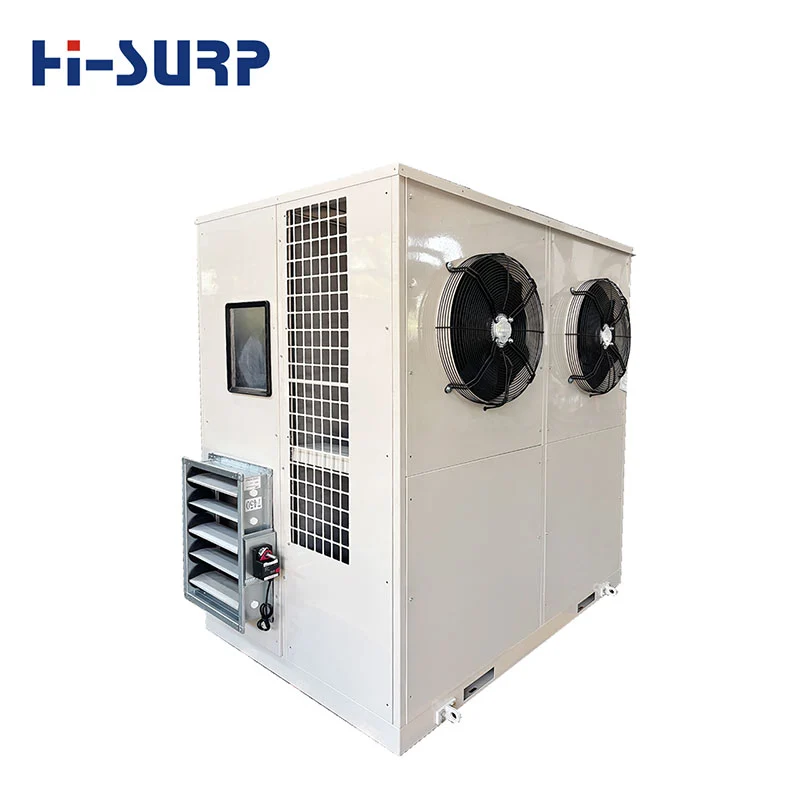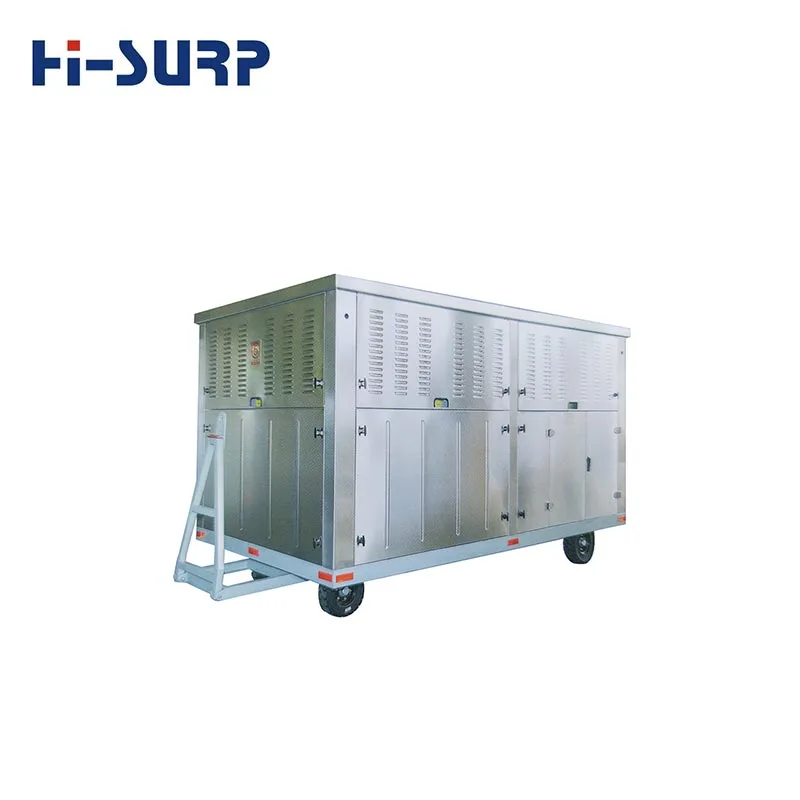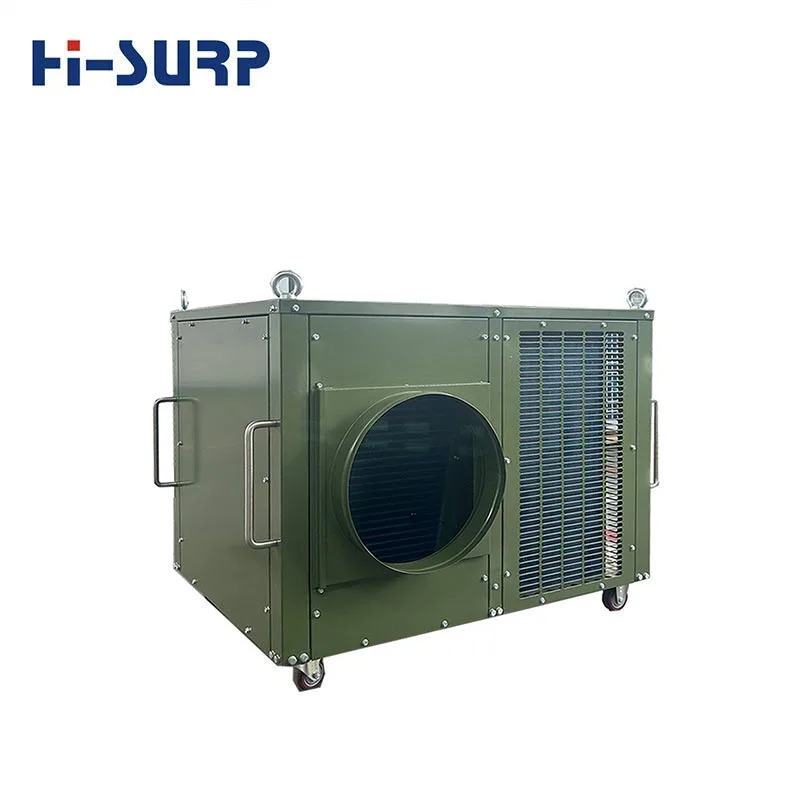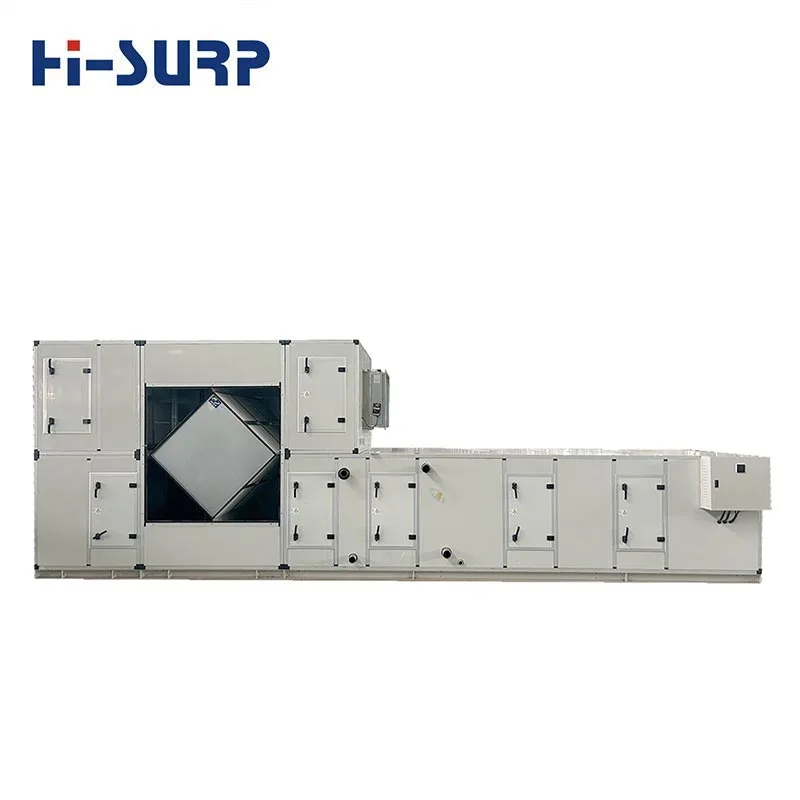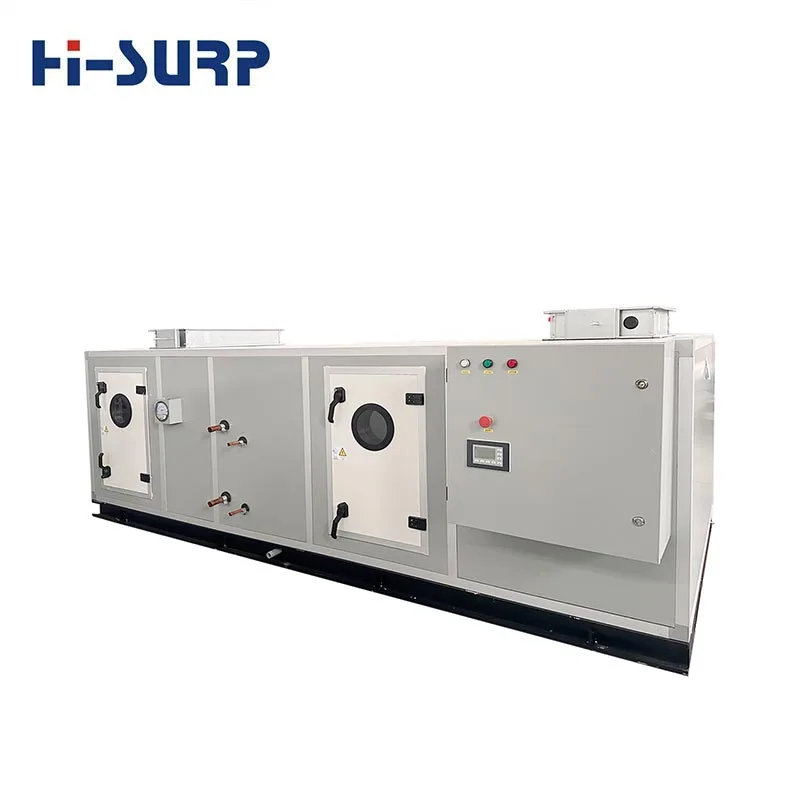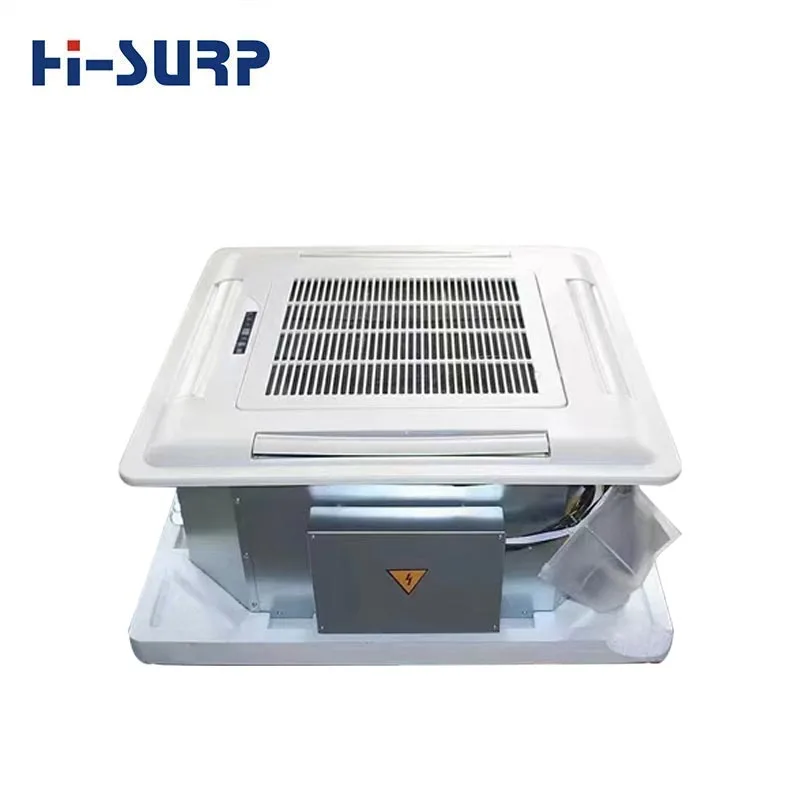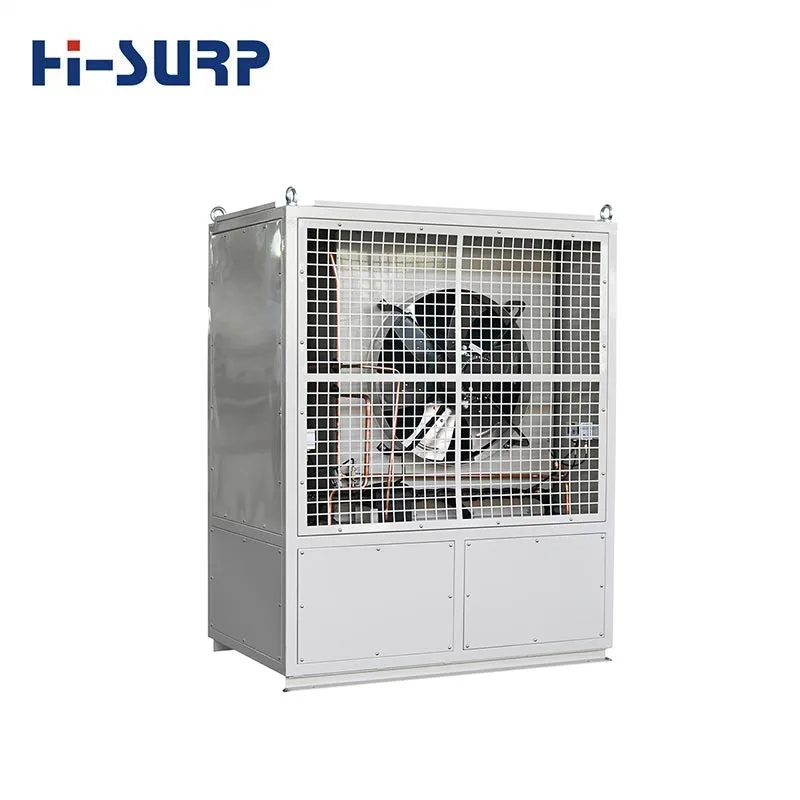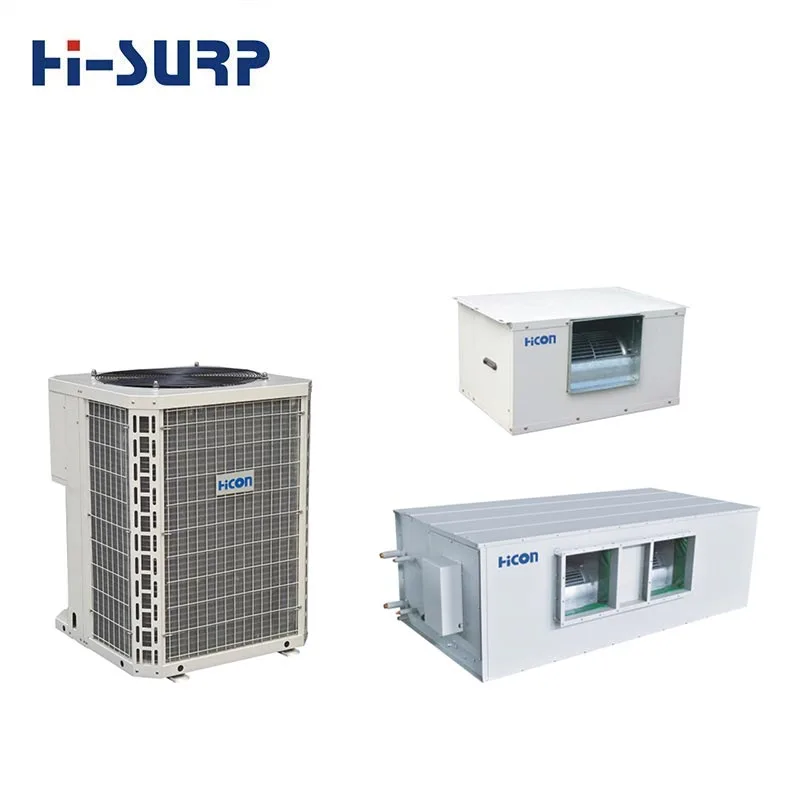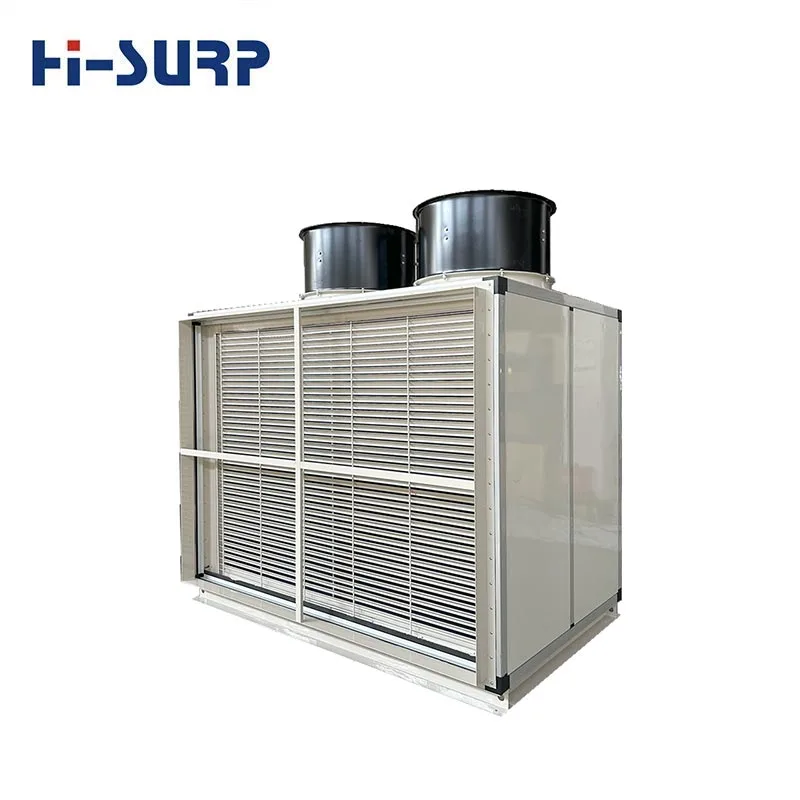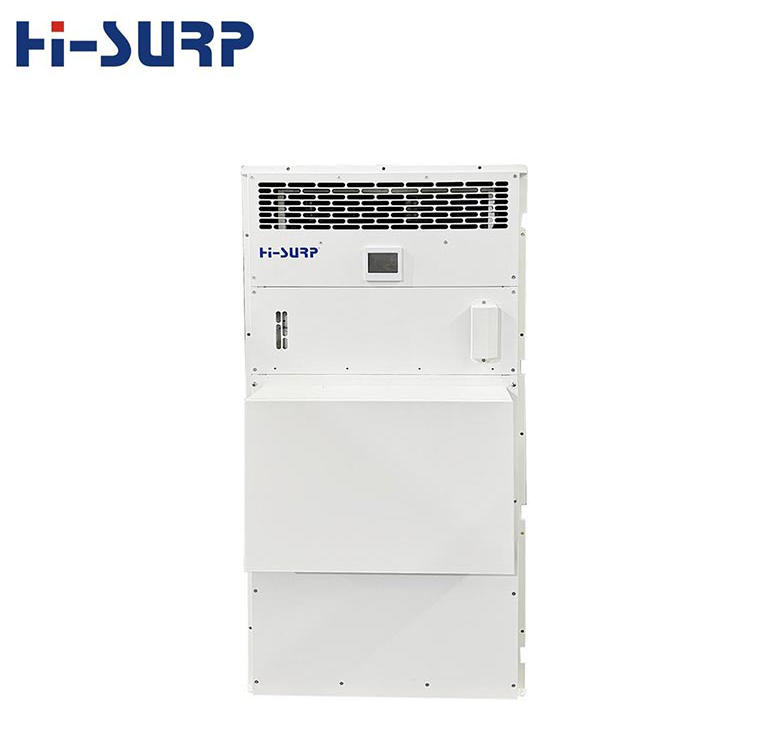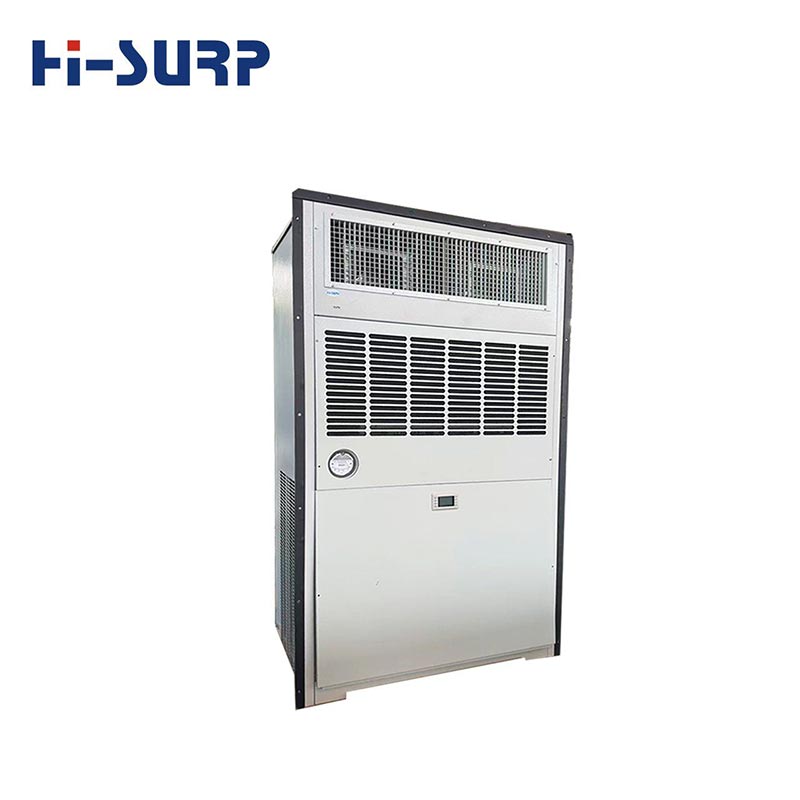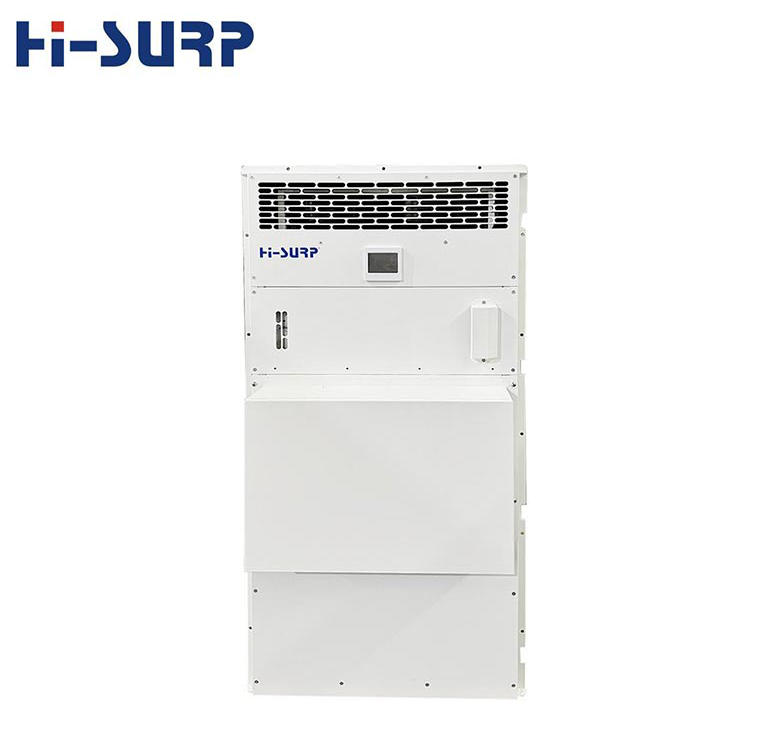
E-House Air Conditioner
A brief introduction of HISURP CAC series E-house Air Conditioners
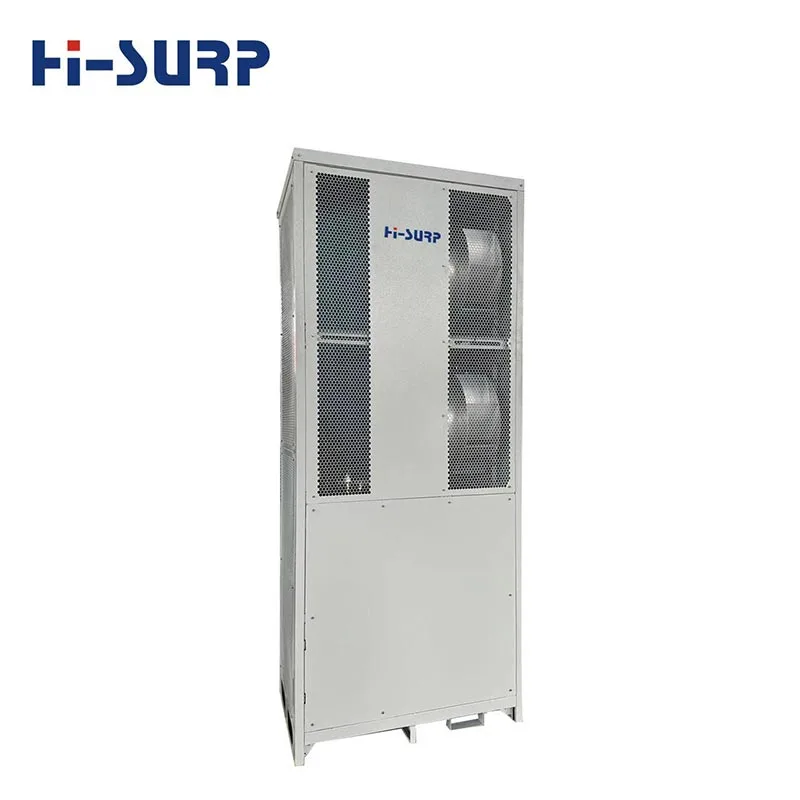
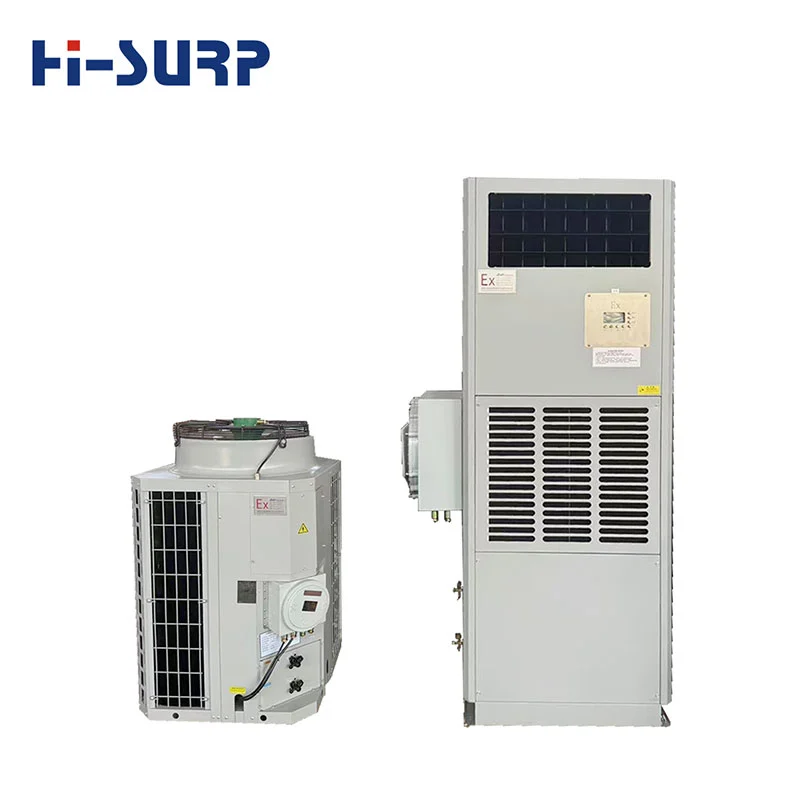
Energy Storage Air Conditioner
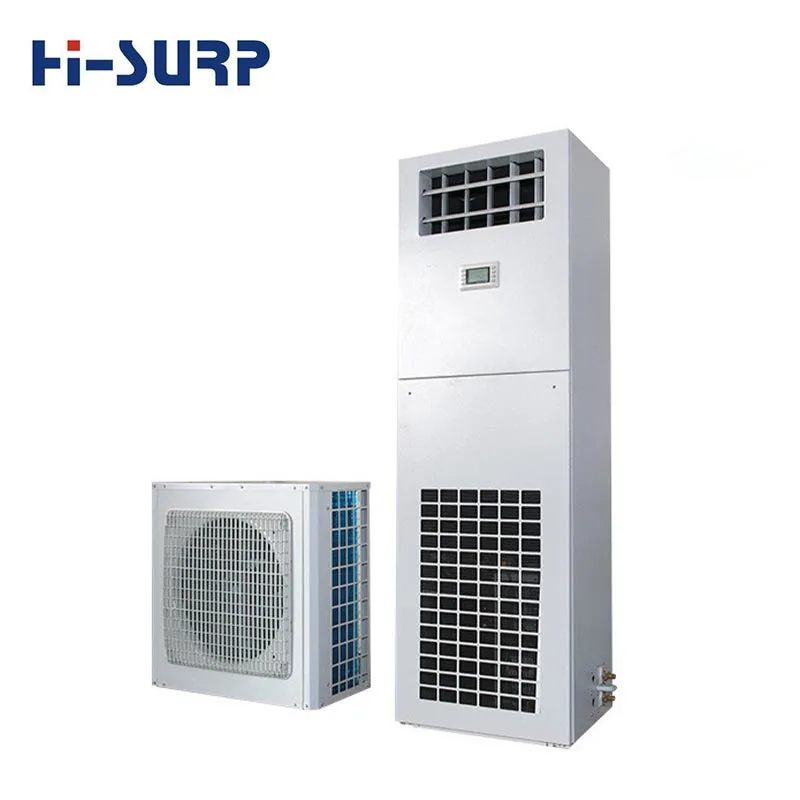
Telecom Air Conditioner

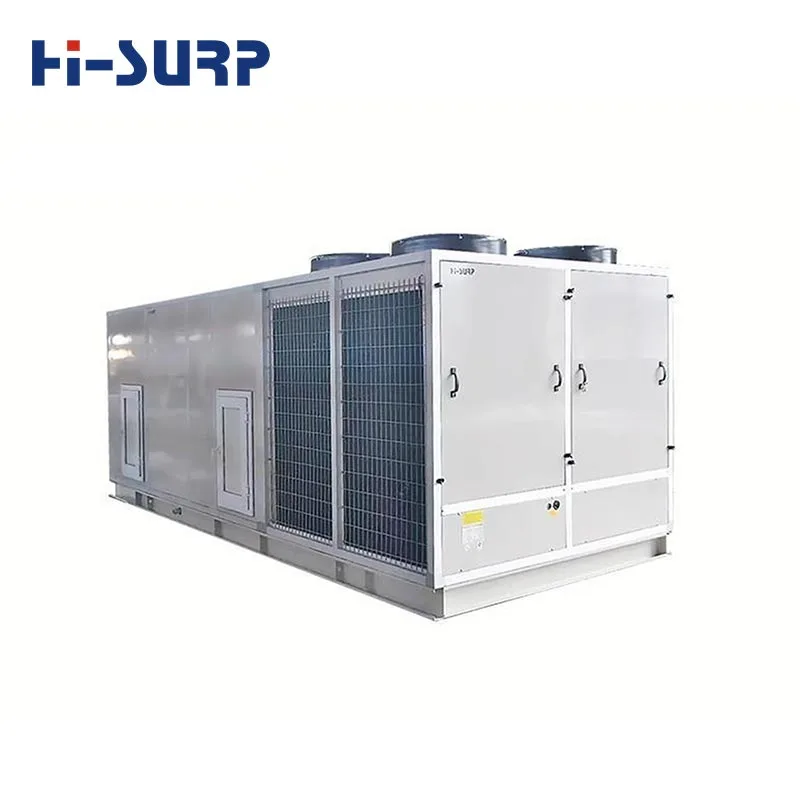
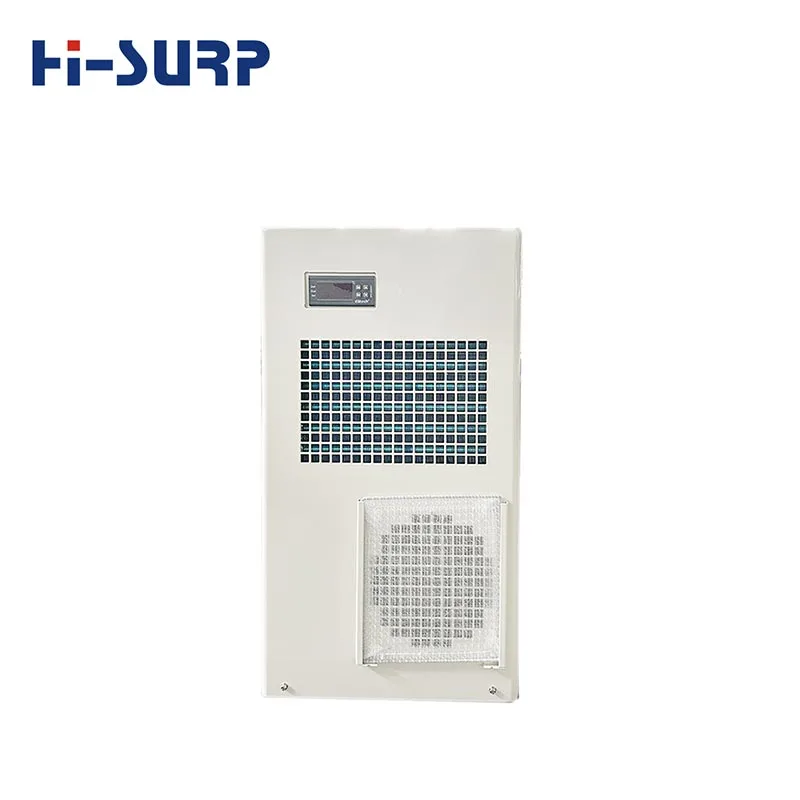
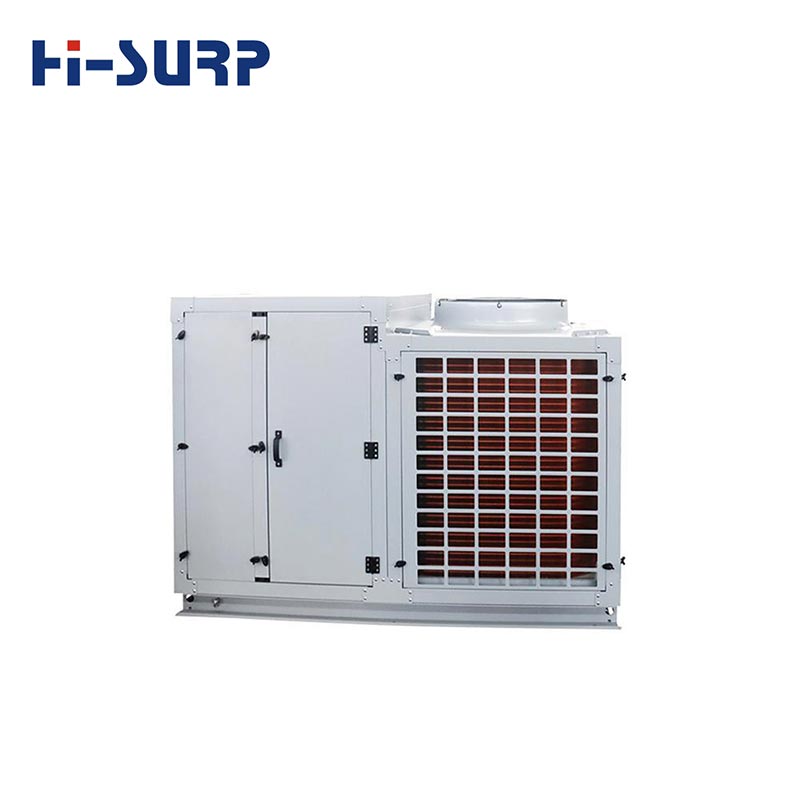
Rooftop Air Conditioner
As seasoned Rooftop Air Conditioner manufacturers, Hisurp is a reputable Chinese factory offering CE-certified products.
Adopting integrated design, the unit combines cooling, heating, ventilation and filtration. It runs steadily, installs effortlessly and cuts energy consumption by 20%-30%, backed by 15-year service life.
Customized solutions and complete after-sales support are accessible. We supply goods in bulk with competitive prices, perfectly fitting diverse building scenarios, serving as your preferred purchasing option.
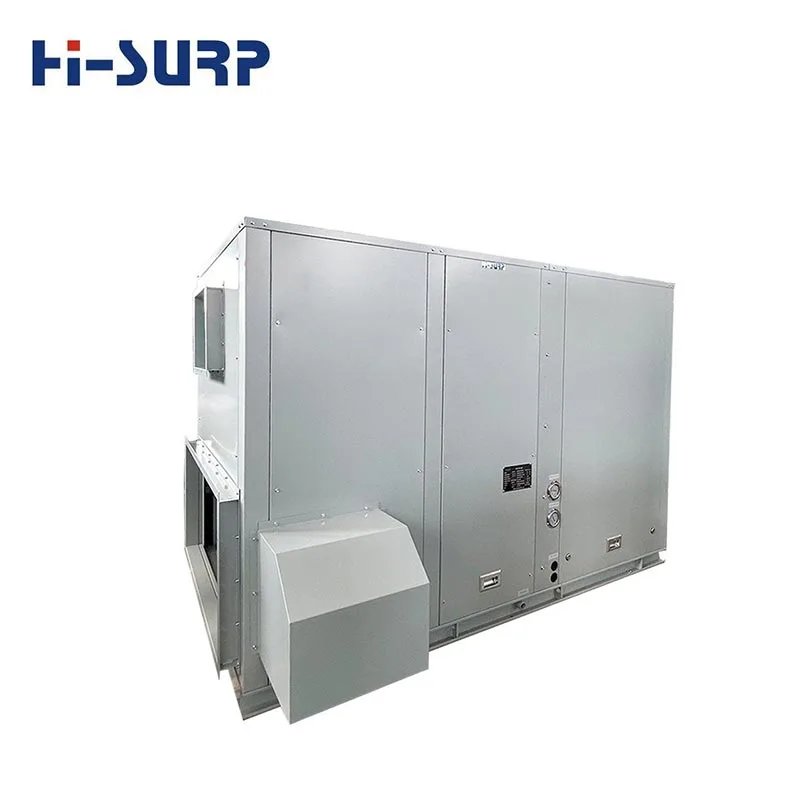
Rooftop Ac
Hisurp Rooftop AC adopts adaptive energy-saving control and DC frequency conversion motor. Ideal for workshops and computer rooms needing uninterrupted cooling, it utilizes free cooling to achieve up to 58% comprehensive energy saving. The unit operates steadily amid -40℃ to 48℃ wide temperature scope. Owning authoritative Certification of ISO9001, every unit undergoes full power-on test before shipment, guaranteeing durable stable performance and eco-friendly energy efficiency.
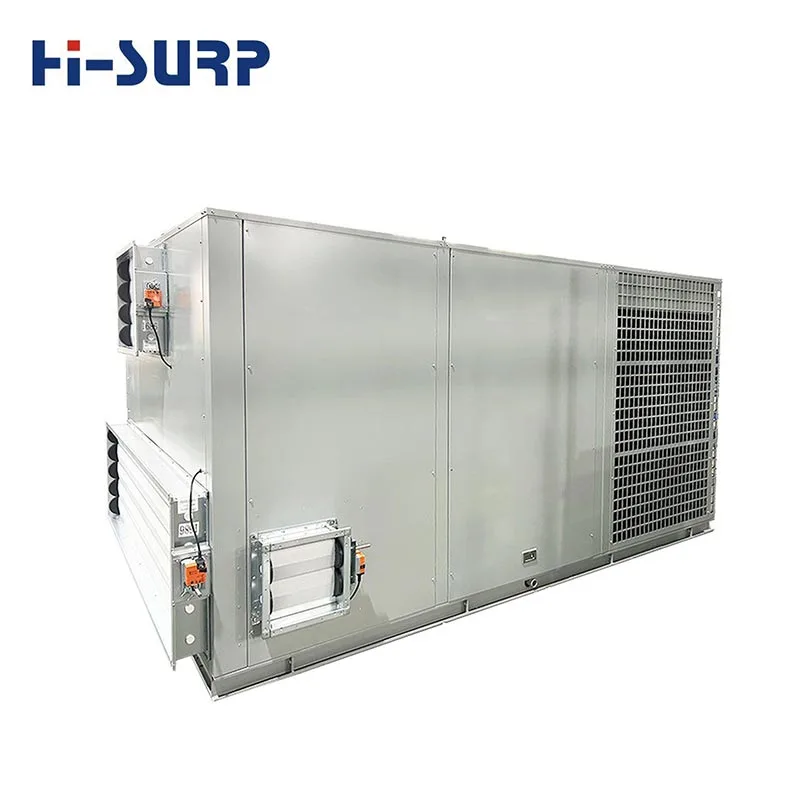
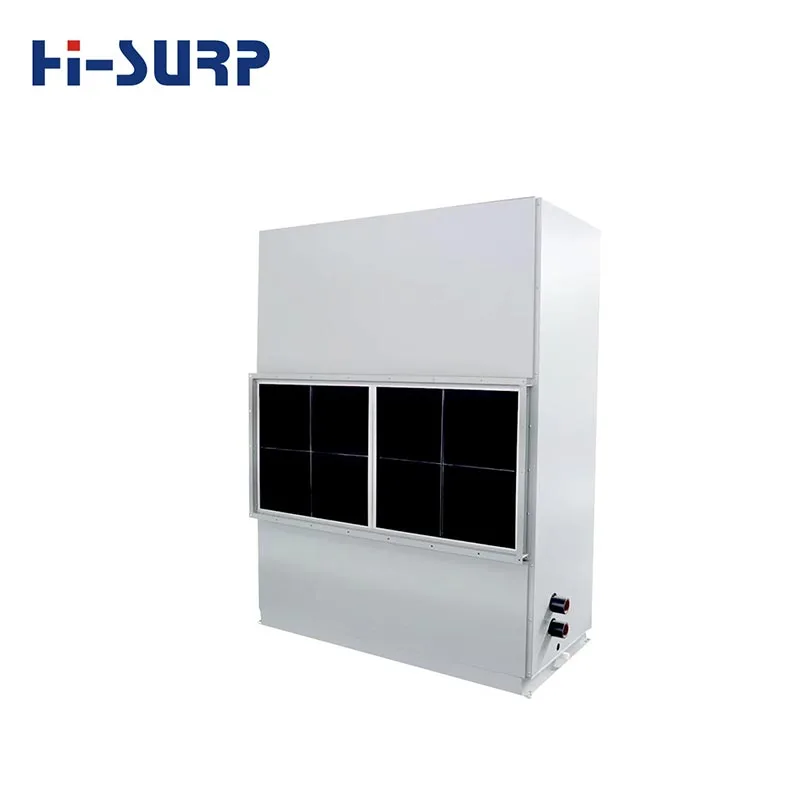
Packaged Air conditioner
Hisurp delivers dependable Packaged Air Conditioner with stable factory production and solid quality assurance. Customized packaged air conditioner supports adjustable cooling capacity, size and functions, fitting multiple application occasions. All products come with 12-month warranty, thoughtful after-sales support to cut purchase risks. Featuring energy efficiency, low noise and easy installation, strictly inspected units are premium cooling choices.
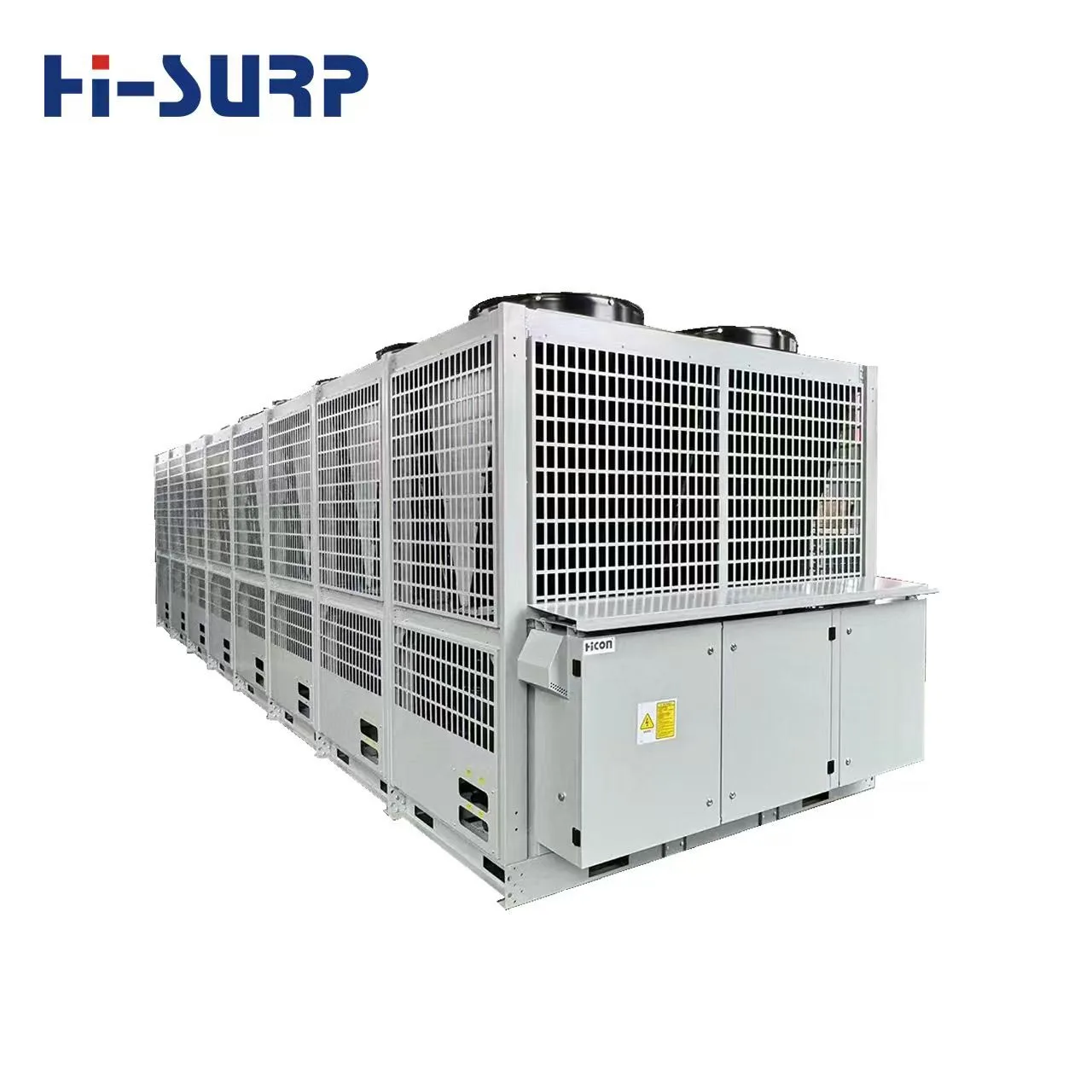
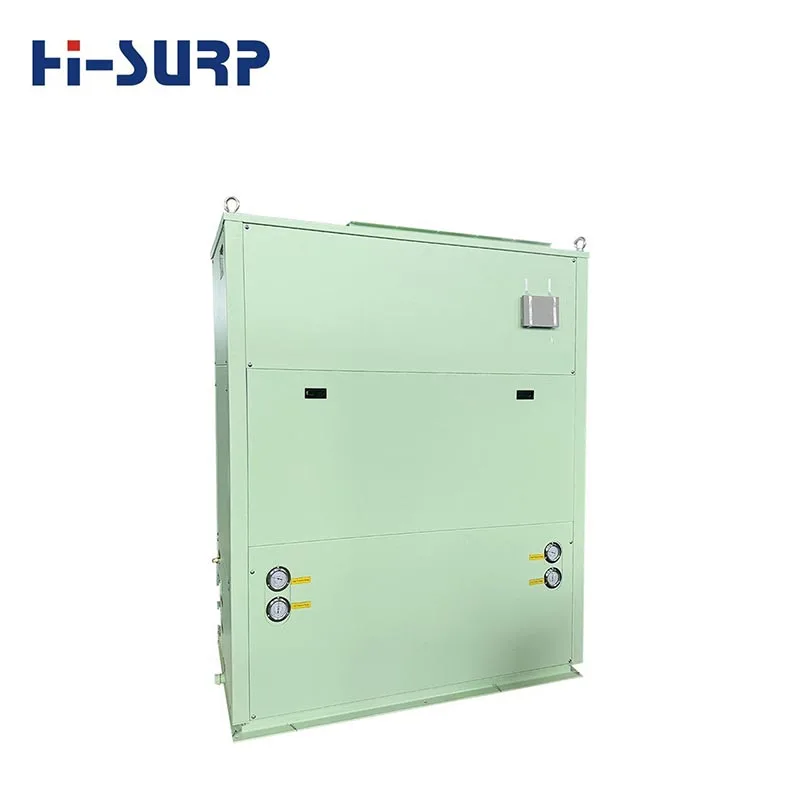
Packaged Unit
Hisurp supplies advanced Packaged unit as all-in-one HVAC equipment. It integrates core components into compact body, realizing fast installation and effortless maintenance. Sturdy quality verified by strict factory tests ensures steady operation, energy conservation and long service lifespan. Adaptable to harsh working conditions with strong anti-interference capability, it cuts daily power consumption and operating expenses. The integrated structure saves occupied space and shortens construction period, perfectly meeting heating and cooling demands of commercial, industrial and public venues.

Air Cooled Precision Air Conditioner

Water Cooled Precision Air Conditioner
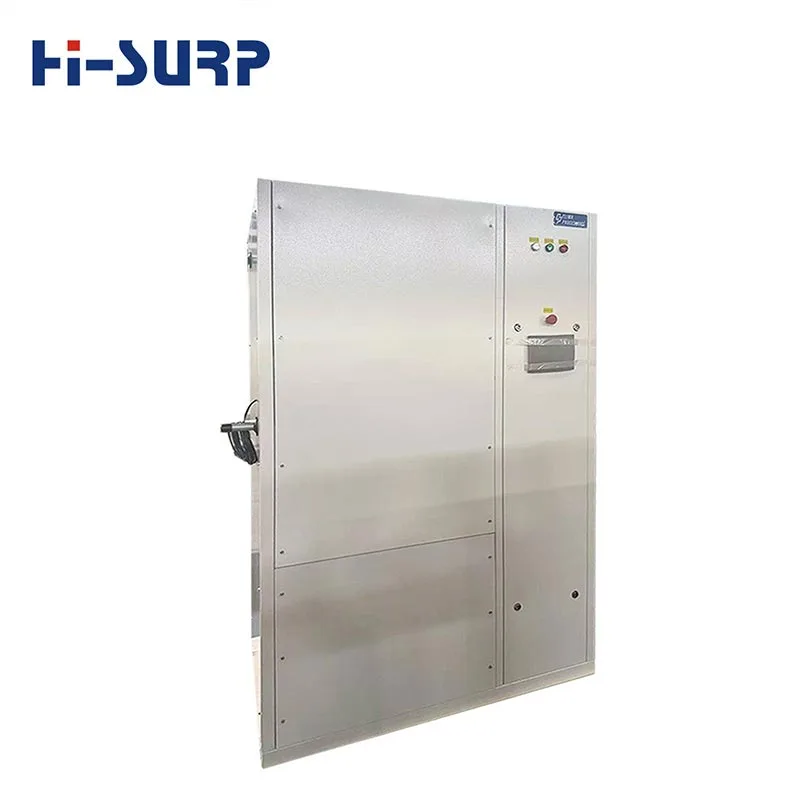
Dual Coil Precision Air Conditioner

Air Cooled Scroll Chiller

Air Cooled Screw Chiller
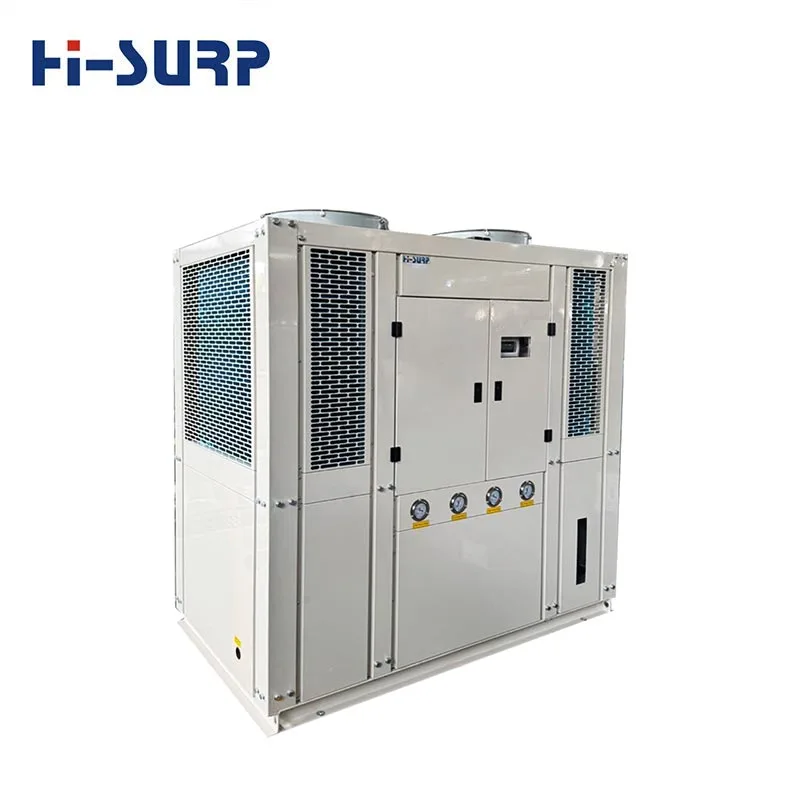
Water Cooled Scroll Chiller
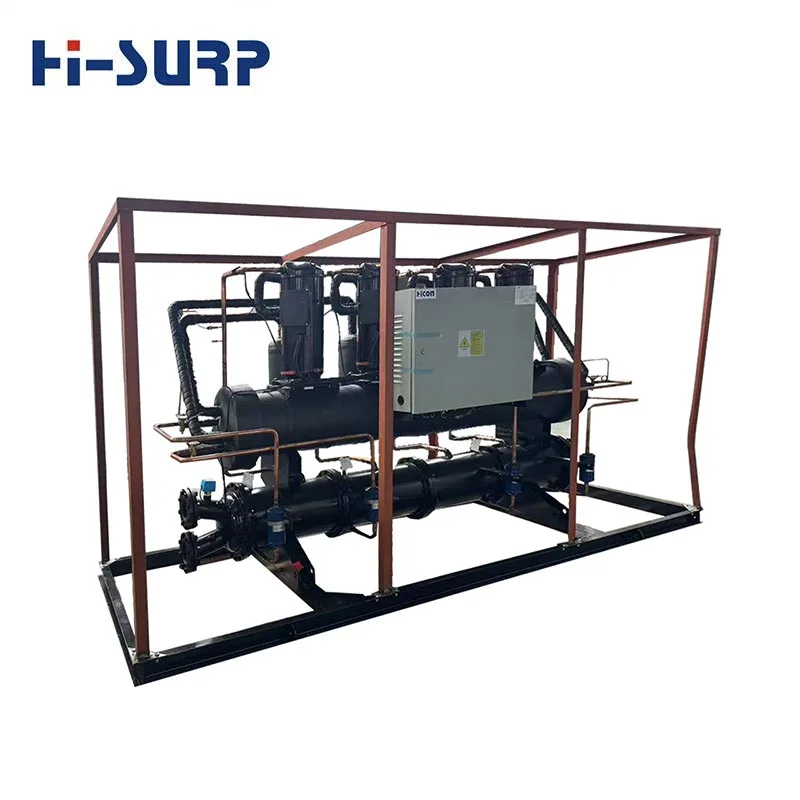
Water Cooled Screw Chiller

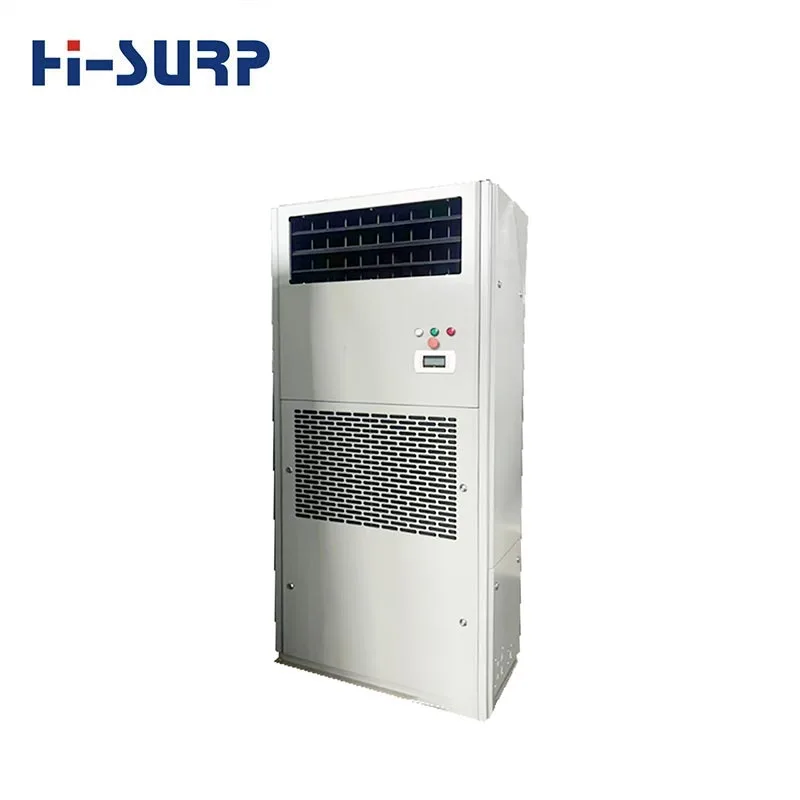
Corrosion-Resistant Air Conditioner
Hisurp Corrosion-Resistant Air Conditioner is a type of air conditioning system designed to be enhanced for corrosive environments (especially marine, chemical, salt spray, and high humidity environments).
Earthquake-Resistant Air Conditioner
Based on the design concept of "prevention first", Hisurp earthquake-resistant air conditioner uses a series of advanced measures that exceed conventional standards to minimize the risk of damage to the air conditioning system caused by earthquakes, and ensure environmental control and business continuity in critical locations.
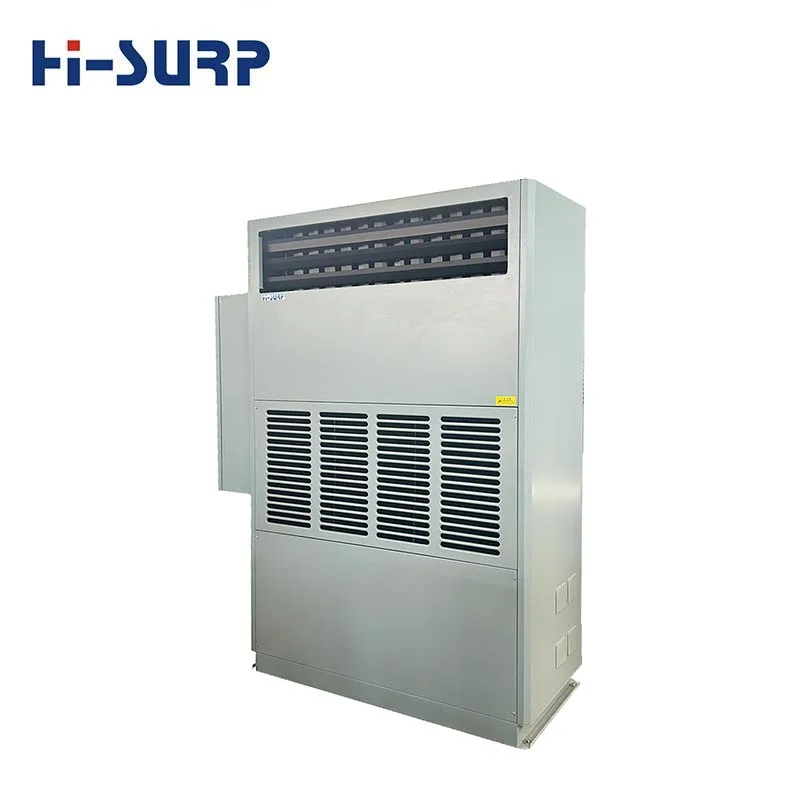
Magnetic-Resistant Air Conditioner
Hisurp Magnetic-Resistant Air Conditioner is an industrial air conditioner designed specifically for strong magnetic field environments. Through a multi-layer shielding system, it ensures stable and durable operation of the unit in a magnetic field environment of ≥2000GS.
Outdoor installations present some of the most challenging conditions for any cooling equipment. Dust, rain, humidity, temperature extremes, and airborne contaminants all conspire to degrade performance and shorten service life. A standard indoor air conditioner placed outdoors will quickly fail—its coils will clog with debris, its electrical components will corrode, and its fan motors will seize. This is why the IP54 rating has become a critical specification for Industrial Air Conditioner units installed outdoors. IP54 is not just a number; it is a standardized guarantee that the equipment has been engineered and tested to withstand the ingress of dust and water spray. For engineers and facility managers, understanding what IP54 means and why it matters is essential for selecting equipment that will perform reliably in outdoor environments.
An Industrial Air Conditioner with an IP54 rating is designed to operate in conditions where dust and water are present. This makes it suitable for a wide range of outdoor applications: telecommunications shelters, outdoor electrical cabinets, remote monitoring stations, construction site offices, and industrial plants where cooling equipment must be installed in exposed locations. The IP54 rating ensures that the internal components—the compressor, the control board, the fan motors—are protected from contamination that would otherwise cause premature failure. This article will examine the technical meaning of the IP54 rating, the specific design features that enable an Industrial Air Conditioner to achieve it, and the applications where IP54-rated equipment is essential. We will also provide detailed specifications for our IP54-rated Industrial Air Conditioner products from our factory at Ningbo Hicon Industry Co., Ltd.
The IP (Ingress Protection) rating is an international standard defined by IEC 60529 that classifies the degree of protection provided by an enclosure against the intrusion of solid objects and water. The rating consists of two digits. The first digit indicates the level of protection against solid objects, including dust. The second digit indicates the level of protection against water. An IP54 rating means that the enclosure is protected against dust in quantities that could interfere with the operation of the equipment (5 on the solid particle scale) and against water splashing from any direction (4 on the liquid ingress scale). This is not a complete dust-tight or waterproof rating—that would be IP65, IP66, or IP67—but it is more than sufficient for most outdoor installations where the equipment is protected from direct immersion but exposed to rain, splashing, and airborne dust.
For an Industrial Air Conditioner, the IP54 rating is significant because it directly addresses the two most common causes of outdoor equipment failure: dust contamination and water ingress. Dust that enters the enclosure can clog filters, coat heat exchange surfaces, and cause electrical short circuits. Water that enters the enclosure can corrode electrical contacts, damage circuit boards, and cause ground faults. The IP54 rating ensures that the equipment is protected against both threats to a degree that is appropriate for outdoor use. The table below explains the IP rating digits and what they mean for an Industrial Air Conditioner.
| IP Rating | Solid Protection | Water Protection | Suitability for Outdoor Installation |
| IP20 | Protected against solid objects >12.5mm | No protection | Indoor use only |
| IP44 | Protected against solid objects >1mm | Protected against water splashing | Sheltered outdoor use |
| IP54 | Dust protected (limited ingress) | Protected against water splashing from any direction | Suitable for most outdoor installations |
| IP65 | Dust tight | Protected against water jets | Suitable for harsh outdoor environments |
| IP66 | Dust tight | Protected against powerful water jets | Suitable for severe outdoor environments |
At Ningbo Hicon Industry Co., Ltd., our factory manufactures Industrial Air Conditioner units that are specifically designed to achieve the IP54 rating. We use high-quality sealing materials, precision-machined enclosures, and rigorous testing to ensure that every unit meets the standard. This commitment to quality is what makes our Industrial Air Conditioner suitable for outdoor installations in a wide range of environments.
Dust is one of the most destructive elements for outdoor cooling equipment. It enters through every opening, settles on every surface, and accumulates in every crevice. In an Industrial Air Conditioner, dust contamination causes several problems. First, it clogs the air filters, reducing airflow and forcing the fan to work harder. This increases energy consumption and reduces cooling capacity. Second, it coats the condenser and evaporator coils, insulating them and reducing heat transfer efficiency. This causes the compressor to run longer and at higher temperatures, reducing its life. Third, it accumulates on electrical components, such as circuit boards and contactors, causing short circuits and arcing. Fourth, it mixes with moisture to form a conductive paste that can bridge electrical connections and cause ground faults. The IP54 rating addresses these problems by limiting the ingress of dust into the enclosure.
The dust protection provided by IP54 is not absolute—some dust will still enter—but it is limited to quantities that do not interfere with the operation of the equipment. This is a significant improvement over an unrated enclosure. The table below shows the typical dust ingress rates for different IP ratings and the corresponding impact on equipment life.
| IP Rating | Dust Ingress | Impact on Equipment | Expected Filter Cleaning Frequency |
| IP20 | Unrestricted | Rapid clogging, short circuits, early failure | Weekly or more |
| IP44 | Moderate | Gradual clogging, reduced efficiency | Monthly |
| IP54 | Limited | Slow accumulation, minimal impact | Quarterly |
| IP65 | None | No dust-related issues | Annually |
At our factory, we design our IP54-rated Industrial Air Conditioner units with multiple layers of dust protection. The enclosure is sealed with high-quality gaskets and weatherstripping. The intake and exhaust openings are fitted with filters that capture the majority of airborne particles. The internal components are positioned and shielded to minimize the accumulation of dust on critical surfaces. These design features work together to extend the service life of the equipment and reduce maintenance requirements.
Water is the other primary threat to outdoor cooling equipment. Rain, splashing, and high humidity can all cause water ingress into an Industrial Air Conditioner. Water causes corrosion of metal components, short circuits in electrical systems, and the growth of mold and bacteria. In freezing conditions, water can expand and crack enclosures. The IP54 rating provides protection against water splashing from any direction, which is sufficient for most outdoor installations where the equipment is not directly exposed to powerful water jets or immersion. The second digit of the IP54 rating—4—indicates that the enclosure is protected against water splashing from any direction. This means that rain falling at an angle, water splashing up from the ground, and accidental spray from a hose will not enter the enclosure in harmful quantities.
For outdoor installations, the water resistance provided by IP54 is a critical safety feature. It protects the electrical components from short circuits and ground faults. It protects the metal components from corrosion. It protects the internal insulation from moisture absorption. The table below summarizes the water protection levels and their suitability for different outdoor conditions.
| Water Protection Digit | Protection Level | Suitable Outdoor Conditions |
| 0 | None | Indoor, dry environments only |
| 1-2 | Dripping water | Sheltered locations, no rain exposure |
| 3 | Spraying water | Sheltered outdoor locations |
| 4 | Splashing water | Most outdoor locations, rain and splash exposure |
| 5 | Water jets | Harsh outdoor environments, washdown areas |
| 6 | Powerful water jets | Severe outdoor environments, marine applications |
| 7-8 | Immersion | Submerged applications |
At Ningbo Hicon Industry Co., Ltd., our IP54-rated Industrial Air Conditioner units are tested to verify their water resistance. We conduct spray tests that simulate rain and splashing from all directions. We also test the sealing integrity of the enclosure after thermal cycling to ensure that the gaskets and seals maintain their performance over time. This rigorous testing is what gives our customers confidence that their outdoor installations will perform reliably.
Achieving an IP54 rating requires careful design and manufacturing. It is not simply a matter of adding a gasket to a standard enclosure. Every aspect of the Industrial Air Conditioner must be engineered to prevent the ingress of dust and water. The following are the key design features that enable an Industrial Air Conditioner to achieve IP54.
Sealed Enclosure: The enclosure is the primary barrier against dust and water. It must be constructed from a material that is resistant to corrosion and UV degradation. The joints between the panels must be sealed with high-quality gaskets that are compressed evenly to form a continuous barrier. The doors and access panels must be fitted with weatherstripping and positive latching mechanisms to ensure a tight seal. The cable entries must be sealed with cable glands that are rated for outdoor use.
Filtered Air Intakes: The air intakes are the most vulnerable points for dust ingress. They must be fitted with filters that capture airborne particles while allowing sufficient airflow for cooling. The filters must be easily accessible for cleaning and replacement. In some designs, the air intakes are also fitted with louvers or baffles that deflect water away from the filter media.
Corrosion-Resistant Materials: All external components must be made from corrosion-resistant materials. This includes the enclosure, the fasteners, the hinges, and the fan guards. Stainless steel, aluminum, and powder-coated steel are common choices. The materials must also be resistant to UV radiation, which can degrade plastics and coatings over time.
Protected Electrical Components: The electrical components, including the control board, the contactors, and the terminals, must be protected from dust and moisture. This is achieved through the use of sealed enclosures within the main enclosure, conformal coating on circuit boards, and the use of components that are rated for the environmental conditions.
Drainage and Ventilation: The enclosure must be designed to allow any water that does enter to drain away without accumulating. Drain holes must be positioned at the lowest points of the enclosure. The ventilation system must be designed to prevent water from being drawn into the enclosure while allowing heat to escape.
The table below summarizes the key design features and their contribution to the IP54 rating.
| Design Feature | Contribution to IP54 |
| Sealed Enclosure | Prevents dust and water ingress through joints and openings |
| Filtered Air Intakes | Captures airborne dust while allowing airflow |
| Corrosion-Resistant Materials | Protects against environmental degradation |
| Protected Electrical Components | Prevents short circuits and corrosion |
| Drainage and Ventilation | Prevents water accumulation inside the enclosure |
At our factory, we design and manufacture our IP54-rated Industrial Air Conditioner units with these features as standard. We also offer optional upgrades, such as IP65-rated enclosures for more demanding environments, and special coatings for coastal or chemical exposure. Our engineering team can work with you to specify the right level of protection for your specific outdoor installation.
The IP54 rating makes an Industrial Air Conditioner suitable for a wide range of outdoor applications. These applications share a common requirement: the equipment must operate reliably in environments where dust and water are present. The following are some of the most common outdoor applications for IP54-rated Industrial Air Conditioners.
Telecommunications Shelters: Telecom shelters house sensitive electronic equipment that generates significant heat. These shelters are often located in remote areas where they are exposed to dust, rain, and temperature extremes. An IP54-rated Industrial Air Conditioner is essential to protect the equipment and ensure reliable operation.
Outdoor Electrical Cabinets: Electrical cabinets that are installed outdoors require cooling to prevent overheating. These cabinets are exposed to the same environmental conditions as telecom shelters. IP54-rated cooling units are used to protect the components inside.
Remote Monitoring Stations: Environmental monitoring stations, traffic control cabinets, and security systems often require cooling for their electronics. These stations are installed outdoors and require equipment that can withstand the elements.
Construction Site Offices: Temporary offices and control rooms on construction sites require cooling. These structures are often exposed to dust and rain. IP54-rated Industrial Air Conditioners provide reliable cooling in these conditions.
Industrial Plants: Many industrial plants have outdoor areas where cooling is required for process equipment or control systems. These areas may be exposed to dust from nearby operations, rain, and temperature extremes.
The table below summarizes these applications and the typical specifications for the Industrial Air Conditioner used in each.
| Application | Cooling Capacity (kW) | IP Rating | Key Requirements |
| Telecom Shelter | 3 - 10 kW | IP54 | High reliability, remote monitoring |
| Outdoor Electrical Cabinet | 1 - 5 kW | IP54 | Compact size, easy installation |
| Remote Monitoring Station | 0.5 - 3 kW | IP54 | Low power consumption, solar compatibility |
| Construction Site Office | 5 - 20 kW | IP54 | Durable construction, easy maintenance |
| Industrial Plant (Outdoor) | 10 - 50 kW | IP54 | High capacity, corrosion resistance |
At Hicon, we offer a range of IP54-rated Industrial Air Conditioner units to suit these and other outdoor applications. Our products are designed for reliable performance, low maintenance, and long service life. We also provide technical support to help our customers select the right unit for their specific application.
The specifications of an IP54-rated Industrial Air Conditioner define its performance, its reliability, and its suitability for specific applications. The table below provides a summary of the key specifications for our IP54-rated Industrial Air Conditioner products.
| Specification | Range | Notes |
| Cooling Capacity | 0.5 kW - 50 kW | Multiple models available |
| IP Rating | IP54 (standard) | IP65 available for harsher environments |
| Power Supply | 220V / 380V / 460V, 50/60 Hz | Single or three phase |
| Refrigerant | R134a, R410A, R407C | Environmentally friendly options |
| Operating Temperature | -20°C to +55°C | Wide range for outdoor use |
| Enclosure Material | Powder-coated steel, stainless steel | Corrosion-resistant |
| Filter Type | Washable aluminum, disposable paper | Easy access for maintenance |
| Control System | Digital thermostat, remote monitoring | Optional BMS integration |
| Noise Level | 55 - 75 dB(A) | Depends on model and capacity |
| Certifications | CE, RoHS, ISO 9001 | Compliance with international standards |
At our factory, we manufacture our IP54-rated Industrial Air Conditioner units to meet these specifications and more. We can customize the cooling capacity, the power supply, the refrigerant, and the control system to suit your specific requirements. We also offer a range of accessories, including remote monitoring modules, condensate pumps, and anti-vibration mounts. Our engineering team can provide technical support to ensure that the unit you select is perfectly matched to your application.
Question 1: What is the difference between IP54 and IP65 for an industrial air conditioner?
Answer: IP54 provides protection against limited dust ingress and water splashing from any direction. IP65 provides complete dust-tight protection and protection against water jets. IP65 is more suitable for harsh environments where the equipment may be exposed to powerful water jets or high concentrations of dust. IP54 is sufficient for most outdoor installations where the equipment is exposed to rain and general dust. At Ningbo Hicon Industry Co., Ltd., we offer both IP54 and IP65 models to suit different application requirements.
Question 2: Can an IP54 industrial air conditioner be installed in direct sunlight?
Answer: Yes, an IP54-rated Industrial Air Conditioner can be installed in direct sunlight, but it is recommended to provide a sunshade or canopy to reduce the thermal load on the unit. Direct sunlight can increase the internal temperature of the enclosure and reduce the cooling capacity. Our units are designed with UV-resistant materials and coatings to withstand sun exposure, but a shade structure can improve performance and extend service life. Our engineering team can advise on the best installation practices for your specific location.
Question 3: How often do the filters need to be cleaned or replaced?
Answer: The filter cleaning frequency depends on the dust concentration in the environment. In typical outdoor installations, we recommend cleaning the filters quarterly and replacing them annually. In dusty environments, more frequent cleaning may be required. Our Industrial Air Conditioner units are designed with easy-access filters to simplify maintenance. We also offer filter clogging sensors that alert the operator when cleaning is needed.
Question 4: What is the expected service life of an IP54 industrial air conditioner?
Answer: The expected service life of an IP54-rated Industrial Air Conditioner is typically 10 to 15 years, depending on the operating conditions and the maintenance program. The IP54 rating protects the internal components from dust and water, which are the primary causes of premature failure. With regular maintenance, including filter cleaning, coil cleaning, and electrical inspections, the unit can provide reliable service for many years. Our factory uses high-quality components and materials to ensure long service life.
Question 5: Can an IP54 industrial air conditioner be used in coastal environments?
Answer: IP54 provides protection against dust and water splashing, but coastal environments present an additional challenge: salt corrosion. For coastal installations, we recommend upgrading to a model with additional corrosion protection, such as stainless steel enclosures, epoxy-coated coils, and marine-grade fasteners. We also offer IP65 models for coastal environments. Our engineering team can help you select the right level of protection for your specific location.
The IP54 rating is a critical specification for any Industrial Air Conditioner that will be installed outdoors. It provides protection against dust and water splashing, which are the two most common causes of outdoor equipment failure. An Industrial Air Conditioner with an IP54 rating is suitable for a wide range of outdoor applications, including telecom shelters, outdoor electrical cabinets, remote monitoring stations, construction site offices, and industrial plants. The rating is achieved through careful design, including sealed enclosures, filtered air intakes, corrosion-resistant materials, and protected electrical components. At Ningbo Hicon Industry Co., Ltd., our factory manufactures IP54-rated Industrial Air Conditioner units that meet the highest standards of quality and reliability. We use high-quality materials, precision manufacturing processes, and rigorous testing to ensure that every unit we produce delivers reliable performance in outdoor environments.
Whether you are designing a new outdoor installation or upgrading an existing one, we invite you to contact our technical team to discuss your requirements. We can provide detailed product specifications, application support, and custom solutions to meet your specific needs. Our commitment to quality and customer satisfaction has made us a trusted partner for industrial cooling projects around the world.
Contact Ningbo Hicon Industry Co., Ltd. today to discuss your IP54 Industrial Air Conditioner requirements and discover how our products can ensure reliable cooling for your outdoor installations.