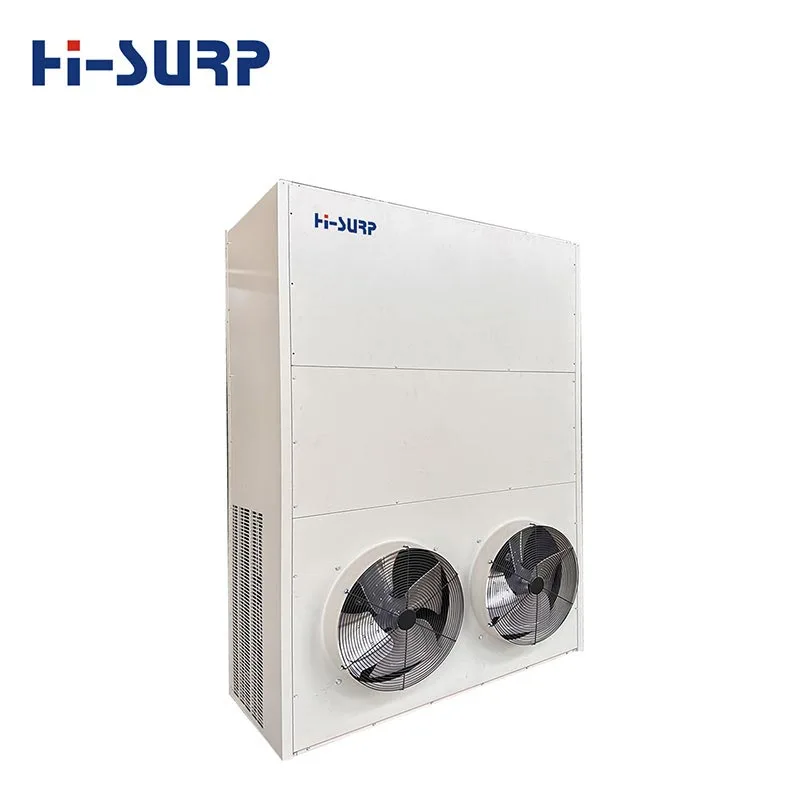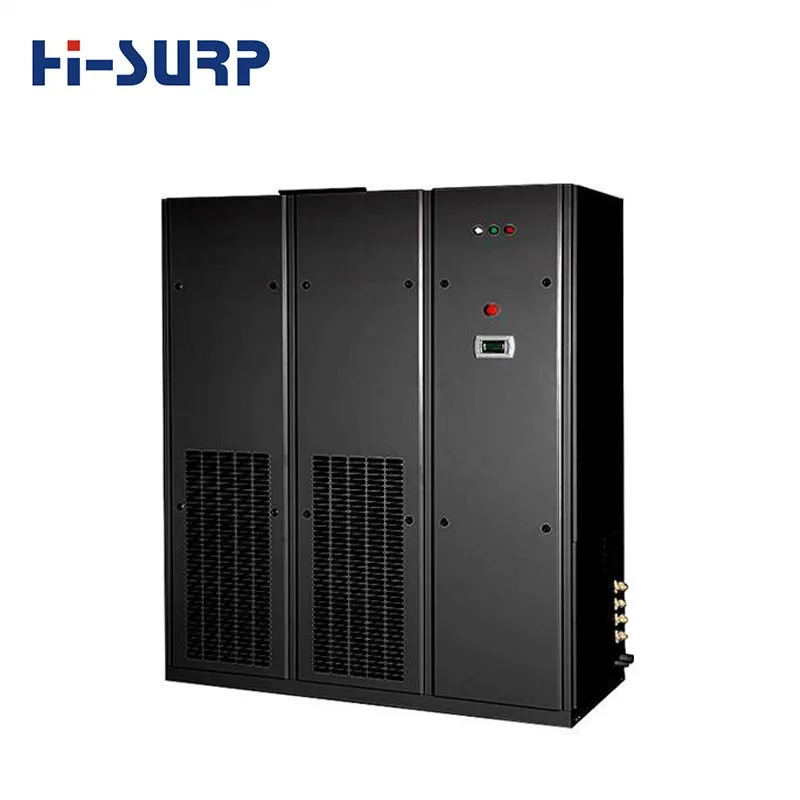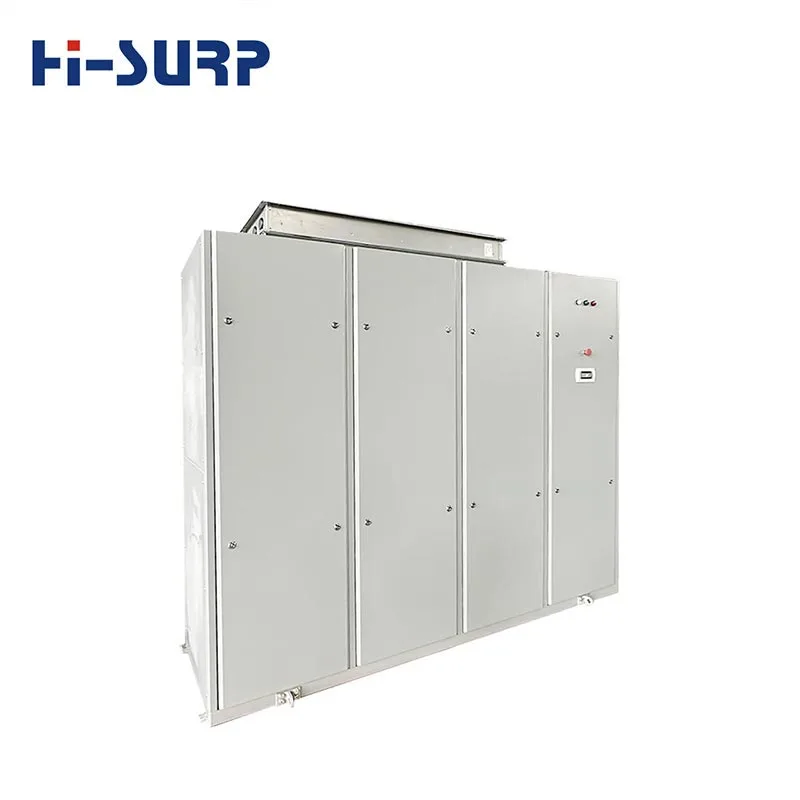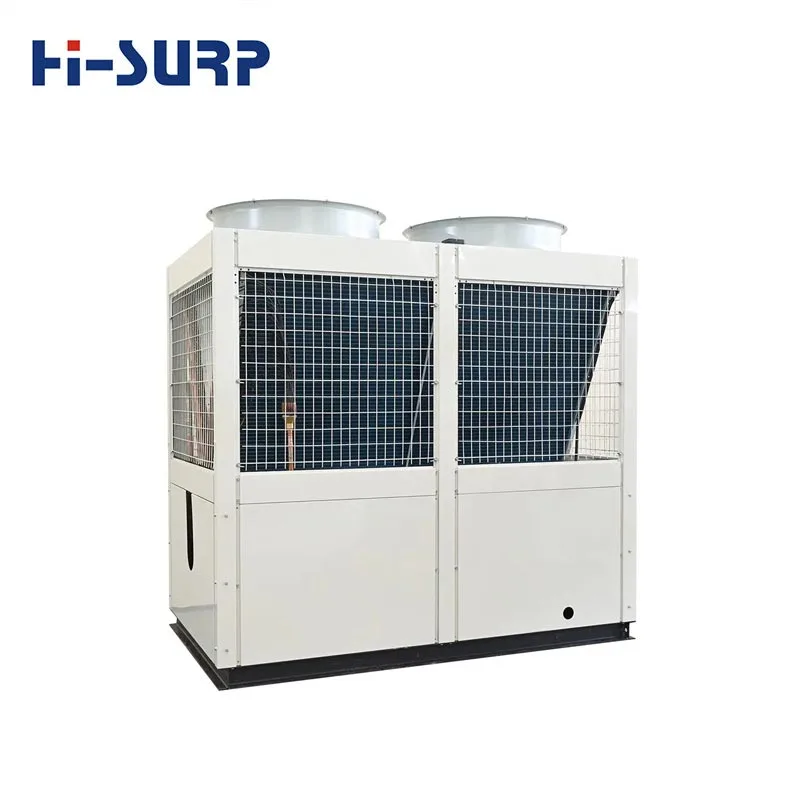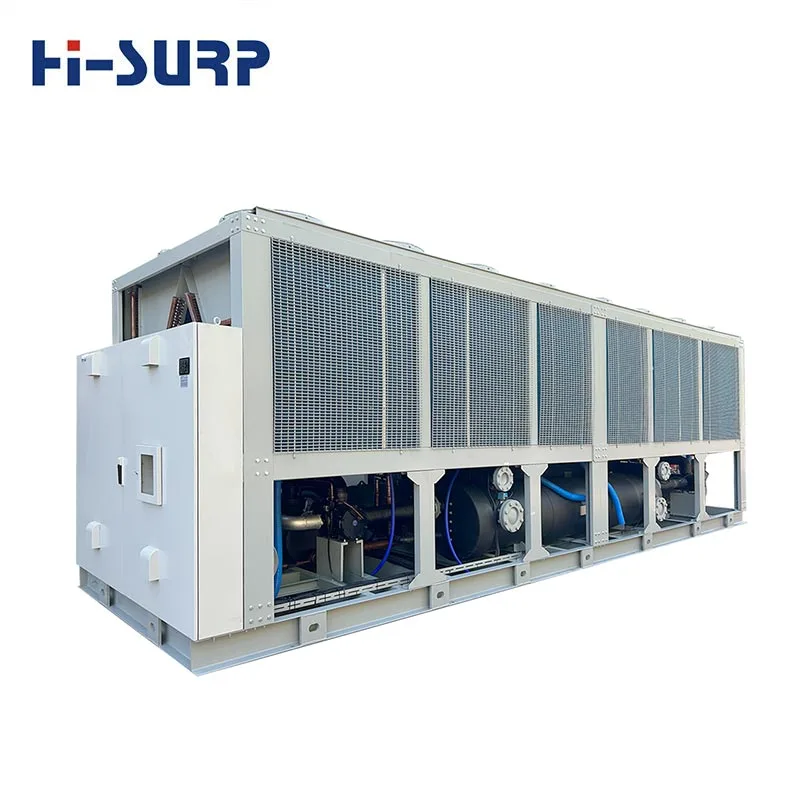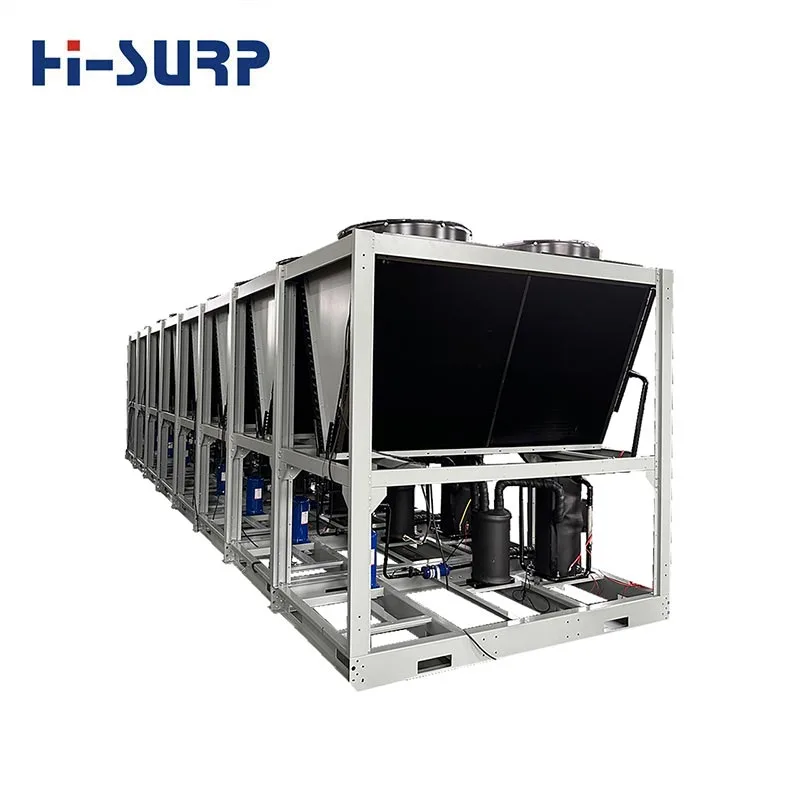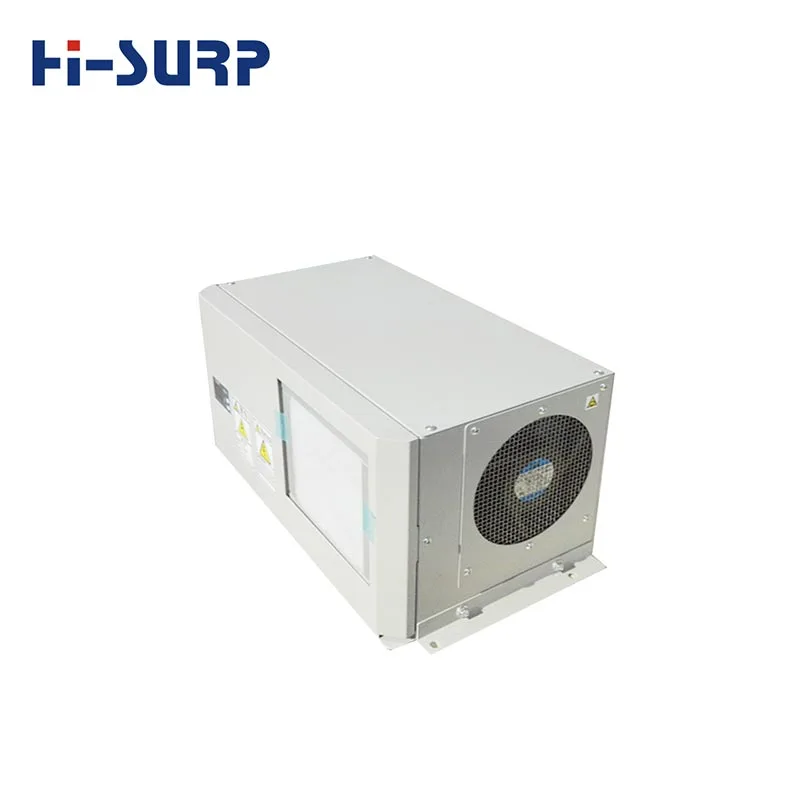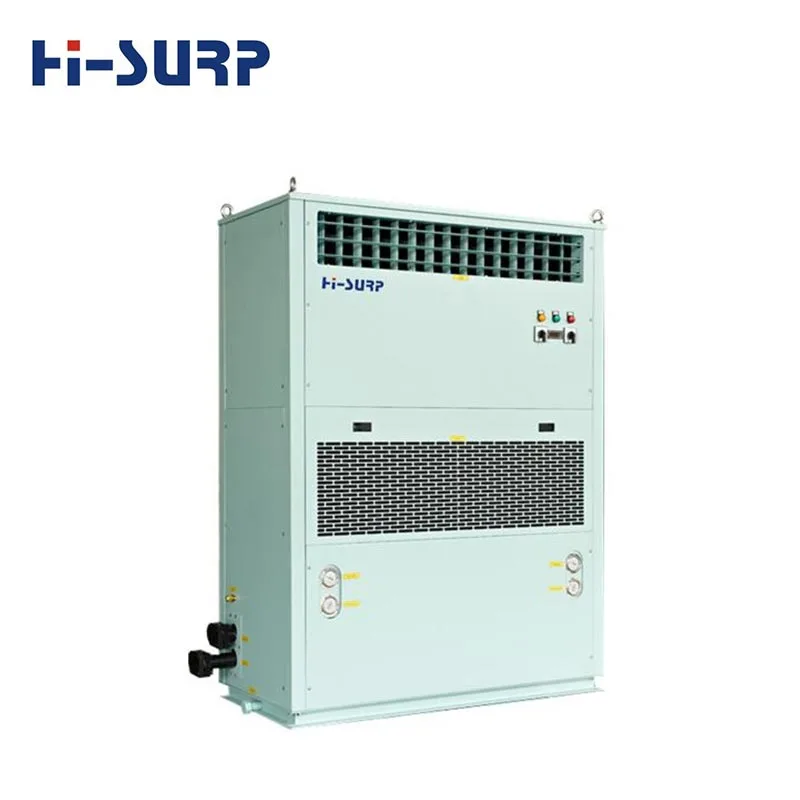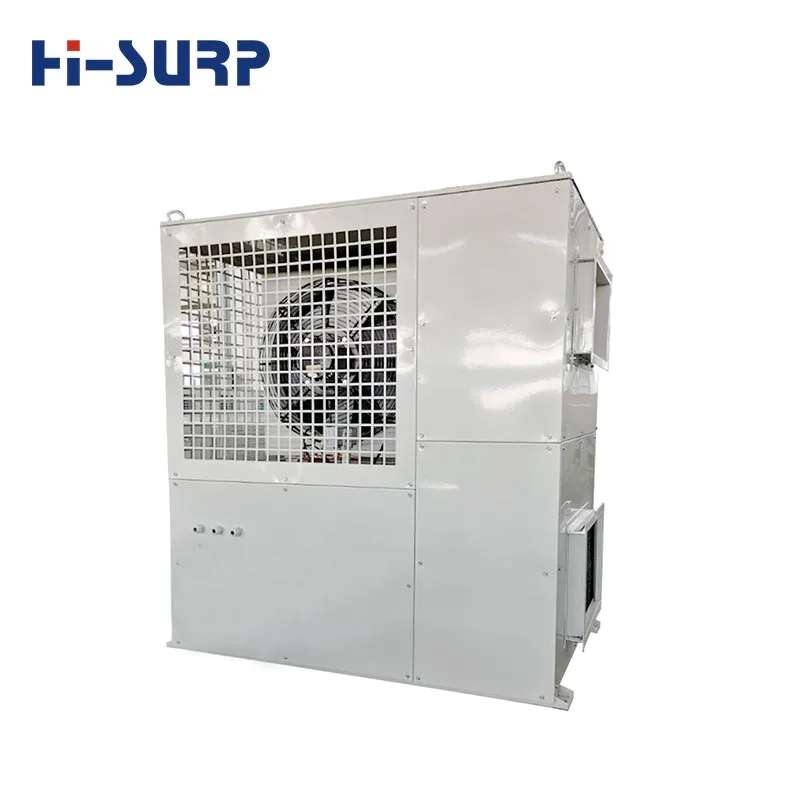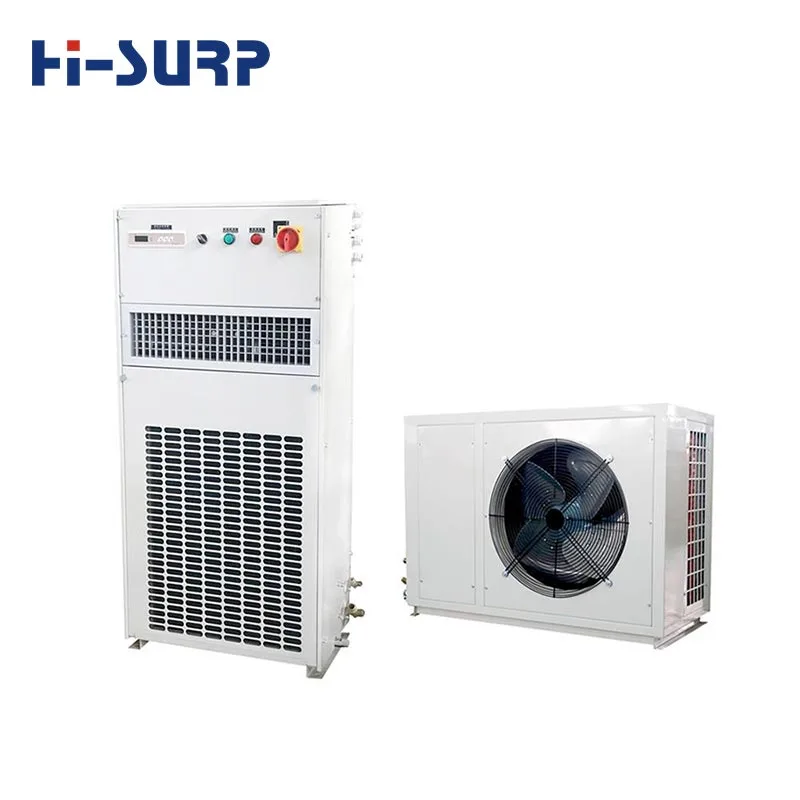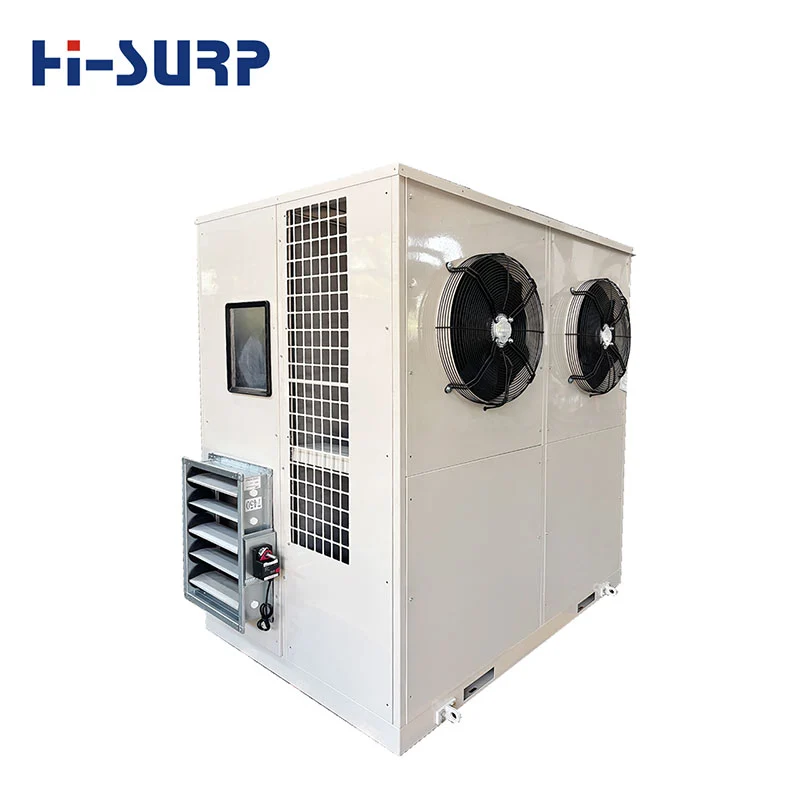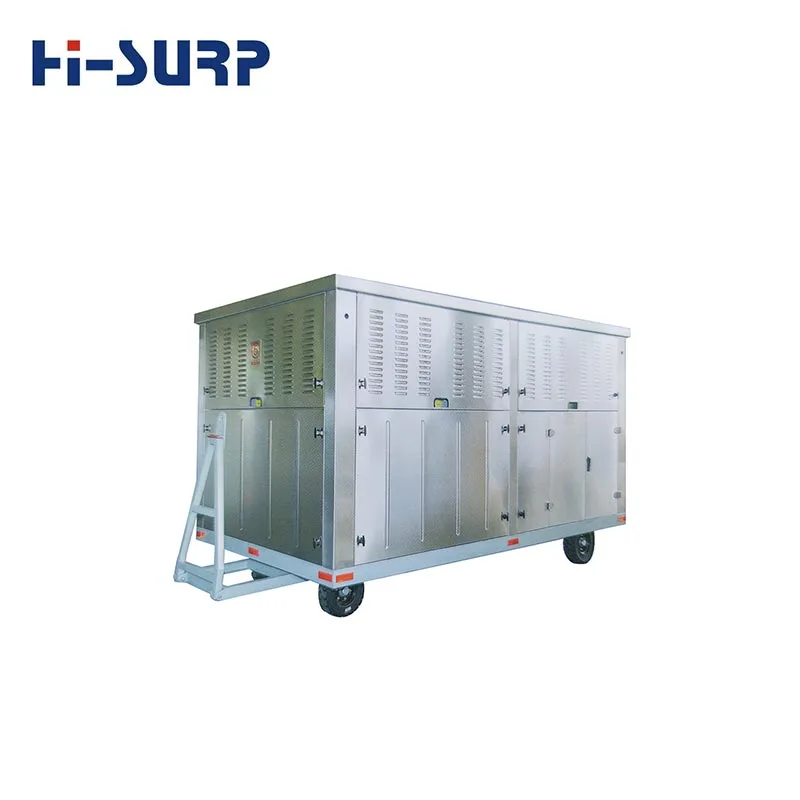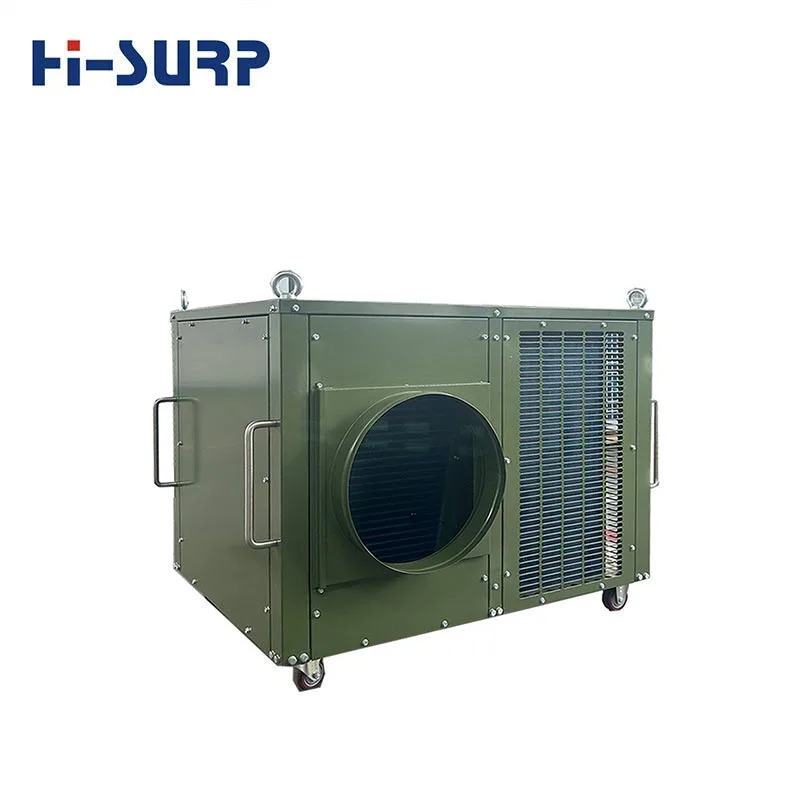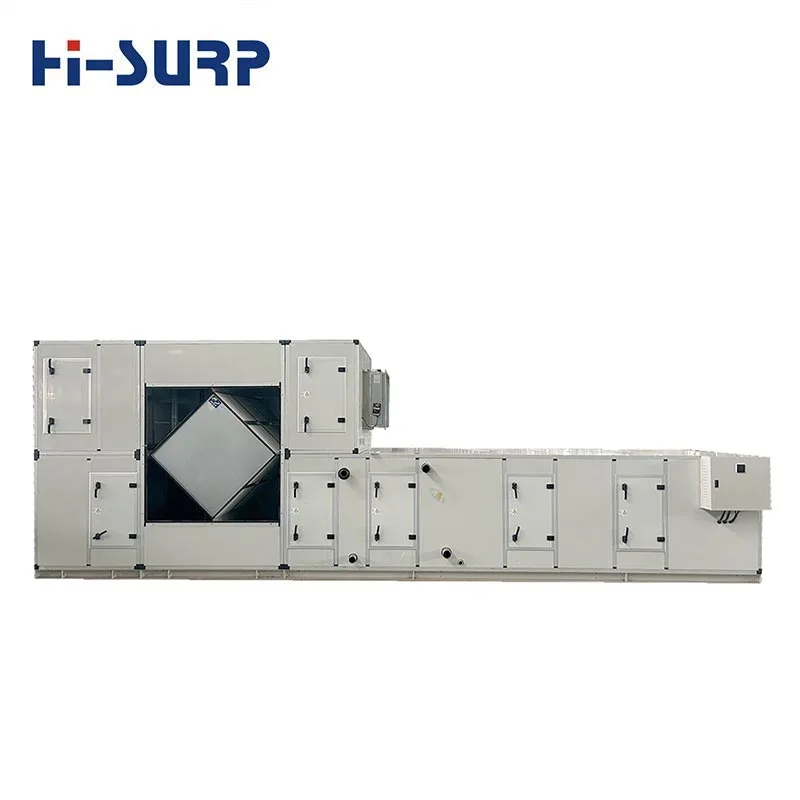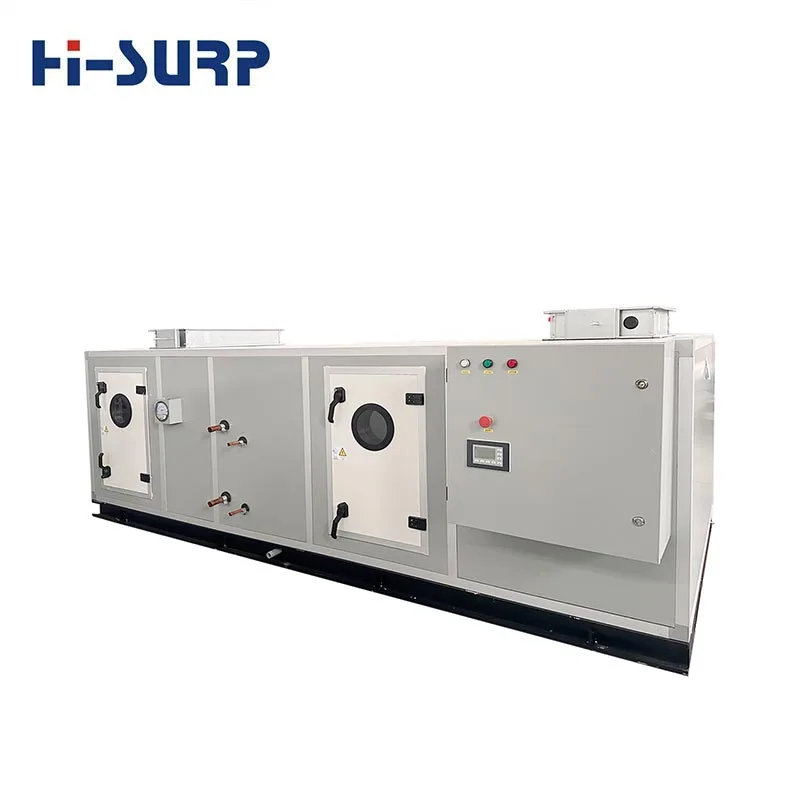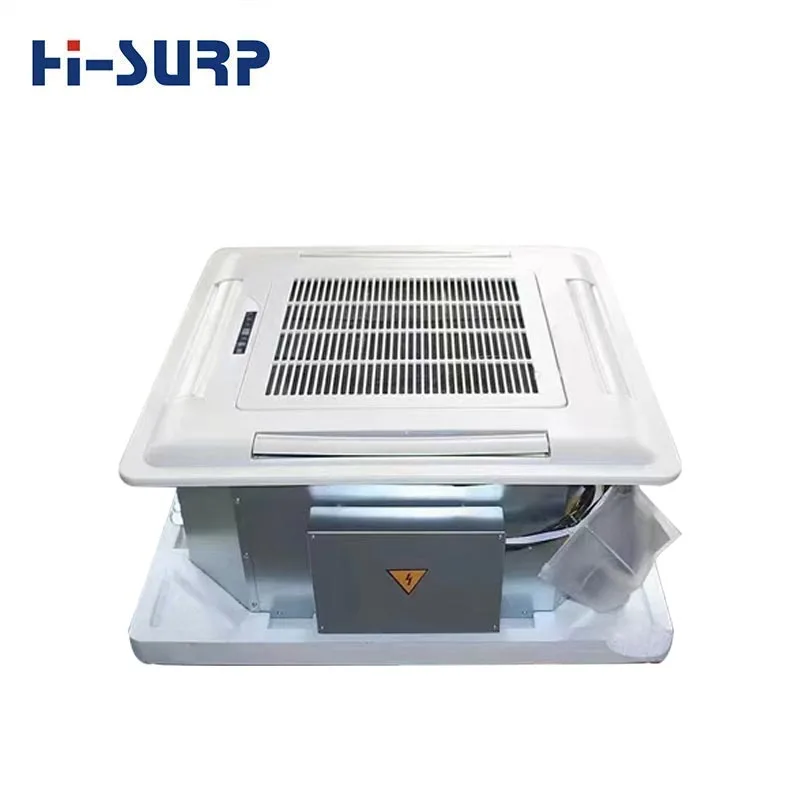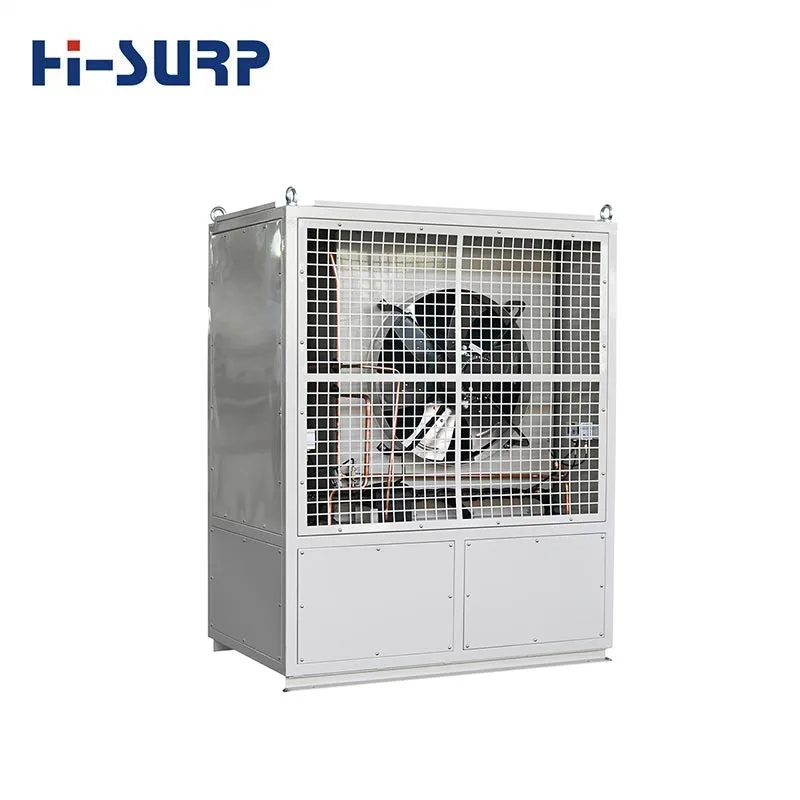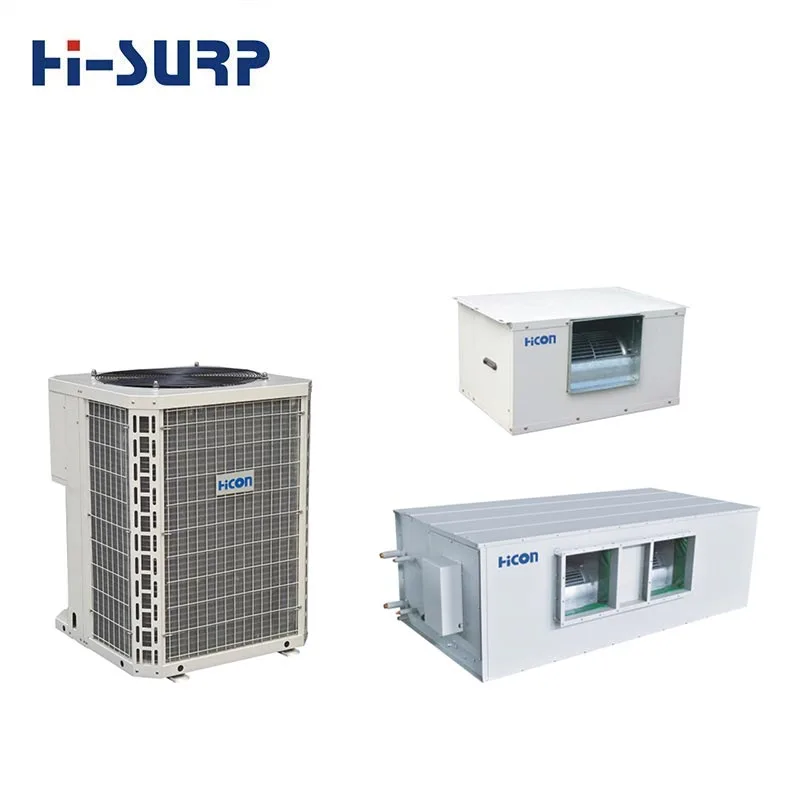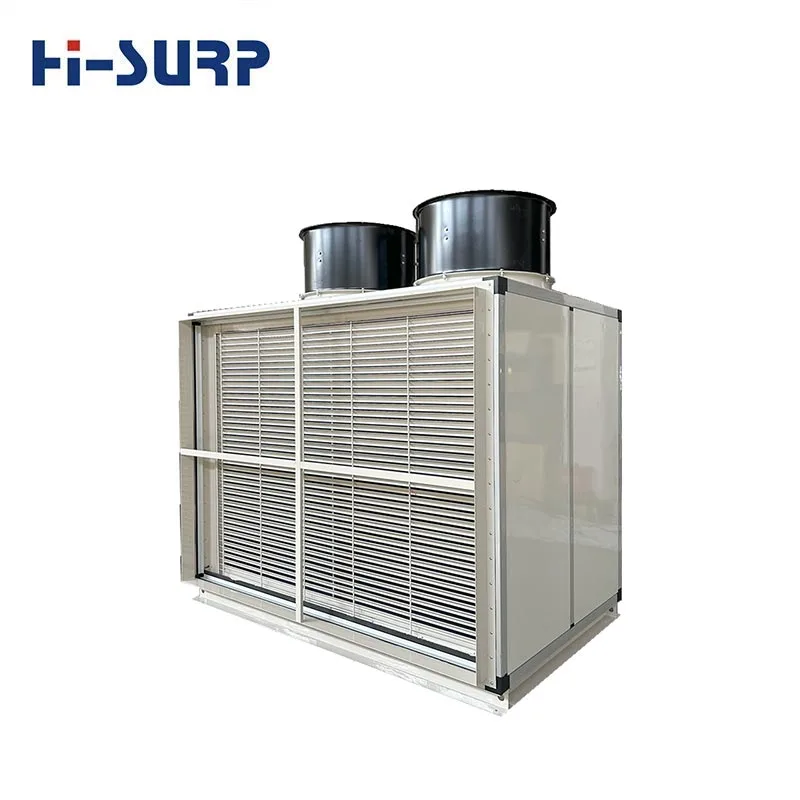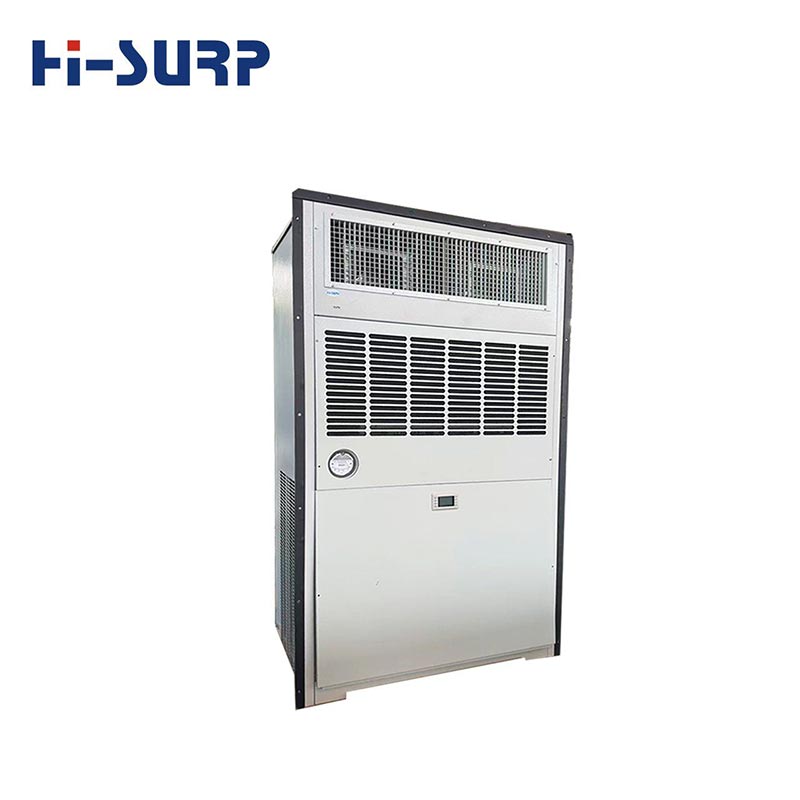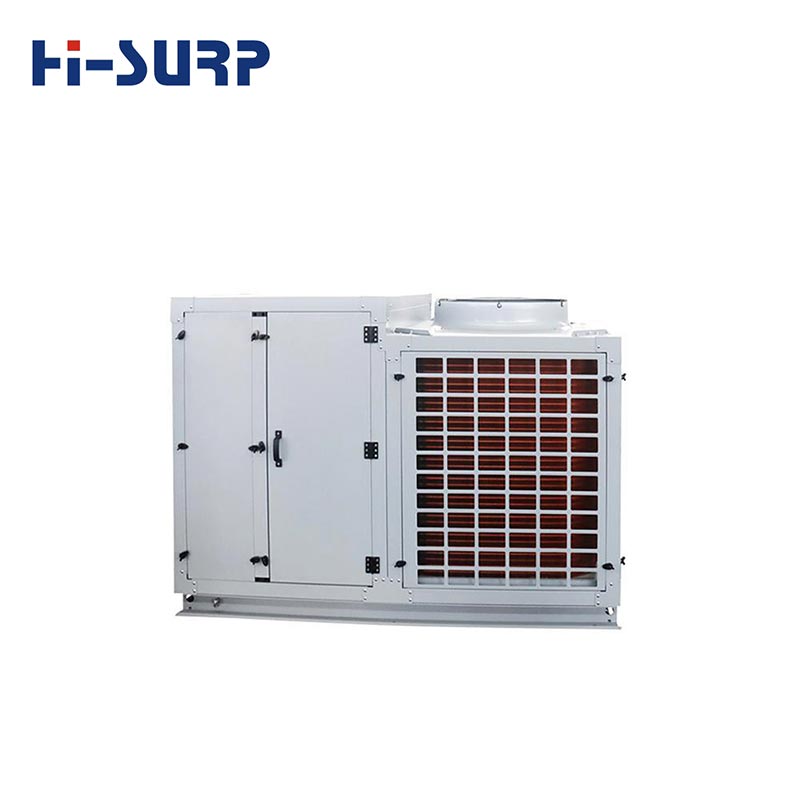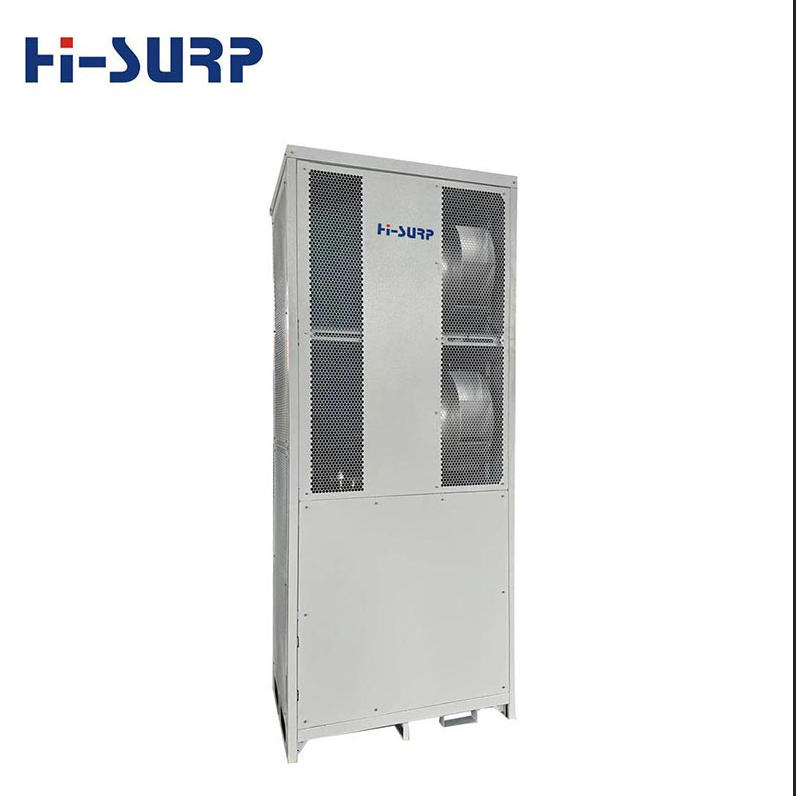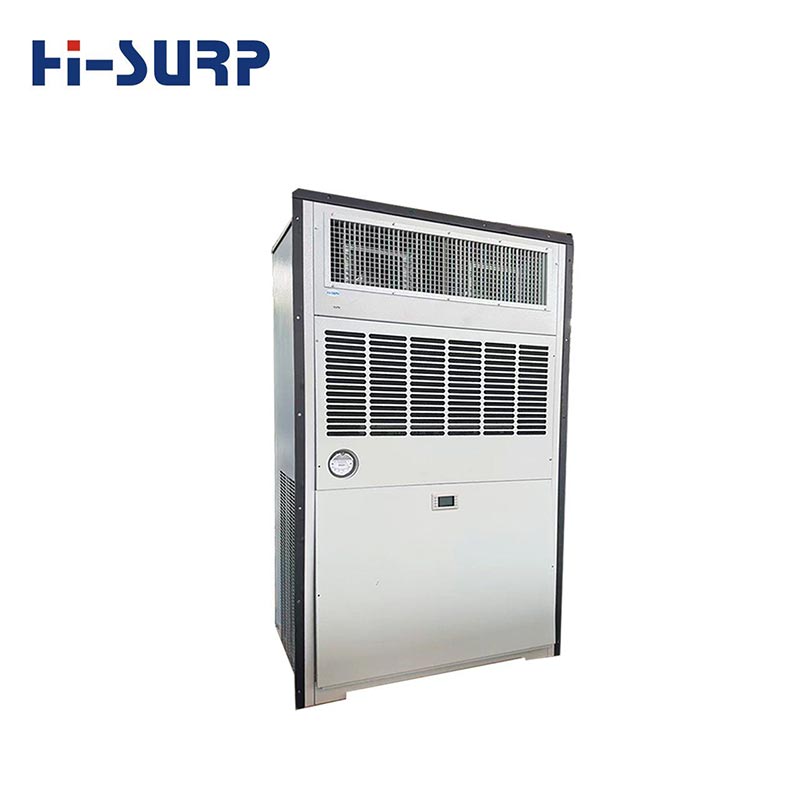
E-House Air Conditioner
A brief introduction of HISURP CAC series E-house Air Conditioners
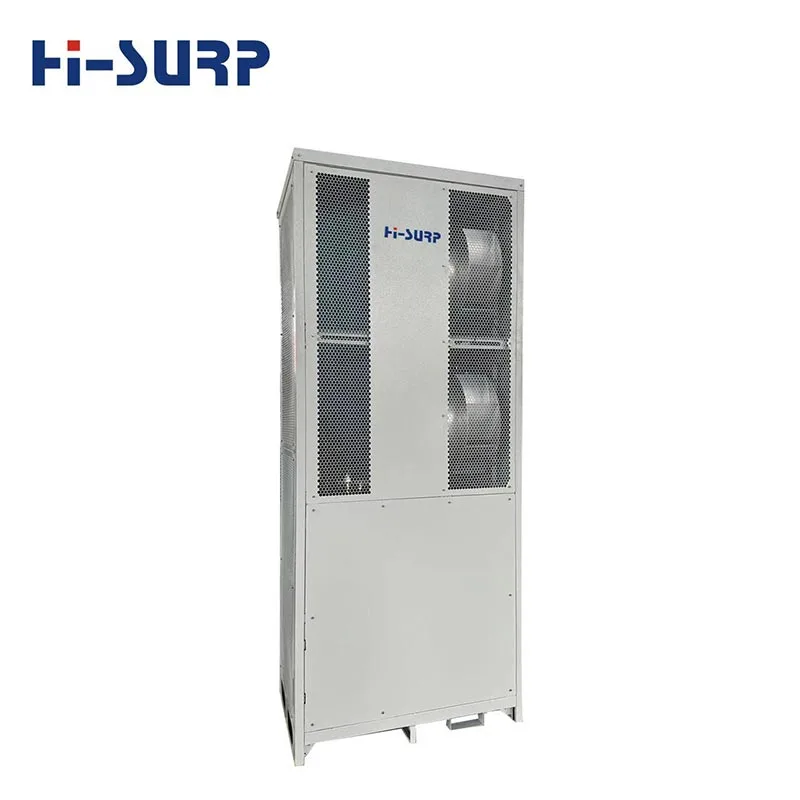
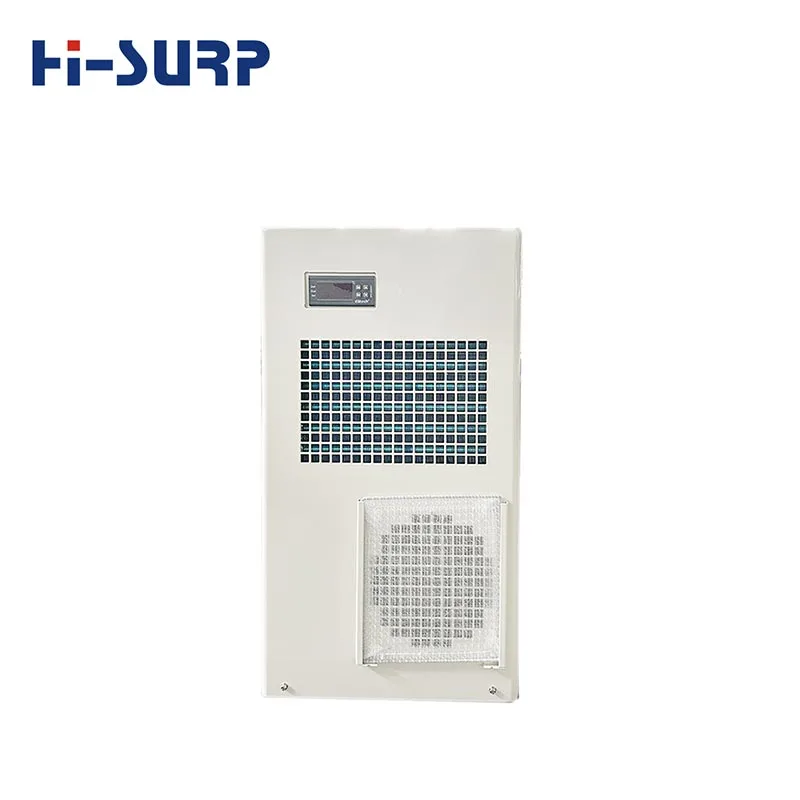
Energy Storage Air Conditioner
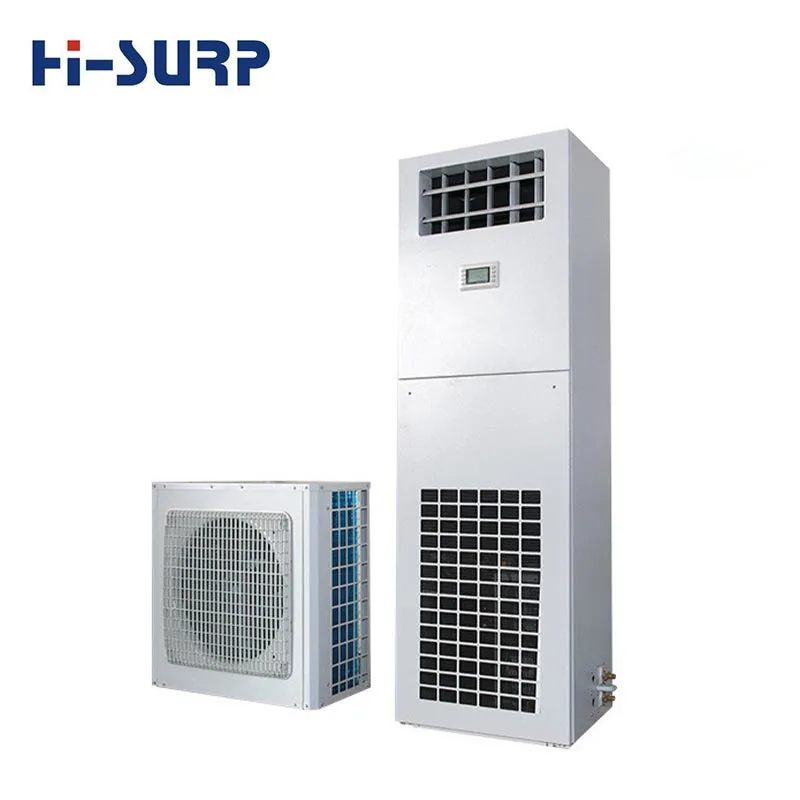
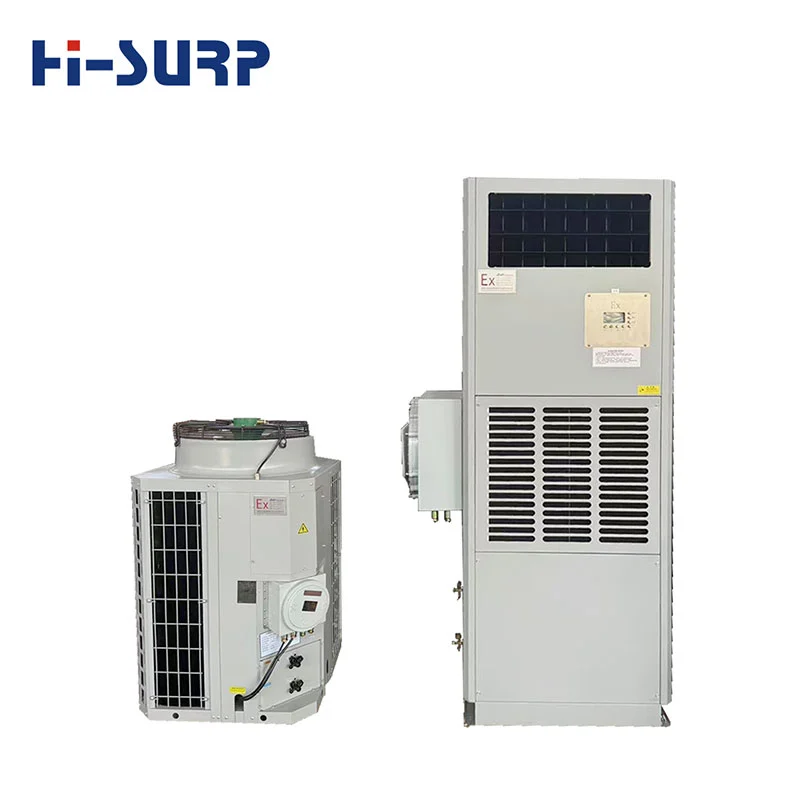
Telecom Air Conditioner

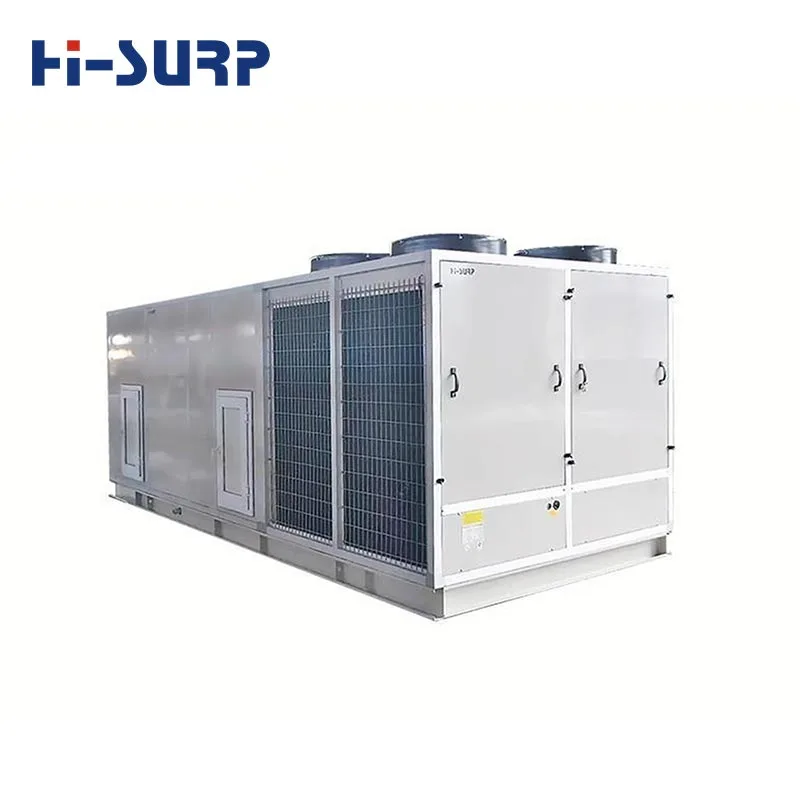
Rooftop Air Conditioner
As seasoned Rooftop Air Conditioner manufacturers, Hisurp is a reputable Chinese factory offering CE-certified products.
Adopting integrated design, the unit combines cooling, heating, ventilation and filtration. It runs steadily, installs effortlessly and cuts energy consumption by 20%-30%, backed by 15-year service life.
Customized solutions and complete after-sales support are accessible. We supply goods in bulk with competitive prices, perfectly fitting diverse building scenarios, serving as your preferred purchasing option.
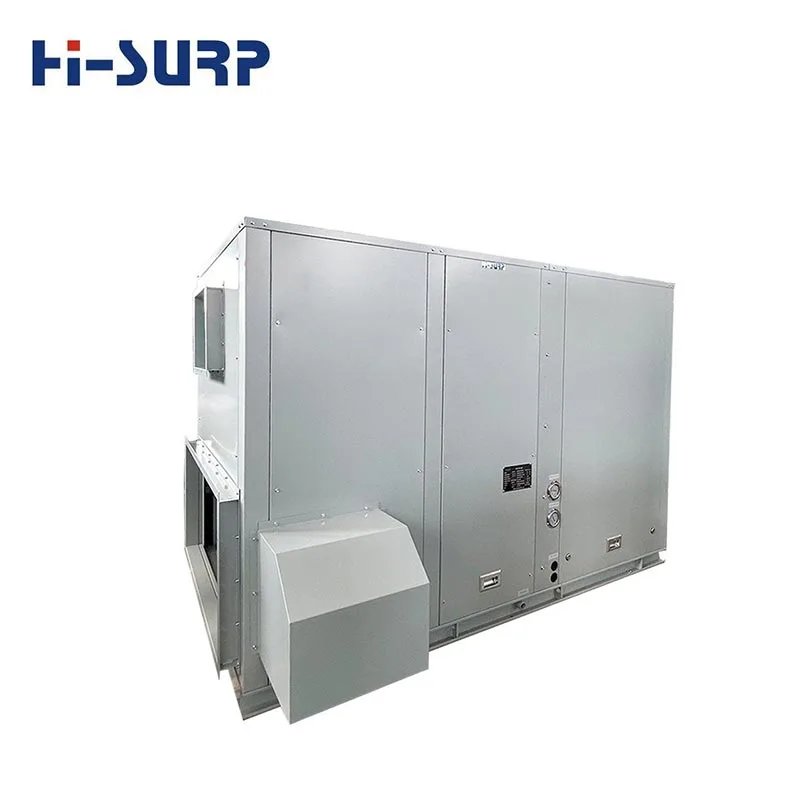
Rooftop Ac
Hisurp Rooftop AC adopts adaptive energy-saving control and DC frequency conversion motor. Ideal for workshops and computer rooms needing uninterrupted cooling, it utilizes free cooling to achieve up to 58% comprehensive energy saving. The unit operates steadily amid -40℃ to 48℃ wide temperature scope. Owning authoritative Certification of ISO9001, every unit undergoes full power-on test before shipment, guaranteeing durable stable performance and eco-friendly energy efficiency.
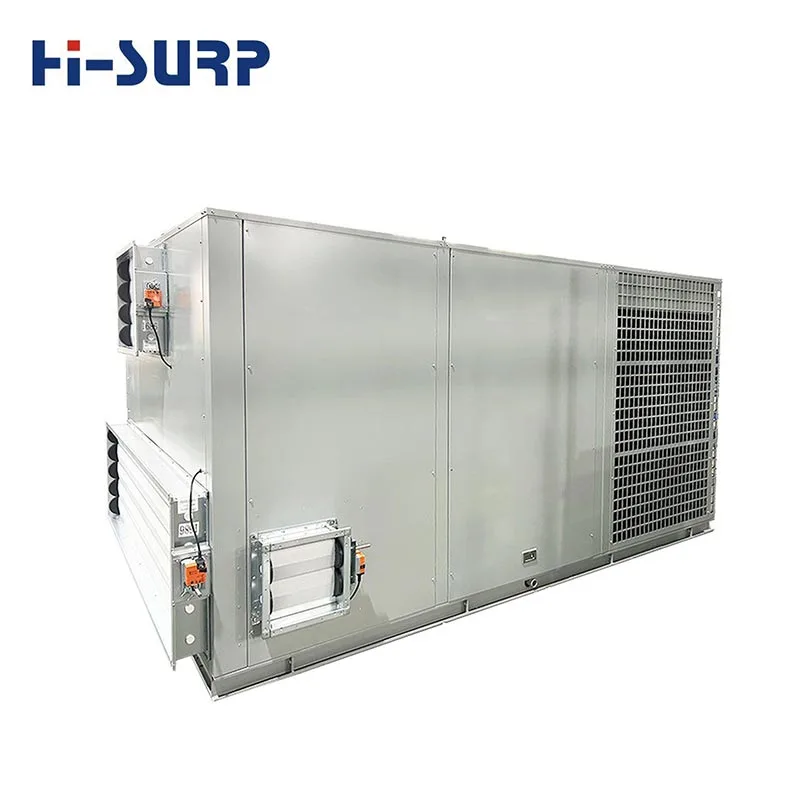
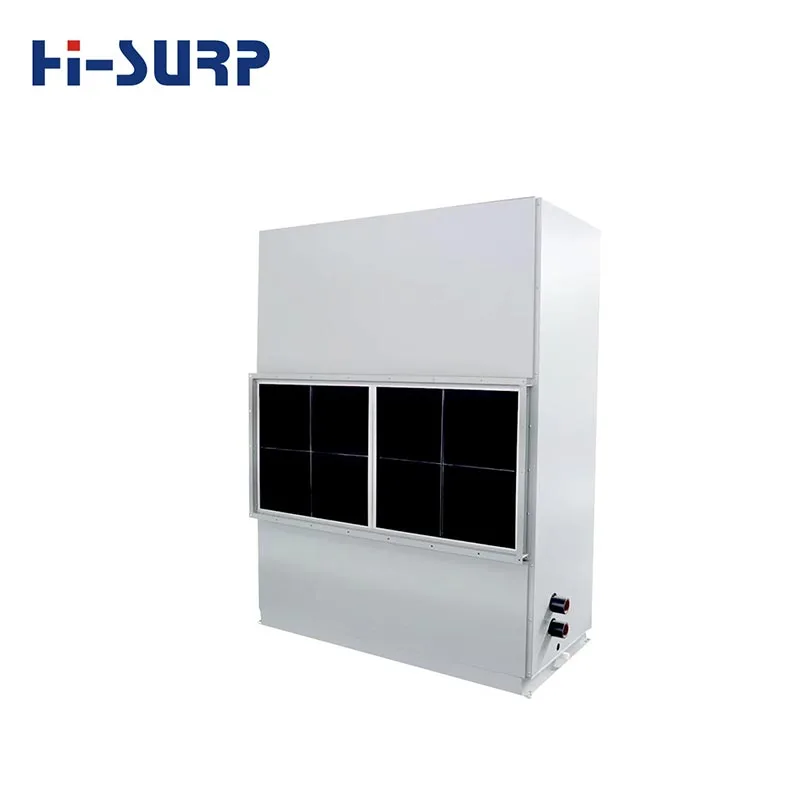
Packaged Air conditioner
Hisurp delivers dependable Packaged Air Conditioner with stable factory production and solid quality assurance. Customized packaged air conditioner supports adjustable cooling capacity, size and functions, fitting multiple application occasions. All products come with 12-month warranty, thoughtful after-sales support to cut purchase risks. Featuring energy efficiency, low noise and easy installation, strictly inspected units are premium cooling choices.
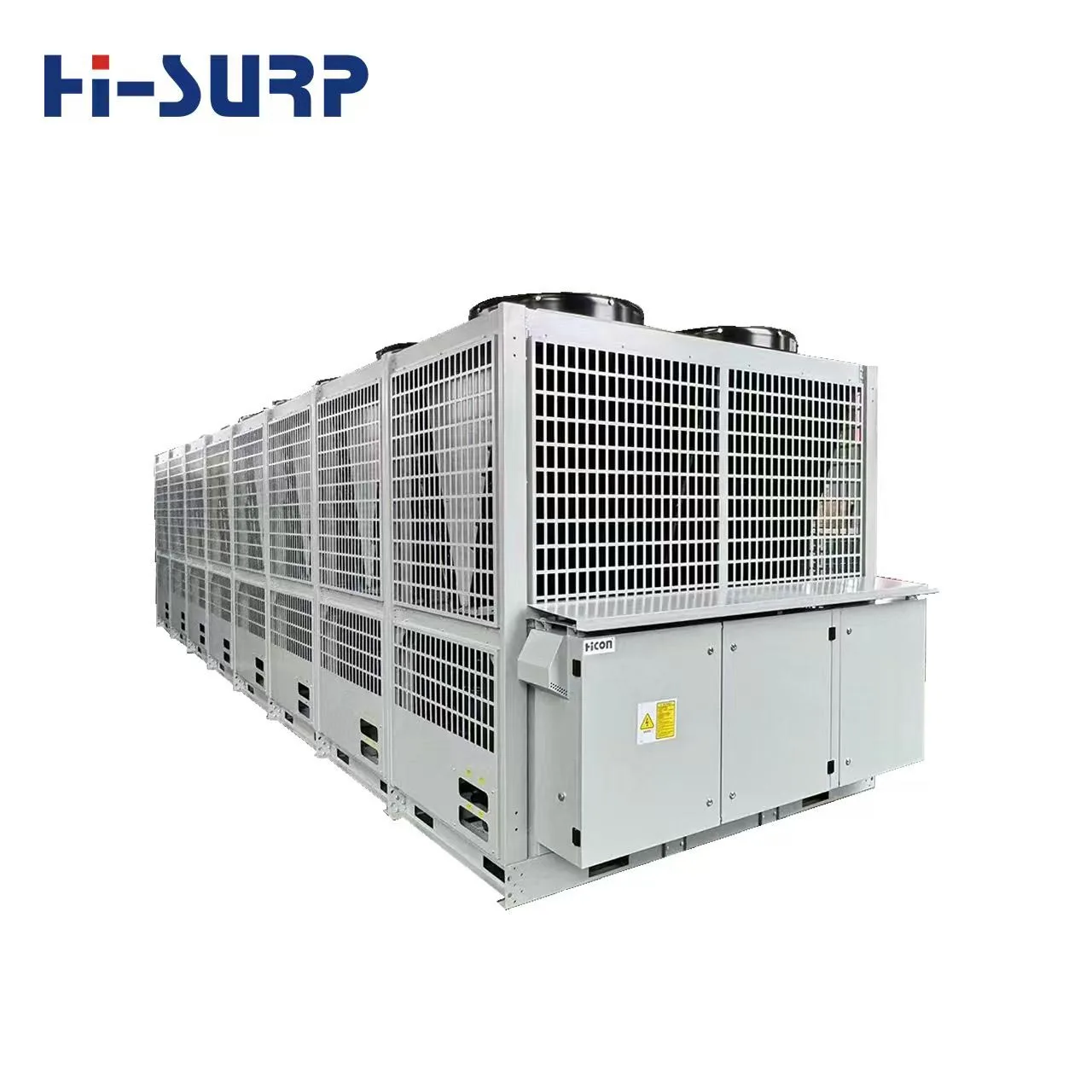
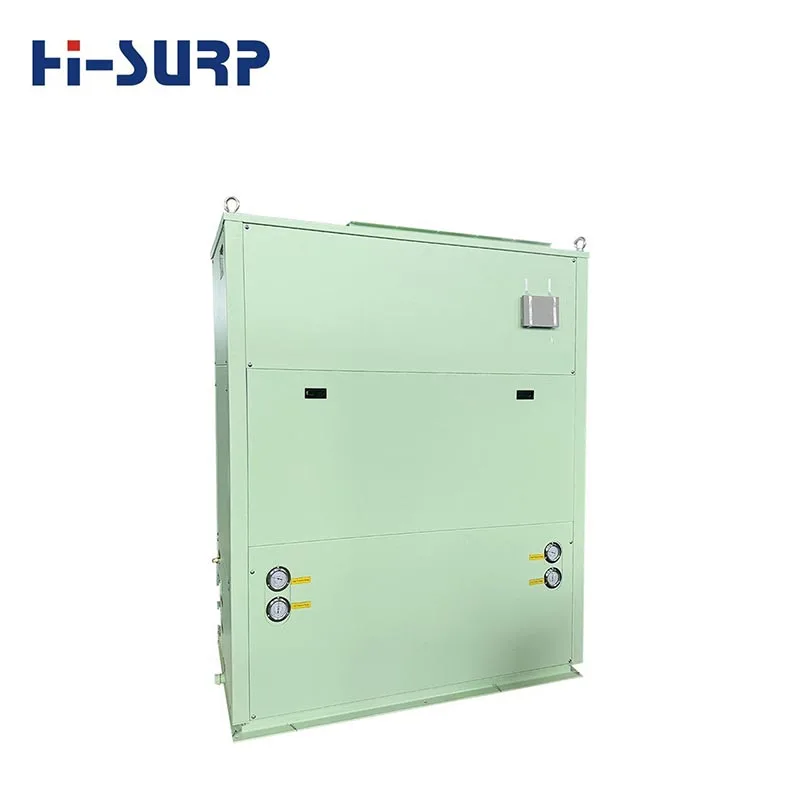
Packaged Unit
Hisurp supplies advanced Packaged unit as all-in-one HVAC equipment. It integrates core components into compact body, realizing fast installation and effortless maintenance. Sturdy quality verified by strict factory tests ensures steady operation, energy conservation and long service lifespan. Adaptable to harsh working conditions with strong anti-interference capability, it cuts daily power consumption and operating expenses. The integrated structure saves occupied space and shortens construction period, perfectly meeting heating and cooling demands of commercial, industrial and public venues.

Air Cooled Precision Air Conditioner

Water Cooled Precision Air Conditioner
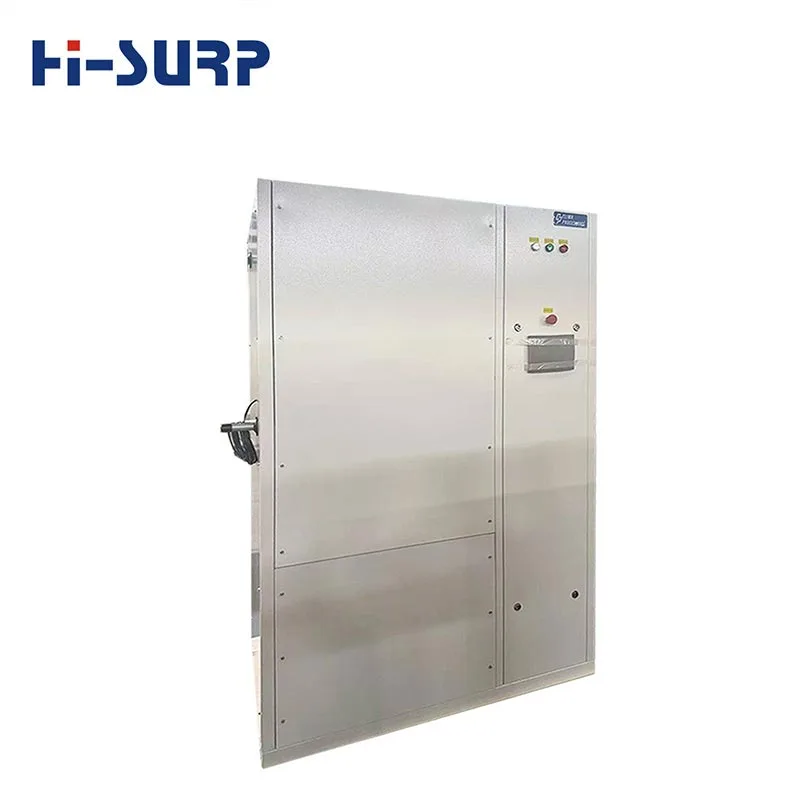
Dual Coil Precision Air Conditioner

Air Cooled Scroll Chiller

Air Cooled Screw Chiller
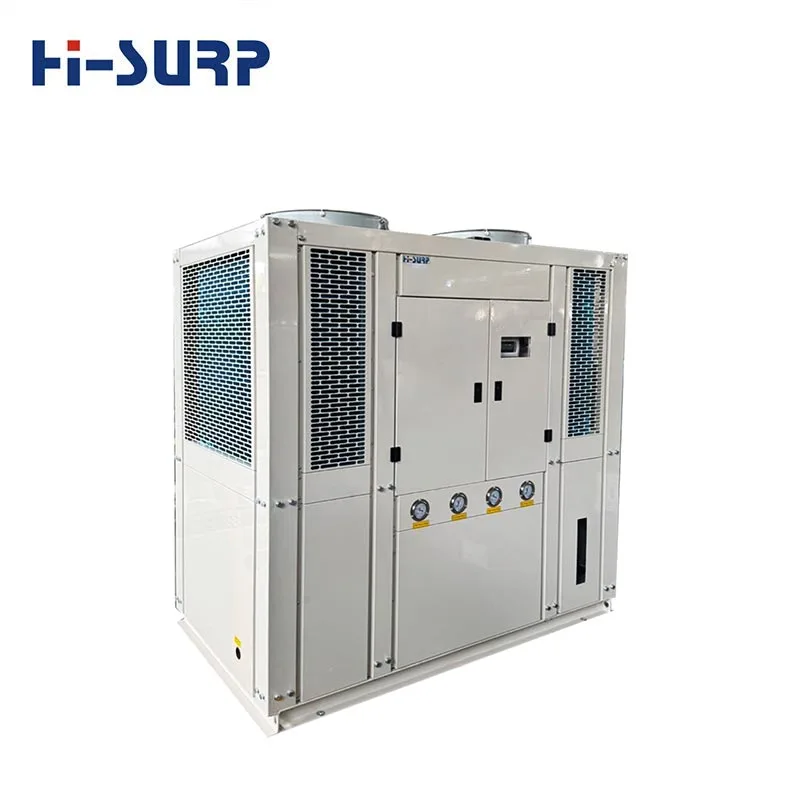
Water Cooled Scroll Chiller
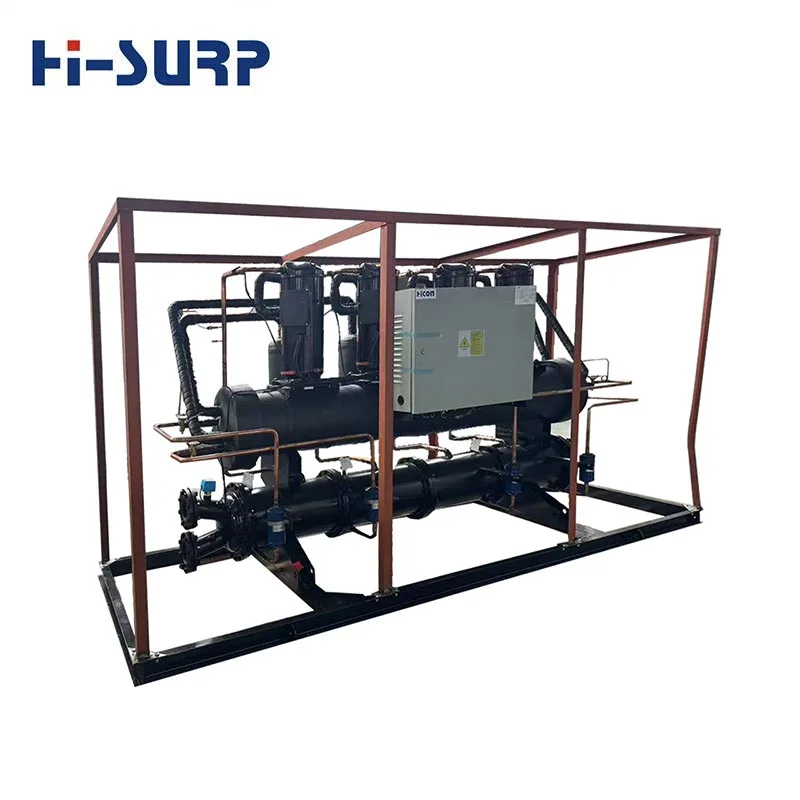
Water Cooled Screw Chiller

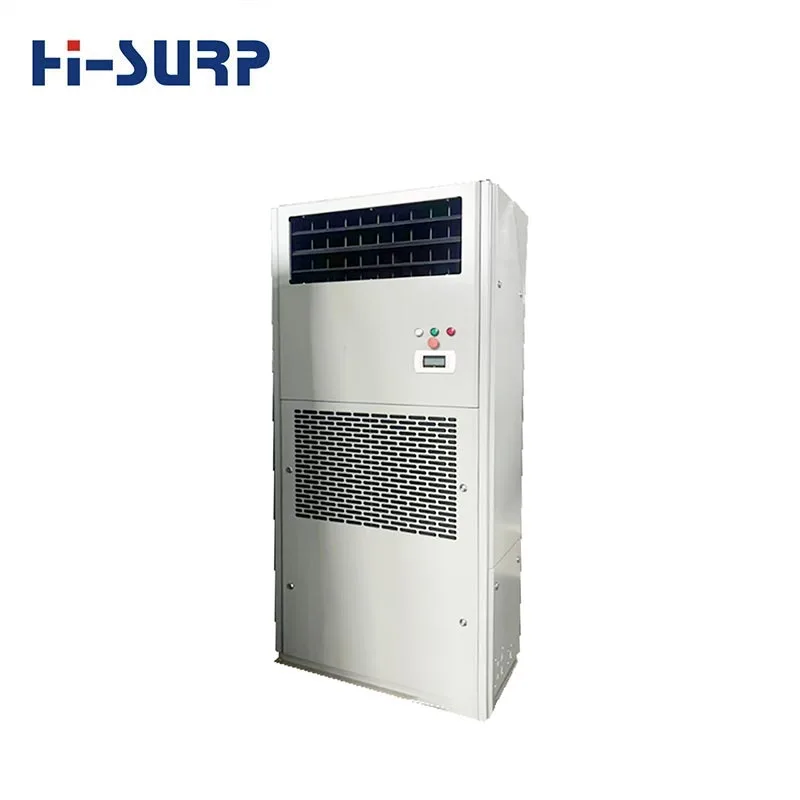
Corrosion-Resistant Air Conditioner
Hisurp Corrosion-Resistant Air Conditioner is a type of air conditioning system designed to be enhanced for corrosive environments (especially marine, chemical, salt spray, and high humidity environments).
Earthquake-Resistant Air Conditioner
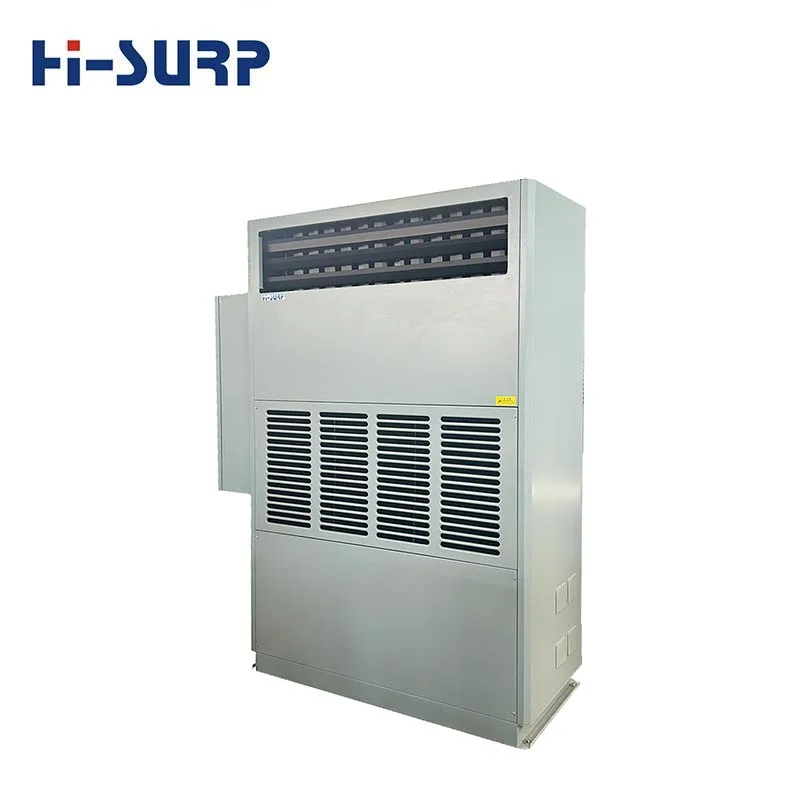
Based on the design concept of "prevention first", Hisurp earthquake-resistant air conditioner uses a series of advanced measures that exceed conventional standards to minimize the risk of damage to the air conditioning system caused by earthquakes, and ensure environmental control and business continuity in critical locations.
Magnetic-Resistant Air Conditioner
Hisurp Magnetic-Resistant Air Conditioner is an industrial air conditioner designed specifically for strong magnetic field environments. Through a multi-layer shielding system, it ensures stable and durable operation of the unit in a magnetic field environment of ≥2000GS.
In a modern data center, a single rack of high-density storage servers can generate 30 kilowatts of heat—enough to warm a small house in winter. Multiply that by 100 racks in a single hall, and the heat load reaches 3 megawatts. Traditional air-cooling systems, which rely on moving large volumes of air through the server room, are struggling to keep up. The air itself becomes the bottleneck. It cannot absorb heat fast enough, and the fans required to move it consume enormous amounts of energy. This is why the Industrial Air Conditioner is undergoing a fundamental transformation. Liquid cooling, once reserved for supercomputers, is now being adopted for mainstream high-density storage systems. The reason is simple physics: liquid can absorb and transport heat far more efficiently than air.
The question of why liquid cooling Industrial Air Conditioner is the future for high-density storage systems is answered by the limitations of air cooling. Air has a low heat capacity and a low thermal conductivity. To remove heat from a dense server rack, you need to move a large volume of air, which requires large fans, large ducts, and large chillers. This consumes energy and space. Liquid, by contrast, has a heat capacity that is approximately 4,000 times greater than air. It can absorb the same amount of heat with a fraction of the volume. This means that a liquid cooling Industrial Air Conditioner can be smaller, quieter, and more energy-efficient than an equivalent air-cooling system. This article will examine the technical and economic factors that are driving the adoption of liquid cooling in high-density storage environments. We will also provide detailed specifications for our liquid cooling Industrial Air Conditioner products from our factory at Ningbo Hicon Industry Co., Ltd.
A liquid cooling Industrial Air Conditioner is a cooling system that uses a liquid coolant, typically water or a water-glycol mixture, to absorb heat from the heat-generating equipment and transport it to a heat rejection system. Unlike a traditional air-cooling system, which relies on air to carry heat away from the equipment, a liquid cooling system uses a closed-loop or open-loop circuit to circulate the coolant directly to the heat source. The coolant absorbs the heat and carries it to a heat exchanger, where the heat is transferred to a secondary cooling circuit or rejected to the atmosphere. The cooled coolant is then recirculated back to the equipment. This direct-contact cooling is far more efficient than air cooling because the liquid can absorb heat at a much higher rate.
The core components of a liquid cooling Industrial Air Conditioner include the coolant distribution unit (CDU), the pump, the heat exchanger, the coolant lines, and the control system. The CDU is the heart of the system. It manages the flow and temperature of the coolant and provides the interface between the primary cooling loop (which is in contact with the equipment) and the secondary cooling loop (which rejects the heat to the environment). The pump circulates the coolant through the system. The heat exchanger transfers the heat from the primary loop to the secondary loop. The coolant lines connect the components and deliver the coolant to the equipment. The control system monitors and adjusts the flow rate, the temperature, and the pressure to ensure optimal performance. The table below summarizes the key components and their functions.
| Component | Function | Key Features |
| Coolant Distribution Unit (CDU) | Manages coolant flow and temperature | Redundant pumps, heat exchanger, controls |
| Pump | Circulates coolant | Variable speed, high efficiency, redundancy |
| Heat Exchanger | Transfers heat to secondary loop | Plate-and-frame or shell-and-tube design |
| Coolant Lines | Deliver coolant to equipment | Leak-free quick disconnects, flexible or rigid |
| Control System | Monitors and adjusts parameters | PLC, sensors, alarms, remote monitoring |
At Ningbo Hicon Industry Co., Ltd., our factory manufactures liquid cooling Industrial Air Conditioner systems for high-density storage applications. We offer a range of configurations, from small self-contained units to large central systems. Our engineering team works closely with customers to design a cooling solution that meets their specific requirements.
The demand for liquid cooling in high-density storage systems is driven by the relentless increase in power density. Over the past decade, the amount of heat generated per rack has increased dramatically. A typical rack in 2010 might have generated 5 kilowatts of heat. Today, a high-density storage rack can generate 30 kilowatts or more. This increase is due to the use of more powerful processors, higher-density memory, and more storage drives packed into the same physical space. Air cooling, which was designed for the lower power densities of the past, is no longer adequate for these modern systems. The air cannot absorb the heat fast enough, and the fans required to move the air consume a significant amount of energy.
Liquid cooling addresses this challenge by providing a direct path for heat to escape the equipment. Instead of relying on air to carry heat away from the processor and out of the rack, liquid cooling brings the coolant directly to the heat source. This could be through a cold plate mounted on the processor, or through full immersion of the components in a dielectric liquid. In either case, the heat is absorbed by the liquid and transported away from the equipment. The efficiency of this heat transfer is far higher than air cooling. The table below compares the heat transfer capability of air and liquid cooling.
| Parameter | Air Cooling | Liquid Cooling |
| Heat Capacity (J/kg·K) | 1,005 | 4,180 (water) |
| Thermal Conductivity (W/m·K) | 0.026 | 0.6 (water) |
| Heat Removal Rate per Unit Volume | Low | High (4,000x air) |
| Maximum Rack Power Density | 10 - 15 kW | 50 - 100+ kW |
| Fan Energy Consumption | High | Low (pump only) |
At our factory, we have extensive experience in designing and manufacturing liquid cooling Industrial Air Conditioner systems for high-density storage. Our systems are engineered to handle the most demanding thermal loads while maintaining high energy efficiency and reliability. We work with our customers to understand their specific requirements and to provide a customized solution that meets their needs.
Energy efficiency is one of the most compelling reasons to choose liquid cooling over air cooling for high-density storage systems. The fans in an air-cooling system consume a significant amount of energy. In a typical data center, the fans alone can account for 10-20% of the total energy consumption. The chillers that cool the air consume even more. Liquid cooling eliminates the need for most of these fans. Instead, it uses a pump to circulate the coolant, which consumes far less energy than a comparable air-moving system. The result is a dramatic reduction in the energy required to cool the equipment.
The efficiency of a cooling system is often measured by its Coefficient of Performance (COP), which is the ratio of heat removed to energy consumed. A higher COP indicates a more efficient system. Air-cooling systems typically have a COP of 2 to 3. Liquid-cooling systems can achieve a COP of 5 to 10 or more, depending on the design and the operating conditions. This means that a liquid cooling system can remove the same amount of heat using half the energy of an air-cooling system. The table below compares the energy efficiency of air cooling and liquid cooling for a typical high-density storage application.
| Parameter | Air Cooling | Liquid Cooling |
| Cooling Capacity (kW) | 100 | 100 |
| Fan/Pump Power (kW) | 15 | 3 |
| Chiller Power (kW) | 35 | 20 |
| Total Cooling Power (kW) | 50 | 23 |
| COP | 2.0 | 4.3 |
| Annual Energy Consumption (kWh) | 438,000 | 201,480 |
| Annual Energy Savings | — | 236,520 kWh |
At Ningbo Hicon Industry Co., Ltd., our liquid cooling Industrial Air Conditioner systems are designed for maximum energy efficiency. We use high-efficiency pumps, optimized heat exchangers, and intelligent control systems that adjust the cooling capacity to match the actual load. This ensures that our systems operate at peak efficiency even under partial load conditions. Our factory is committed to helping our customers reduce their energy consumption and their operating costs.
There are several different liquid cooling configurations for high-density storage systems. The most common are cold plate cooling, immersion cooling, and rear-door heat exchangers. Each configuration has its own advantages and disadvantages, and the choice depends on the specific requirements of the application. Cold plate cooling is the most common configuration for high-density storage. In this configuration, a cold plate is mounted directly on the heat-generating components, such as the processors and memory modules. The coolant flows through the cold plate and absorbs the heat. Cold plate cooling is highly efficient and can be retrofitted to existing equipment. Immersion cooling involves immersing the entire server or storage unit in a tank of dielectric coolant. The coolant absorbs the heat directly from the components. Immersion cooling is the most efficient configuration, but it requires a complete redesign of the equipment and the data center. Rear-door heat exchangers are mounted on the back of the rack and use a liquid-cooled coil to cool the air as it exits the rack. This configuration is less efficient than cold plate or immersion cooling, but it is easier to retrofit.
The table below compares the different liquid cooling configurations.
| Configuration | Efficiency | Retrofit Potential | Typical Application |
| Cold Plate | High | Good | High-density servers, storage arrays |
| Immersion | Very High | Limited | Extreme density, new installations |
| Rear-Door Heat Exchanger | Moderate | Excellent | Existing racks, incremental upgrades |
At our factory, we offer liquid cooling Industrial Air Conditioner systems in all these configurations. Our engineering team can help you select the right configuration for your specific application. We also provide custom designs for unique requirements.
The table below provides a summary of the key specifications for our liquid cooling Industrial Air Conditioner products.
| Specification | Range | Notes |
| Cooling Capacity | 10 kW - 1,000 kW | Custom capacities available |
| Coolant Type | Water, Water-Glycol (25-50%) | Dielectric fluids for immersion |
| Operating Temperature | 15°C - 45°C (supply) | Can be optimized for free cooling |
| Flow Rate | 10 - 500 L/min | Variable speed pump control |
| Pressure Rating | Up to 10 bar | Higher ratings available |
| Heat Exchanger Type | Plate-and-Frame, Shell-and-Tube | Selected for efficiency and space |
| Pump Redundancy | N+1, 2N | For critical applications |
| Control System | PLC with HMI, remote monitoring | Modbus, SNMP, Ethernet |
| Leak Detection | Optional | Recommended for critical installations |
| Certifications | CE, UL, ISO 9001 | Compliance with international standards |
At Ningbo Hicon Industry Co., Ltd., our factory has the expertise and the equipment to manufacture liquid cooling Industrial Air Conditioner systems to meet these specifications. We can customize the system to suit your specific requirements, including the cooling capacity, the coolant type, the redundancy level, and the control system. We also provide comprehensive technical support and after-sales service.
The adoption of liquid cooling has a profound impact on data center design and scalability. Traditional air-cooled data centers are designed around the movement of air. They have raised floors, hot and cold aisles, and large air handling units. These design features consume space and limit the maximum power density that can be achieved. Liquid cooling eliminates the need for many of these features. It allows for higher power densities, smaller footprints, and more flexible layouts. This is particularly important for high-density storage systems, where the ability to scale up without expanding the physical footprint is a major advantage.
Liquid cooling also enables the use of higher-temperature coolants, which can be cooled using ambient air or evaporative cooling in many climates. This reduces the reliance on energy-intensive chillers and can significantly reduce the Power Usage Effectiveness (PUE) of the data center. A lower PUE means that more of the energy consumed by the data center is used for computing and less for cooling. The table below summarizes the impact of liquid cooling on key data center design parameters.
| Parameter | Air Cooling | Liquid Cooling |
| Maximum Rack Power Density | 10 - 15 kW | 50 - 100+ kW |
| Data Center PUE | 1.5 - 2.0 | 1.1 - 1.3 |
| Floor Space per kW | High | Low |
| Scalability | Limited by air handling capacity | Modular, easily scalable |
| Noise Level | High (fans) | Low (pumps) |
At our factory, we work with data center designers and operators to integrate liquid cooling into their facilities. We provide technical support and guidance on the design of the cooling system, the selection of components, and the integration with existing infrastructure. Our goal is to help our customers achieve the highest levels of efficiency and scalability in their high-density storage systems.
Question 1: Is liquid cooling safe for electronic equipment?
Answer: Yes, liquid cooling is safe for electronic equipment when it is properly designed and installed. The coolant is contained within a sealed system and does not come into contact with the electronic components unless there is a leak. In cold plate cooling, the coolant flows through a cold plate that is mounted on the component, and the component itself remains dry. In immersion cooling, the components are immersed in a dielectric fluid that is specifically formulated to be non-conductive and safe for electronics. Modern liquid cooling systems include leak detection and redundancy features to ensure safe operation.
Question 2: What is the difference between cold plate cooling and immersion cooling?
Answer: Cold plate cooling uses a cold plate mounted on the heat-generating components. The coolant flows through the cold plate and absorbs the heat. Immersion cooling involves immersing the entire server or storage unit in a tank of dielectric coolant. Immersion cooling is more efficient because the coolant is in direct contact with all the components, but it requires a complete redesign of the equipment and the data center. Cold plate cooling is more common because it can be retrofitted to existing equipment.
Question 3: Can liquid cooling be retrofitted to existing data centers?
Answer: Yes, liquid cooling can be retrofitted to existing data centers, especially cold plate cooling and rear-door heat exchangers. These configurations are designed to work with existing racks and servers. The retrofit process involves installing the coolant distribution unit, the coolant lines, and the cold plates or rear-door heat exchangers. It may also require upgrades to the power and cooling infrastructure. At Ningbo Hicon Industry Co., Ltd., we can provide a turnkey retrofit solution that minimizes disruption to your operations.
Question 4: What is the typical maintenance required for a liquid cooling system?
Answer: The maintenance requirements for a liquid cooling system are generally lower than for an air-cooling system. The main maintenance tasks are checking the coolant level and quality, inspecting for leaks, and testing the pumps and control system. The coolant may need to be replaced periodically, depending on the type and the operating conditions. The pumps and heat exchangers may require cleaning or servicing. We provide a comprehensive maintenance schedule with our systems, and we offer service contracts to ensure that your system operates reliably.
Question 5: What is the payback period for a liquid cooling system?
Answer: The payback period for a liquid cooling system depends on the specific application and the local energy costs. In general, the higher the power density and the higher the energy costs, the shorter the payback period. For a high-density storage system with a power density of 30 kW per rack, the energy savings from liquid cooling can be significant, often resulting in a payback period of 2 to 4 years. Our engineering team can provide a detailed cost-benefit analysis for your specific application.
Liquid cooling Industrial Air Conditioner is the future for high-density storage systems because it addresses the fundamental limitations of air cooling. Air cannot absorb heat fast enough or transport it efficiently enough to keep up with the increasing power densities of modern storage equipment. Liquid cooling, with its superior heat capacity and thermal conductivity, provides a direct path for heat to escape the equipment, enabling higher power densities, lower energy consumption, and greater scalability. At Ningbo Hicon Industry Co., Ltd., our factory is at the forefront of this technology. We design and manufacture liquid cooling Industrial Air Conditioner systems that meet the most demanding requirements of high-density storage applications.
Whether you are building a new data center or upgrading an existing one, we invite you to contact our technical team to discuss your cooling requirements. We can provide detailed product specifications, system design, and application support. Our commitment to quality and innovation has made us a trusted partner for data center operators around the world.
Contact Ningbo Hicon Industry Co., Ltd. today to discuss your liquid cooling Industrial Air Conditioner requirements and discover how our systems can improve the efficiency and scalability of your high-density storage systems.