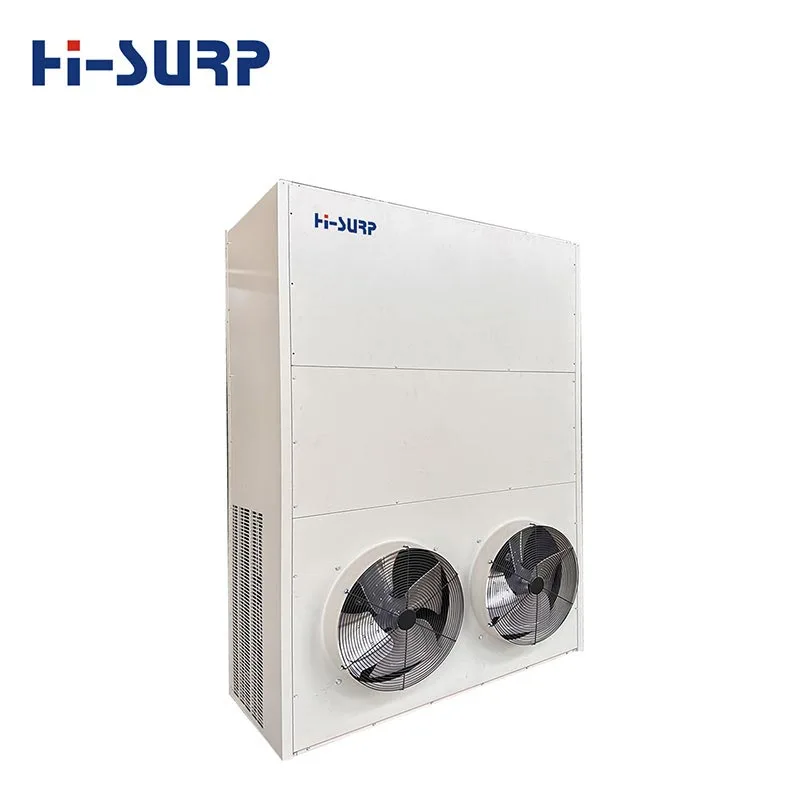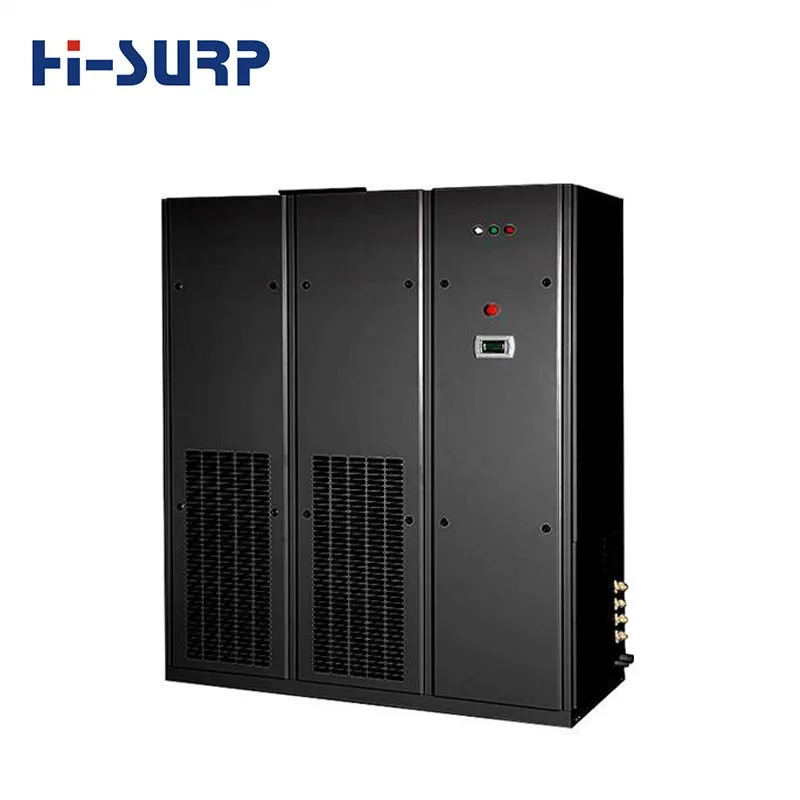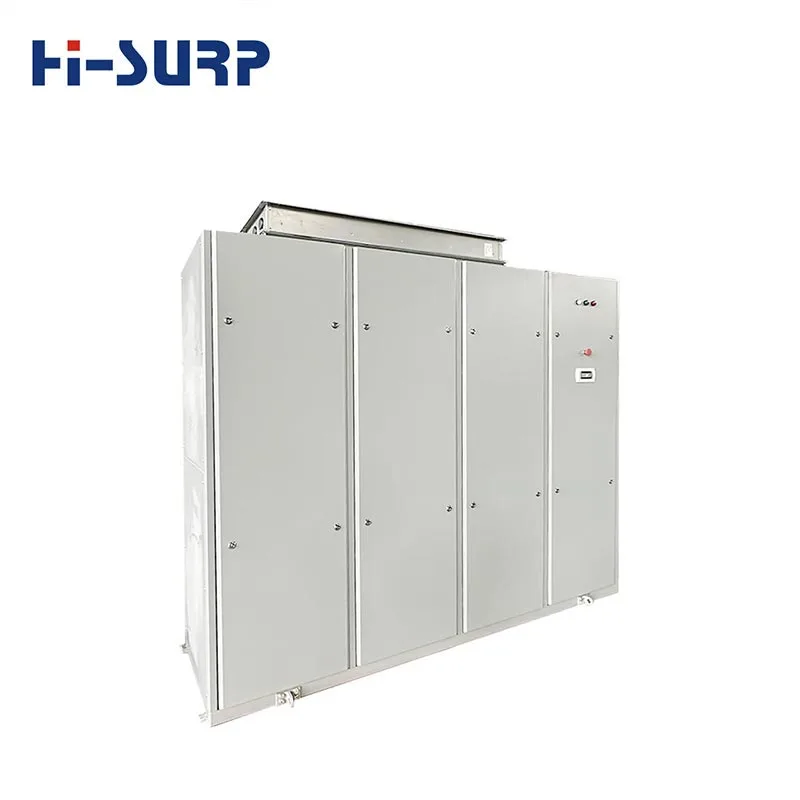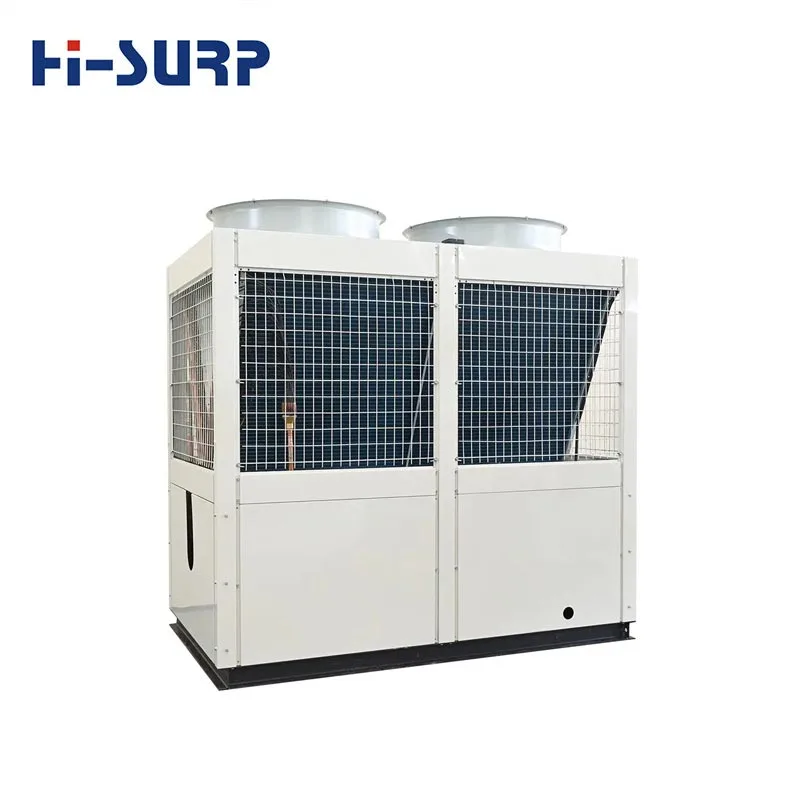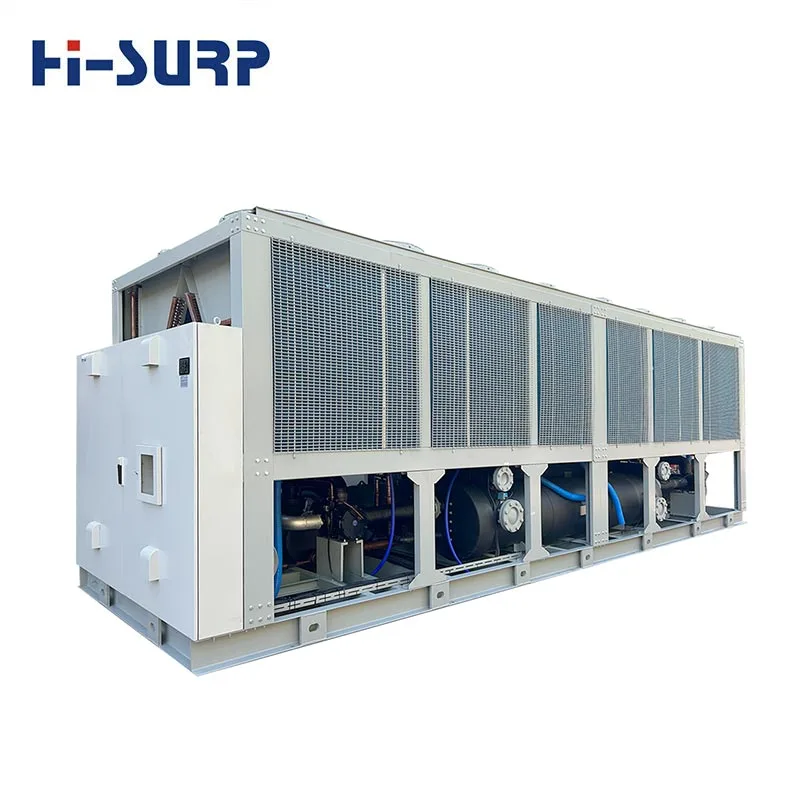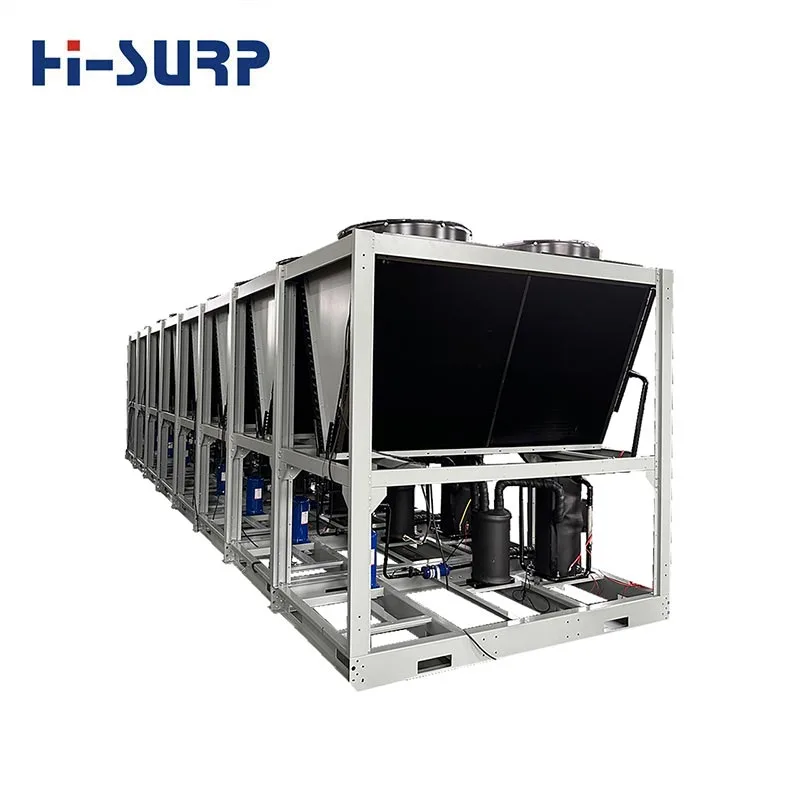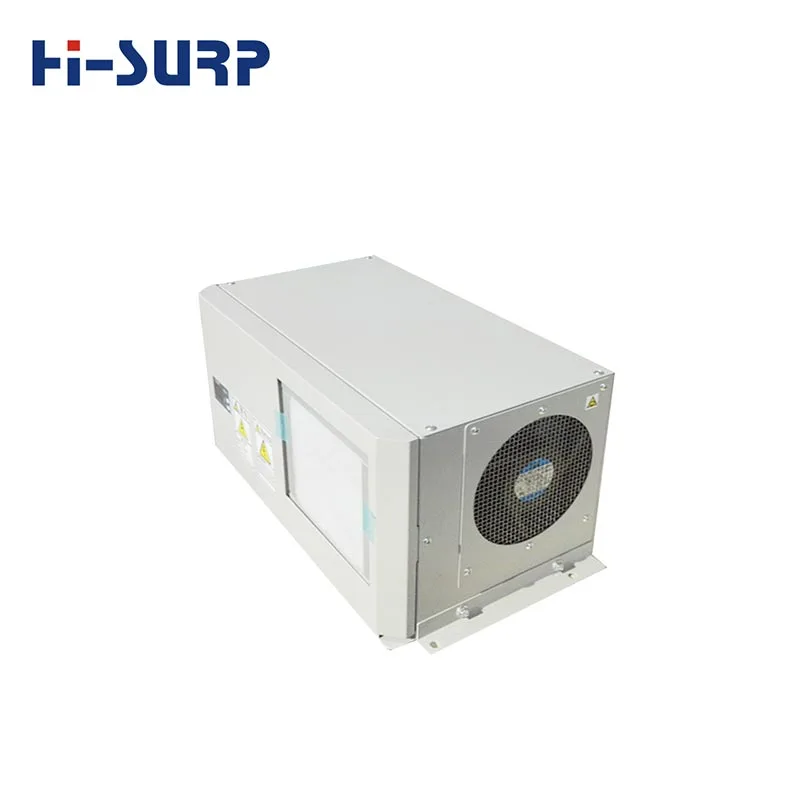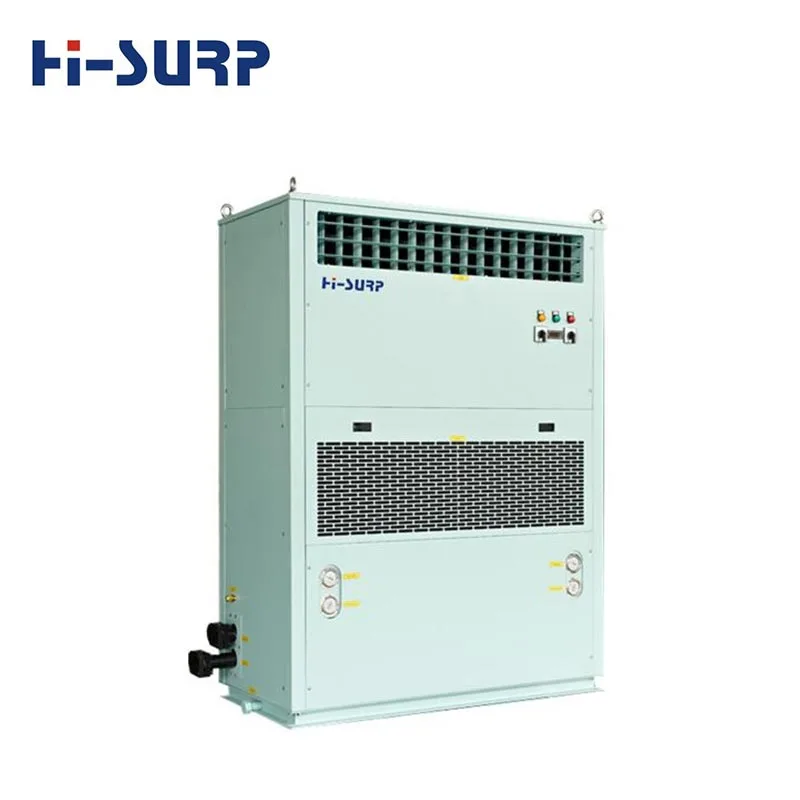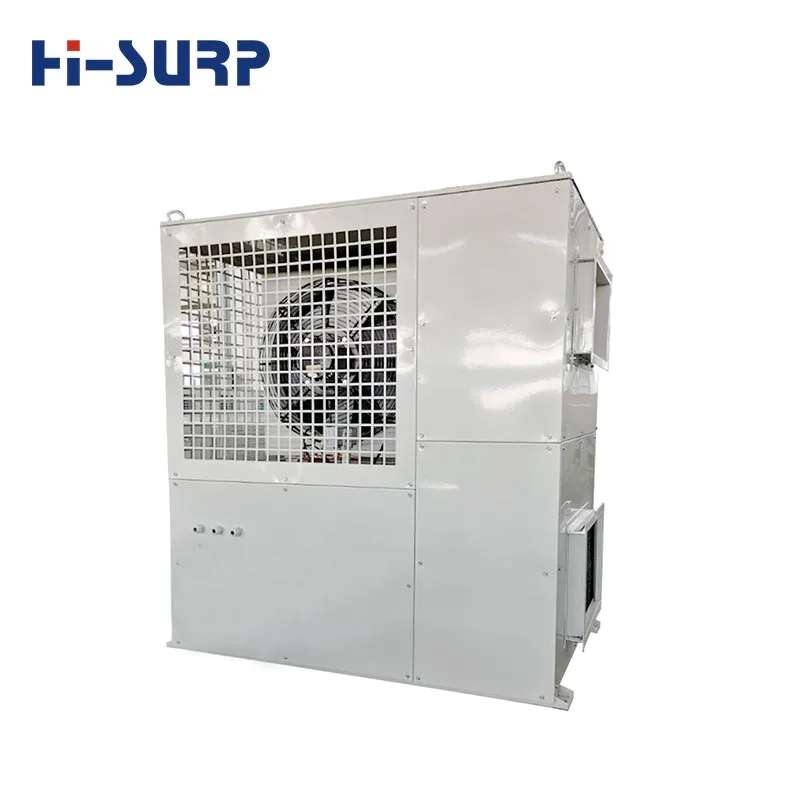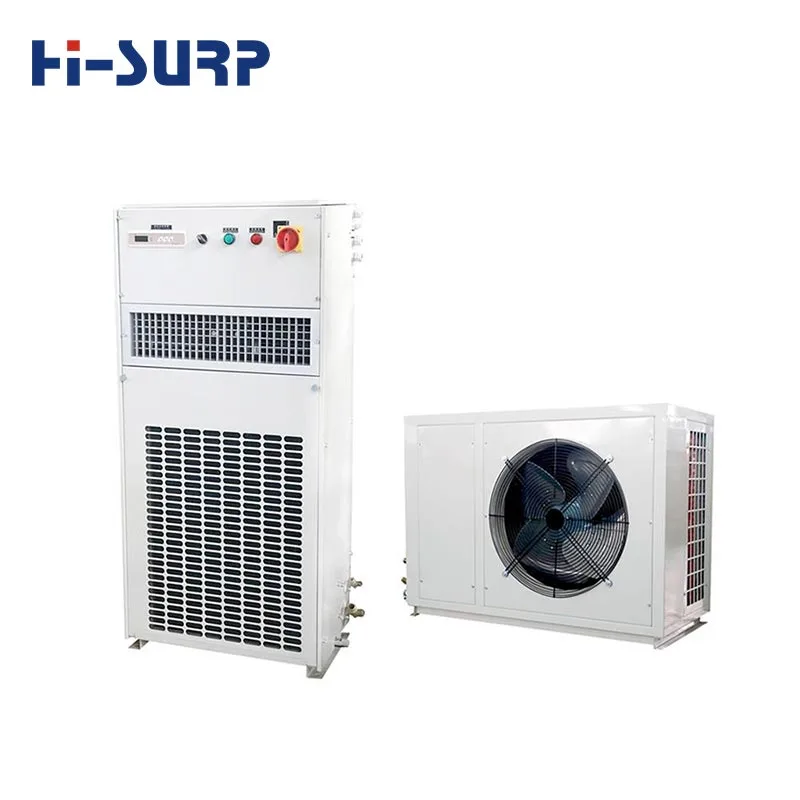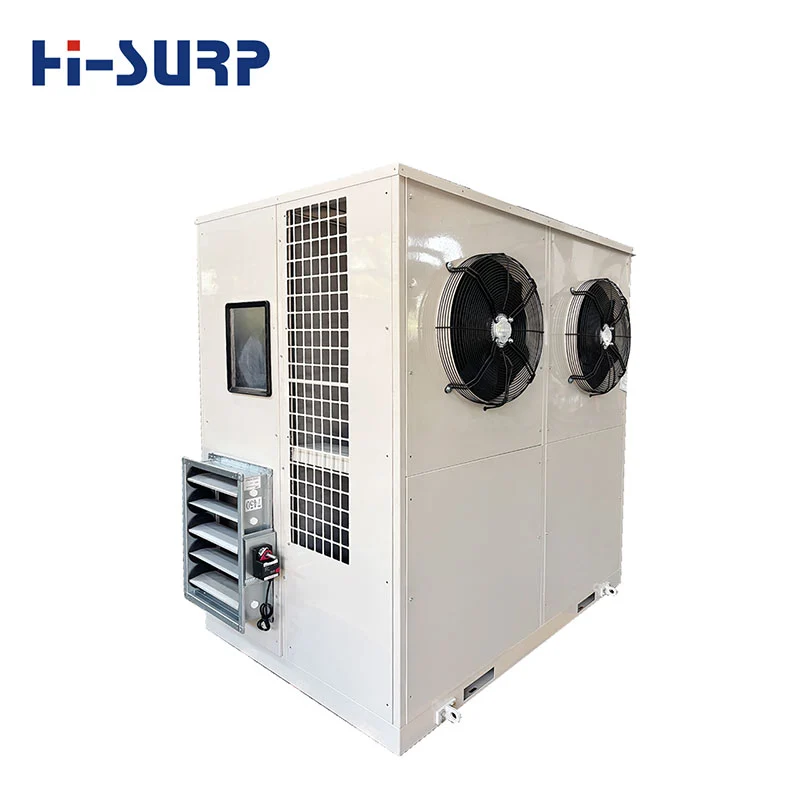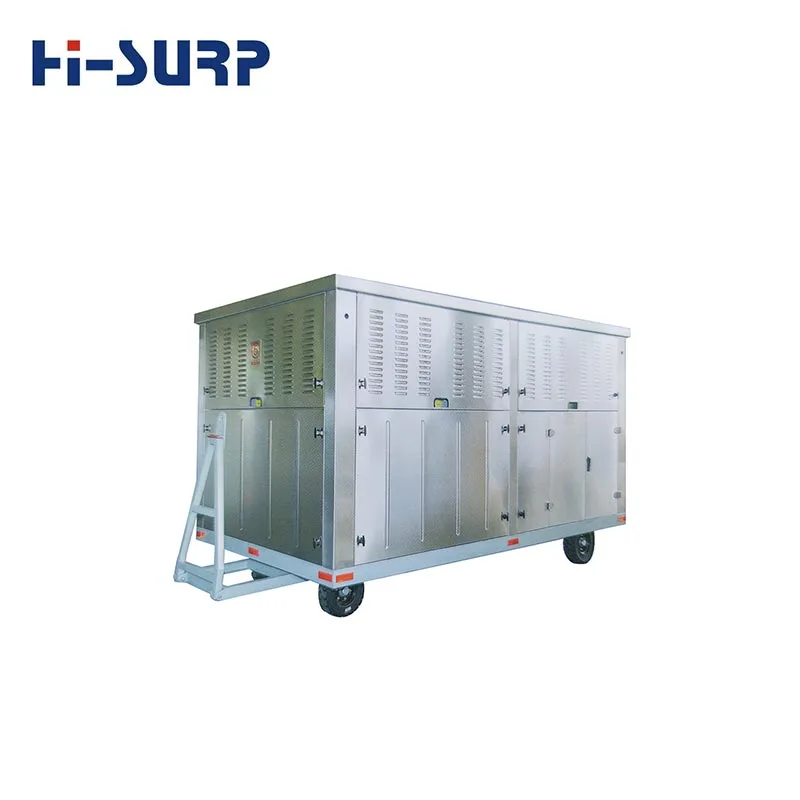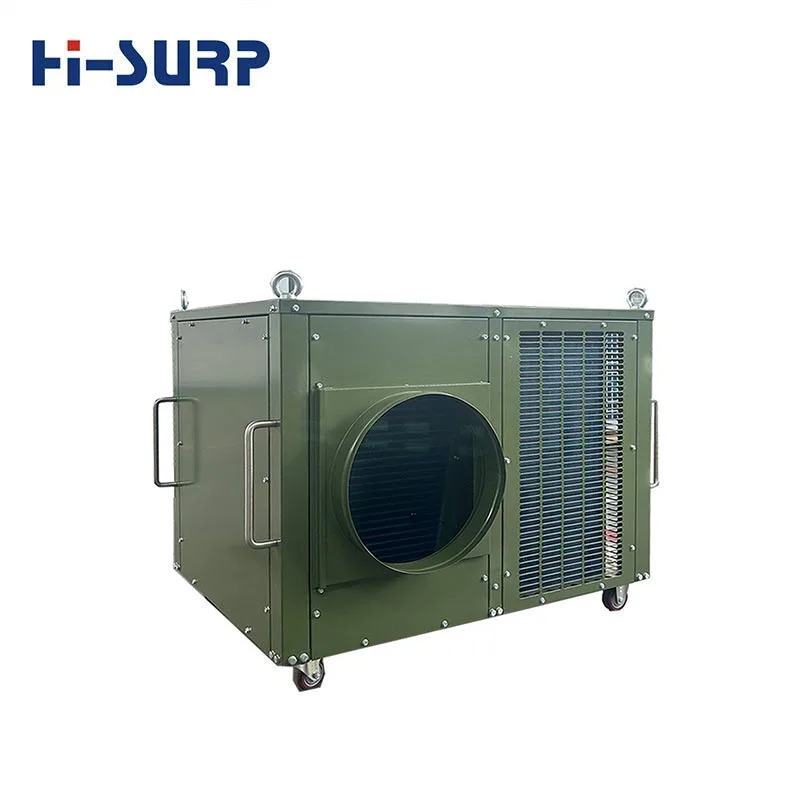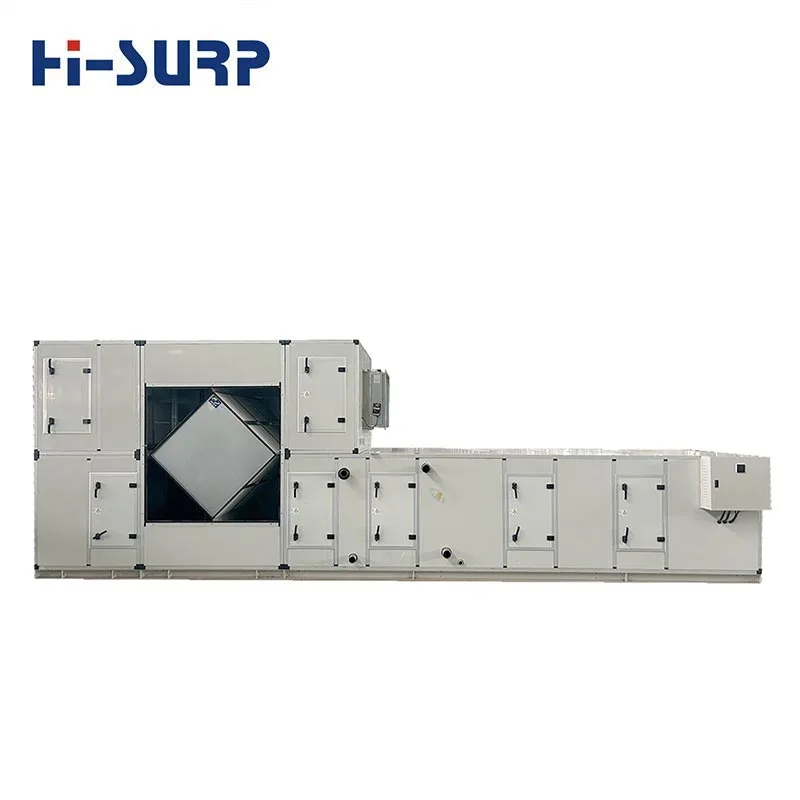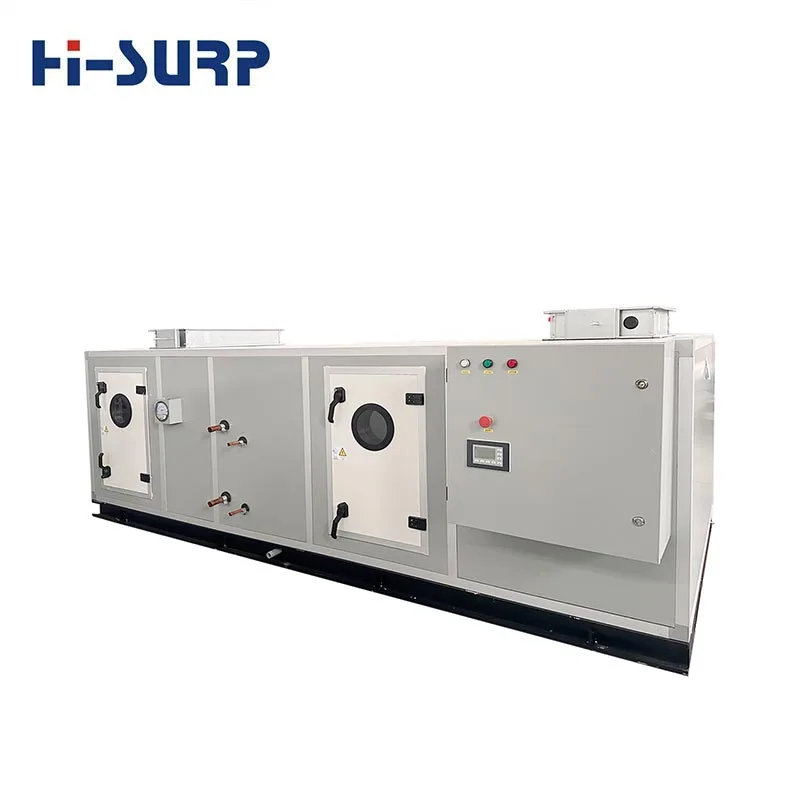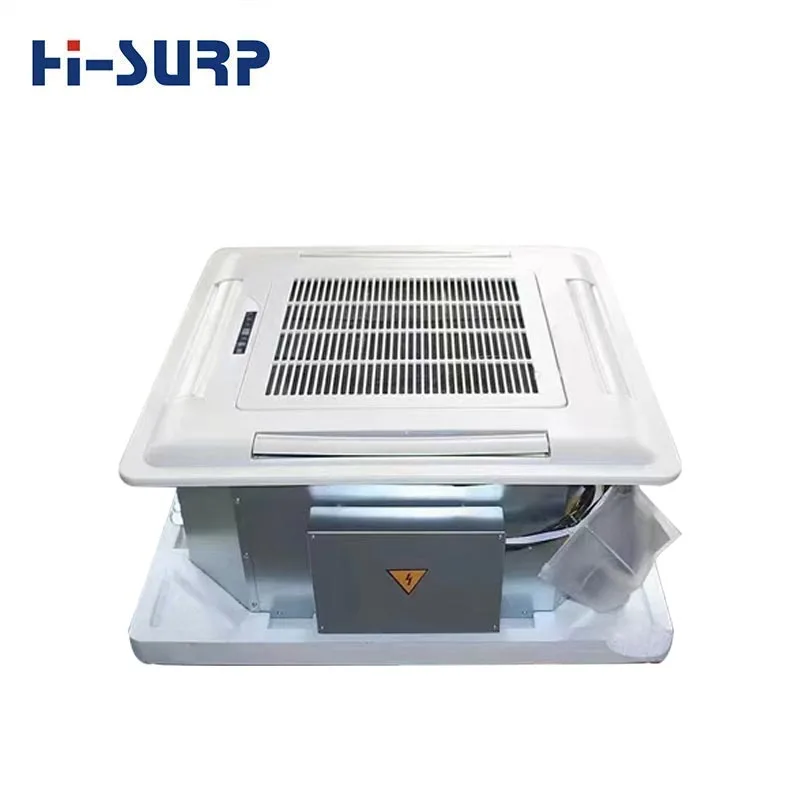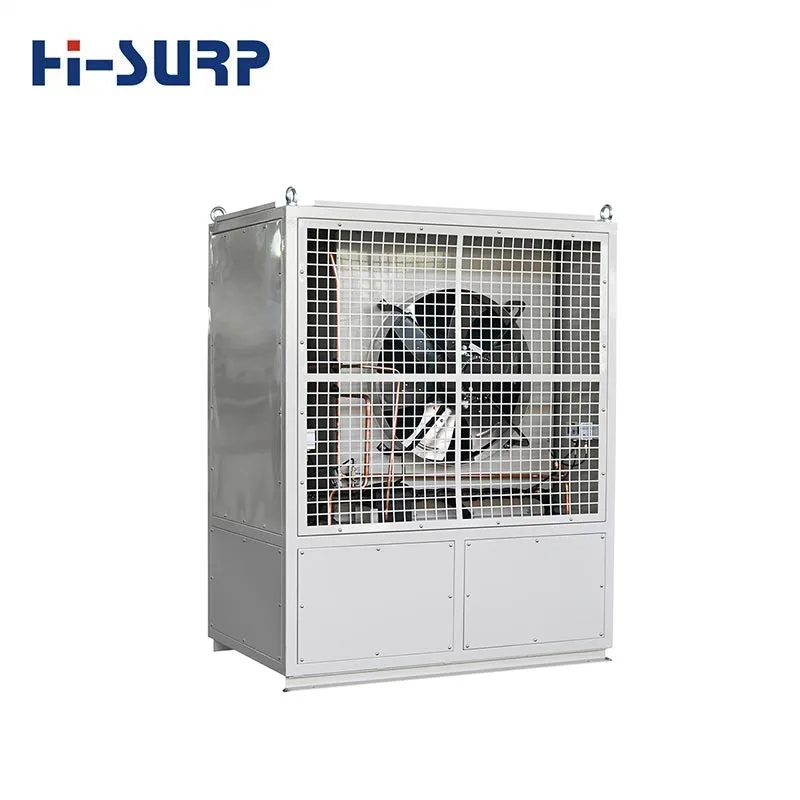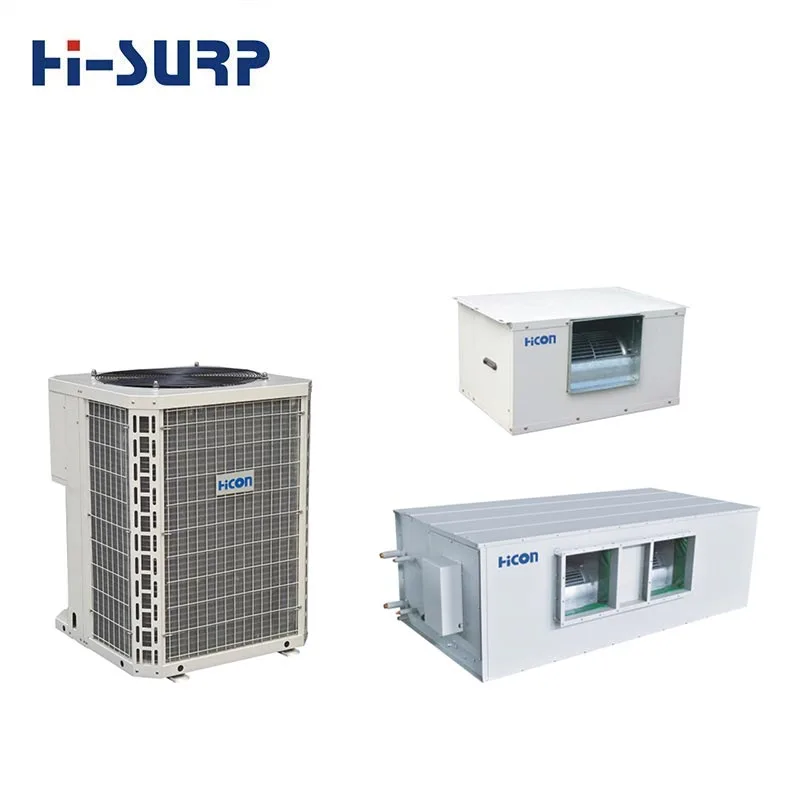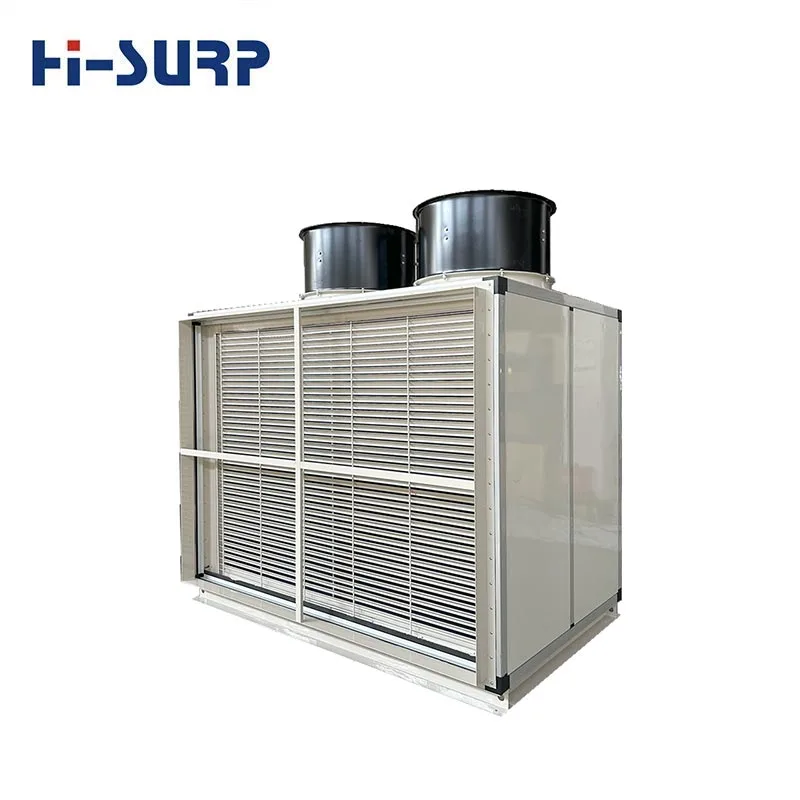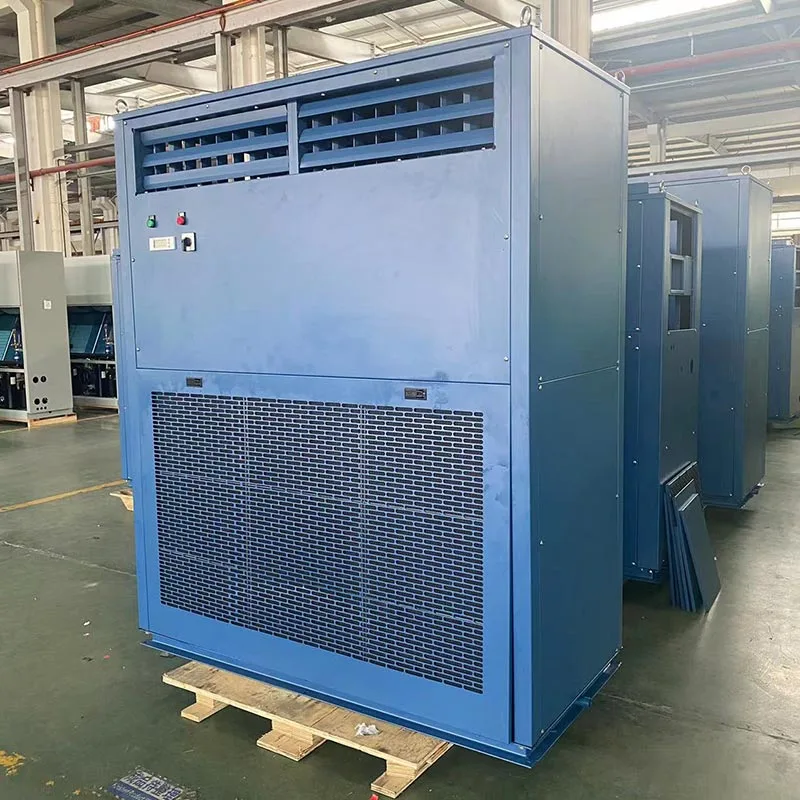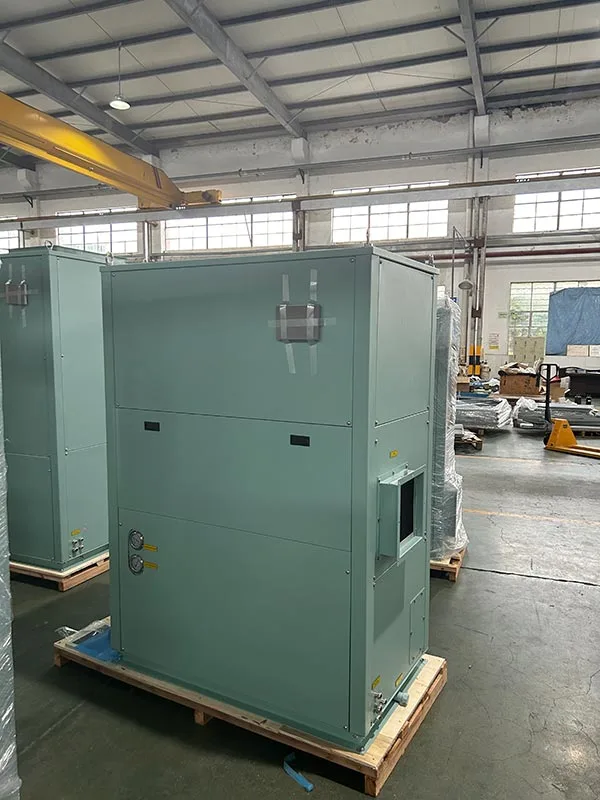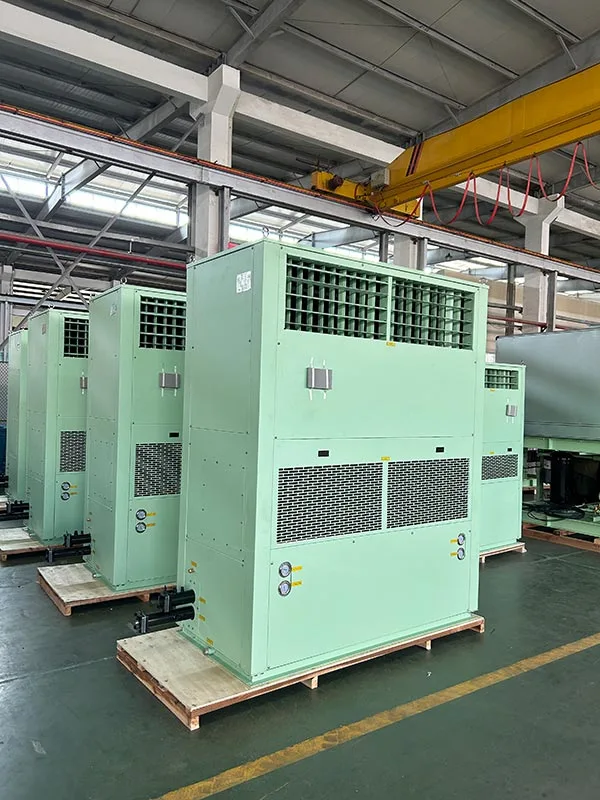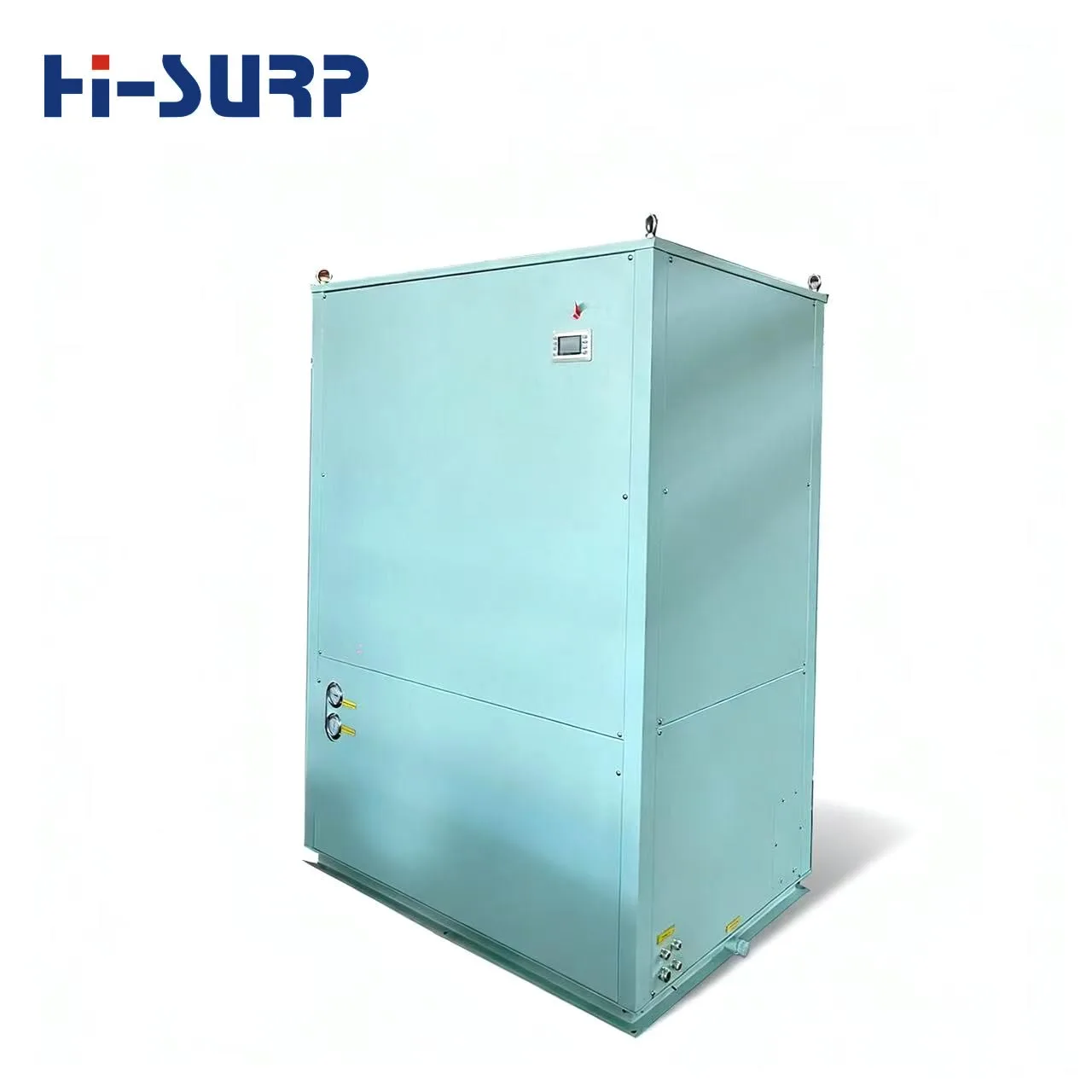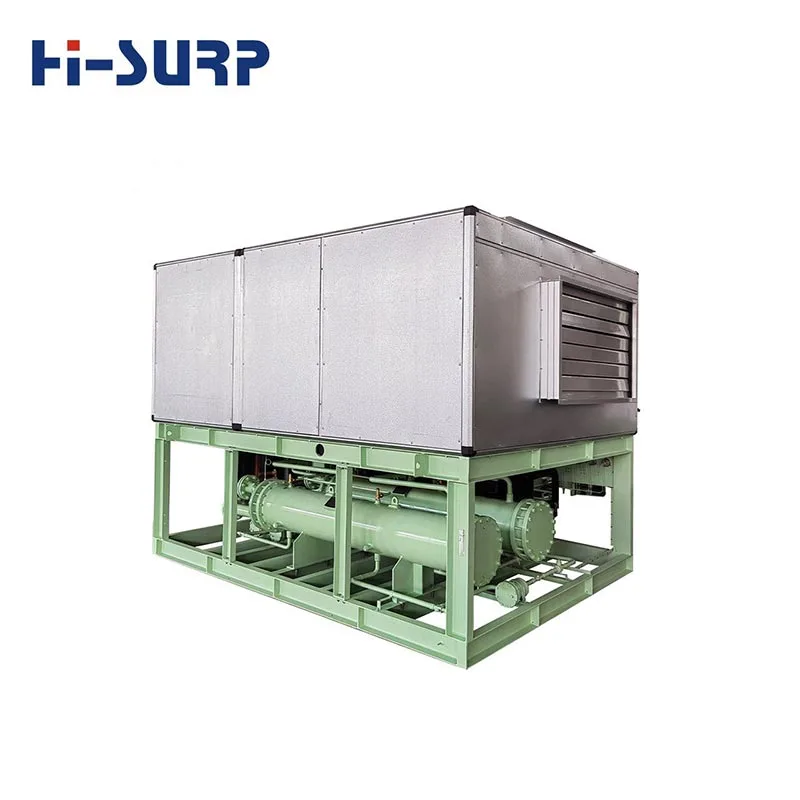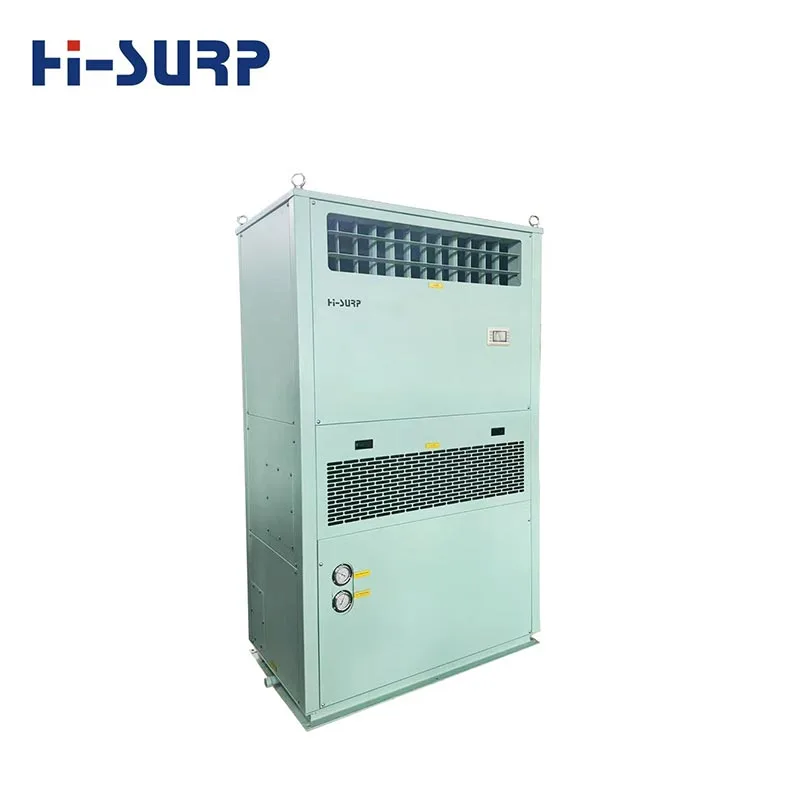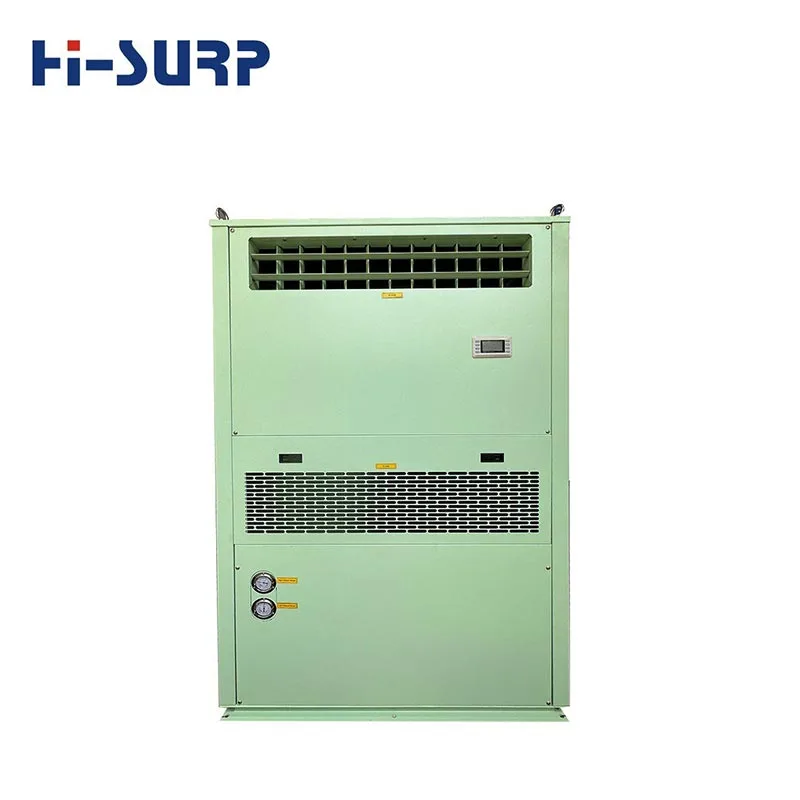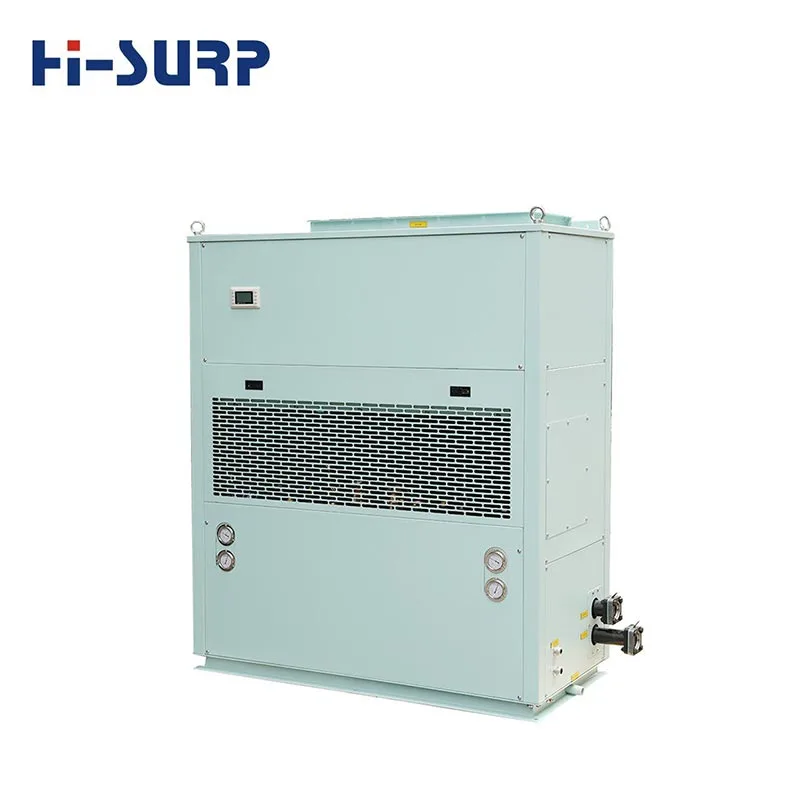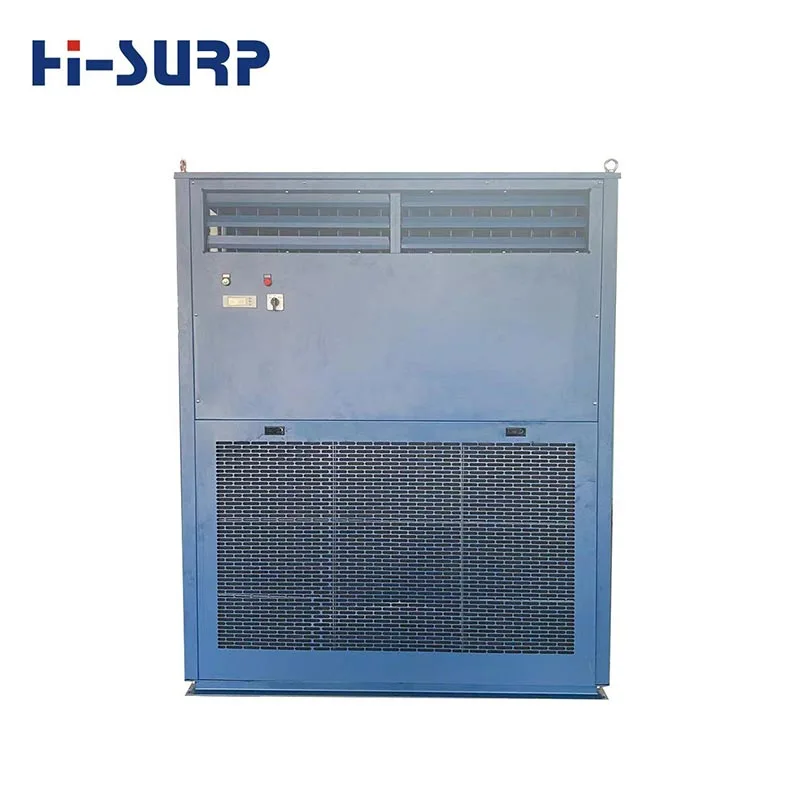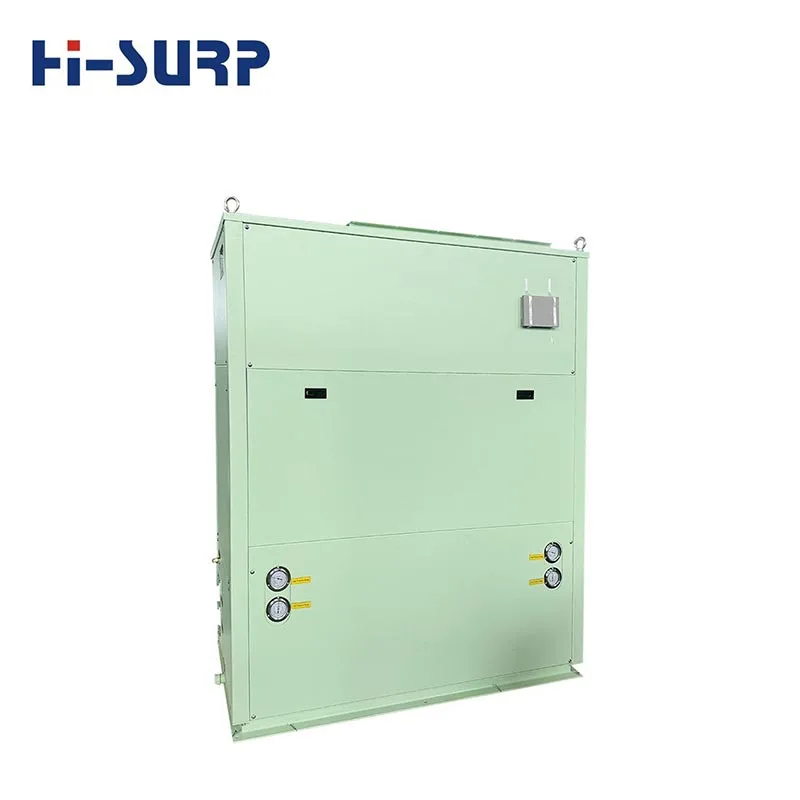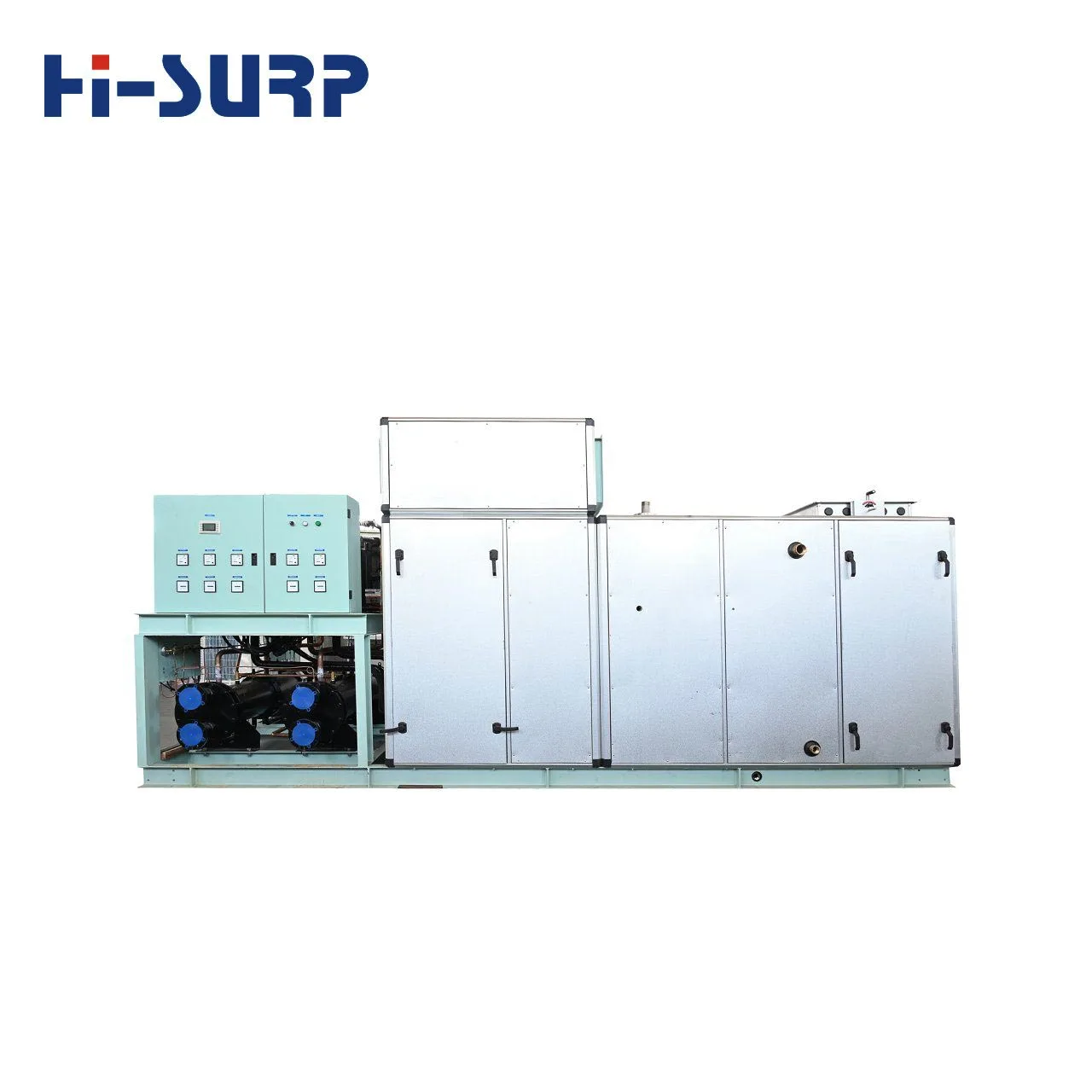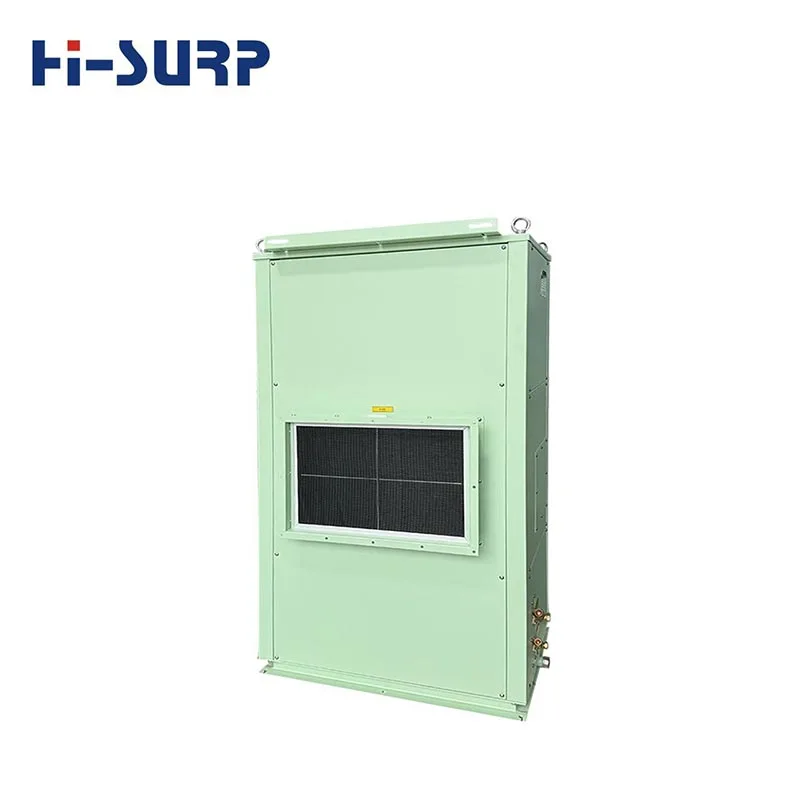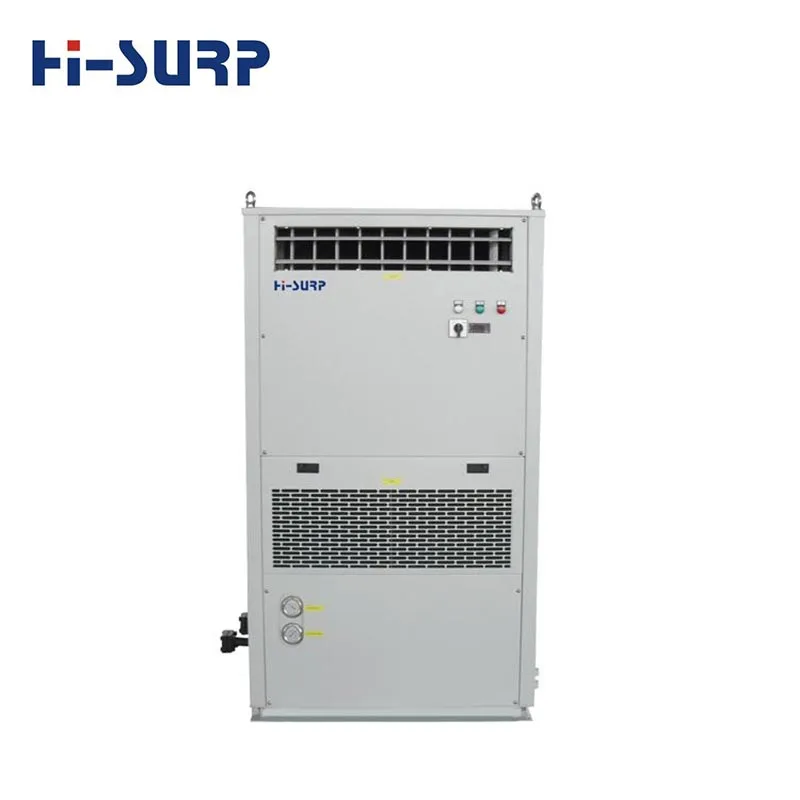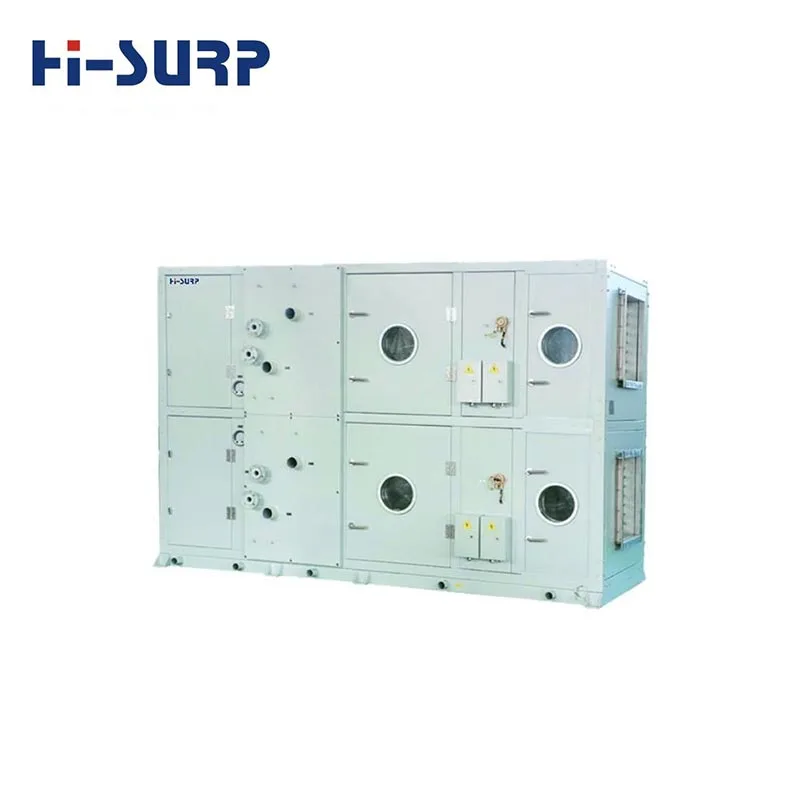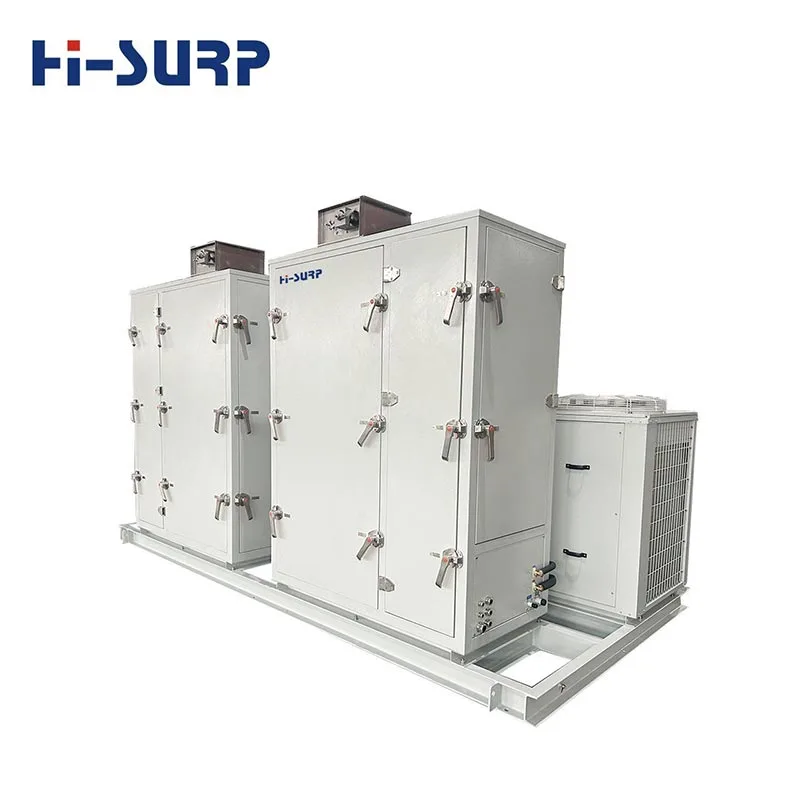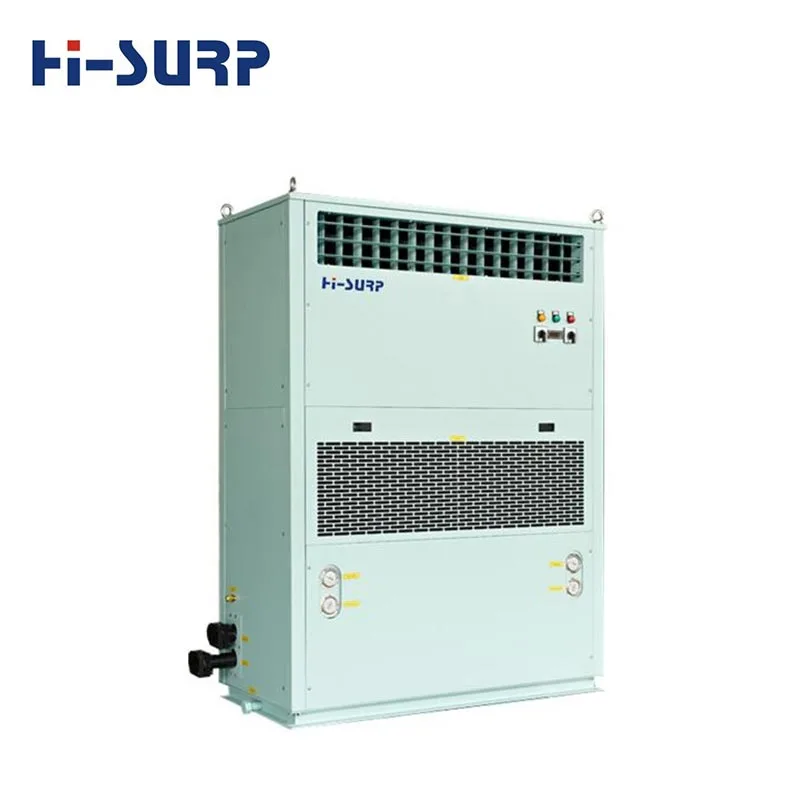
E-House Air Conditioner
A brief introduction of HISURP CAC series E-house Air Conditioners
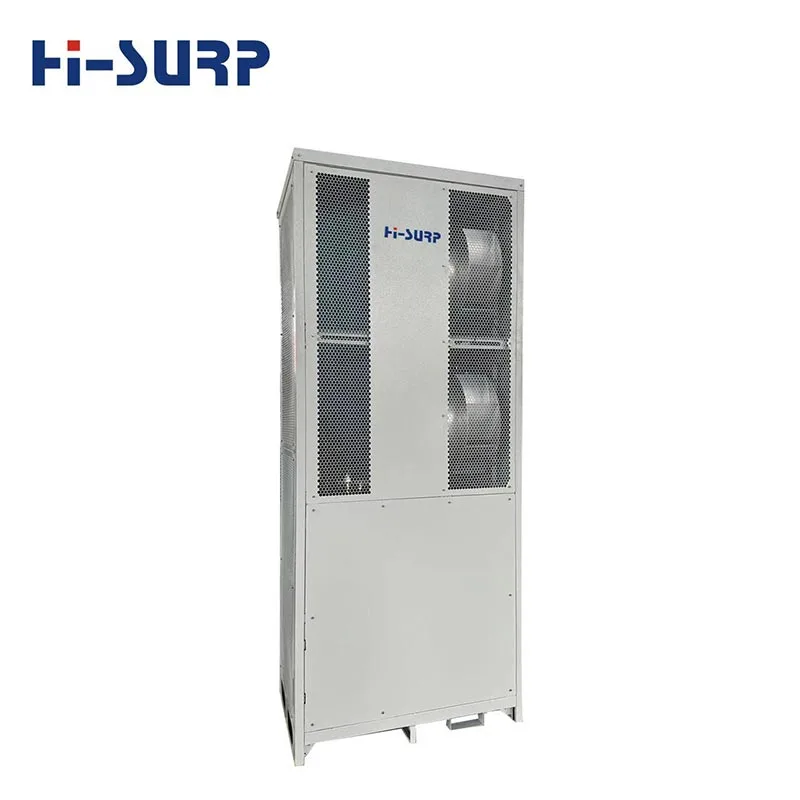
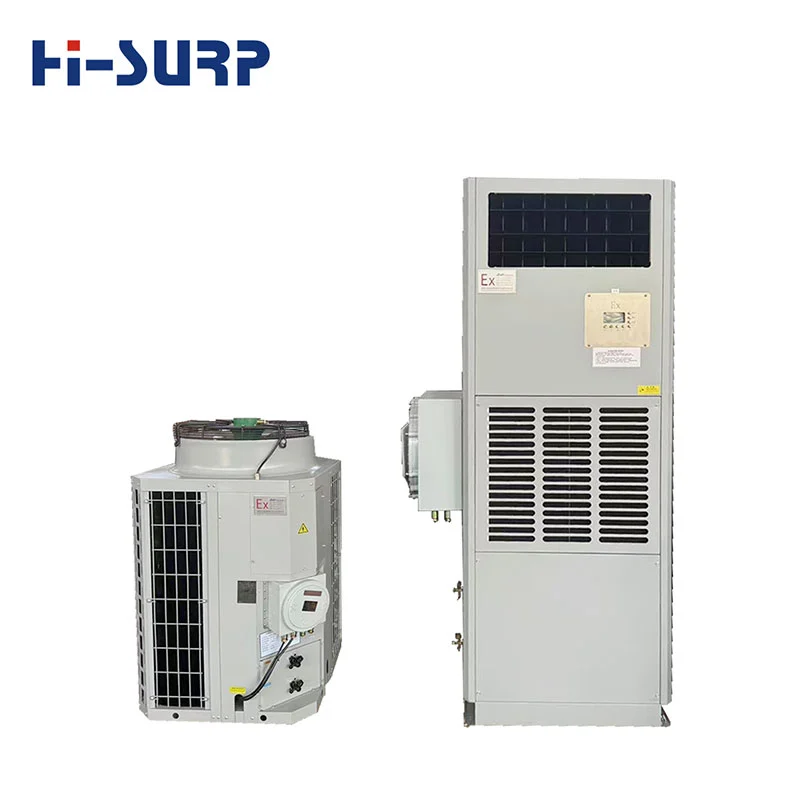
Energy Storage Air Conditioner
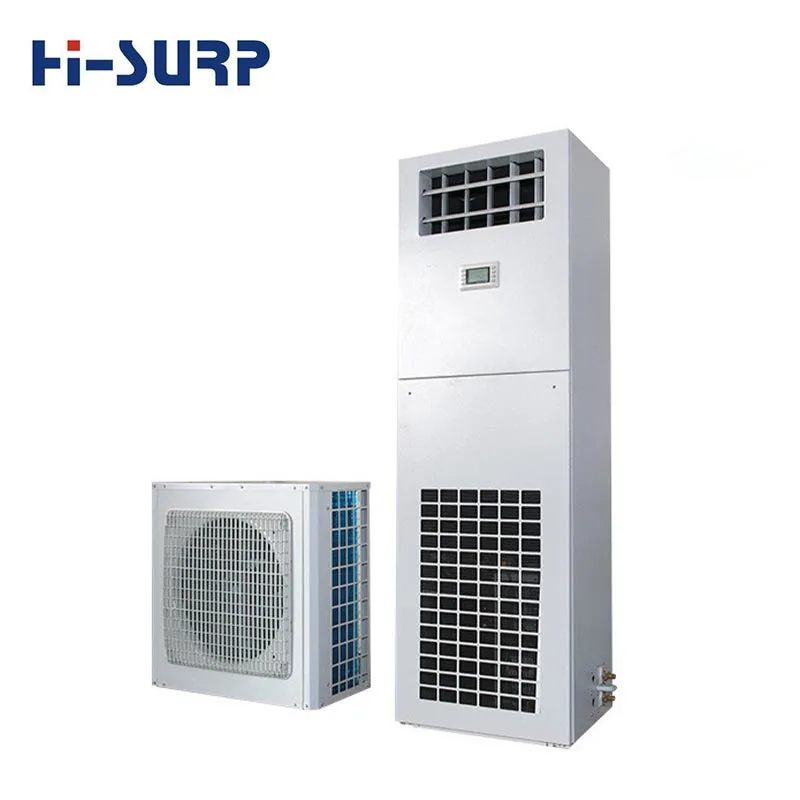
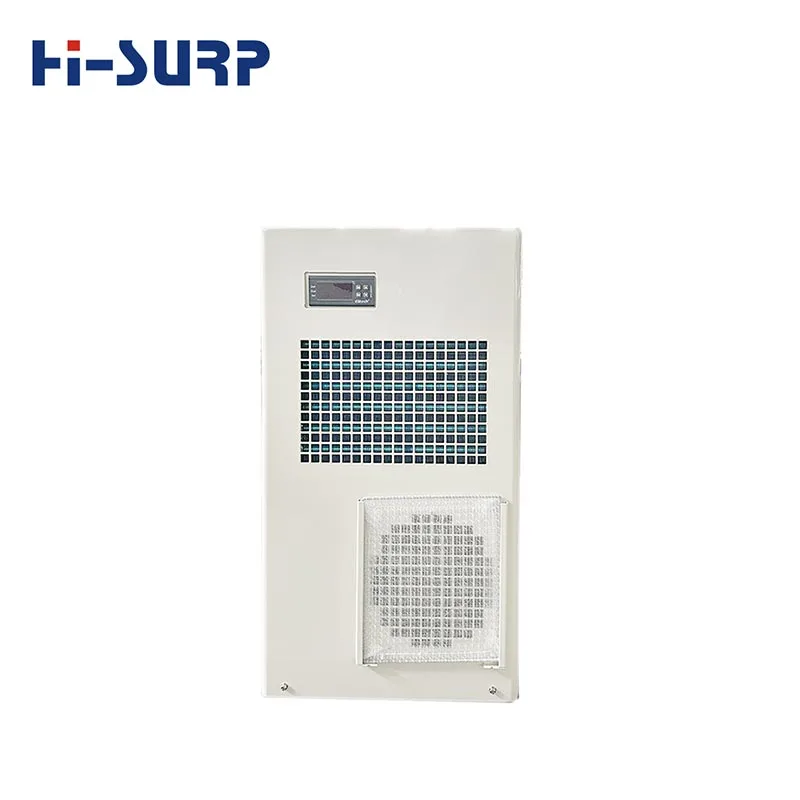
Telecom Air Conditioner

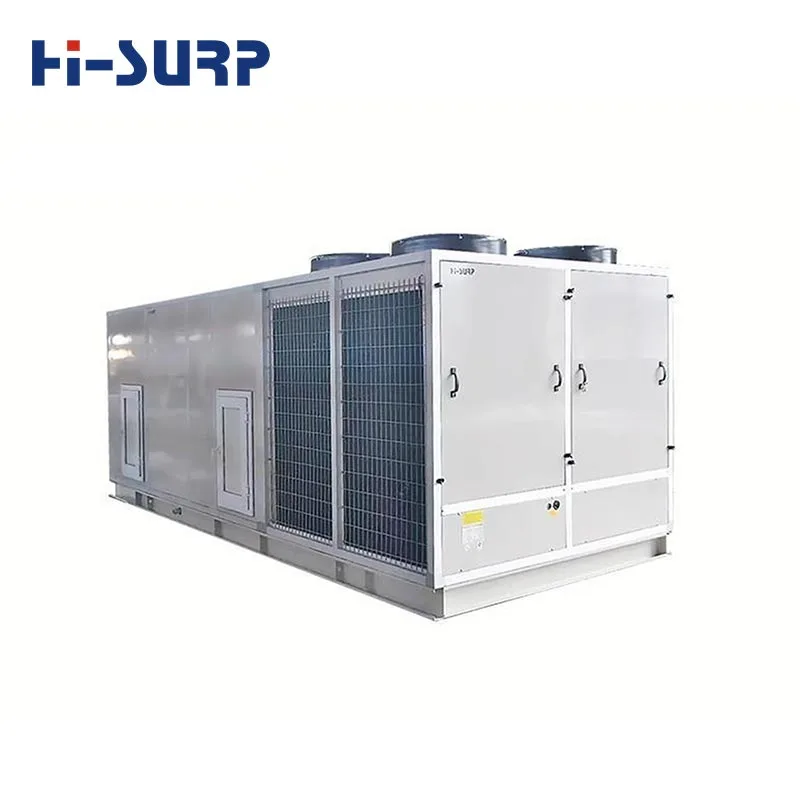
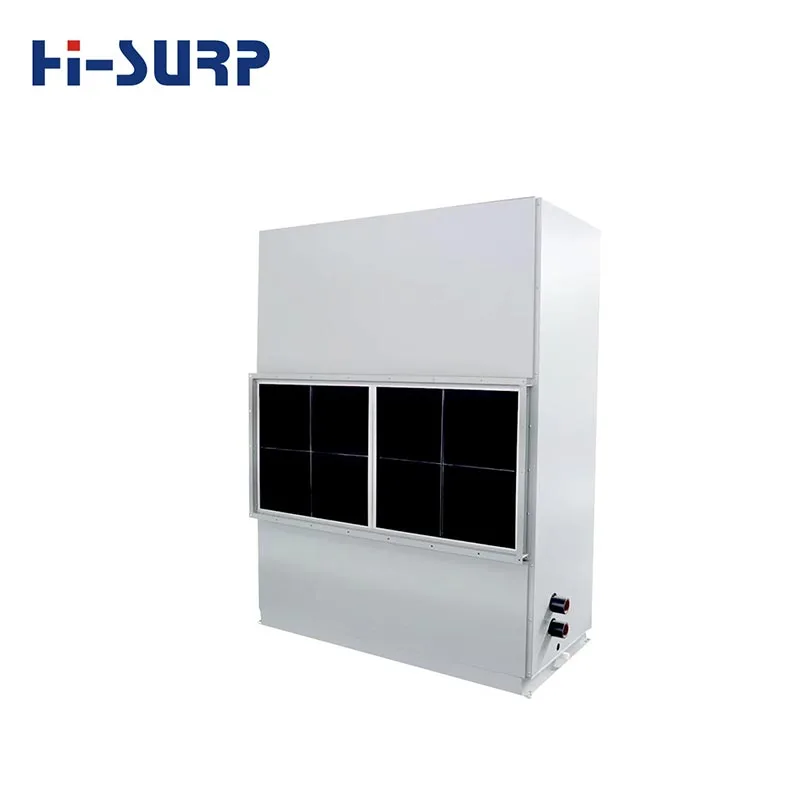
Rooftop Air Conditioner
As seasoned Rooftop Air Conditioner manufacturers, Hisurp is a reputable Chinese factory offering CE-certified products.
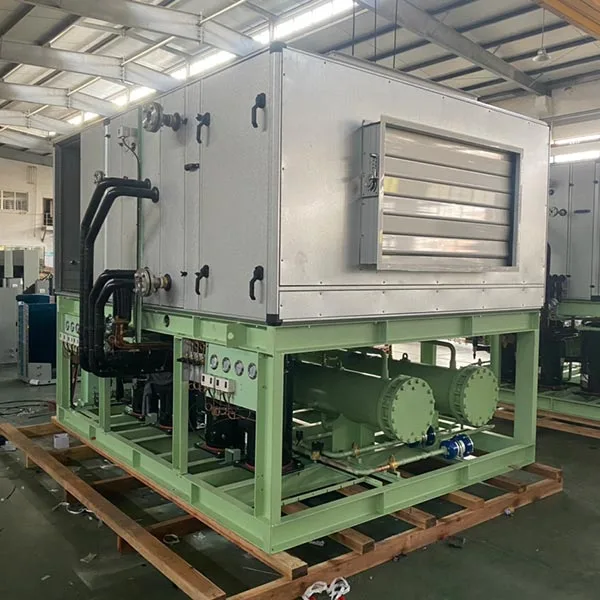
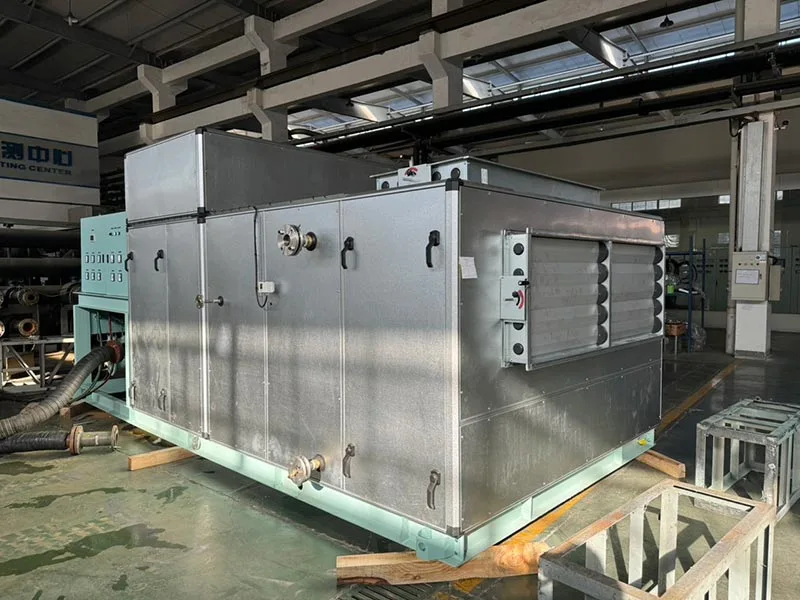
Adopting integrated design, the unit combines cooling, heating, ventilation and filtration. It runs steadily, installs effortlessly and cuts energy consumption by 20%-30%, backed by 15-year service life.
Customized solutions and complete after-sales support are accessible. We supply goods in bulk with competitive prices, perfectly fitting diverse building scenarios, serving as your preferred purchasing option.
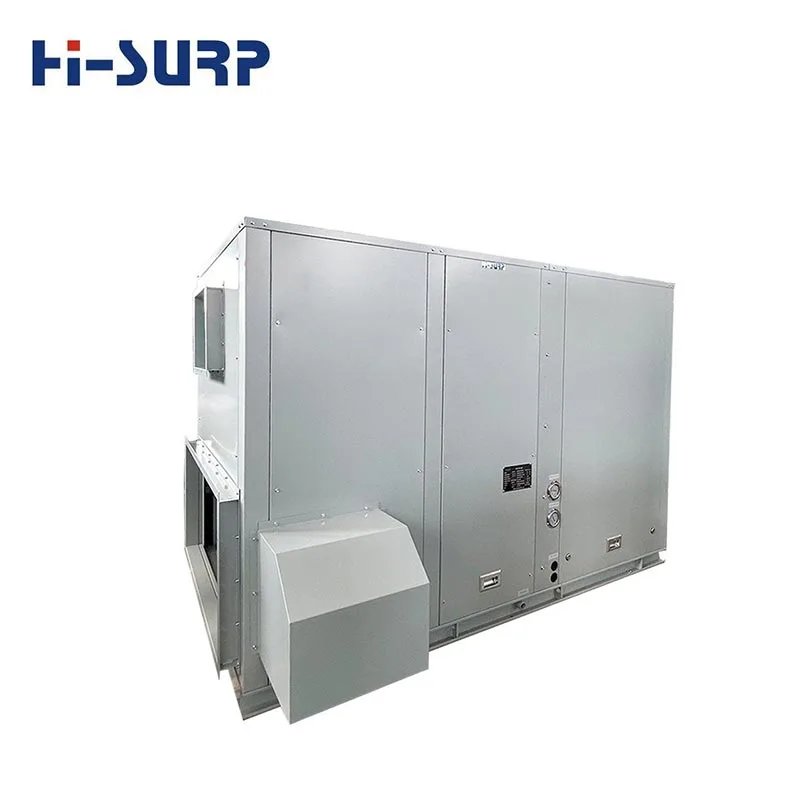
Rooftop Ac
Hisurp Rooftop AC adopts adaptive energy-saving control and DC frequency conversion motor. Ideal for workshops and computer rooms needing uninterrupted cooling, it utilizes free cooling to achieve up to 58% comprehensive energy saving. The unit operates steadily amid -40℃ to 48℃ wide temperature scope. Owning authoritative Certification of ISO9001, every unit undergoes full power-on test before shipment, guaranteeing durable stable performance and eco-friendly energy efficiency.
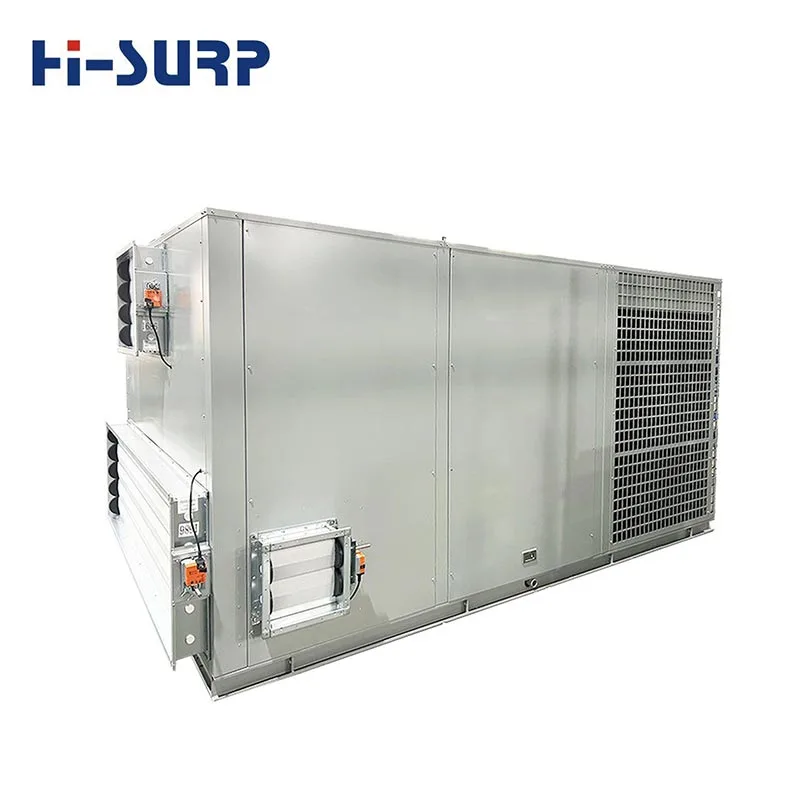
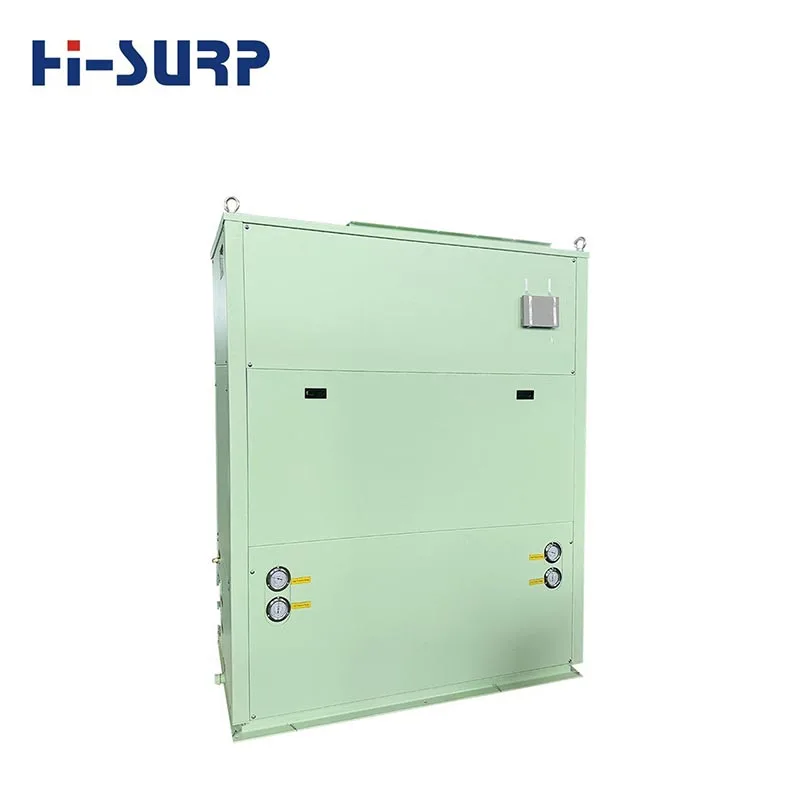
Packaged Air conditioner
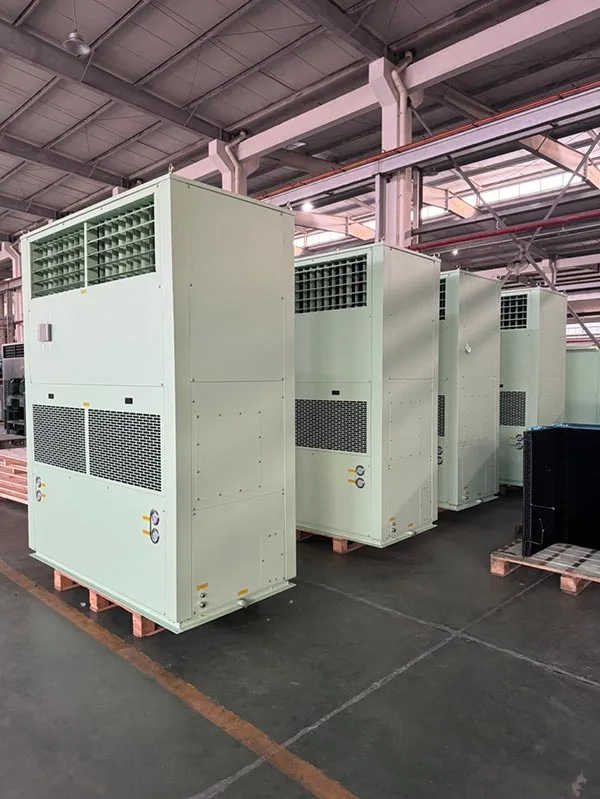
Hisurp delivers dependable Packaged Air Conditioner with stable factory production and solid quality assurance. Customized packaged air conditioner supports adjustable cooling capacity, size and functions, fitting multiple application occasions. All products come with 12-month warranty, thoughtful after-sales support to cut purchase risks. Featuring energy efficiency, low noise and easy installation, strictly inspected units are premium cooling choices.
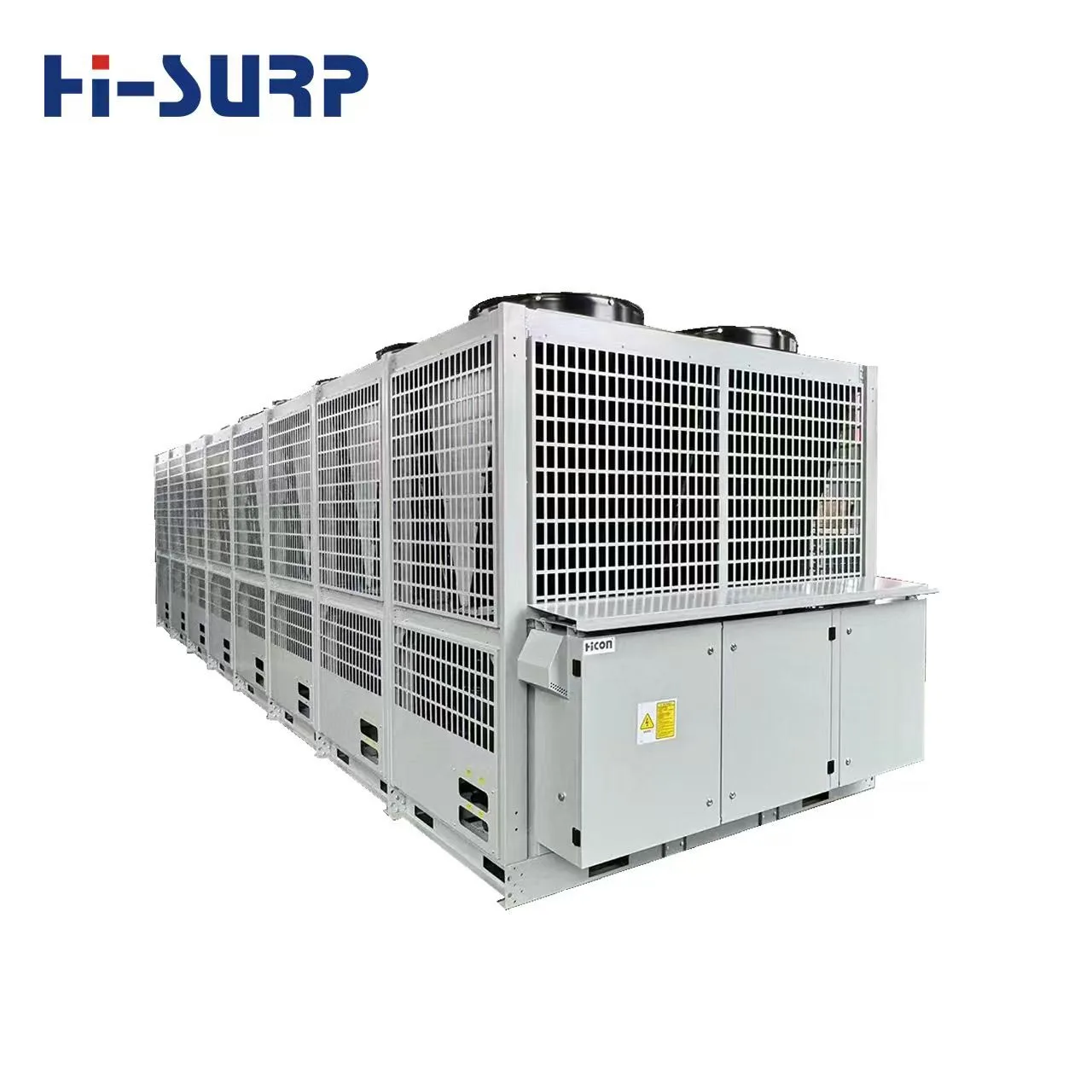
Packaged Unit
Hisurp supplies advanced Packaged unit as all-in-one HVAC equipment. It integrates core components into compact body, realizing fast installation and effortless maintenance. Sturdy quality verified by strict factory tests ensures steady operation, energy conservation and long service lifespan. Adaptable to harsh working conditions with strong anti-interference capability, it cuts daily power consumption and operating expenses. The integrated structure saves occupied space and shortens construction period, perfectly meeting heating and cooling demands of commercial, industrial and public venues.

Air Cooled Precision Air Conditioner

Water Cooled Precision Air Conditioner
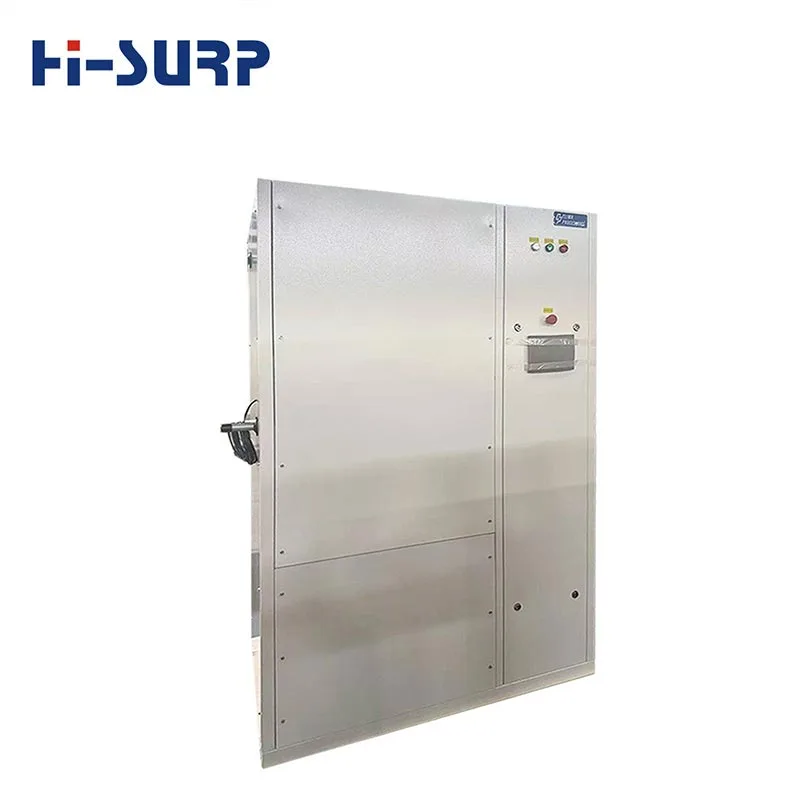
Dual Coil Precision Air Conditioner

Air Cooled Scroll Chiller

Air Cooled Screw Chiller
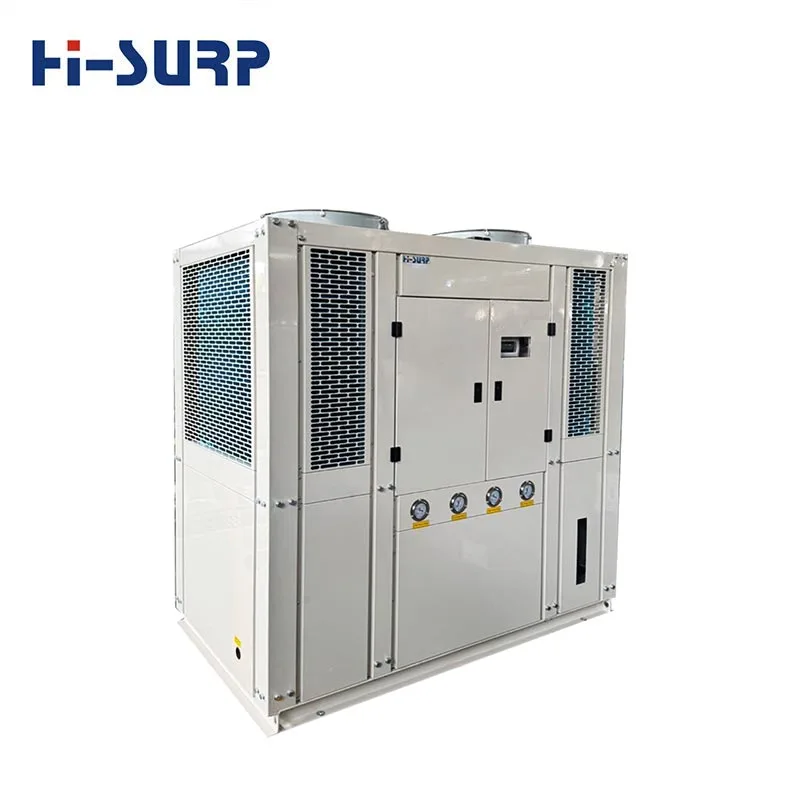
Water Cooled Scroll Chiller
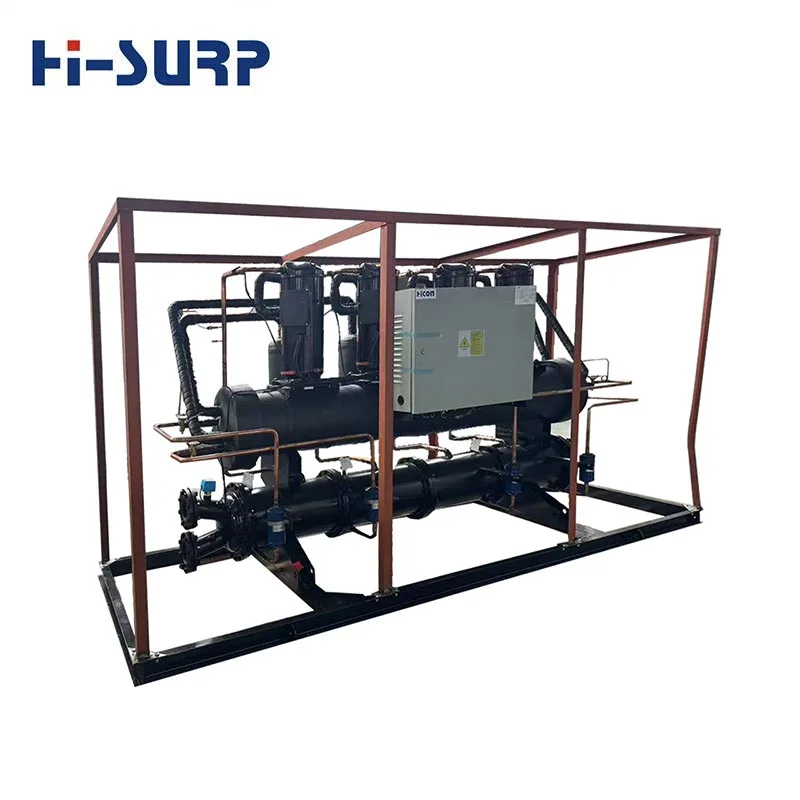
Water Cooled Screw Chiller

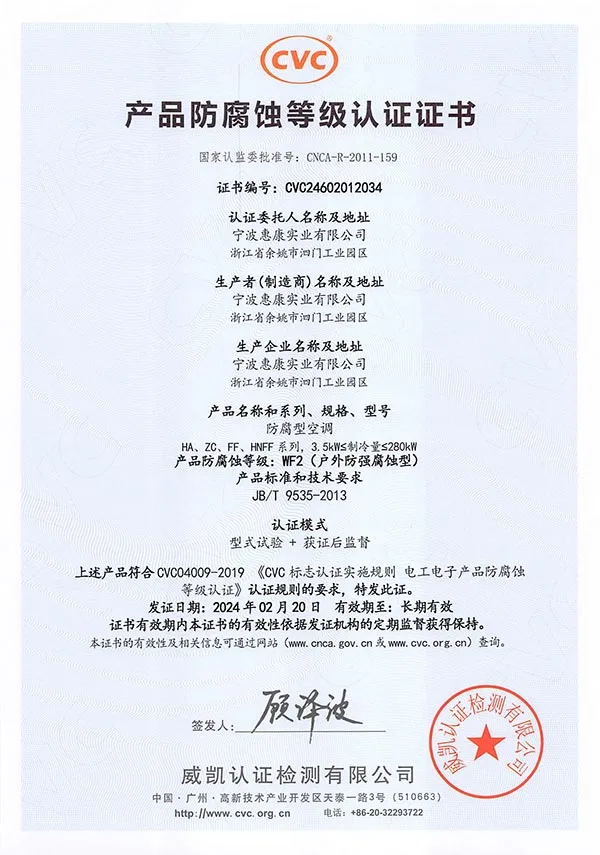
Corrosion-Resistant Air Conditioner
Hisurp Corrosion-Resistant Air Conditioner is a type of air conditioning system designed to be enhanced for corrosive environments (especially marine, chemical, salt spray, and high humidity environments).
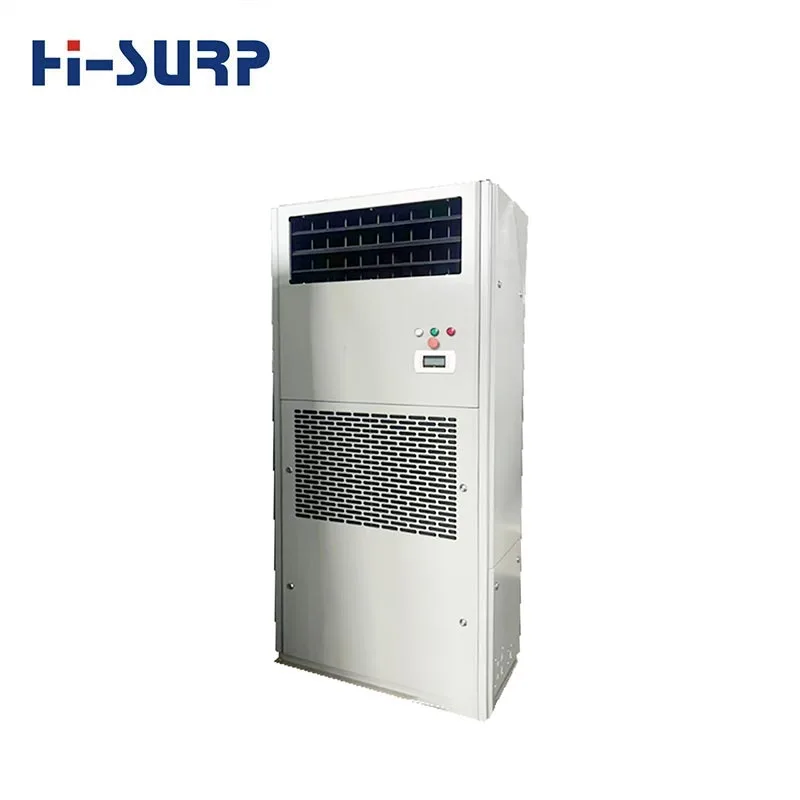
Earthquake-Resistant Air Conditioner
Based on the design concept of "prevention first", Hisurp earthquake-resistant air conditioner uses a series of advanced measures that exceed conventional standards to minimize the risk of damage to the air conditioning system caused by earthquakes, and ensure environmental control and business continuity in critical locations.
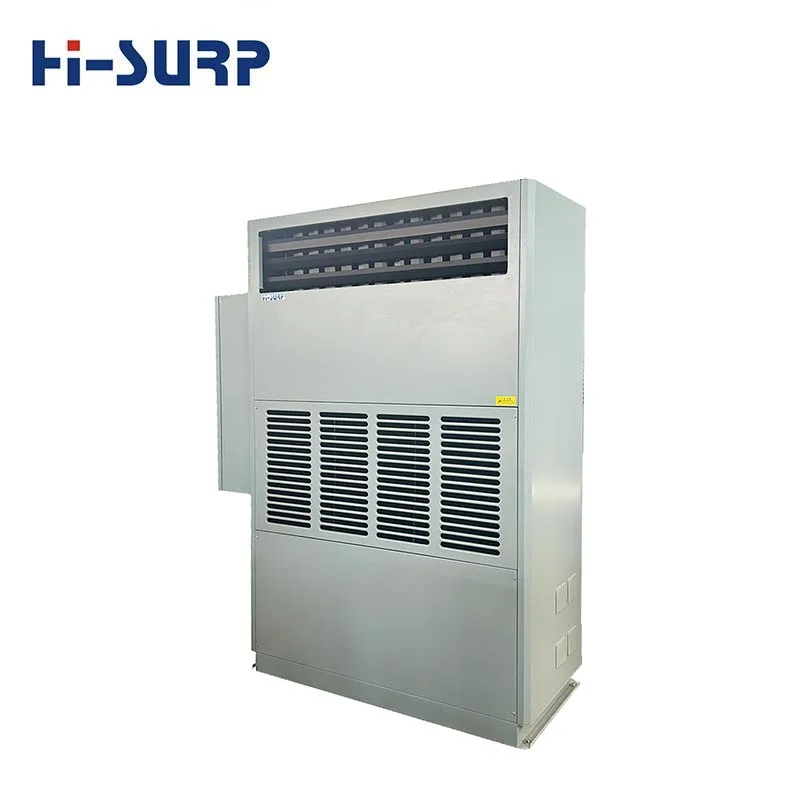
Magnetic-Resistant Air Conditioner
Hisurp Magnetic-Resistant Air Conditioner is an industrial air conditioner designed specifically for strong magnetic field environments. Through a multi-layer shielding system, it ensures stable and durable operation of the unit in a magnetic field environment of ≥2000GS.
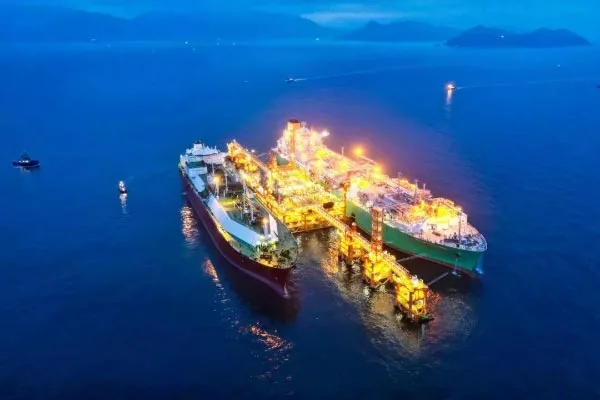
HISURP provides professional marine HVAC and refrigeration solutions for ships, offshore platforms, drilling platforms, marine cabins, technical rooms, control rooms, accommodation areas and vessel equipment spaces. Backed by Ningbo Hicon Industry, a specialized industrial air conditioner manufacturer with refrigeration experience dating back to 1972, HISURP focuses on reliable temperature and humidity control for harsh marine environments where salt spray, humidity, corrosion, vibration, inclination and limited maintenance access are constant challenges.
A Marine Air Conditioner is not simply a land-based air conditioner installed on a vessel. It must be engineered for sea conditions. Marine HVAC equipment needs to operate safely when the ship is rolling, pitching, vibrating or exposed to high-salt, high-moisture air. It also needs to protect onboard personnel, electrical equipment, precision instruments and mission-critical vessel systems. For shipyards, offshore operators and marine equipment integrators, the real purchasing question is not only “How much cooling capacity do I need?” but also “Can this unit survive corrosion, movement, limited space and long-term operation at sea?”
A marine AC unit is a refrigeration system designed specifically for shipboard or offshore use. Its working principle is similar to ordinary vapor-compression refrigeration, but its component selection, anti-corrosion treatment, compressor lubrication design, condenser structure, electrical protection and serviceability must be adapted to marine operating conditions. HISURP marine units can be configured with air-cooled or seawater-cooled condensation, direct air supply, ducted air supply, full return air, full fresh air, top discharge, direct discharge, electric heating or steam heating coil options.
Marine operating conditions create technical risks that ordinary commercial air conditioners usually do not address:
High salt spray and humidity: Marine air accelerates corrosion on sheet metal, heat exchangers, fasteners, motors and electrical parts.
Inclination and rolling: Compressors must maintain oil supply when the vessel tilts, rolls or pitches. Poor lubrication can seriously damage the compressor.
Corrosive cooling medium: Seawater-cooled systems must resist strong seawater corrosion and prevent galvanic corrosion.
Limited onboard maintenance: A vessel may operate far away from shore, so panels, filters, gauges and service access must be practical.
Noise and vibration control: Accommodation areas, control rooms and technical spaces require stable, low-vibration operation.
Electromagnetic interference control: Marine electrical systems may require filtered motors and protected control components.
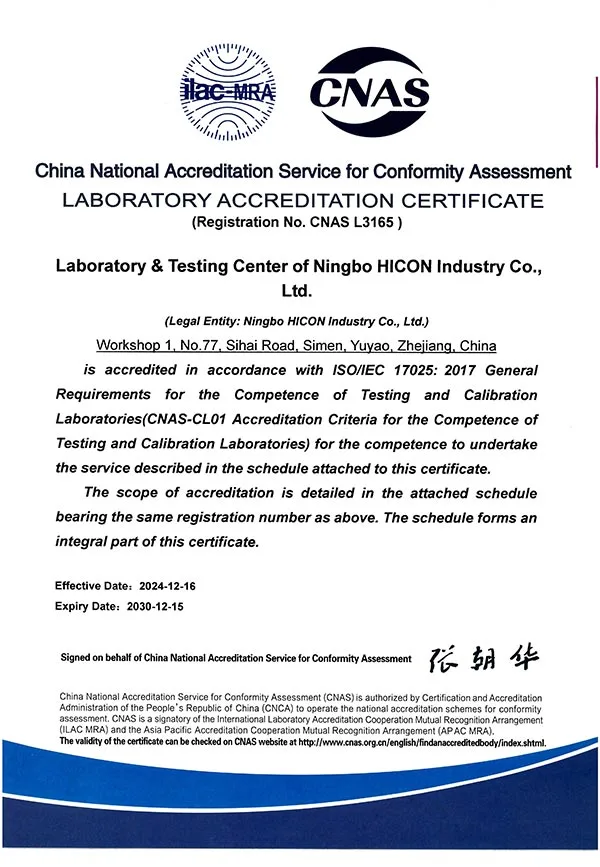
HISURP is supported by Ningbo Hicon Industry, located in Simen Industrial Park, Yuyao, Zhejiang Province. The manufacturing base covers over 150,000 m², with more than 400 employees, complete production lines, imported equipment, national-class CNAS laboratories, enthalpy difference test rooms, noise and vibration test rooms and heat balance testing facilities.
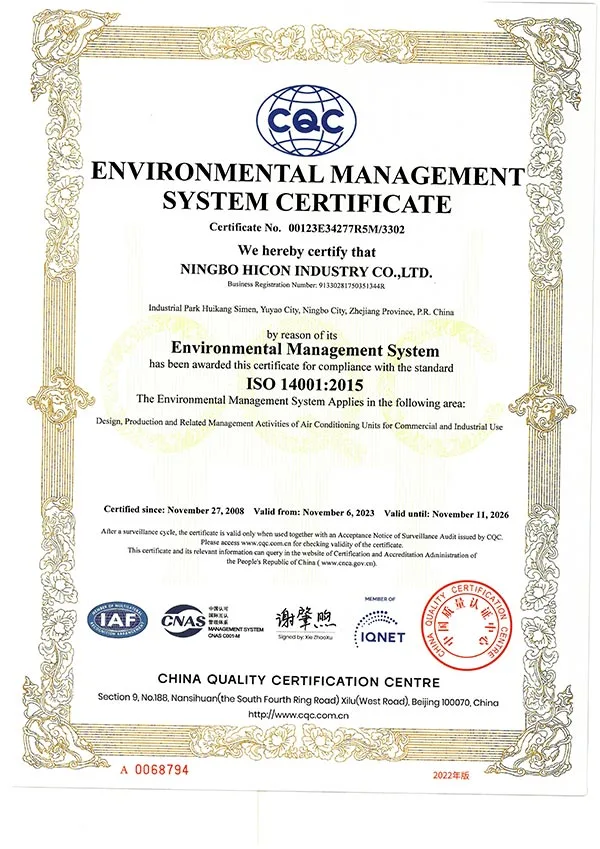
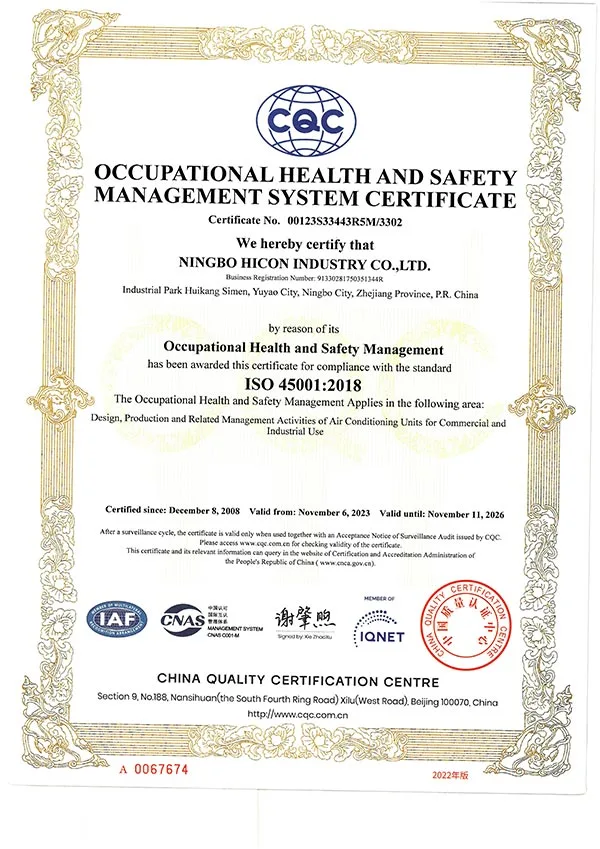
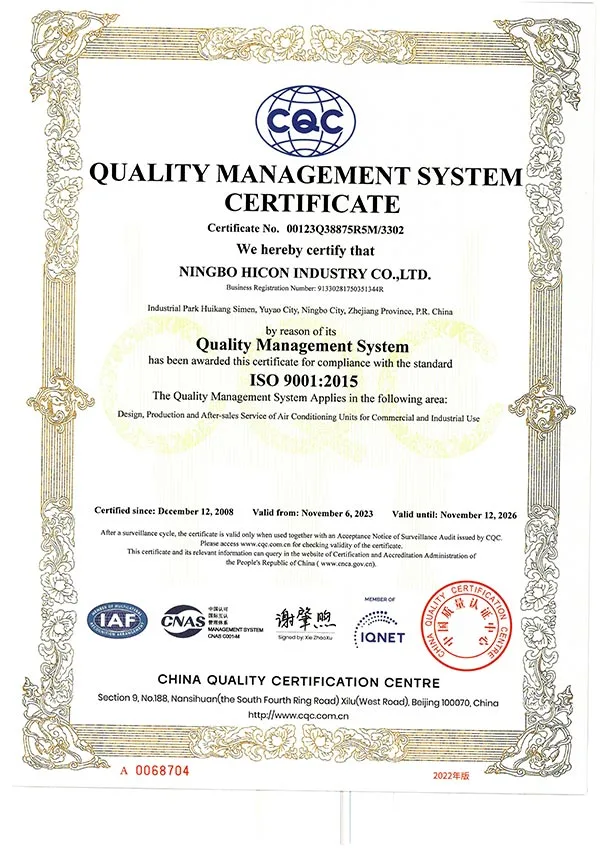
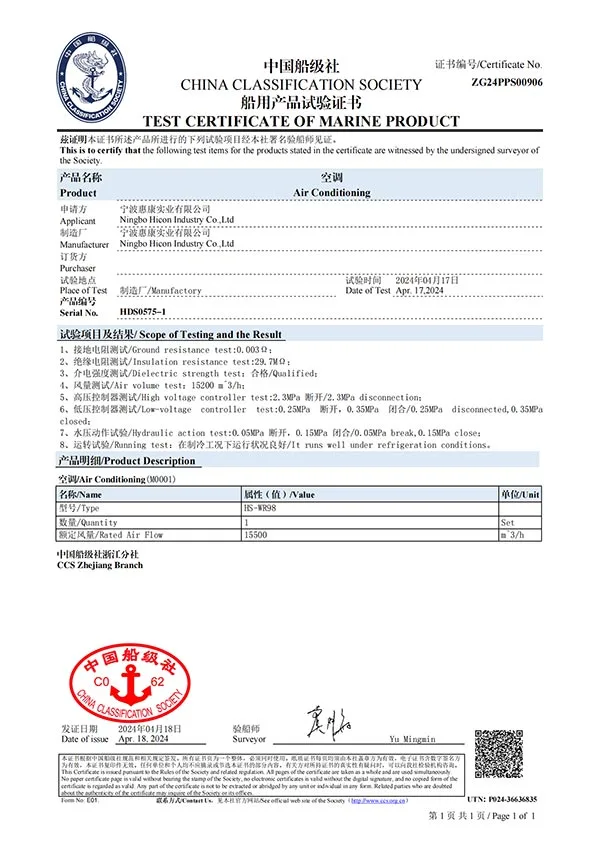
The company has obtained 123 patents and has passed ISO9001, ISO14001, ISO45001, CE, UL, CRAA, CCS, China 3C, anti-corrosion certification and other quality or product certifications. Hicon has also participated in national standards such as GB/T17758-2023 and GB/T18430.1-2024. This is important because marine HVAC procurement usually involves high project value, long delivery cycles, engineering review, technical documentation and after-sales responsibility.
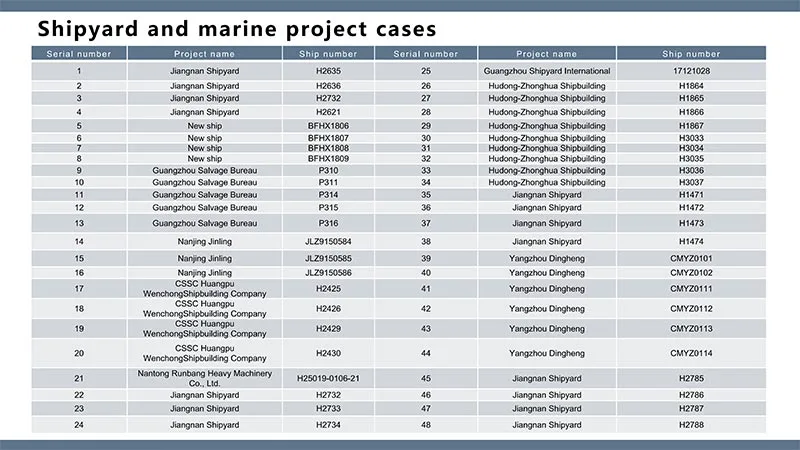
HISURP’s industrial cooling experience covers high-temperature crane cab air conditioners, E-HOUSE cooling, base station air conditioners, grain coolers, rooftop units, chillers, precision air conditioners and marine ACUs. The company has served demanding industrial and infrastructure projects and has built cooperation with well-known partners such as ABB, Schneider, Toyota Motor Corporation, Novenco, COFCO and Toray. In marine and offshore applications, Hicon has developed air conditioning solutions for offshore platforms, ocean-going vessels and specialized industrial environments.


The compressor is the heart of the refrigeration system. Compared with land-based units, marine compressors face a greater lubrication challenge during inclination and rolling. HISURP marine units adopt compressor designs suitable for vessel movement, including deep oil sump concepts and anti-vibration protection. Danfoss piston compressor configurations are available, and Bitzer compressor customization can be discussed according to project requirements.
HISURP offers both air-cooled and seawater-cooled condensing solutions. Air-cooled condensers use corrosion-resistant heat exchanger structures suitable for salt-mist conditions. Seawater-cooled condensers use materials and structures designed for seawater service. Safety valves and liquid receiver design help improve operating safety and refrigerant supply stability during ship movement.
Water-side evaporators can use dry shell-and-tube structures with external anti-corrosion protection. Air-side finned evaporators use efficient tube-and-fin structures to improve heat exchange performance while considering corrosion resistance. The design objective is stable cooling performance, easier maintenance and longer service life under marine humidity conditions.
Marine systems can use externally equalized thermal expansion valves to regulate refrigerant flow into the evaporator. Key accessories may include dry filters, oil receivers, gas-liquid separators, solenoid valves, sight glasses, pressure gauges, shock absorbers and high/low pressure protection devices. Where suitable, threaded connections are preferred for certain components such as sight glasses to reduce unnecessary welding. Marine solenoid valves can be equipped with manual control rods for safer service.
Marine fans and motors must resist corrosion and operate under inclination. Fan impellers require dynamic balancing and overspeed testing. Anti-corrosion aluminum alloy impellers and welded housings can improve strength, shock resistance and corrosion resistance. Marine motors should work reliably under periodic transverse inclination and long-term longitudinal or transverse inclination conditions. Filters can be added to reduce electromagnetic interference. Air duct design should consider limited ship space, airflow resistance, vibration isolation, noise reduction and flexible connections between rigid ducts and the unit.

|
Item |
HISURP Marine HVAC Reference |
|
Cooling capacity range |
6 kW to 98 kW |
|
Refrigerant options |
R404A, R407C, R134A, subject to project and regulation requirements |
|
Applicable objects |
Ships, vessels, offshore platforms, drilling platforms, marine equipment rooms |
|
Condensing types |
Air-cooled or seawater-cooled |
|
Heating options |
Electric heater or steam heating coil |
|
Air supply options |
Direct supply, top discharge, ducted supply, full return air, full fresh air |
|
Compressor options |
Danfoss piston compressor; Bitzer customization available by project |
|
Circuit design |
Single or dual independent refrigeration circuits depending on capacity |
|
Maintenance design |
Removable panels, nylon filter, pressure gauges, lifting rings |
|
Customization |
Parameters, appearance, color, voltage, control logic, air outlet direction, anti-corrosion design |
When selecting a Marine Air Conditioner, buyers should evaluate the following questions:
1. Is the vessel suitable for air-cooled or seawater-cooled condensation? If the vessel has reliable seawater supply and enough pump/piping infrastructure, water-cooled systems may provide efficient heat rejection. If seawater piping is not preferred or the installation area has strong ventilation, an Air Cooled Marine Air Conditioner may be more convenient.
2. What is the required cooling capacity? Capacity should be calculated based on cabin heat load, equipment heat generation, fresh air requirement, insulation, ambient temperature, sea area and operating schedule. HISURP marine units can cover 6 kW to 98 kW depending on configuration.
3. What anti-corrosion level is required? Open-deck or near-seawater locations need stronger anti-corrosion treatment than protected indoor machine rooms. For seawater-cooled projects, visit the Water Cooled Marine Air Conditioner page to review condenser material details.
4. How will maintenance be performed onboard? Choose units with removable panels, accessible filters, visible high/low pressure gauges, lifting rings and clear service space.
5. Do you need OEM or project customization? HISURP supports Customized Marine Air Conditioner projects, OEM supply, Bulk Order production, Factory Direct procurement and export delivery for shipyards, marine contractors and equipment integrators.