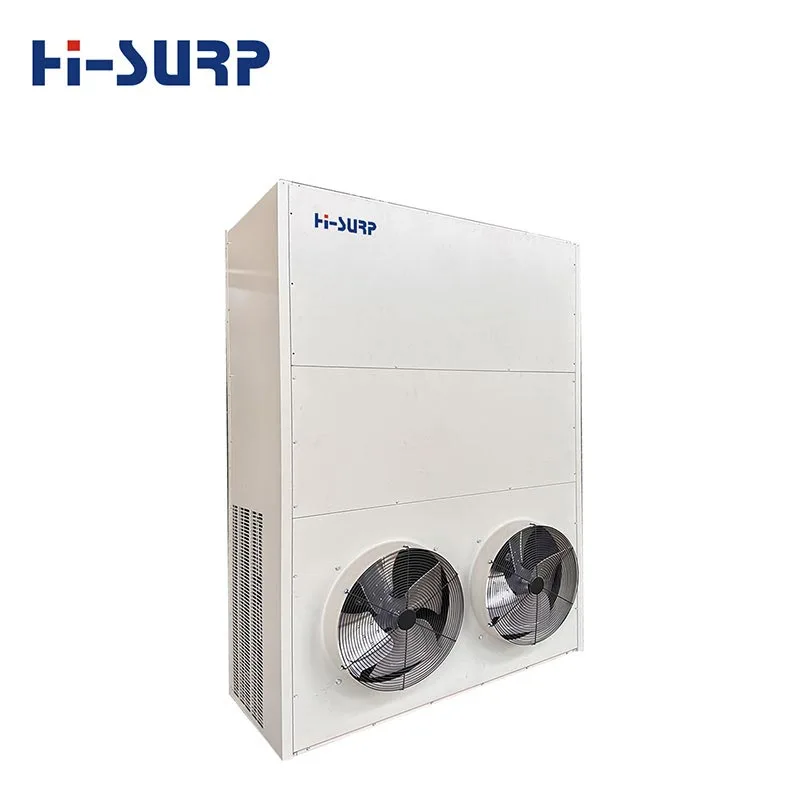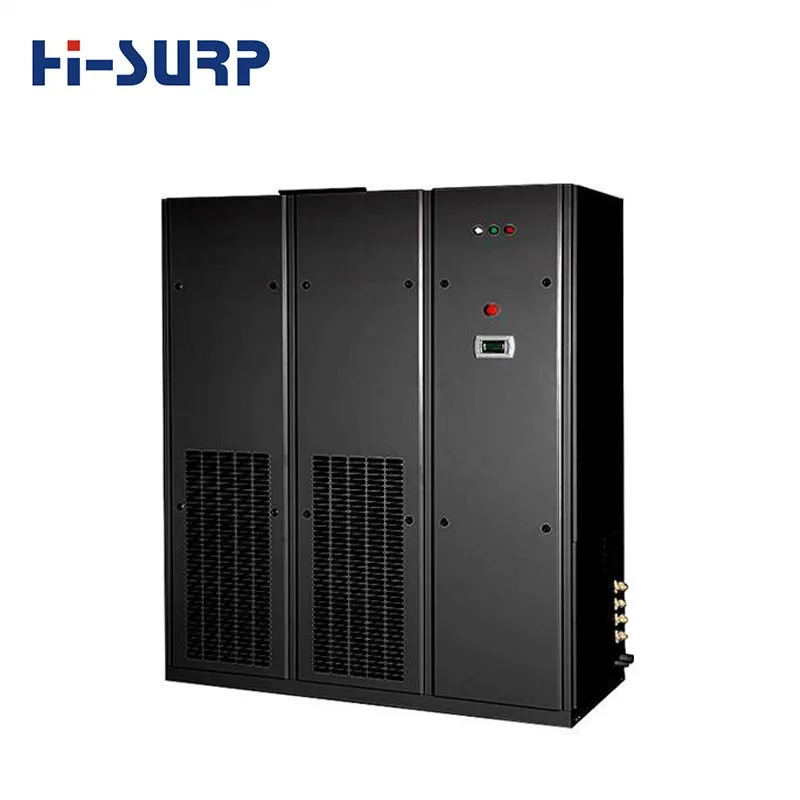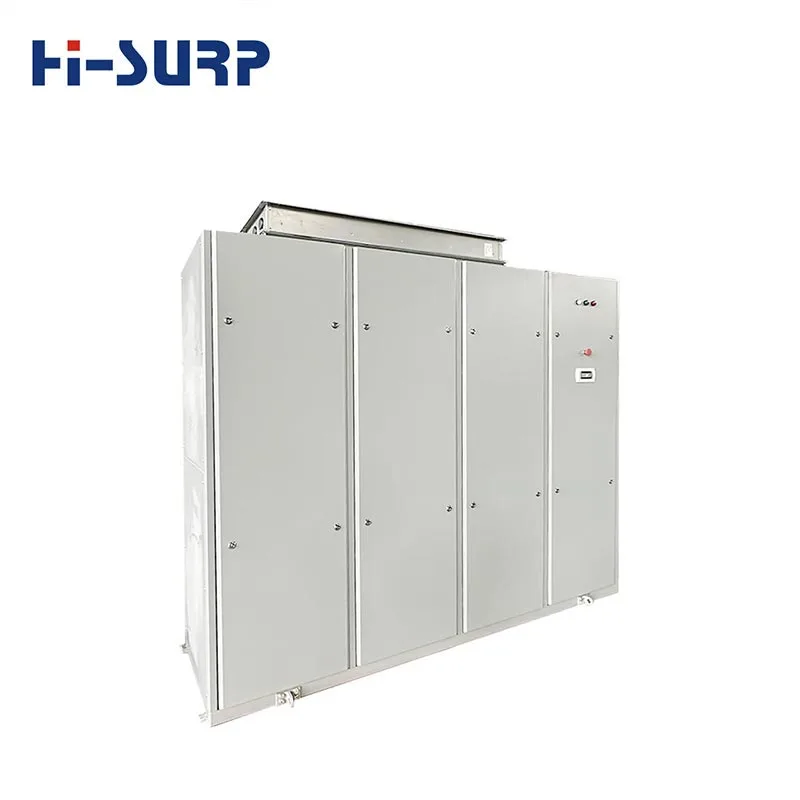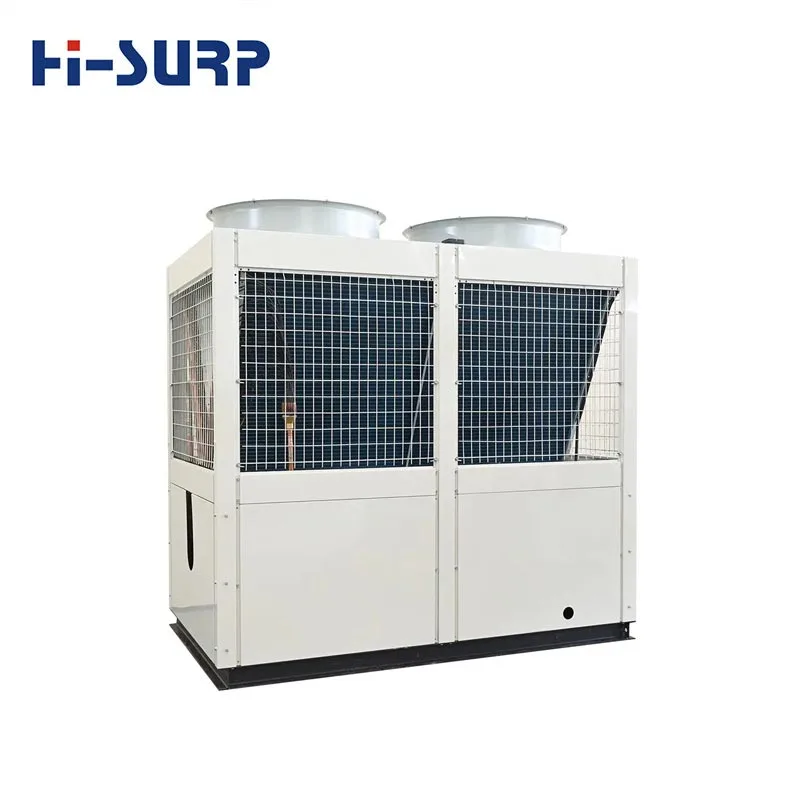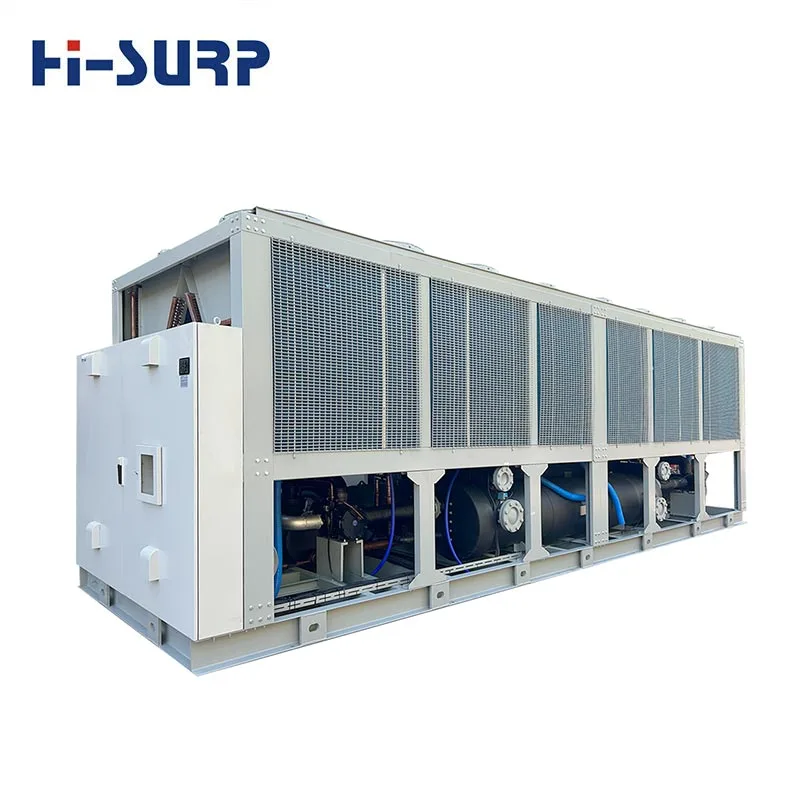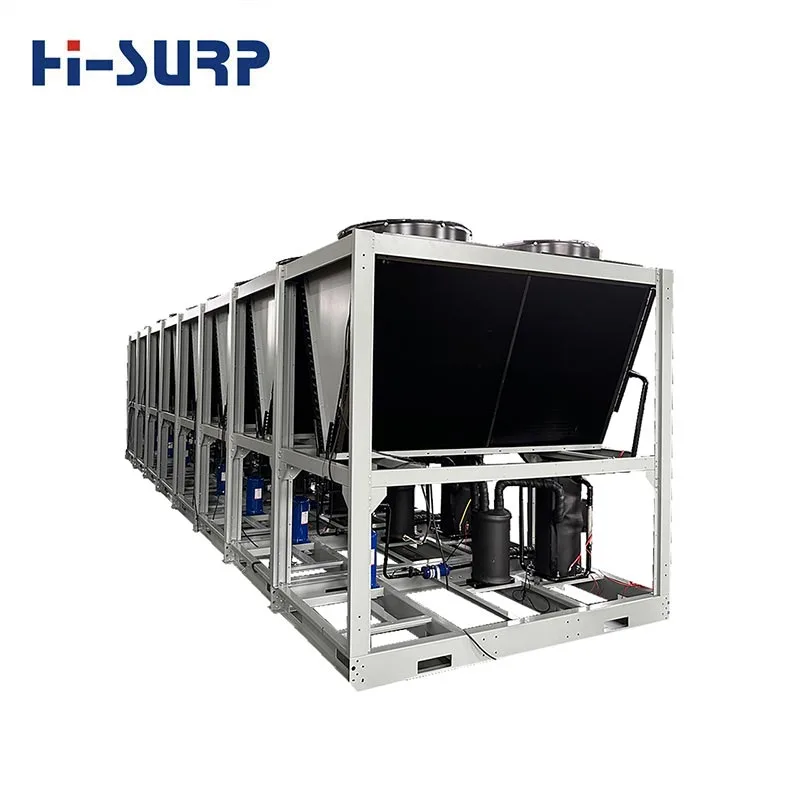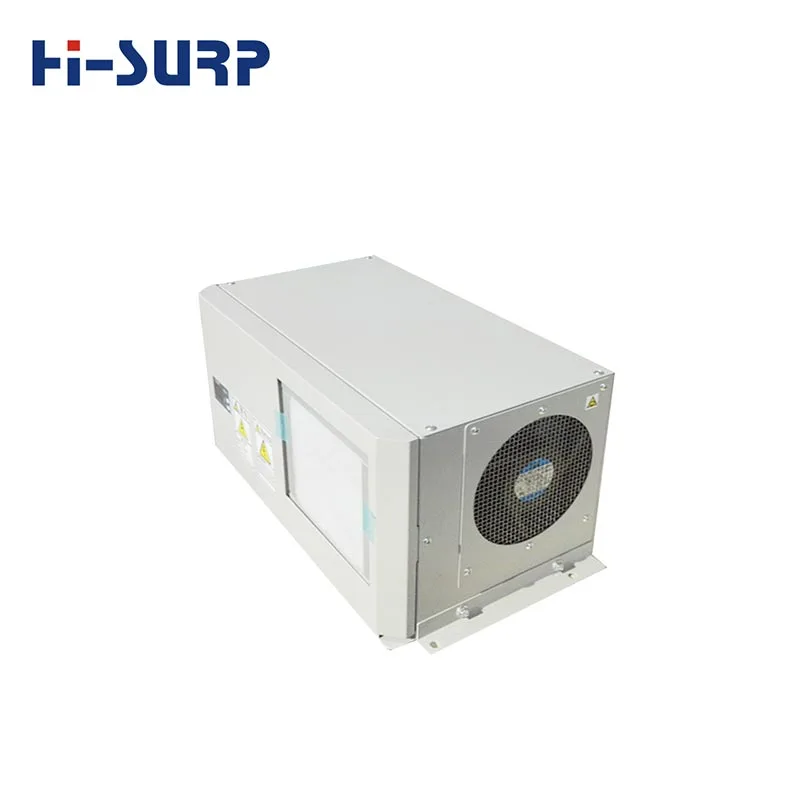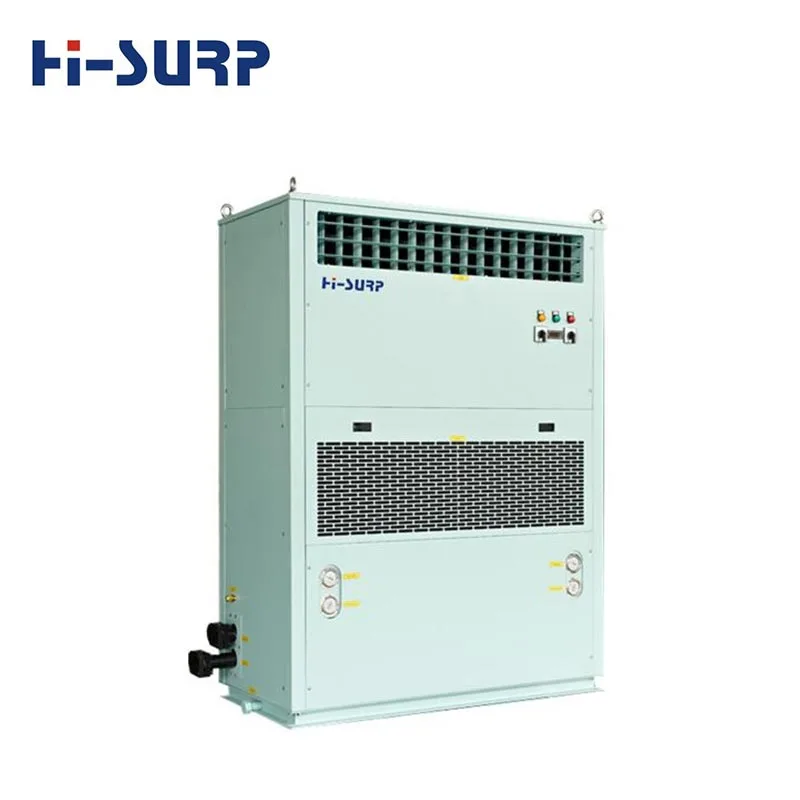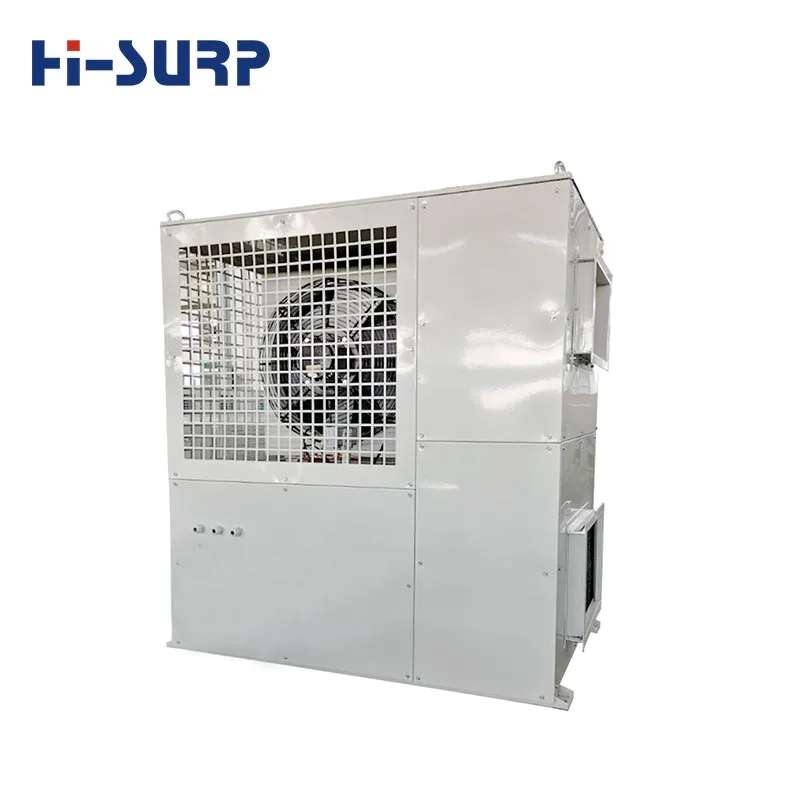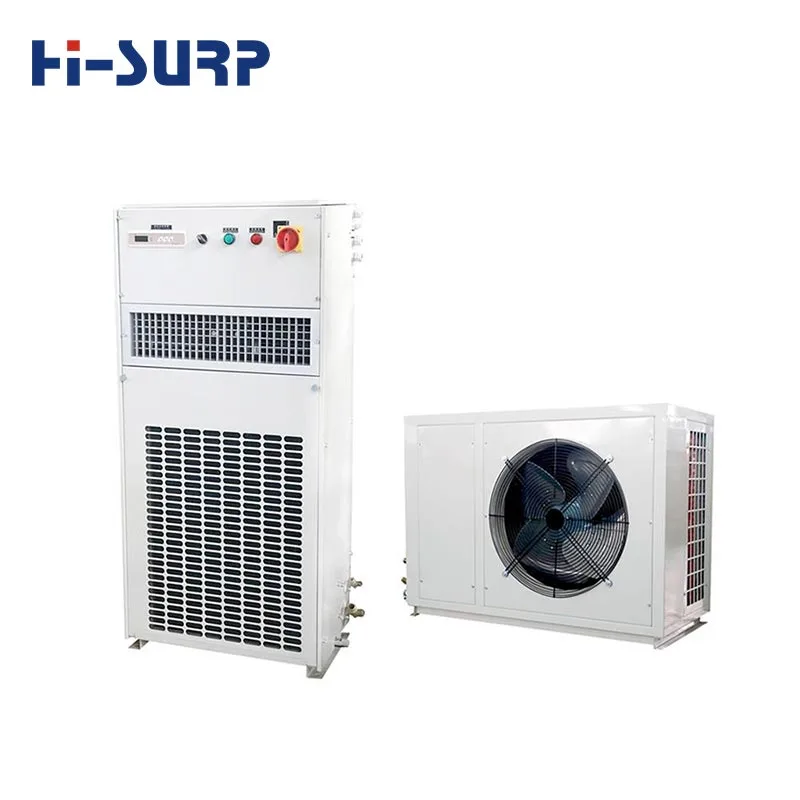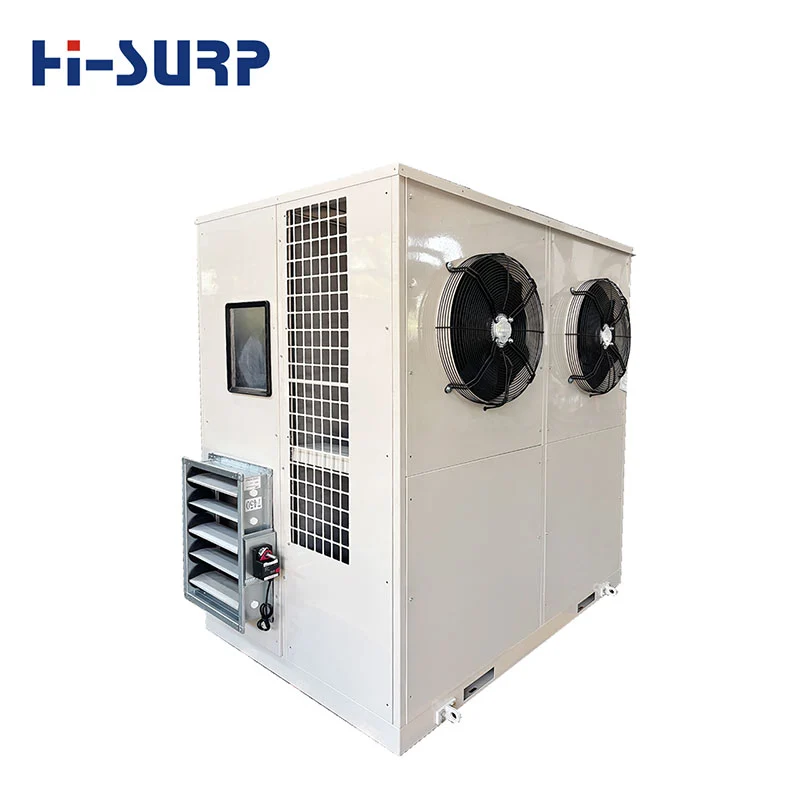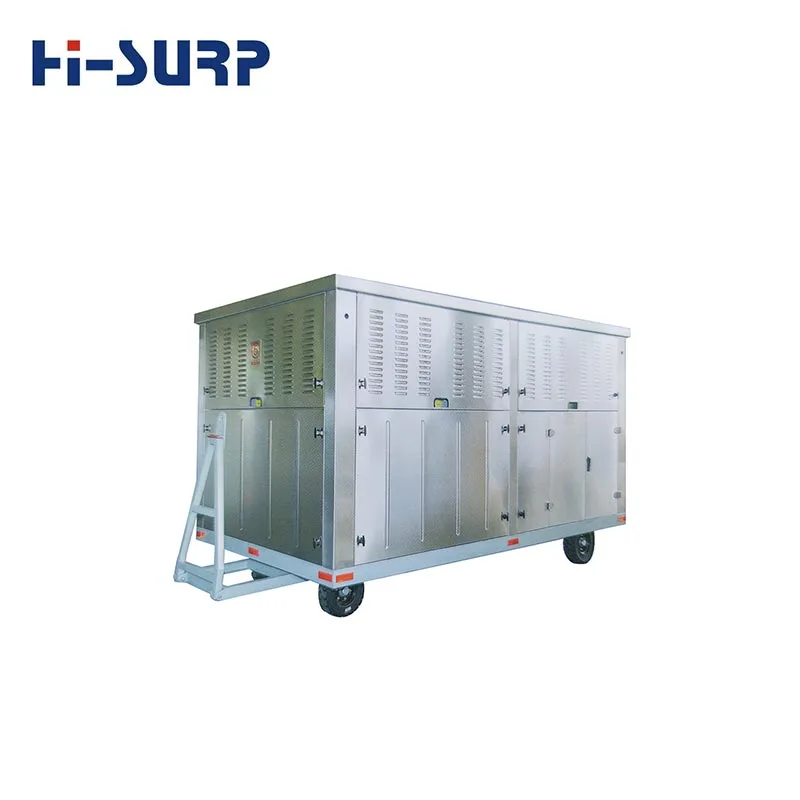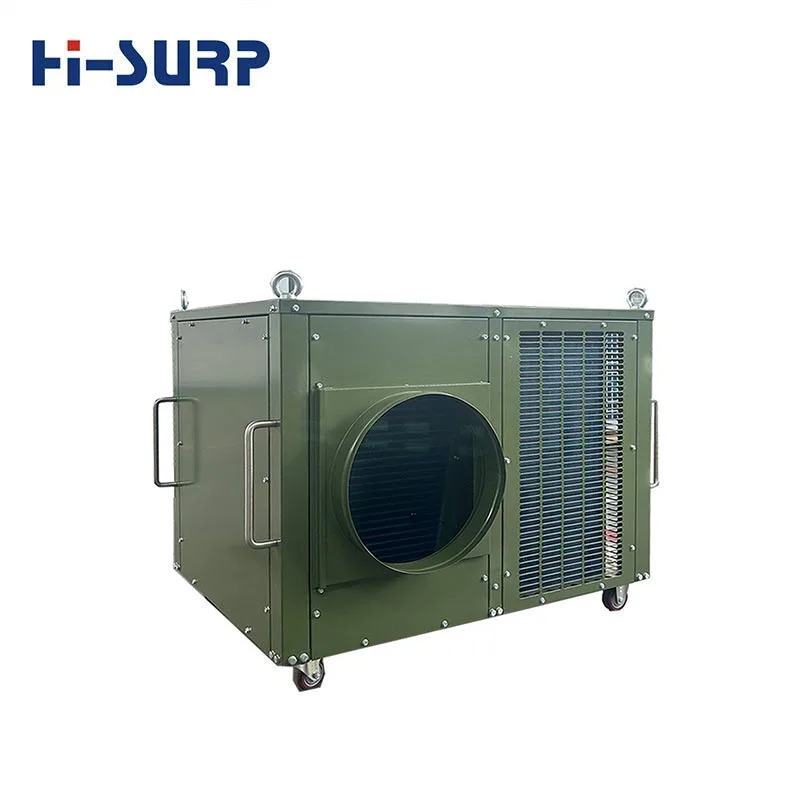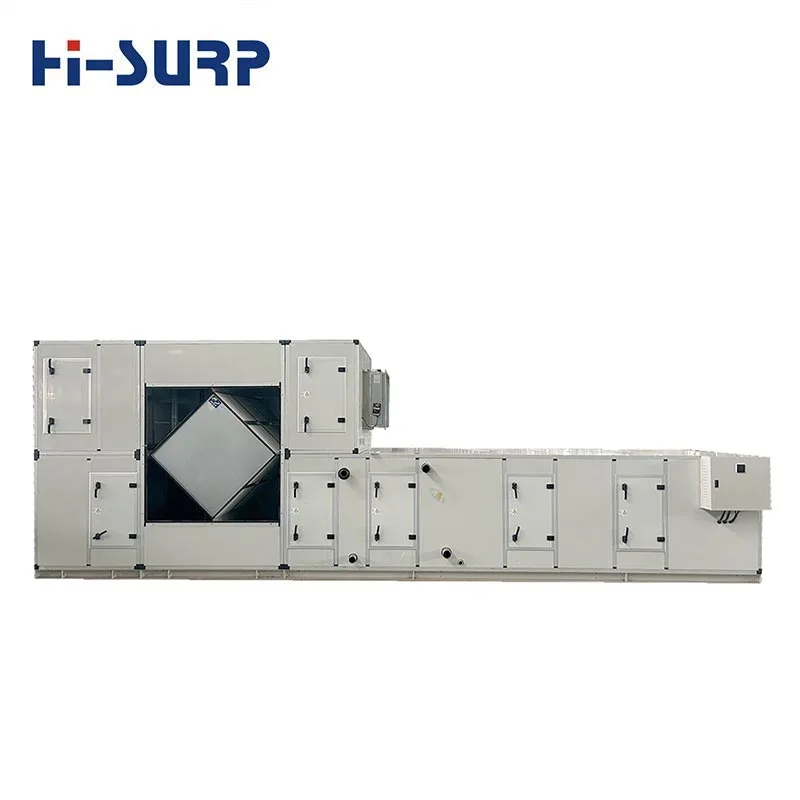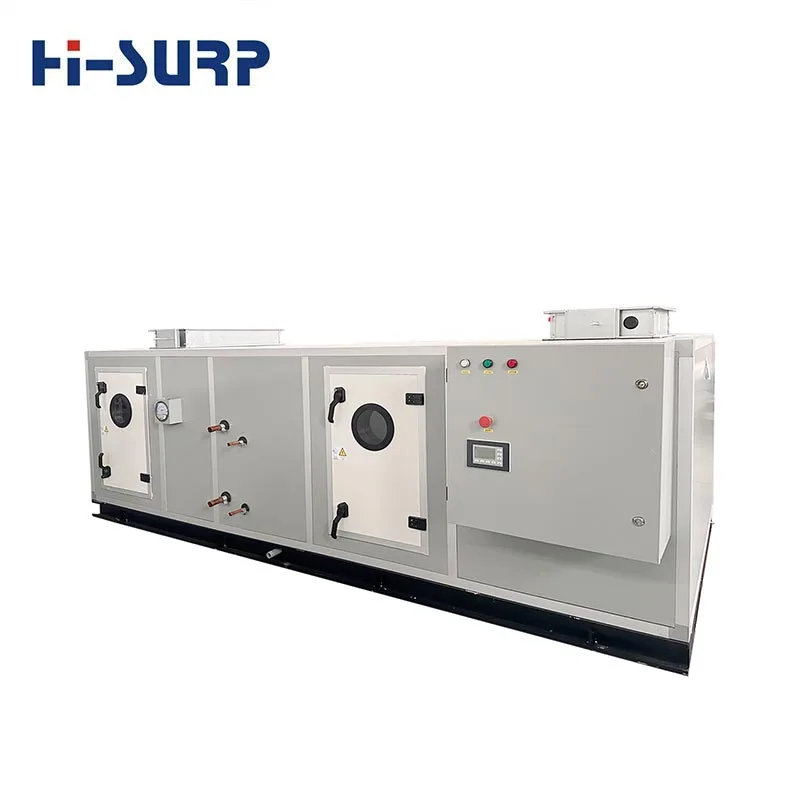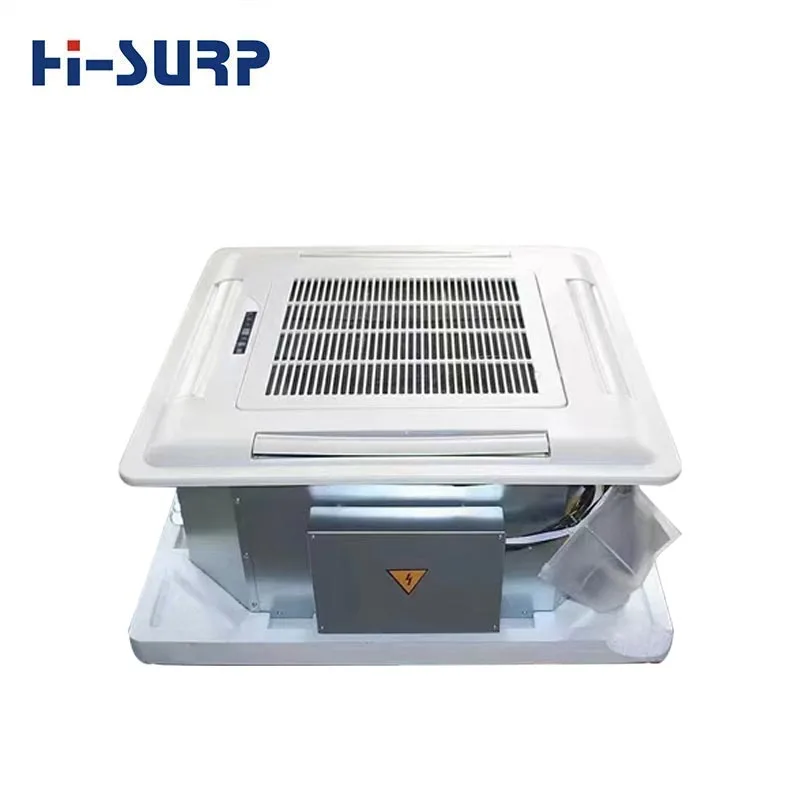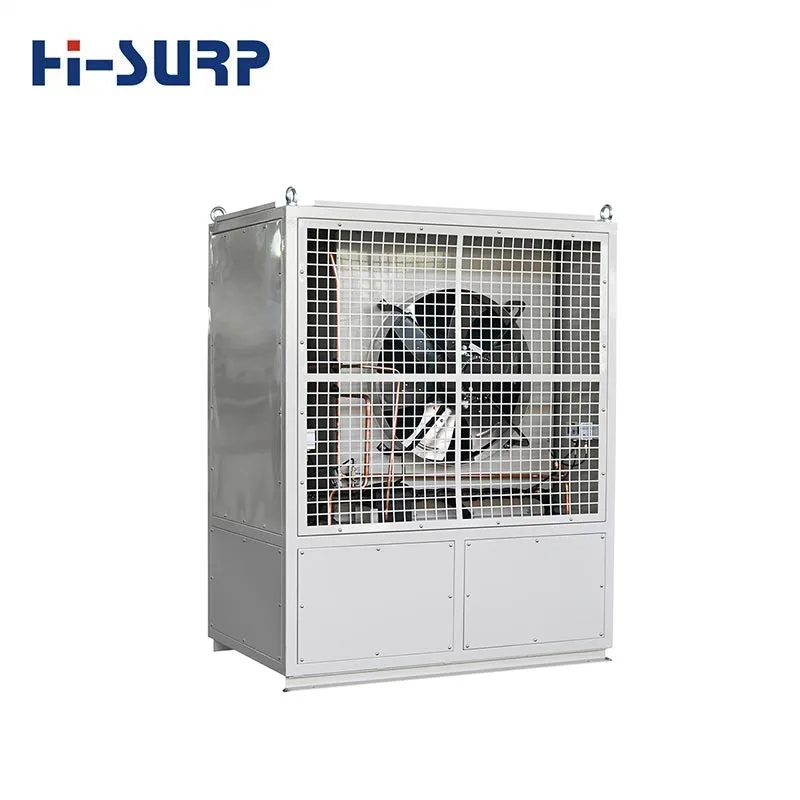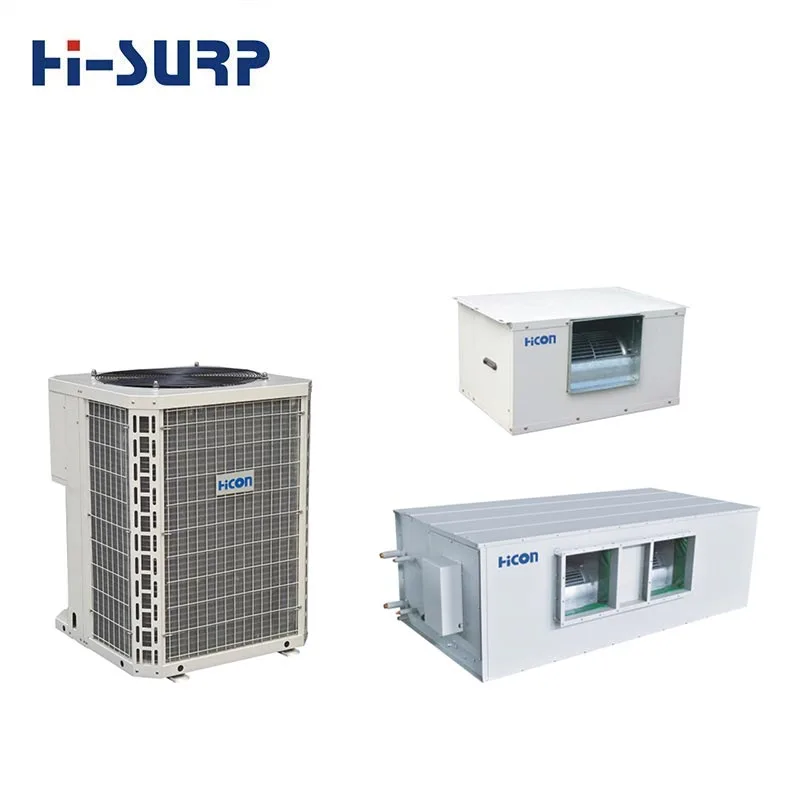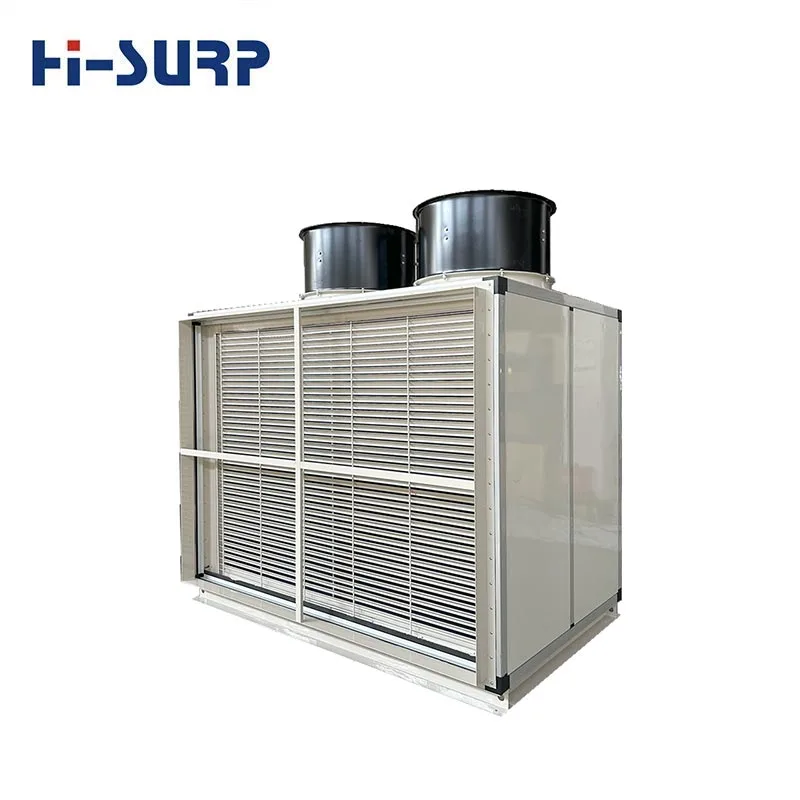
E-House Air Conditioner
A brief introduction of HISURP CAC series E-house Air Conditioners
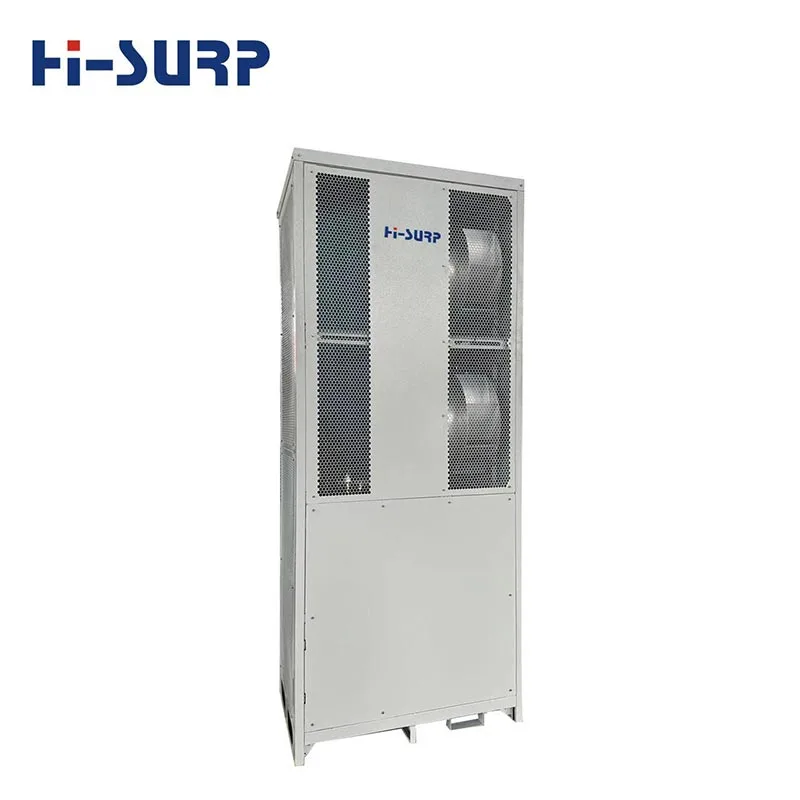
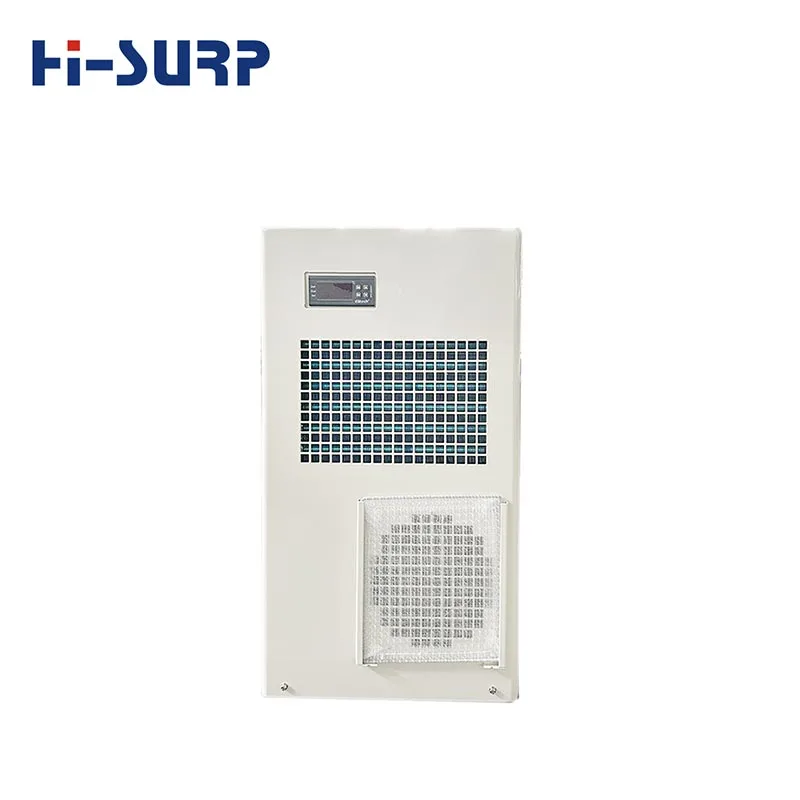
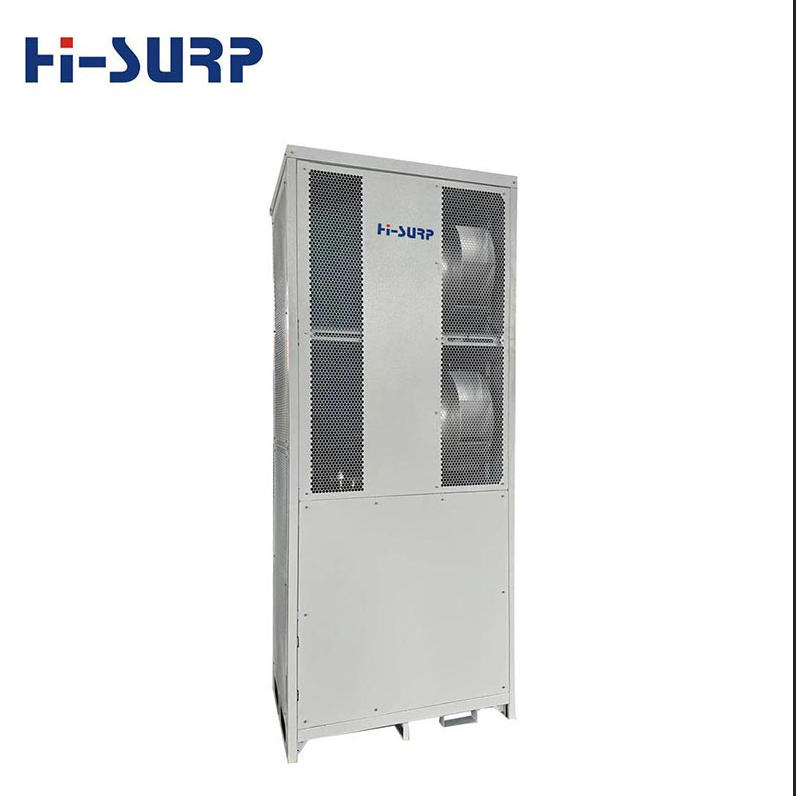
Energy Storage Air Conditioner
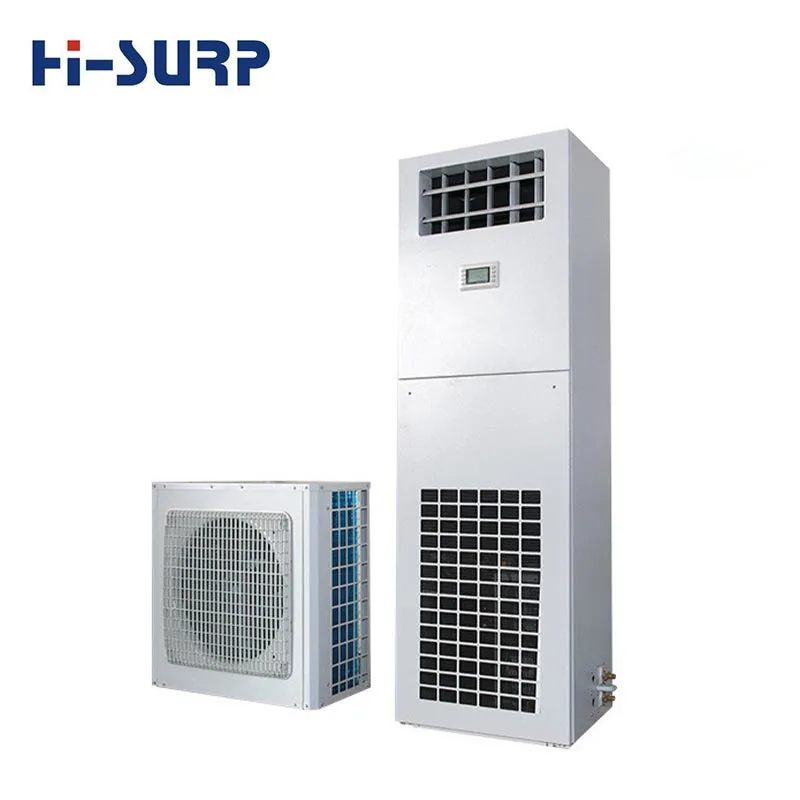
Telecom Air Conditioner

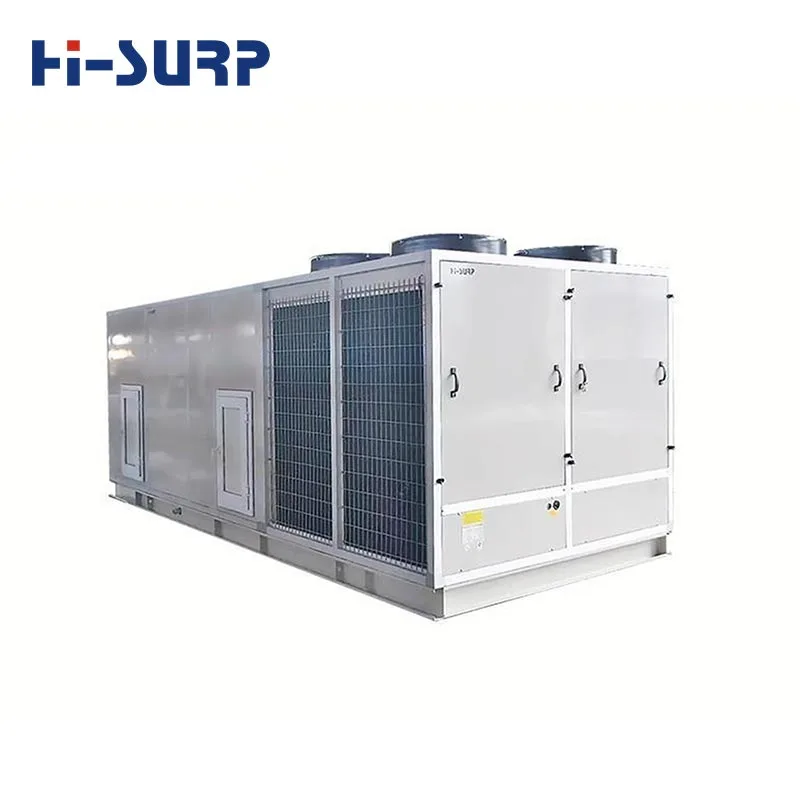
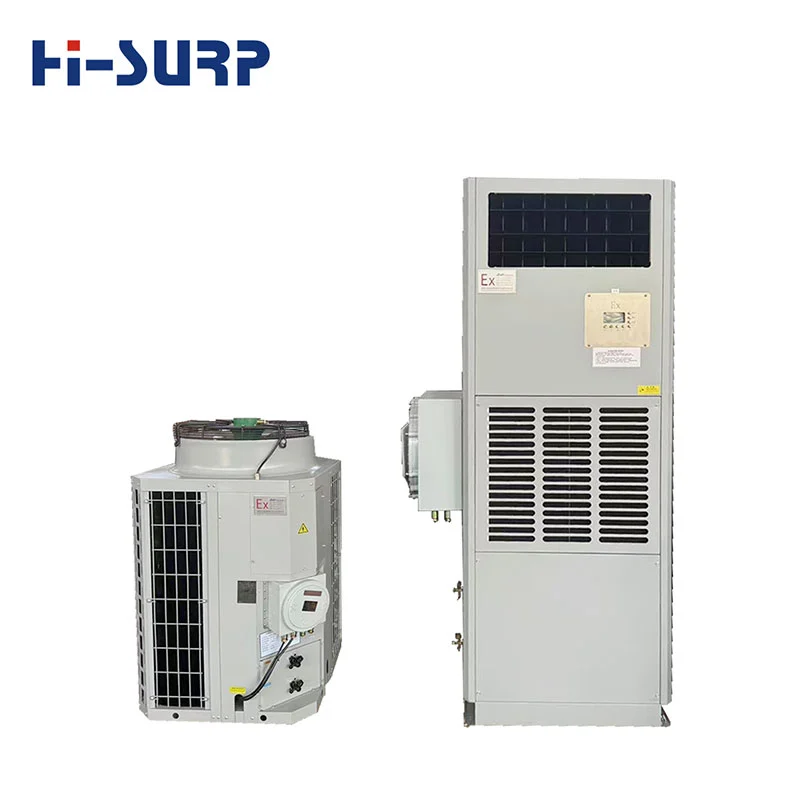
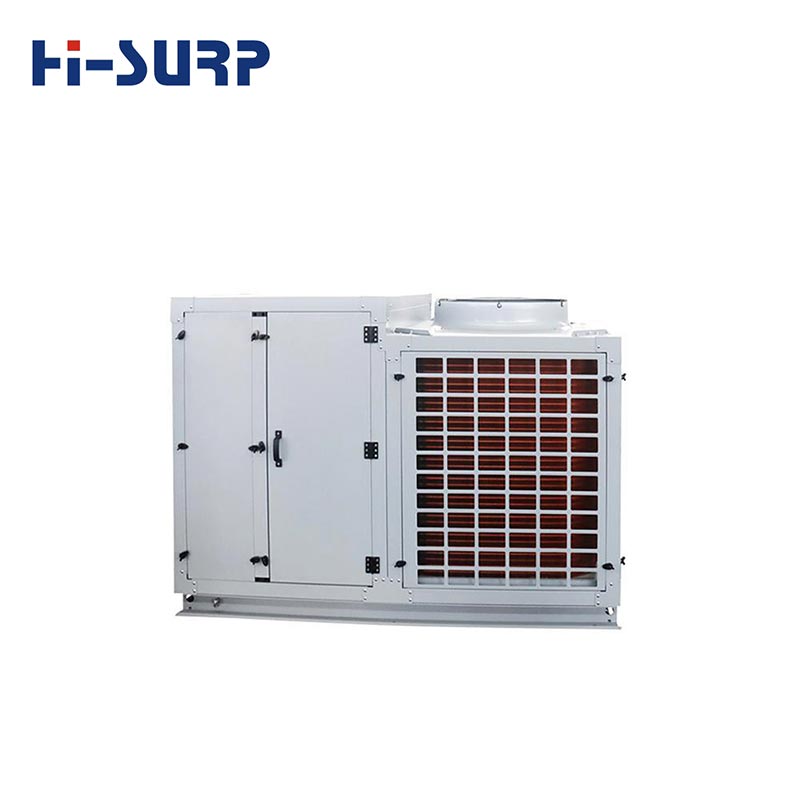
Rooftop Air Conditioner
As seasoned Rooftop Air Conditioner manufacturers, Hisurp is a reputable Chinese factory offering CE-certified products.
Adopting integrated design, the unit combines cooling, heating, ventilation and filtration. It runs steadily, installs effortlessly and cuts energy consumption by 20%-30%, backed by 15-year service life.
Customized solutions and complete after-sales support are accessible. We supply goods in bulk with competitive prices, perfectly fitting diverse building scenarios, serving as your preferred purchasing option.
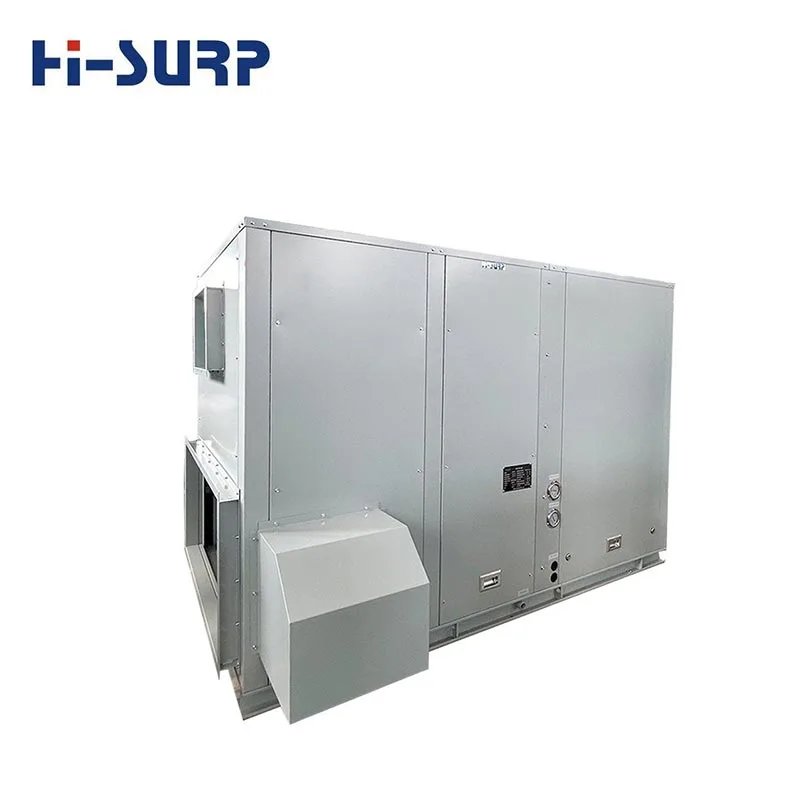
Rooftop Ac
Hisurp Rooftop AC adopts adaptive energy-saving control and DC frequency conversion motor. Ideal for workshops and computer rooms needing uninterrupted cooling, it utilizes free cooling to achieve up to 58% comprehensive energy saving. The unit operates steadily amid -40℃ to 48℃ wide temperature scope. Owning authoritative Certification of ISO9001, every unit undergoes full power-on test before shipment, guaranteeing durable stable performance and eco-friendly energy efficiency.
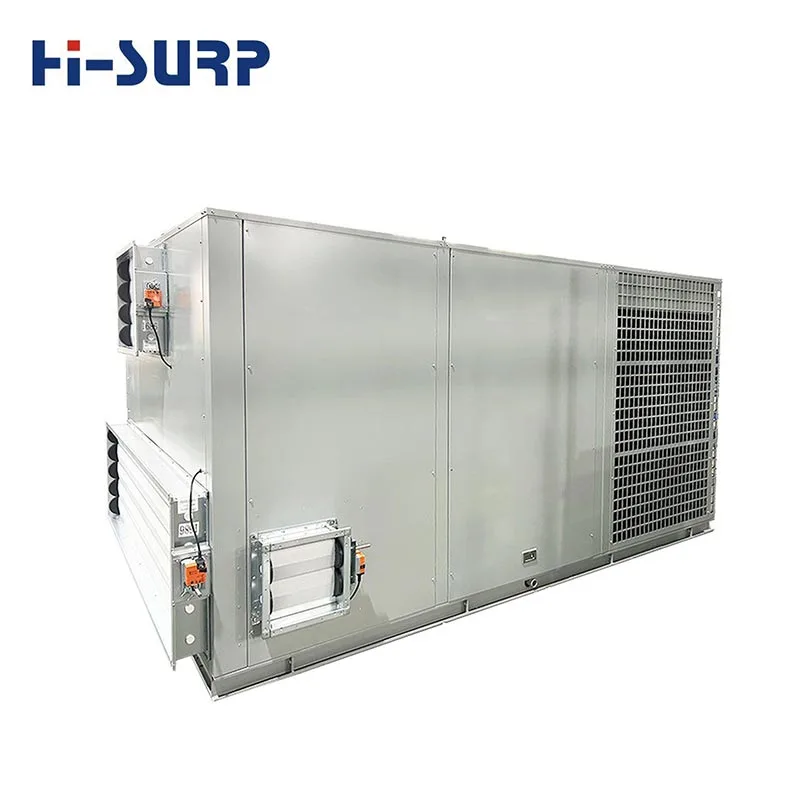
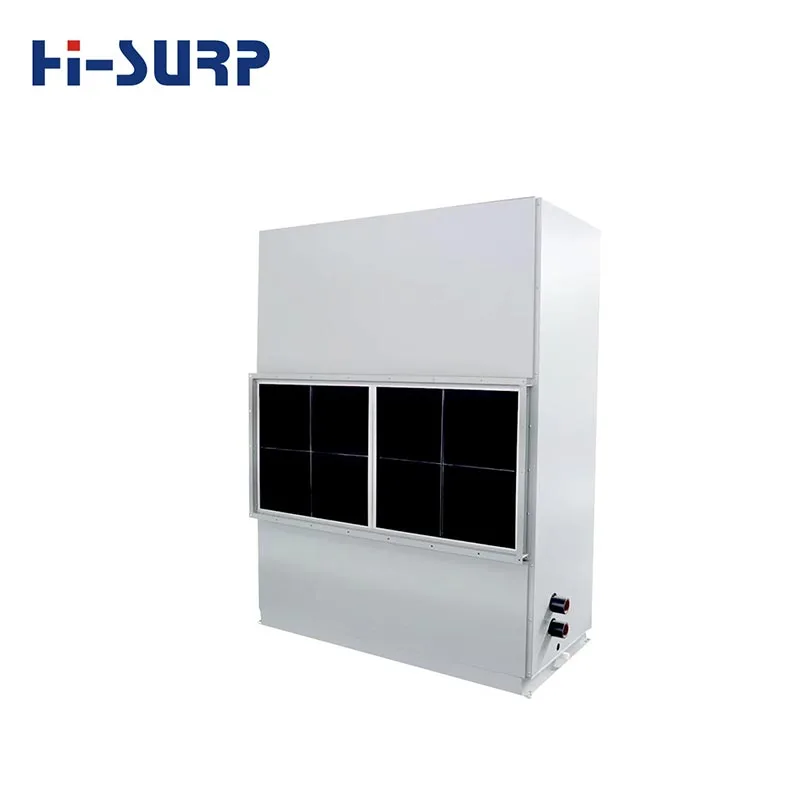
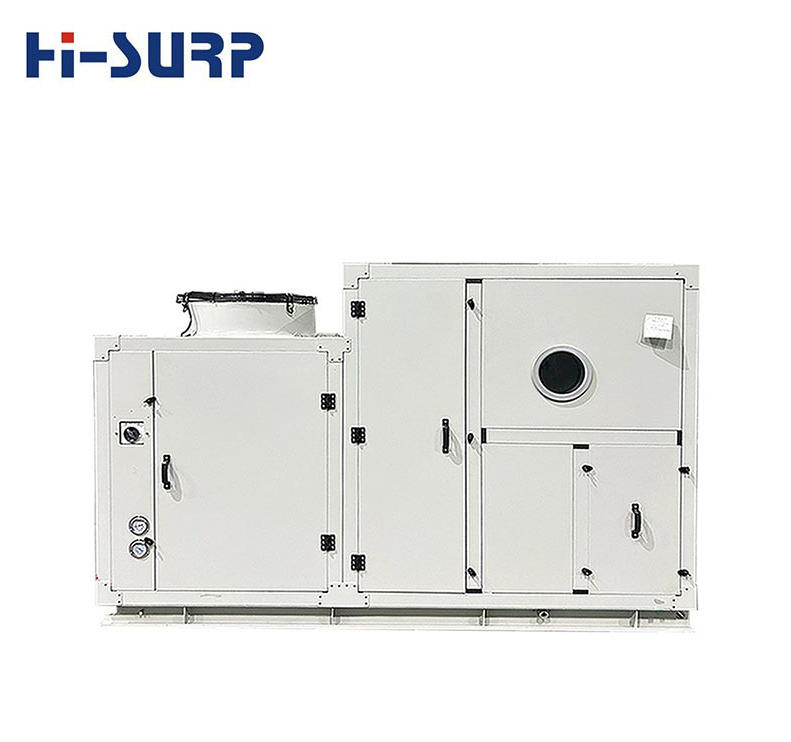
Packaged Air conditioner
Hisurp delivers dependable Packaged Air Conditioner with stable factory production and solid quality assurance. Customized packaged air conditioner supports adjustable cooling capacity, size and functions, fitting multiple application occasions. All products come with 12-month warranty, thoughtful after-sales support to cut purchase risks. Featuring energy efficiency, low noise and easy installation, strictly inspected units are premium cooling choices.
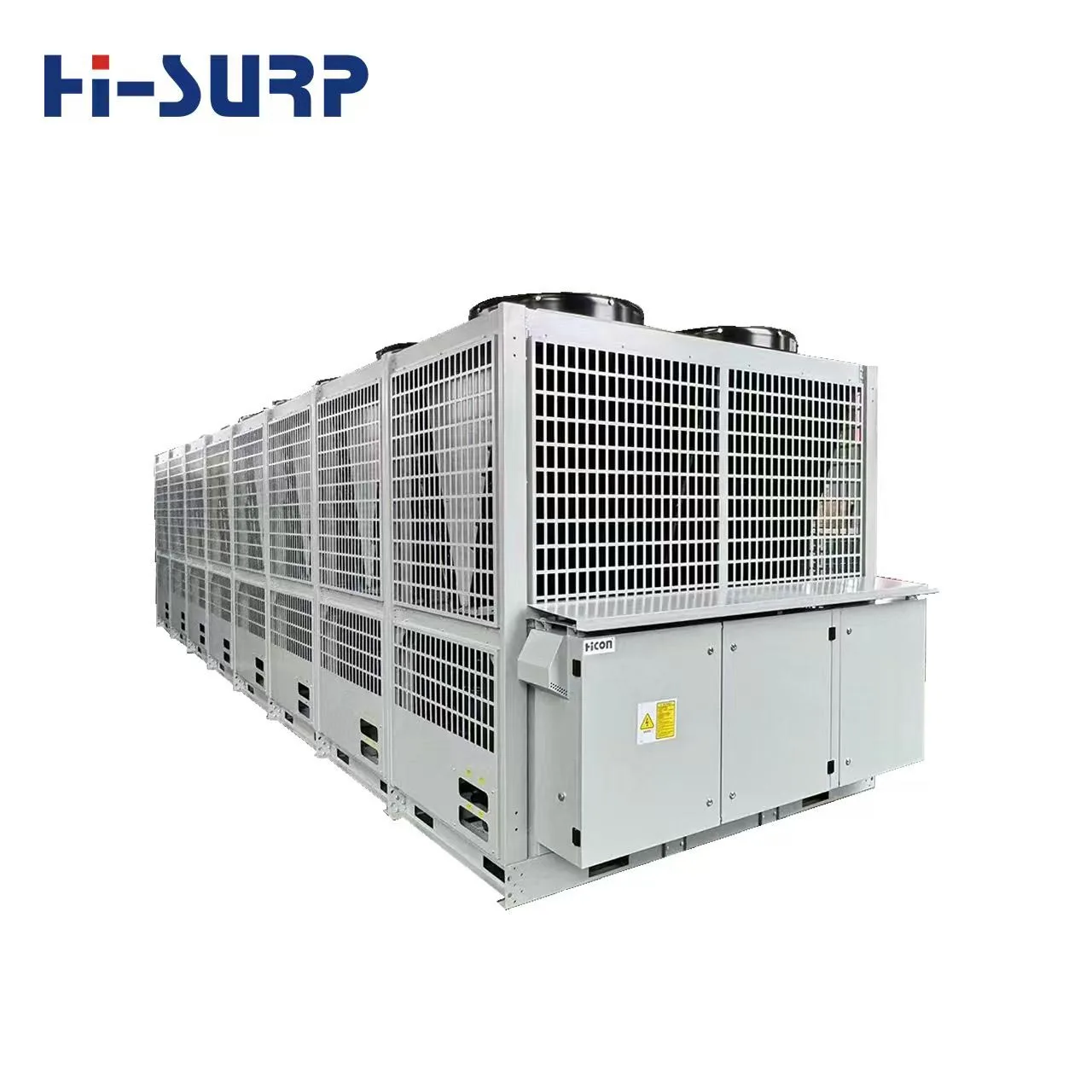
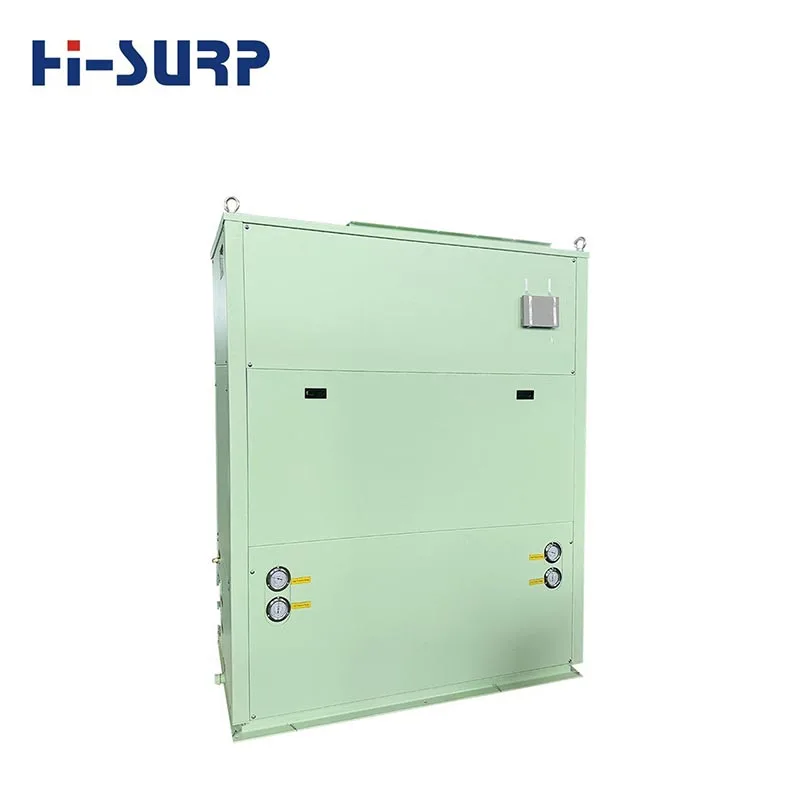
Packaged Unit
Hisurp supplies advanced Packaged unit as all-in-one HVAC equipment. It integrates core components into compact body, realizing fast installation and effortless maintenance. Sturdy quality verified by strict factory tests ensures steady operation, energy conservation and long service lifespan. Adaptable to harsh working conditions with strong anti-interference capability, it cuts daily power consumption and operating expenses. The integrated structure saves occupied space and shortens construction period, perfectly meeting heating and cooling demands of commercial, industrial and public venues.

Air Cooled Precision Air Conditioner

Water Cooled Precision Air Conditioner
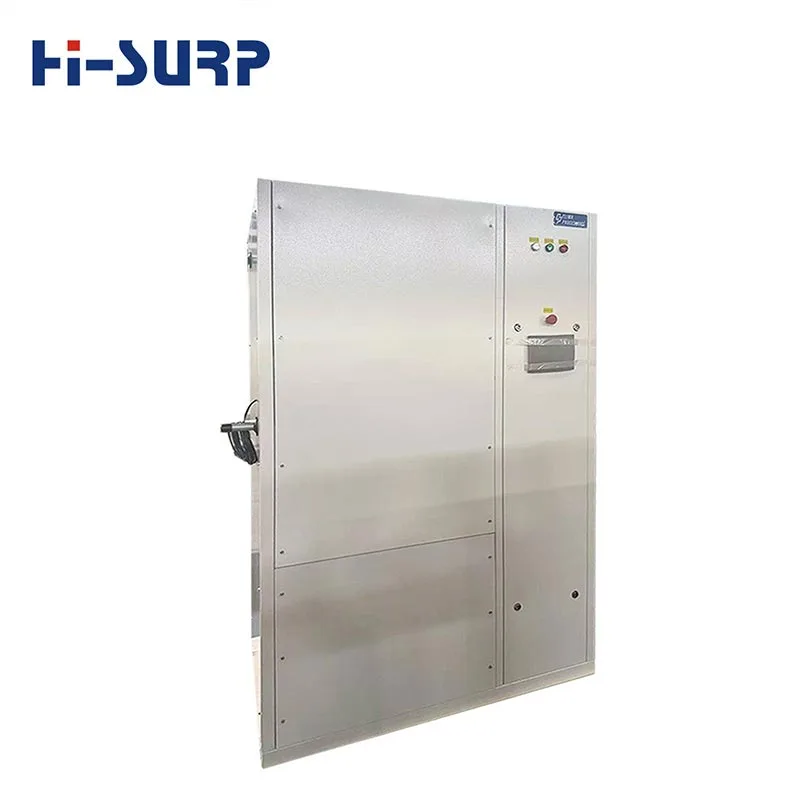
Dual Coil Precision Air Conditioner

Air Cooled Scroll Chiller

Air Cooled Screw Chiller
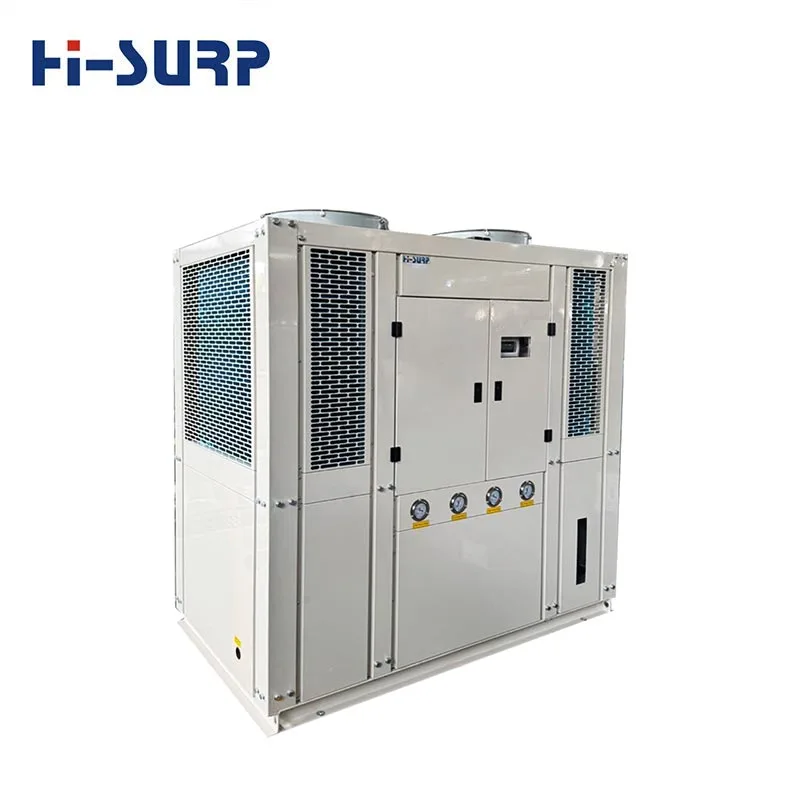
Water Cooled Scroll Chiller
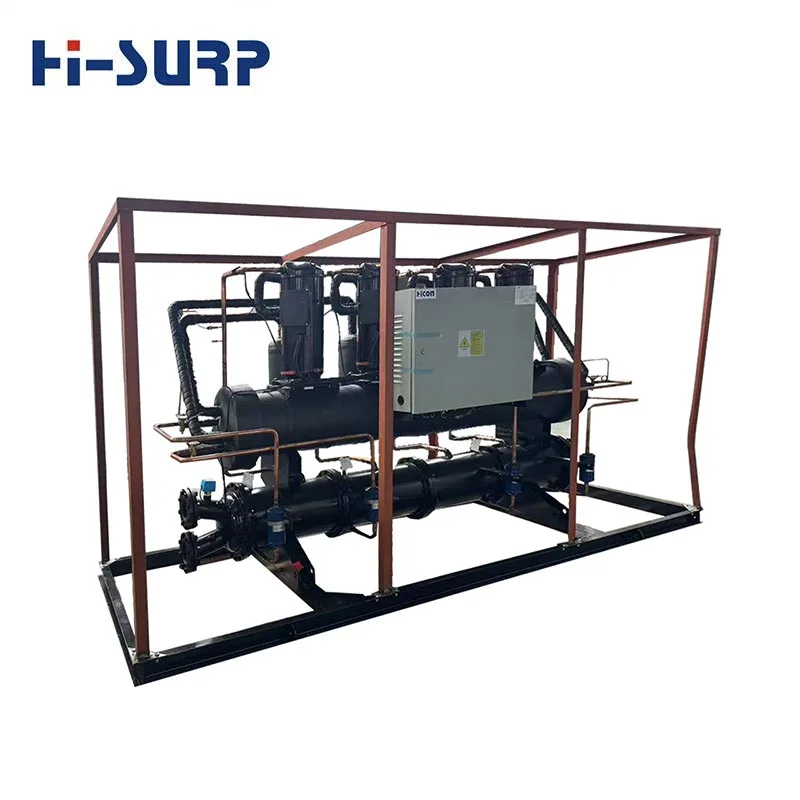
Water Cooled Screw Chiller

Corrosion-Resistant Air Conditioner
Hisurp Corrosion-Resistant Air Conditioner is a type of air conditioning system designed to be enhanced for corrosive environments (especially marine, chemical, salt spray, and high humidity environments).
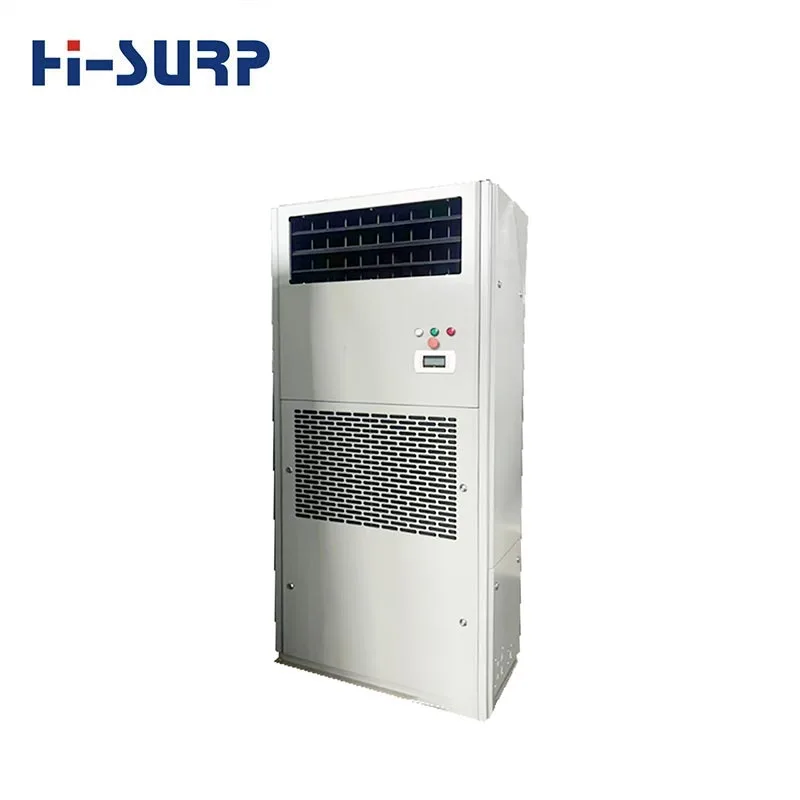
Earthquake-Resistant Air Conditioner
Based on the design concept of "prevention first", Hisurp earthquake-resistant air conditioner uses a series of advanced measures that exceed conventional standards to minimize the risk of damage to the air conditioning system caused by earthquakes, and ensure environmental control and business continuity in critical locations.
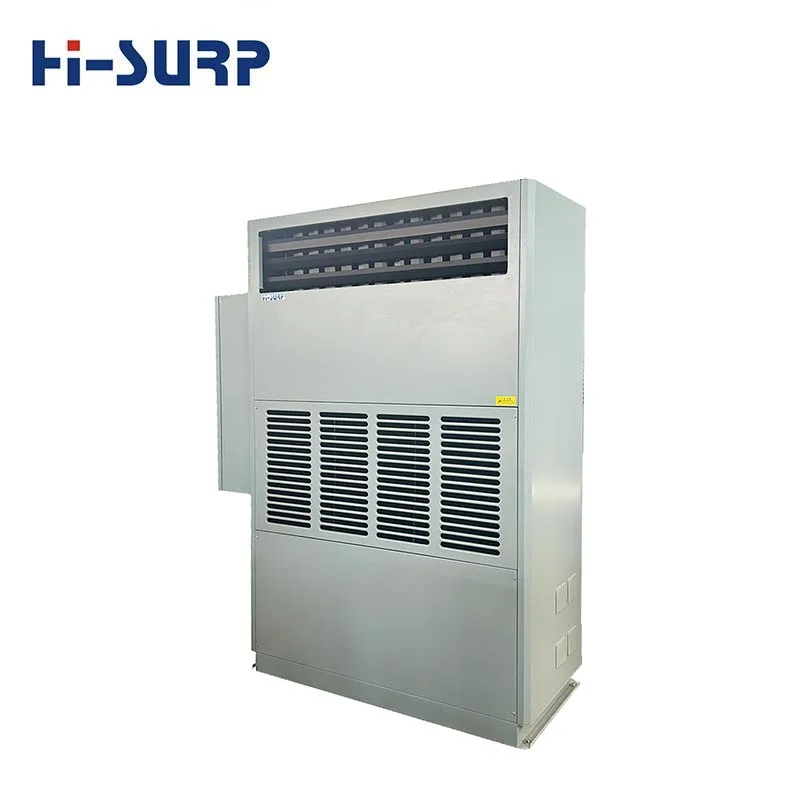
Magnetic-Resistant Air Conditioner
Hisurp Magnetic-Resistant Air Conditioner is an industrial air conditioner designed specifically for strong magnetic field environments. Through a multi-layer shielding system, it ensures stable and durable operation of the unit in a magnetic field environment of ≥2000GS.
A container is not just a metal box. It is a thermal system with specific heat transfer characteristics. When that container is used to house electrical equipment, telecommunications gear, or industrial control systems, the internal temperature must be maintained within a narrow range, regardless of the outside conditions. In the summer, the sun beats down on the steel walls, raising the internal temperature to 60°C or more. In the winter, the same container may need heating to prevent condensation. Choosing the right Industrial Air Conditioner for a container is not a matter of guessing. It is a matter of calculation. The two critical variables are the container size and the heat load. Get these wrong, and the equipment inside will fail.
The selection process begins with a clear understanding of the thermal environment. The heat load is the sum of all heat sources inside the container: the equipment itself, the solar gain through the walls and roof, the heat conducted through the insulation, and the heat generated by people and lighting. The container size determines the surface area available for heat transfer and the volume of air that must be cooled. Once these two variables are known, the required cooling capacity can be calculated, and the appropriate Industrial Air Conditioner can be selected. This article provides a systematic, step-by-step guide to this process, including the formulas, the assumptions, and the practical considerations that engineers and facility managers need to know. At Ningbo Hicon Industry Co., Ltd., our factory has been manufacturing Industrial Air Conditioners for container applications for over a decade, and we have refined our selection methodology through thousands of installations.
The first step in selecting an Industrial Air Conditioner is to calculate the total heat load inside the container. This is not simply the power consumption of the equipment. The heat load is the sum of all heat sources, both internal and external. The internal heat sources include the electrical and electronic equipment, the lighting, and any personnel who may be working inside. The external heat sources include the solar radiation absorbed by the container walls and roof, and the heat conducted through the walls from the hotter outside air. Each of these must be quantified separately and then summed to determine the total heat load in watts or BTUs per hour.
The internal heat load is the easiest to calculate. For electrical equipment, the heat load is essentially equal to the power consumption, because almost all electrical energy is eventually converted to heat. If the equipment consumes 5 kW, it produces approximately 5 kW of heat. The lighting load can be calculated from the wattage of the lamps. The personnel load is typically assumed to be 100-150 watts per person for light activity. The external heat load is more complex. The solar gain depends on the orientation of the container, the color of its surface, and the latitude of the location. A dark-colored container in direct sunlight can absorb significantly more heat than a light-colored one in the shade. The conduction heat load depends on the temperature difference between the inside and outside, the surface area of the container, and the thermal resistance of the walls. The table below provides a summary of the heat load components and their typical values.
| Heat Load Component | Source | Typical Value | Calculation Method |
| Equipment Load | Electrical and electronic devices | Equal to power consumption (W) | Sum of nameplate ratings |
| Lighting Load | Lamps and fixtures | 10-20 W/m² | Total wattage of lamps |
| Personnel Load | People working inside | 100-150 W per person | Number of occupants |
| Solar Gain | Sunlight on walls and roof | 50-200 W/m² | Depends on orientation, color, latitude |
| Conduction Load | Heat transfer through walls | U × A × ΔT | U-value, surface area, temperature difference |
| Infiltration Load | Air leakage through openings | 5-15% of total load | Estimate based on sealing quality |
At Hisurp, our factory provides a heat load calculation service for our customers. We use a proprietary spreadsheet tool that takes into account the specific characteristics of the container, the equipment, and the environment. This allows us to accurately determine the required cooling capacity and to recommend the optimal Industrial Air Conditioner for the application.
The size of the container affects the cooling requirement in two ways. First, the surface area of the container determines how much heat is transferred from the outside to the inside. A larger container has more surface area and therefore absorbs more solar heat and conducts more heat from the outside. Second, the volume of the container determines how much air must be cooled. A larger volume requires more cooling capacity to achieve the same temperature drop. However, the volume is typically less important than the surface area and the heat load for most container applications. The reason is that the air inside the container has a relatively low thermal mass, and the temperature is determined primarily by the balance between the heat load and the cooling capacity.
The surface area of a standard shipping container can be calculated from its dimensions. A 20-foot container is approximately 6.06 meters long, 2.44 meters wide, and 2.59 meters high. Its external surface area is approximately 70 square meters. A 40-foot container is approximately 12.19 meters long, with a surface area of approximately 120 square meters. The roof area is particularly important because it receives the most direct solar radiation. The wall area is also significant, especially for the east and west walls, which receive direct sunlight in the morning and afternoon. The table below provides the surface area and volume for standard container sizes.
| Container Size | External Dimensions (L x W x H) (m) | External Surface Area (m²) | Internal Volume (m³) |
| 10-foot | 3.05 x 2.44 x 2.59 | 40 | 15 |
| 20-foot | 6.06 x 2.44 x 2.59 | 70 | 33 |
| 40-foot | 12.19 x 2.44 x 2.59 | 120 | 67 |
| 40-foot High Cube | 12.19 x 2.44 x 2.89 | 128 | 76 |
While the surface area and volume are important, they are not the only factors. The insulation of the container also plays a critical role. A standard shipping container has no insulation. Its walls are 1.6-2.0mm thick steel, which conducts heat very efficiently. Adding insulation to the walls and roof can dramatically reduce the conduction heat load and the solar gain. For a typical container, adding 50mm of polyurethane insulation can reduce the heat load by 60-70%. This means that a smaller and less expensive Industrial Air Conditioner can be used. At our factory, we offer a range of Industrial Air Conditioners with different cooling capacities to match both insulated and non-insulated containers.
Once the heat load and the container size are known, the required cooling capacity of the Industrial Air Conditioner can be calculated. The cooling capacity is typically expressed in watts (W), kilowatts (kW), or BTUs per hour (BTU/h). The conversion factor is 1 kW = 3,412 BTU/h. The basic formula for cooling capacity is: Cooling Capacity = Total Heat Load + Safety Margin. The safety margin is typically 10-20% to account for uncertainties in the heat load calculation and for future increases in equipment load. For example, if the total heat load is 5 kW, the required cooling capacity would be 5 kW × 1.15 = 5.75 kW. This would be rounded up to the next available size, such as a 6 kW Industrial Air Conditioner.
The calculation process can be broken down into a step-by-step procedure. First, list all the heat-generating equipment and their power consumption. Second, calculate the lighting load and the personnel load. Third, calculate the solar gain based on the container's orientation and color. Fourth, calculate the conduction load using the U-value of the walls, the surface area, and the design temperature difference. Fifth, sum all the loads and apply a safety margin. Sixth, select an Industrial Air Conditioner with a cooling capacity equal to or greater than the calculated requirement. The table below provides a worked example of the calculation for a 20-foot container with 5 kW of equipment load.
| Step | Component | Value | Notes |
| 1 | Equipment Load | 5,000 W | Sum of equipment power consumption |
| 2 | Lighting Load | 200 W | 10 W/m² × 20 m² floor area |
| 3 | Personnel Load | 150 W | 1 person at 150 W |
| 4 | Solar Gain | 1,500 W | 50 W/m² × 30 m² effective area |
| 5 | Conduction Load | 1,200 W | U=5 W/m²K, A=70 m², ΔT=15 K |
| 6 | Infiltration Load | 400 W | 5% of total load |
| 7 | Total Heat Load | 8,450 W | Sum of steps 1-6 |
| 8 | Safety Margin (15%) | 1,268 W | Total × 0.15 |
| 9 | Required Cooling Capacity | 9,718 W | Total + Safety Margin |
| 10 | Selected Industrial Air Conditioner | 10 kW | Next standard size above requirement |
At our factory, we use this calculation methodology to help our customers select the right Industrial Air Conditioner for their container. We also provide a free cooling load calculation service. All we need are the container dimensions, the equipment list, the location, and the desired internal temperature. Our engineering team will perform the calculation and recommend the optimal model.
The environmental conditions have a major impact on the required cooling capacity. The most important factors are the ambient temperature, the solar radiation, and the insulation of the container. The ambient temperature determines the temperature difference that drives the conduction heat load. The solar radiation determines the solar gain, which can be a significant portion of the total heat load for a non-insulated container. The insulation determines how much of the external heat load is transmitted to the interior. In a hot climate, such as the Middle East or Southeast Asia, the ambient temperature can reach 50°C or more, and the solar radiation can be intense. In these conditions, the heat load can be two to three times higher than in a temperate climate.
The orientation of the container also matters. A container with its long side facing east or west will receive more direct sunlight than one facing north or south. The color of the container affects the solar absorptivity. A dark-colored container absorbs more solar radiation than a light-colored one. A white or reflective container can reduce the solar gain by 30-40%. The use of a shade structure or a roof cover can also reduce the solar gain significantly. The table below provides typical solar gain values for different container colors and orientations.
| Container Color | Solar Absorptivity | Solar Gain (W/m²) - North/South | Solar Gain (W/m²) - East/West |
| White / Reflective | 0.2 - 0.3 | 30 - 50 | 50 - 80 |
| Light Gray | 0.4 - 0.5 | 50 - 80 | 80 - 120 |
| Dark Gray / Blue | 0.6 - 0.7 | 80 - 120 | 120 - 180 |
| Black | 0.8 - 0.9 | 120 - 160 | 180 - 250 |
Insulation is the most effective way to reduce the heat load. Adding insulation to the walls and roof of the container reduces the conduction heat load and the solar gain. The effectiveness of the insulation is measured by its R-value or U-value. The higher the R-value, the better the insulation. For a typical container, adding 50mm of polyurethane insulation (R-value ≈ 2.5 m²K/W) can reduce the heat load by 60-70%. This can allow the use of a smaller and less expensive Industrial Air Conditioner. At Ningbo Hicon Industry Co., Ltd., we can advise on the optimal insulation thickness and material for your specific climate and application.
Once the required cooling capacity has been calculated, the next step is to select the Industrial Air Conditioner that matches the application. There are several factors to consider beyond the cooling capacity. These include the power supply, the mounting configuration, the environmental protection rating (IP rating), the operating temperature range, and the control and monitoring features. The Industrial Air Conditioner must be compatible with the available power supply. Most container applications use 230V single-phase or 400V three-phase power. The mounting configuration must be suitable for the container. Wall-mounted units are common, but roof-mounted and floor-standing units are also available. The IP rating must be sufficient for the environment. An IP54 rating is suitable for most outdoor applications, while an IP65 rating is required for washdown or highly dusty environments.
The operating temperature range is critical. The Industrial Air Conditioner must be able to operate reliably at the maximum ambient temperature of the location. Standard units may be rated for operation up to 43°C. For hotter climates, high-temperature units rated for 55°C or more are required. The control and monitoring features are also important. Modern Industrial Air Conditioners are equipped with microprocessor controllers that provide precise temperature control, alarm functions, and communication interfaces. Some models offer remote monitoring via Ethernet or Modbus, allowing the operator to monitor the container temperature from a central control room. The table below summarizes the key selection criteria for container Industrial Air Conditioners.
| Selection Criterion | Options | Considerations |
| Cooling Capacity | 1 kW to 20 kW | Based on heat load calculation |
| Power Supply | 230V / 1-phase, 400V / 3-phase | Match to available power |
| Mounting | Wall, roof, floor | Based on container layout |
| IP Rating | IP54, IP65 | Based on environment |
| Operating Temp Range | Up to 43°C, up to 55°C, up to 60°C | Based on climate |
| Control | Digital thermostat, microprocessor, remote monitoring | Based on required functionality |
| Refrigerant | R134a, R410A, R32 | Based on environmental regulations |
At our factory, we offer a comprehensive range of Industrial Air Conditioners for container applications. Our products are available in cooling capacities from 1 kW to 20 kW, with a variety of power supplies, mounting options, and environmental ratings. We also offer custom solutions for special applications. Our technical team can help you select the right model for your specific container and heat load.
The installation of an Industrial Air Conditioner in a container requires careful planning. The unit must be mounted securely to withstand the vibration and movement that may occur during transportation or operation. The mounting location should be chosen to allow easy access for maintenance and to ensure that the airflow is not obstructed. The unit should be positioned to avoid direct sunlight if possible, as this can reduce its efficiency. The electrical connections must be made in accordance with local codes and standards. The condensate drain must be routed to a suitable location. If the container is to be transported, the unit may need to be removed or secured to prevent damage during transit.
Maintenance is also critical for reliable operation. The air filter must be cleaned or replaced regularly to ensure proper airflow. The condenser coil must be cleaned periodically to remove dust and debris. The refrigerant charge should be checked annually. The electrical connections should be inspected for tightness and corrosion. The control system should be tested to ensure that it is functioning correctly. A preventive maintenance schedule can help to avoid unexpected failures and extend the life of the Industrial Air Conditioner. The table below provides a recommended maintenance schedule for container air conditioners.
| Maintenance Task | Frequency | Notes |
| Clean or replace air filter | Monthly | More frequent in dusty environments |
| Clean condenser coil | Quarterly | Use compressed air or water |
| Check refrigerant charge | Annually | Check for leaks if low |
| Inspect electrical connections | Annually | Tighten as needed |
| Test control system | Annually | Verify temperature and alarms |
| Lubricate fan bearings | Annually | If applicable |
At Ningbo Hicon Industry Co., Ltd., we provide comprehensive installation and maintenance support for our Industrial Air Conditioners. Our factory offers training for our customers' maintenance personnel, as well as on-site service for critical applications. We also stock a full range of spare parts to ensure rapid response to any maintenance needs. Our goal is to ensure that our Industrial Air Conditioners deliver reliable, long-term performance in the most demanding container environments.
Question 1: How do I calculate the heat load for my container?
Answer: The heat load is the sum of all heat sources inside and outside the container. It includes the equipment load (equal to the power consumption), the lighting load, the personnel load, the solar gain, and the conduction load through the walls. At Ningbo Hicon Industry Co., Ltd., we provide a free heat load calculation service. All we need are the container dimensions, the equipment list, the location, and the desired internal temperature. Our engineering team will perform the calculation and recommend the optimal Industrial Air Conditioner for your application.
Question 2: What is the difference between a standard air conditioner and an Industrial Air Conditioner for containers?
Answer: An Industrial Air Conditioner for containers is designed to withstand the harsh conditions of the outdoor environment, including high ambient temperatures, dust, rain, and vibration. It has a higher IP rating, a wider operating temperature range, and a more robust construction than a standard comfort air conditioner. It is also designed for continuous operation and has a longer service life. A standard air conditioner would fail quickly in a container application.
Question 3: Can I use a smaller air conditioner if I insulate the container?
Answer: Yes, insulation is one of the most effective ways to reduce the heat load. Adding insulation to the walls and roof of the container reduces the conduction heat load and the solar gain. For a typical container, adding 50mm of polyurethane insulation can reduce the heat load by 60-70%. This allows the use of a smaller and less expensive Industrial Air Conditioner. We recommend insulation for all container applications, especially in hot climates.
Question 4: What is the typical power consumption of an Industrial Air Conditioner for a 20-foot container?
Answer: The power consumption depends on the cooling capacity and the efficiency of the unit. For a 20-foot container with a heat load of 5 kW, a 6 kW Industrial Air Conditioner would typically consume about 2-2.5 kW of electrical power. The exact consumption depends on the ambient temperature and the set point. Our factory can provide detailed power consumption data for each of our models.
Question 5: How often should I service my Industrial Air Conditioner?
Answer: We recommend a monthly inspection of the air filter, a quarterly cleaning of the condenser coil, and an annual full service that includes checking the refrigerant charge, inspecting the electrical connections, and testing the control system. In harsh environments, more frequent servicing may be required. At Ningbo Hicon Industry Co., Ltd., we offer maintenance contracts that include regular servicing and priority support. Our goal is to ensure that your Industrial Air Conditioner operates reliably for many years.
Selecting the right Industrial Air Conditioner for a container is a systematic process that begins with a thorough understanding of the heat load and the container size. By calculating the internal and external heat sources, applying a safety margin, and matching the cooling capacity to the application, engineers can ensure that the equipment inside the container remains within its operating temperature range, regardless of the outside conditions. The selection process also involves consideration of the power supply, mounting configuration, IP rating, operating temperature range, and control features. At Ningbo Hicon Industry Co., Ltd., our factory has the expertise, the products, and the support services to help you through every step of this process. We have been manufacturing Industrial Air Conditioners for container applications for over a decade, and we have the experience to guide you to the optimal solution.
Whether you are cooling a telecommunications cabinet, a remote monitoring station, or a mobile equipment shelter, we invite you to contact us to discuss your requirements. Our technical team is ready to assist you with heat load calculations, product selection, and installation planning. We offer a comprehensive range of Industrial Air Conditioners with cooling capacities from 1 kW to 20 kW, all backed by our commitment to quality and customer satisfaction. Let us help you keep your critical equipment cool and reliable.
Contact Ningbo Hicon Industry Co., Ltd. today to discuss your container cooling requirements and discover how our Industrial Air Conditioners can meet your needs.