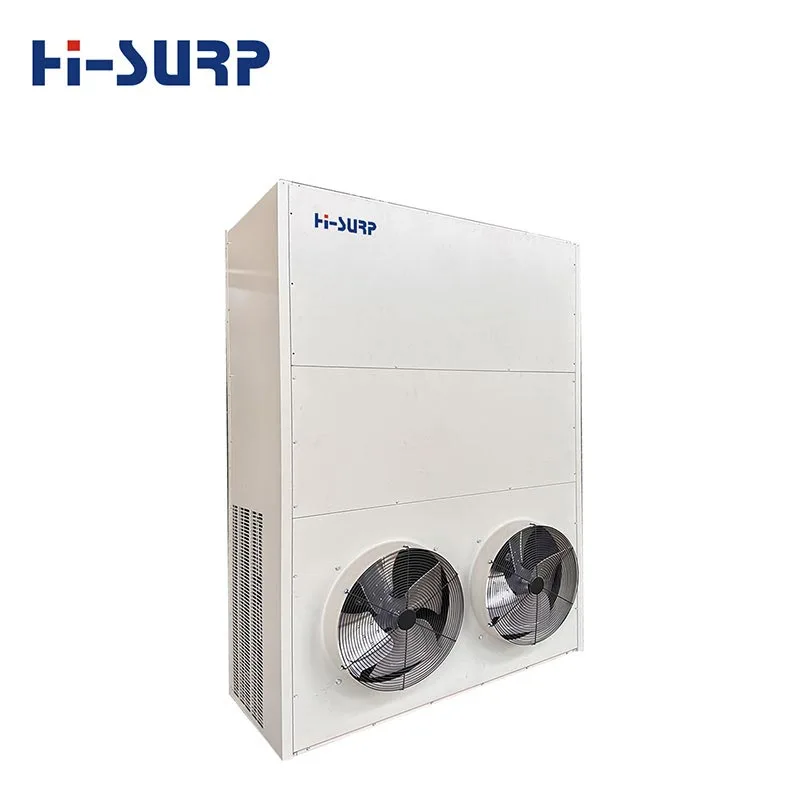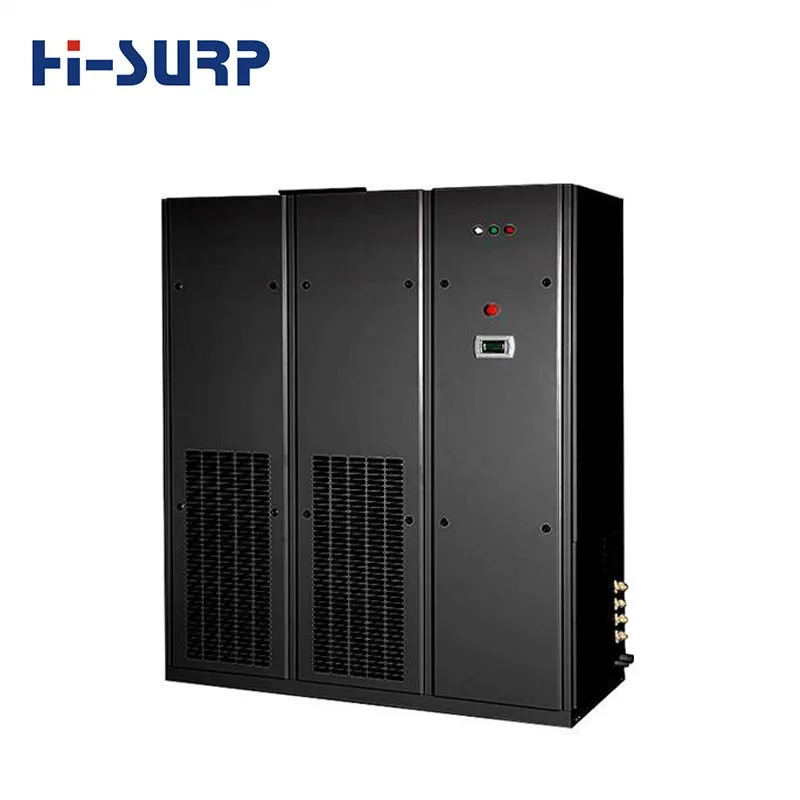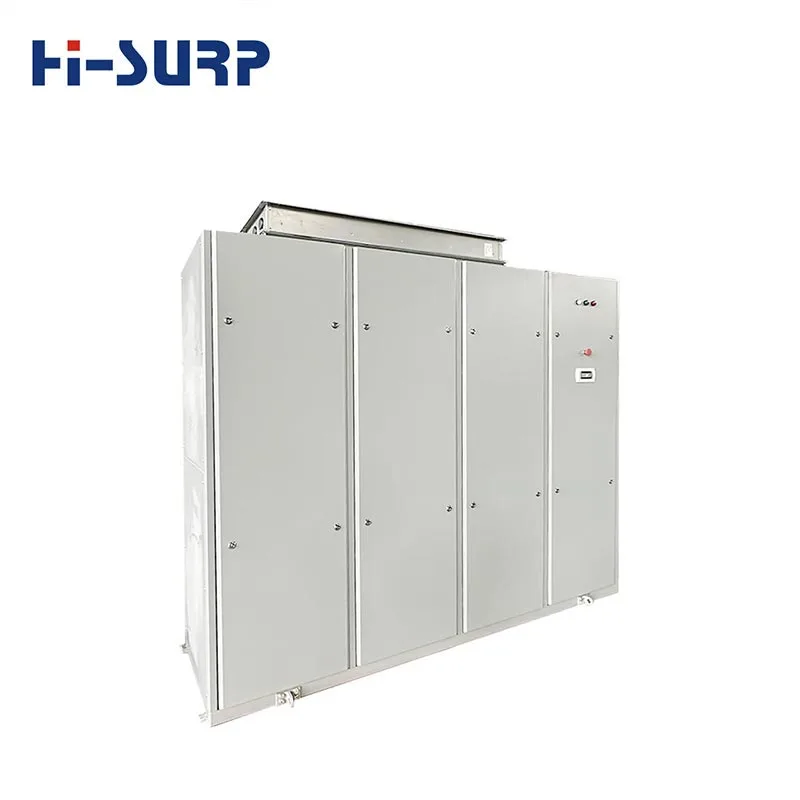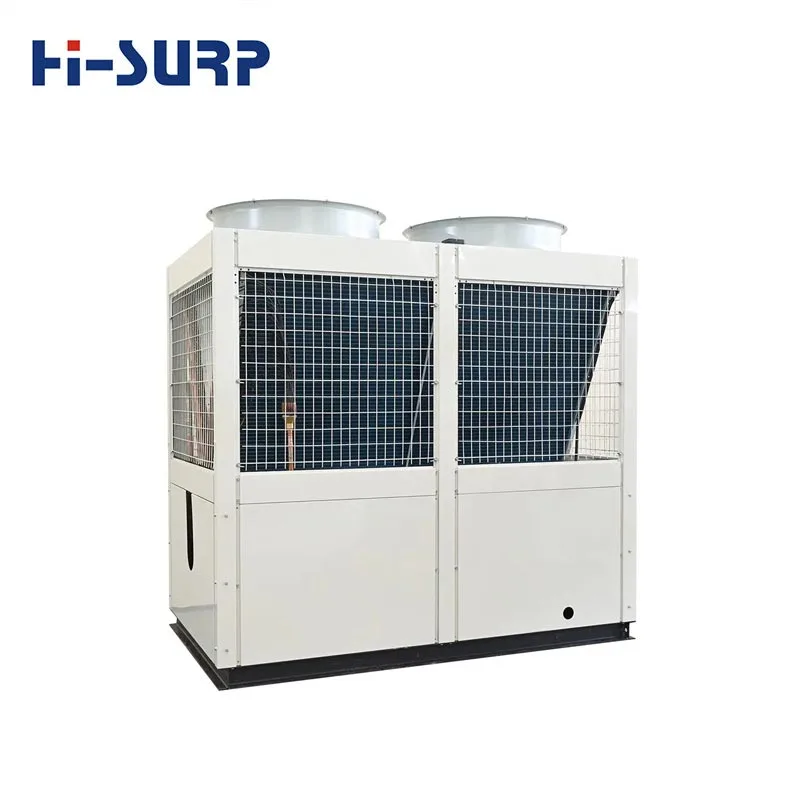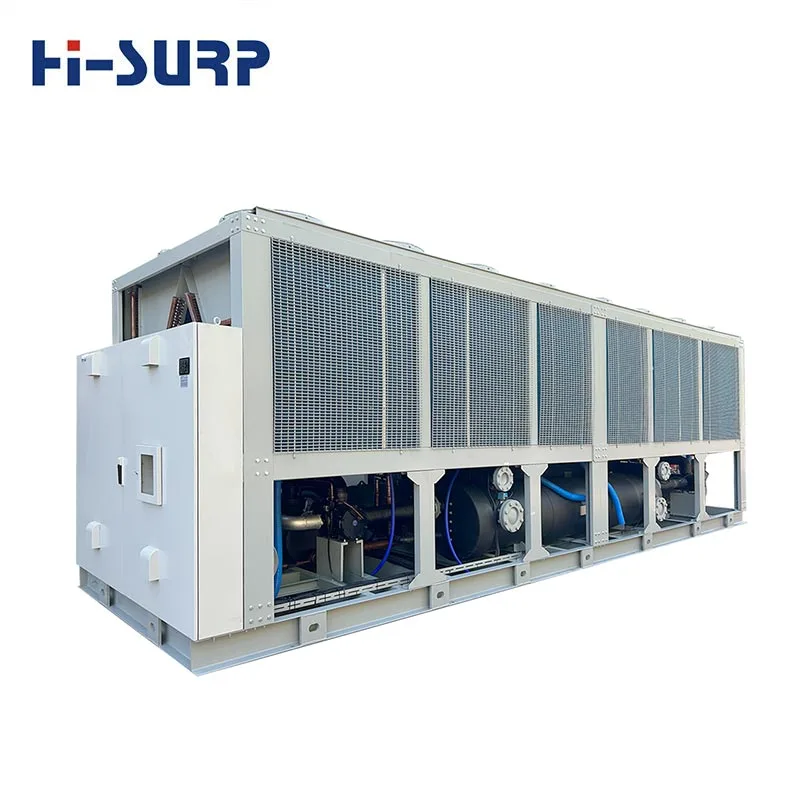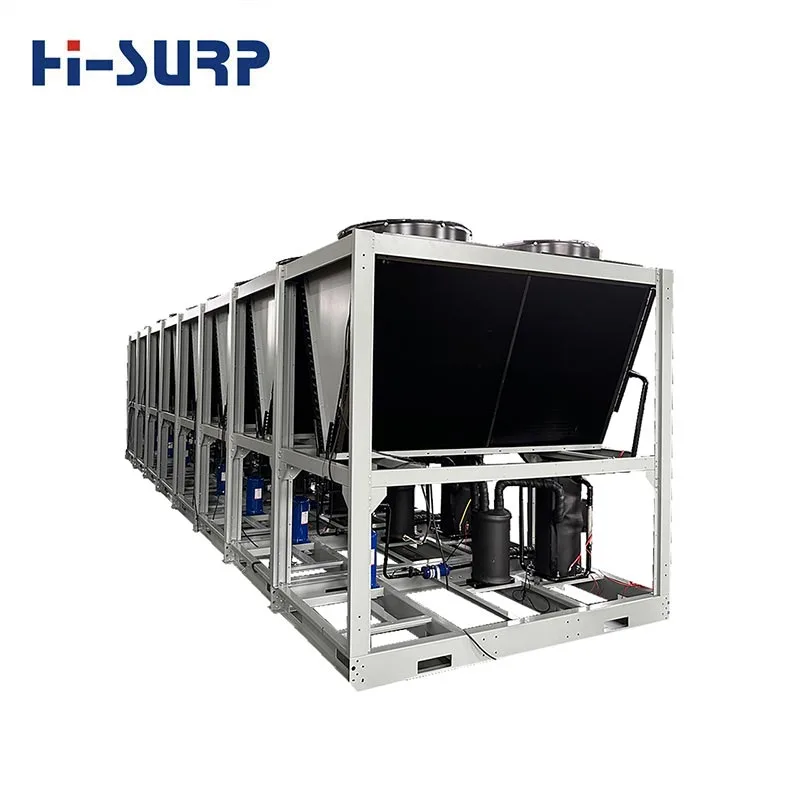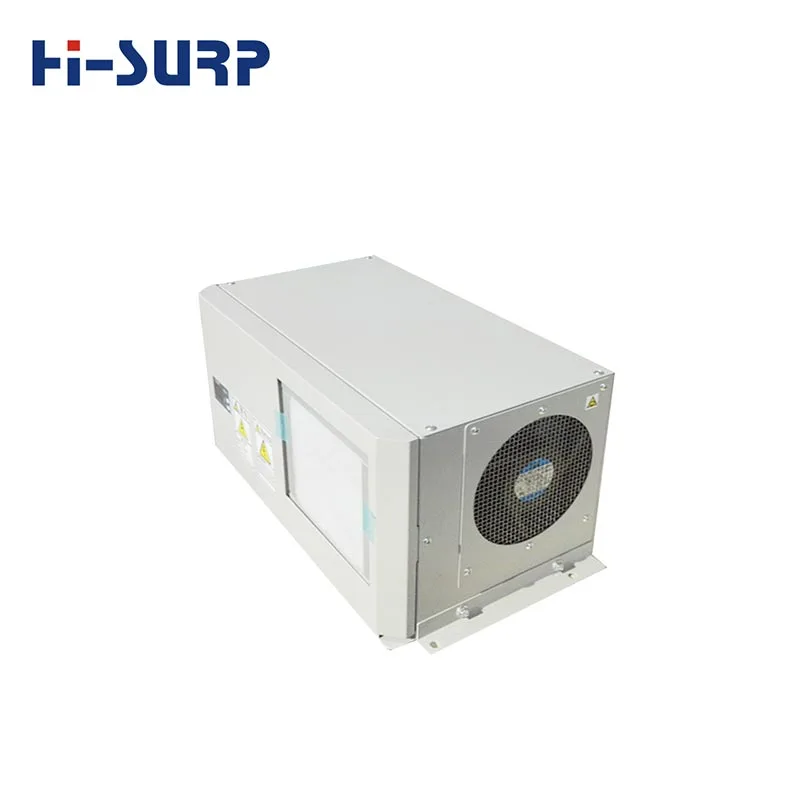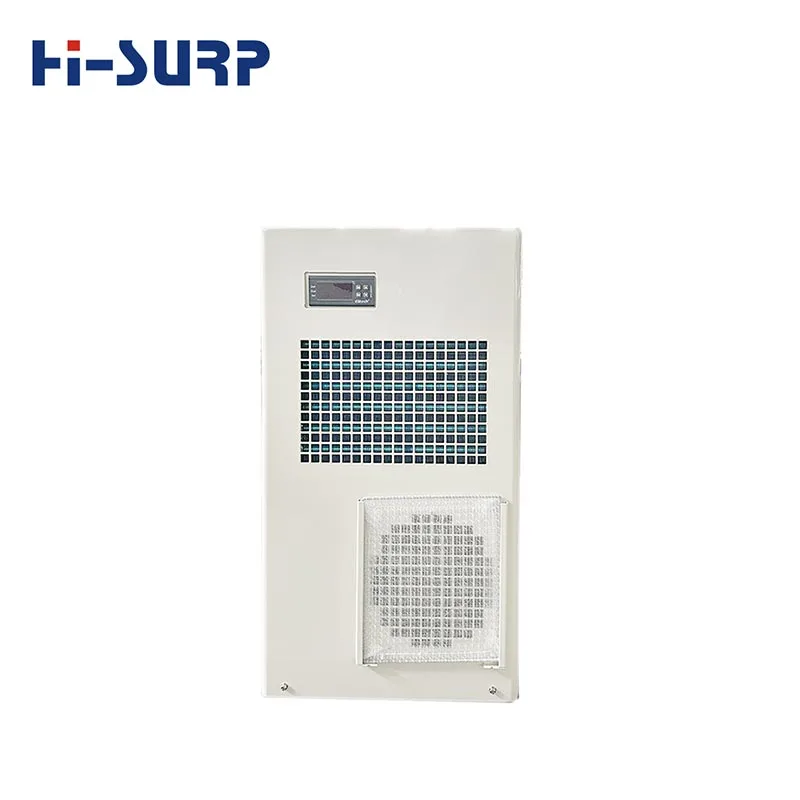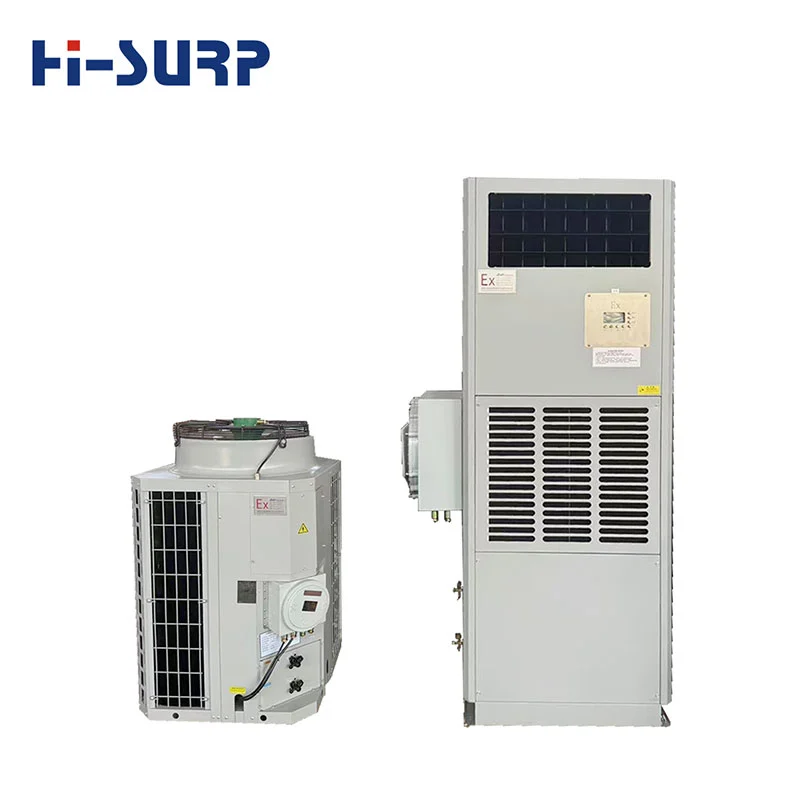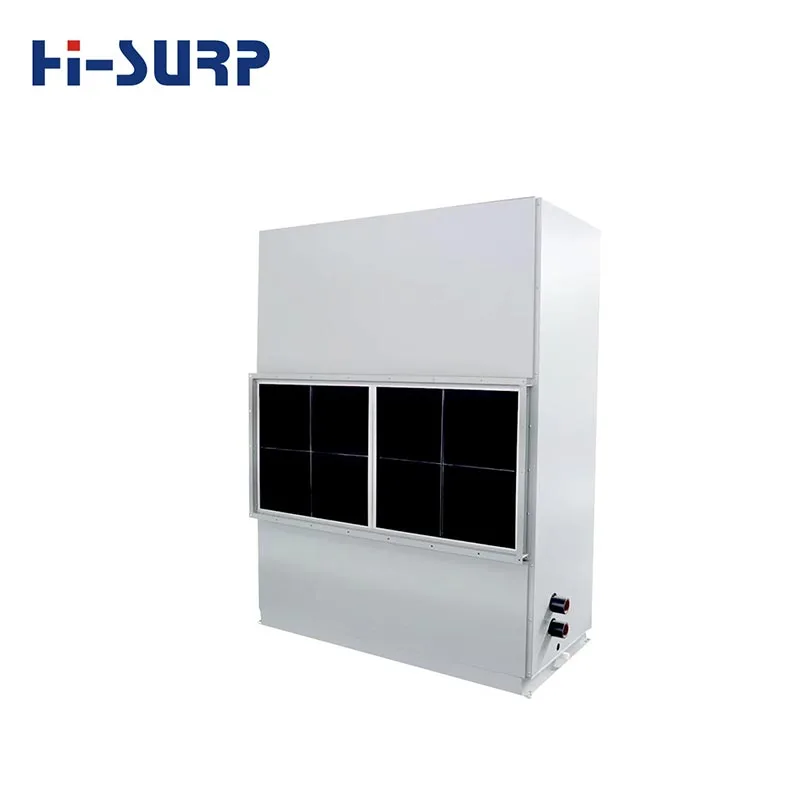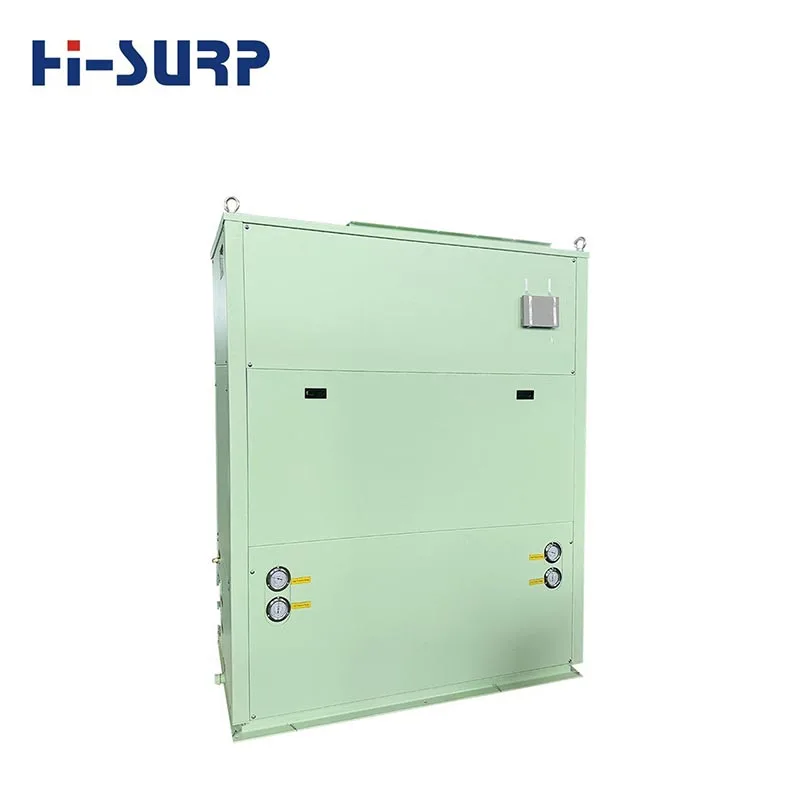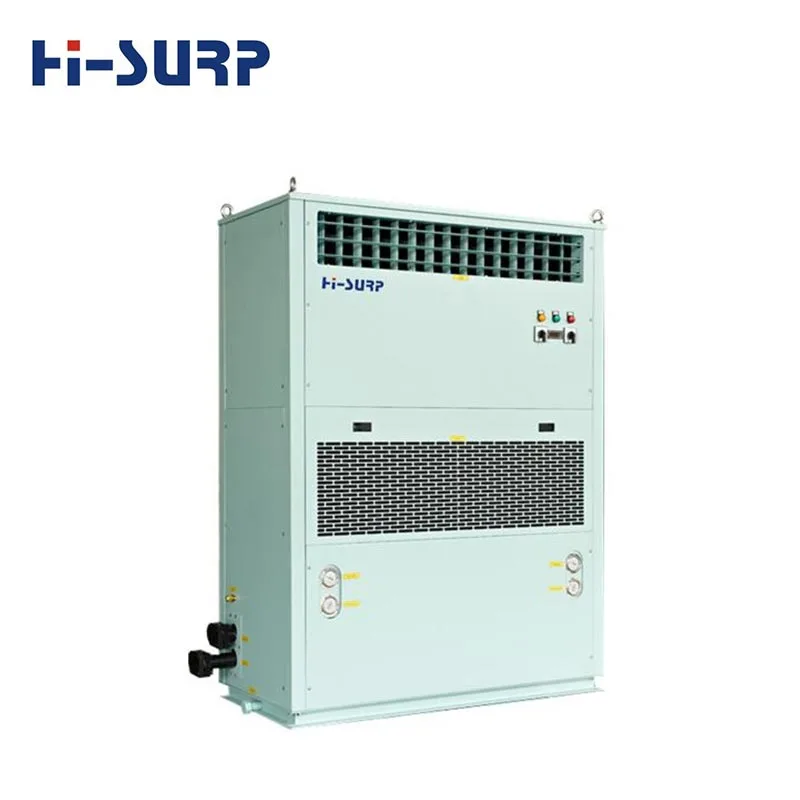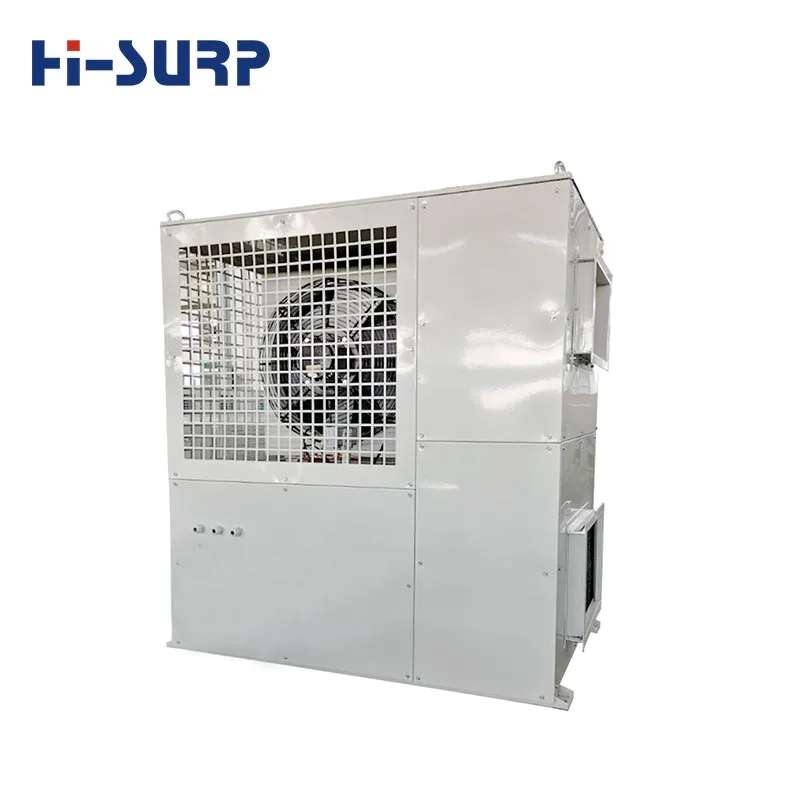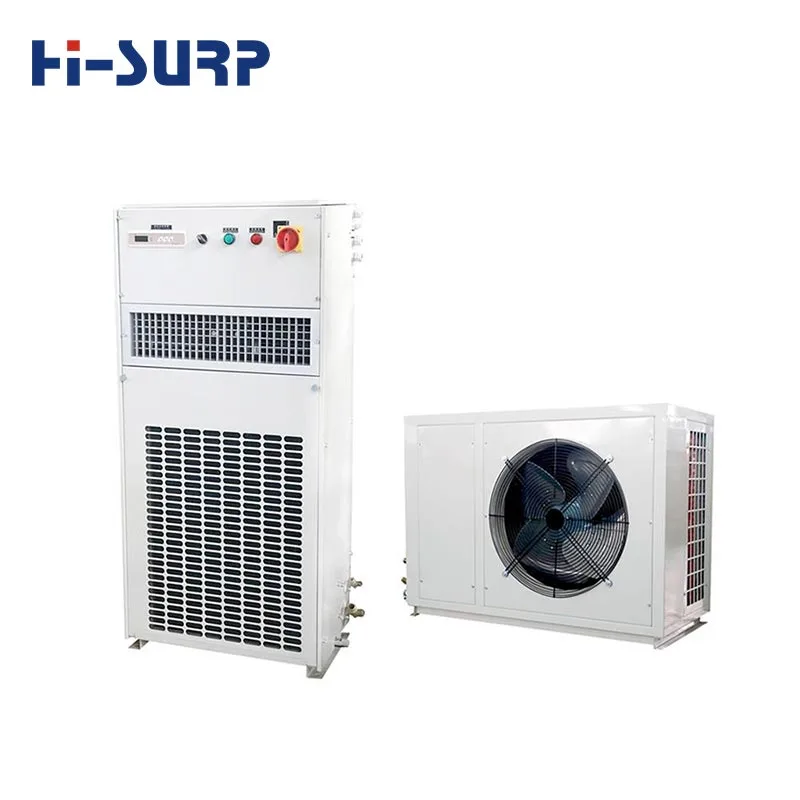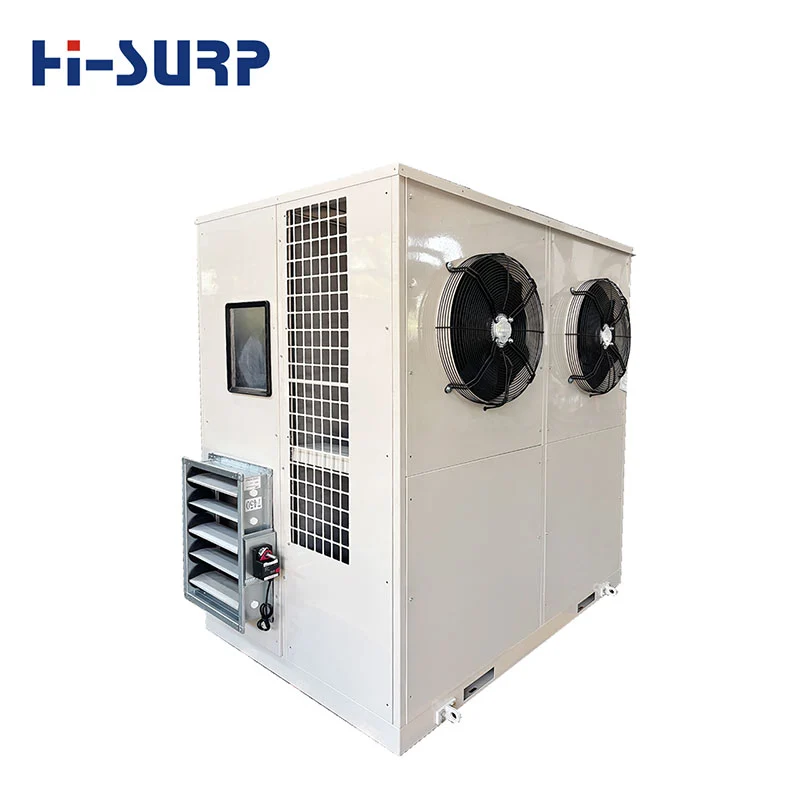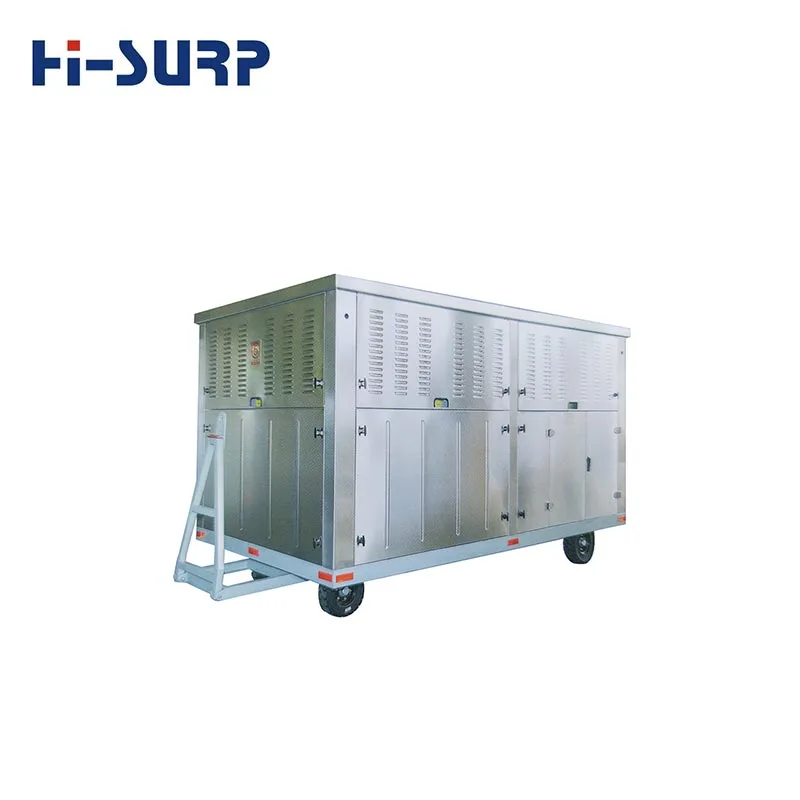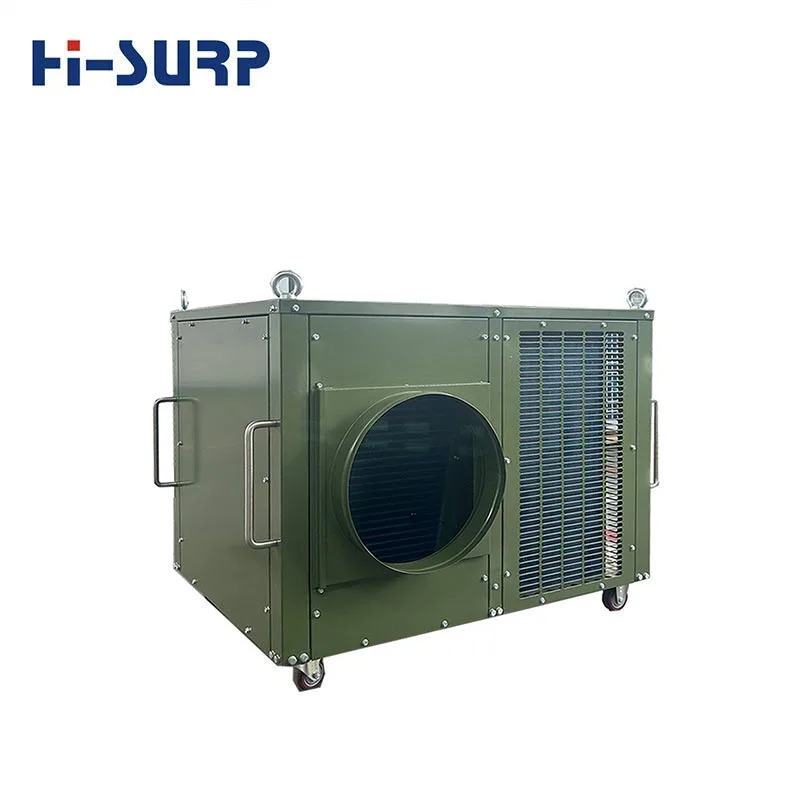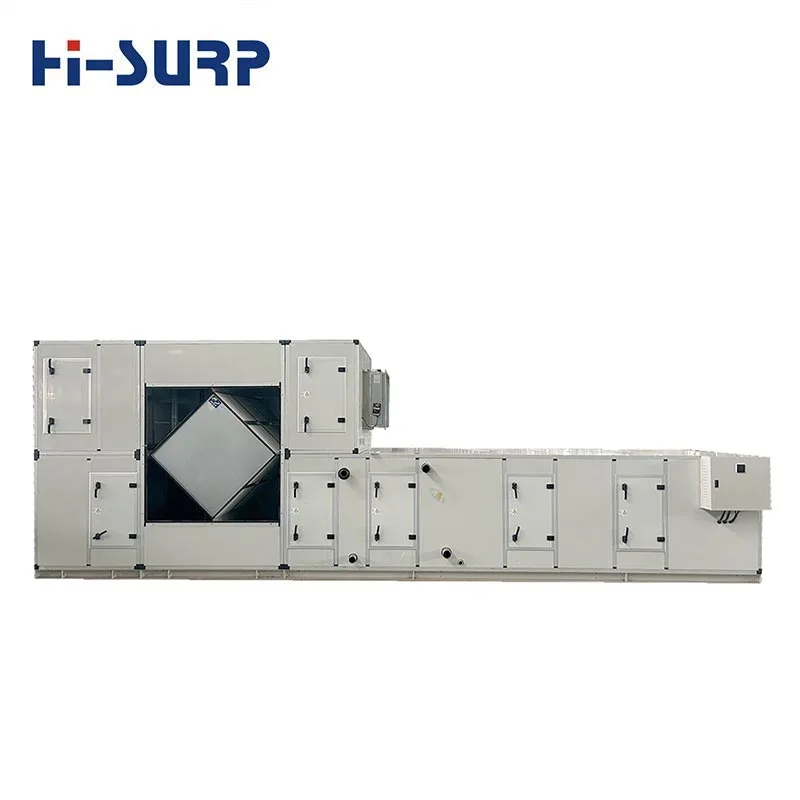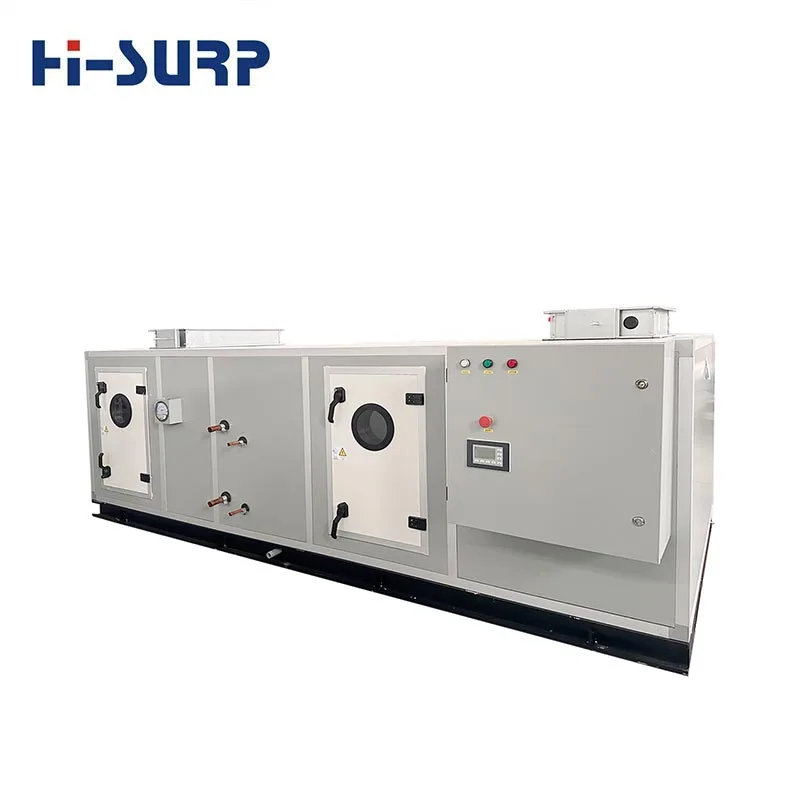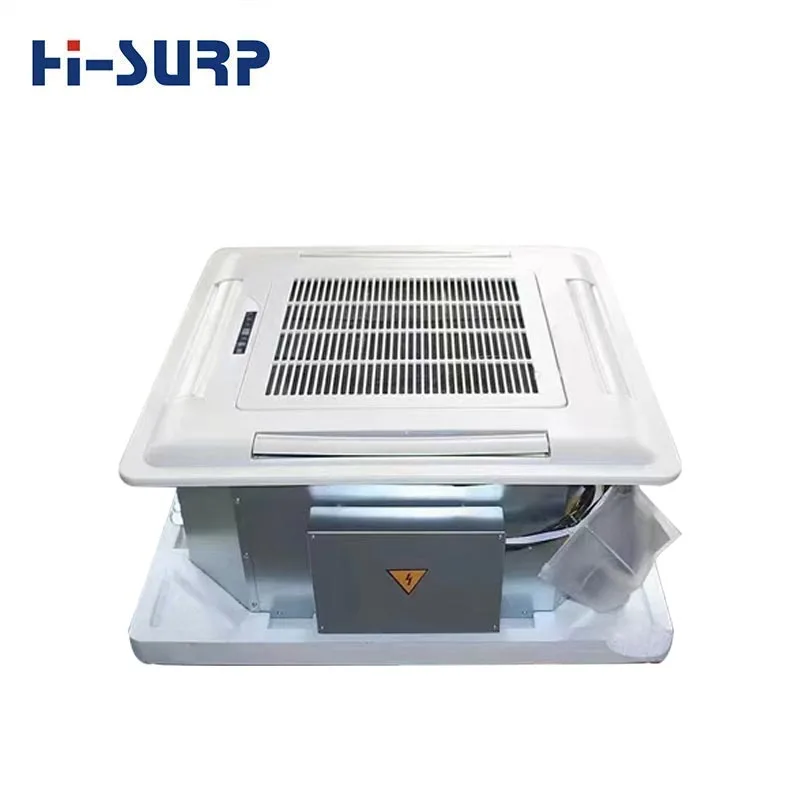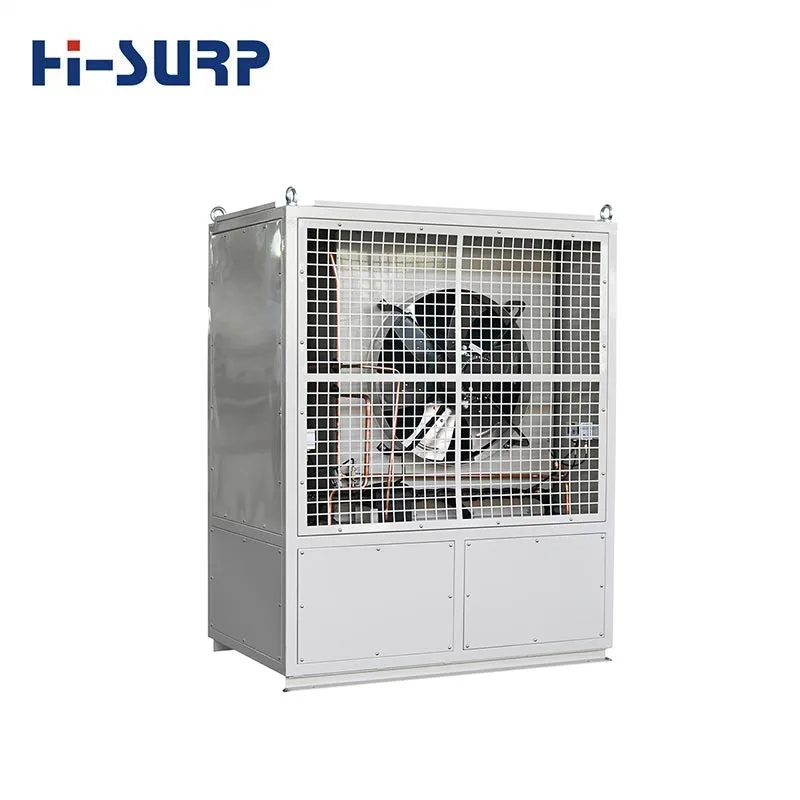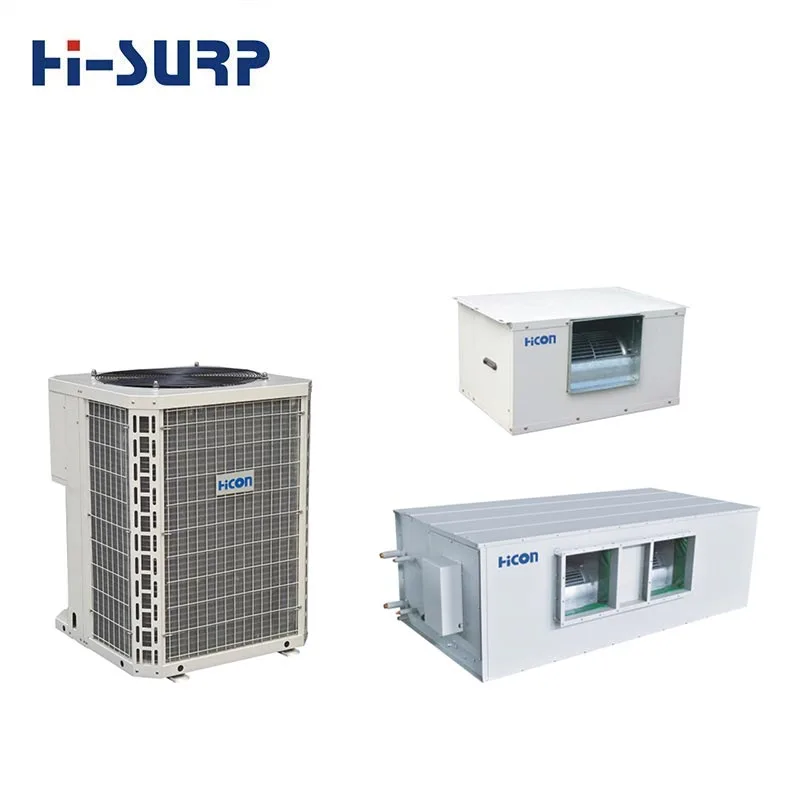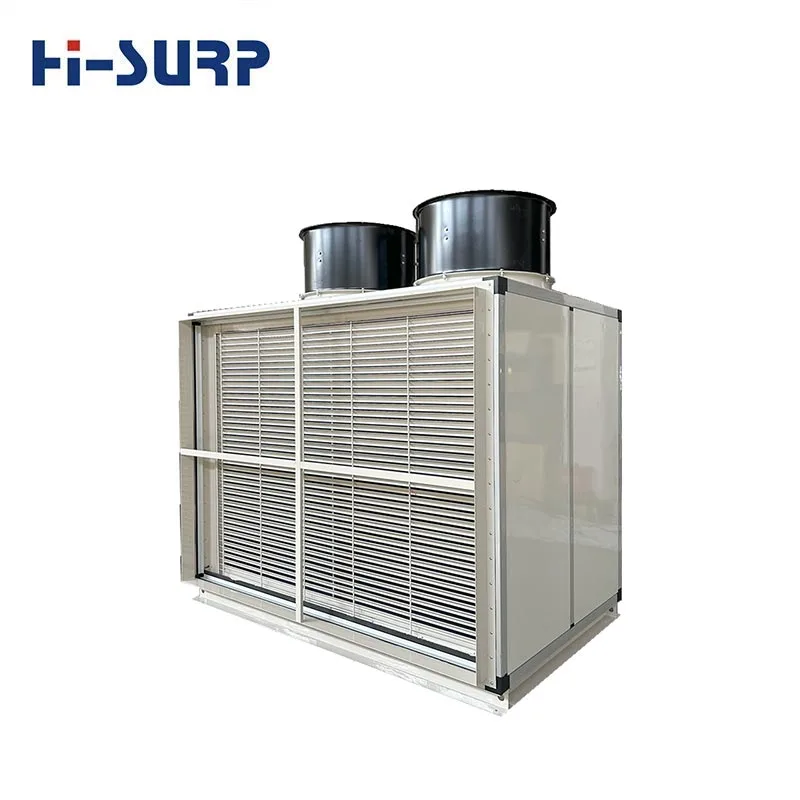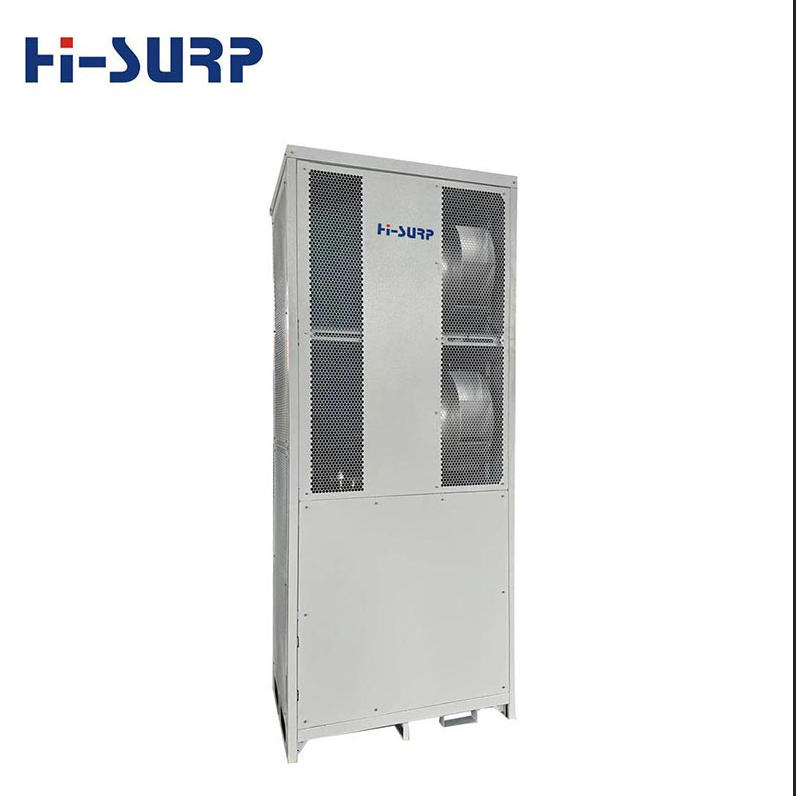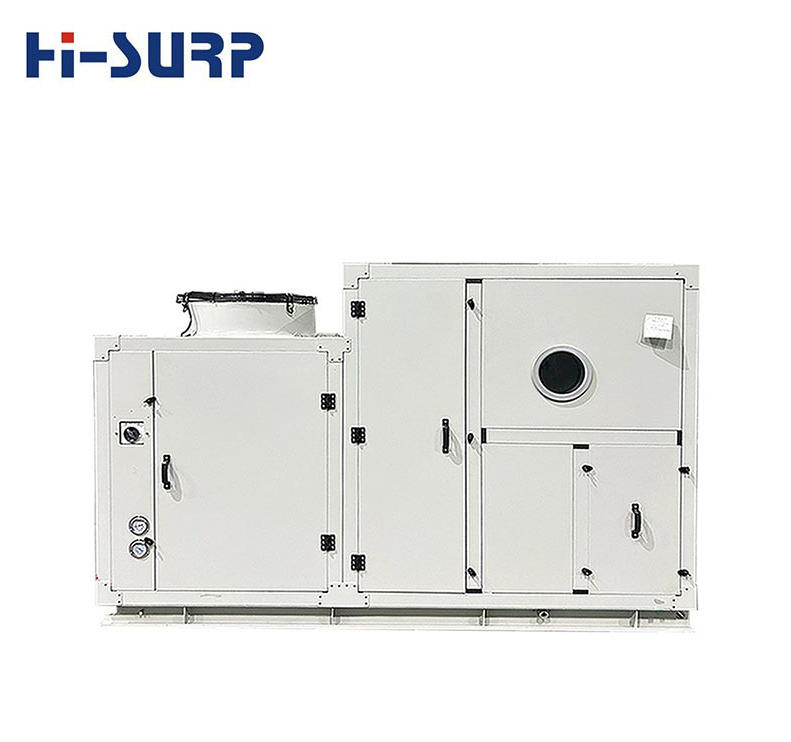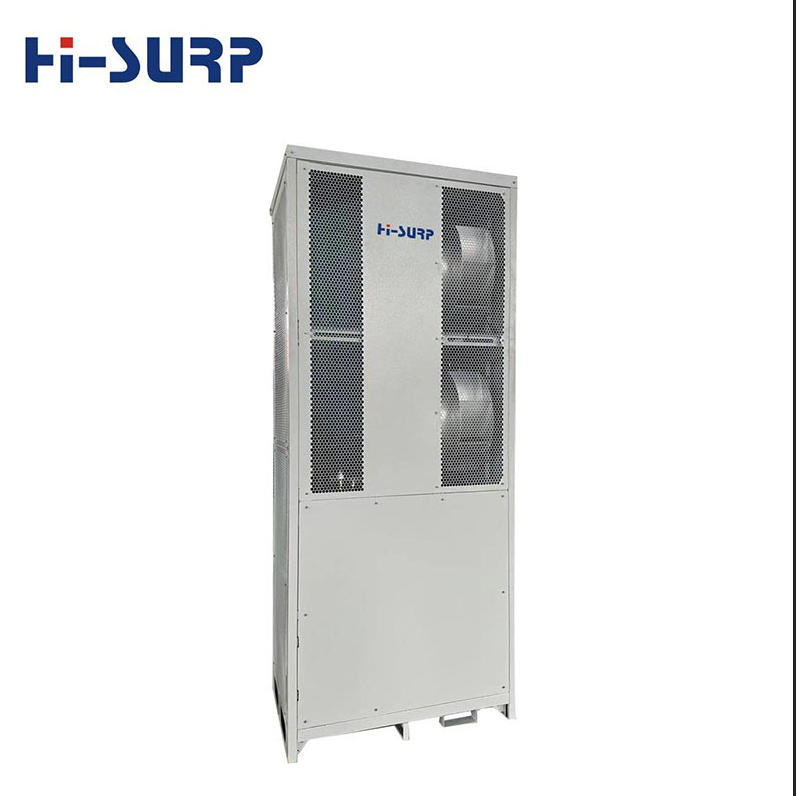
E-House Air Conditioner
A brief introduction of HISURP CAC series E-house Air Conditioners
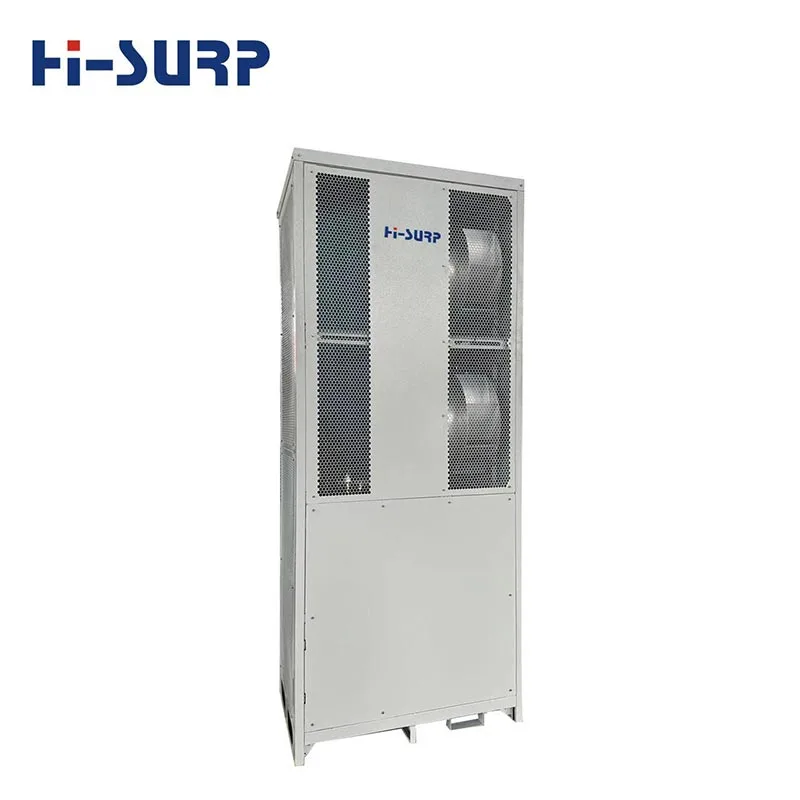
Energy Storage Air Conditioner
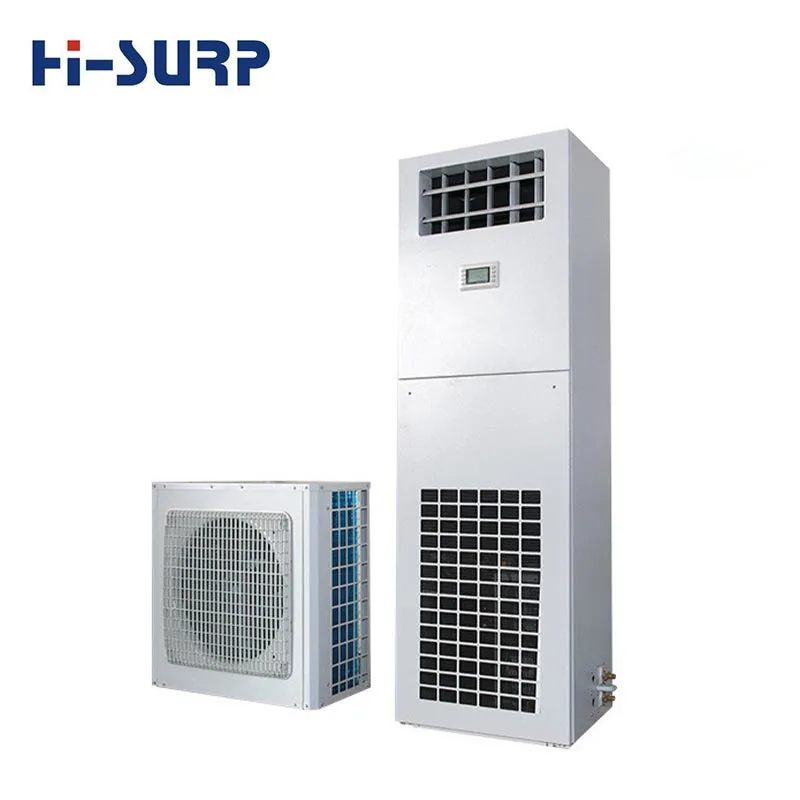
Telecom Air Conditioner

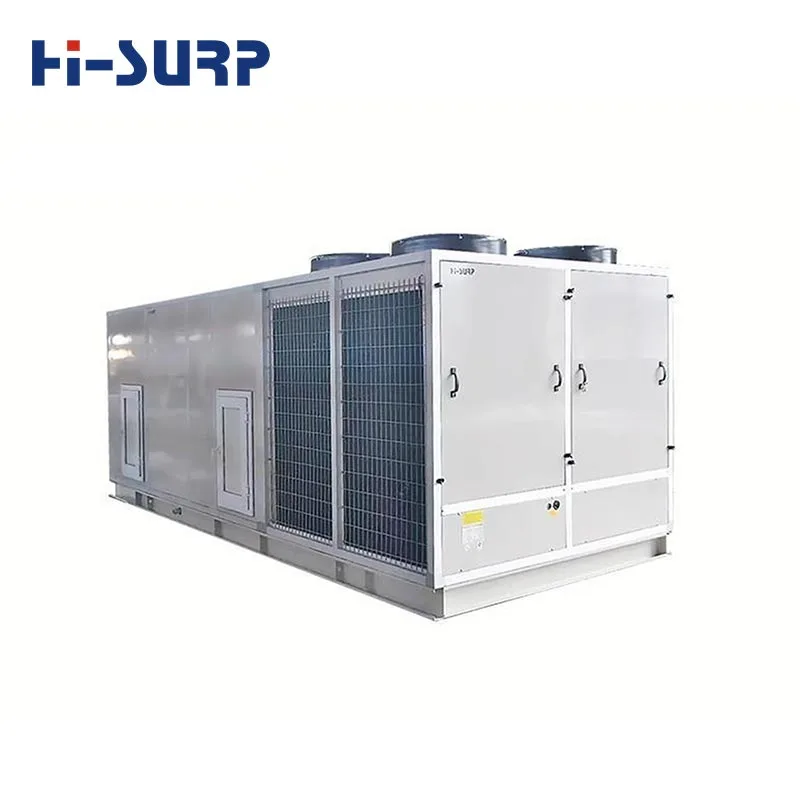
Rooftop Air Conditioner
As seasoned Rooftop Air Conditioner manufacturers, Hisurp is a reputable Chinese factory offering CE-certified products.
Adopting integrated design, the unit combines cooling, heating, ventilation and filtration. It runs steadily, installs effortlessly and cuts energy consumption by 20%-30%, backed by 15-year service life.
Customized solutions and complete after-sales support are accessible. We supply goods in bulk with competitive prices, perfectly fitting diverse building scenarios, serving as your preferred purchasing option.
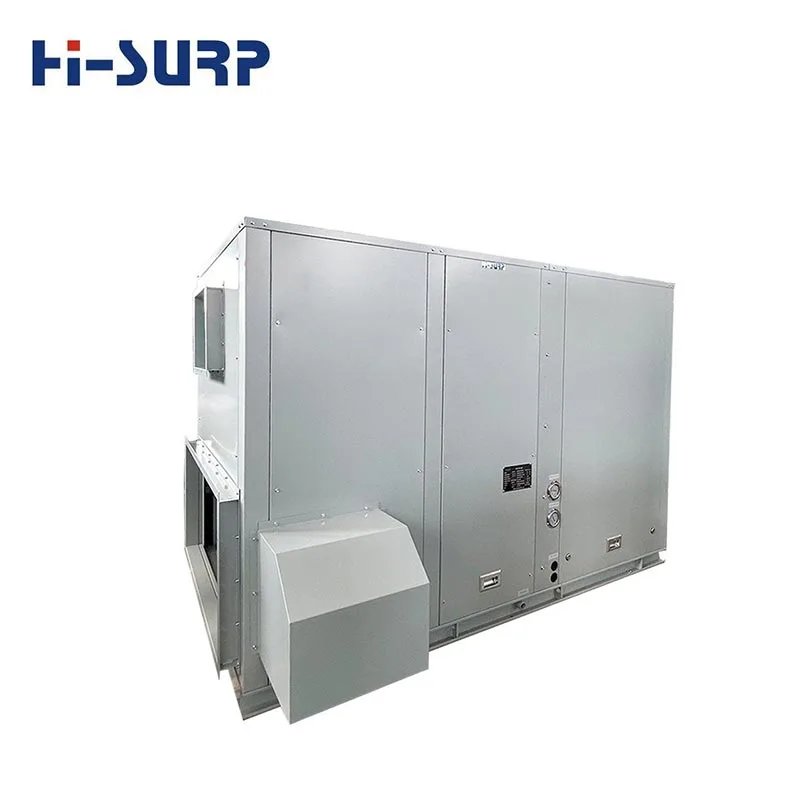
Rooftop Ac
Hisurp Rooftop AC adopts adaptive energy-saving control and DC frequency conversion motor. Ideal for workshops and computer rooms needing uninterrupted cooling, it utilizes free cooling to achieve up to 58% comprehensive energy saving. The unit operates steadily amid -40℃ to 48℃ wide temperature scope. Owning authoritative Certification of ISO9001, every unit undergoes full power-on test before shipment, guaranteeing durable stable performance and eco-friendly energy efficiency.
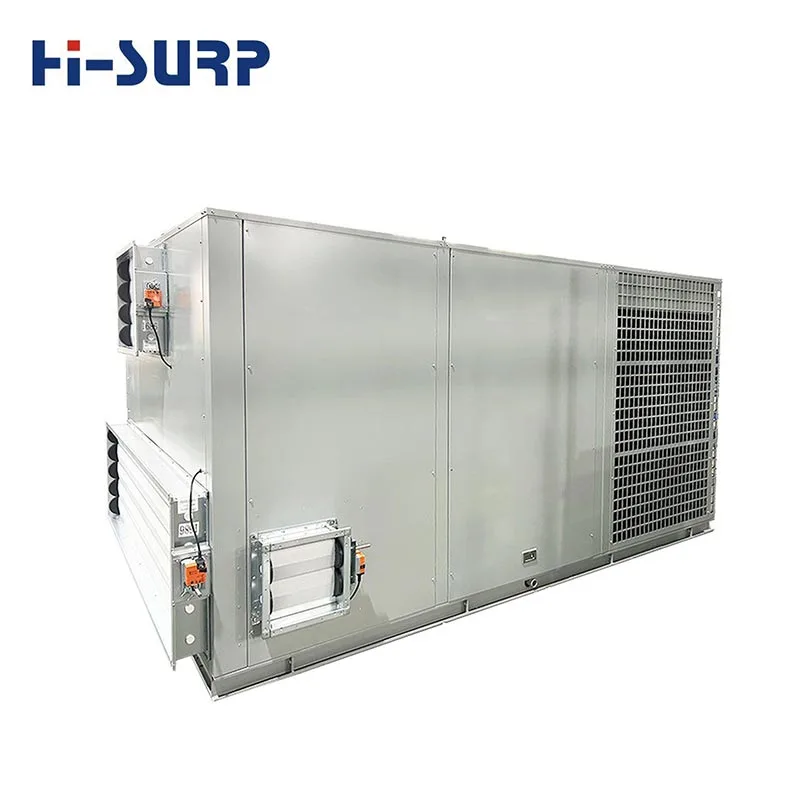
Packaged Air conditioner
Hisurp delivers dependable Packaged Air Conditioner with stable factory production and solid quality assurance. Customized packaged air conditioner supports adjustable cooling capacity, size and functions, fitting multiple application occasions. All products come with 12-month warranty, thoughtful after-sales support to cut purchase risks. Featuring energy efficiency, low noise and easy installation, strictly inspected units are premium cooling choices.
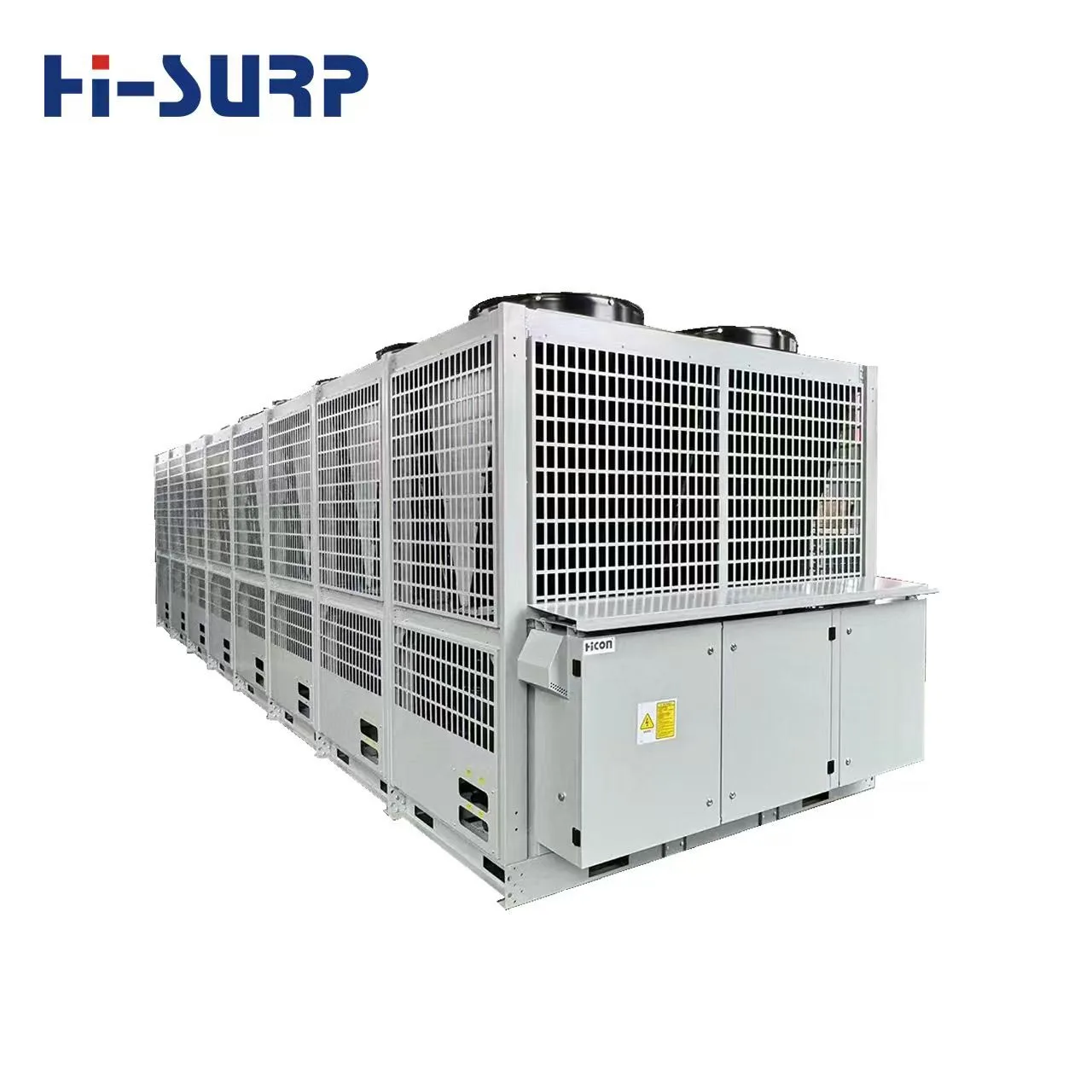
Packaged Unit
Hisurp supplies advanced Packaged unit as all-in-one HVAC equipment. It integrates core components into compact body, realizing fast installation and effortless maintenance. Sturdy quality verified by strict factory tests ensures steady operation, energy conservation and long service lifespan. Adaptable to harsh working conditions with strong anti-interference capability, it cuts daily power consumption and operating expenses. The integrated structure saves occupied space and shortens construction period, perfectly meeting heating and cooling demands of commercial, industrial and public venues.

Air Cooled Precision Air Conditioner

Water Cooled Precision Air Conditioner
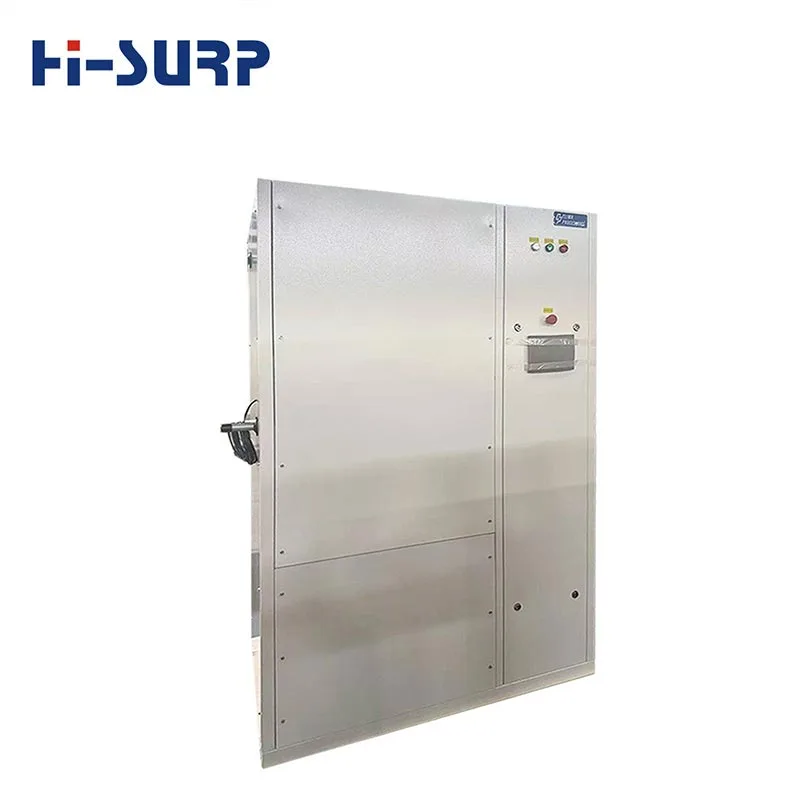
Dual Coil Precision Air Conditioner

Air Cooled Scroll Chiller

Air Cooled Screw Chiller
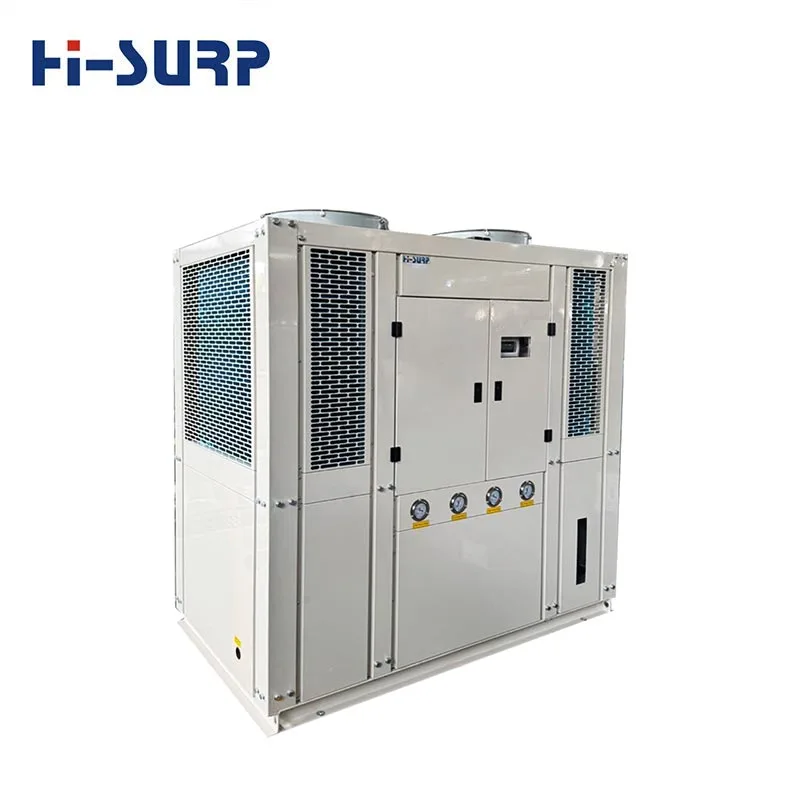
Water Cooled Scroll Chiller
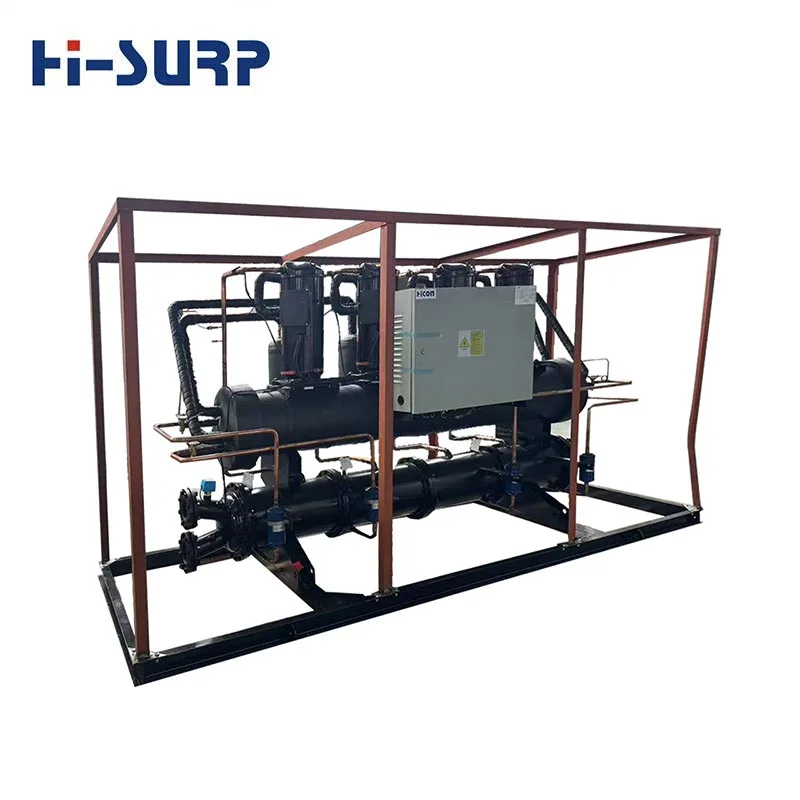
Water Cooled Screw Chiller

Corrosion-Resistant Air Conditioner
Hisurp Corrosion-Resistant Air Conditioner is a type of air conditioning system designed to be enhanced for corrosive environments (especially marine, chemical, salt spray, and high humidity environments).
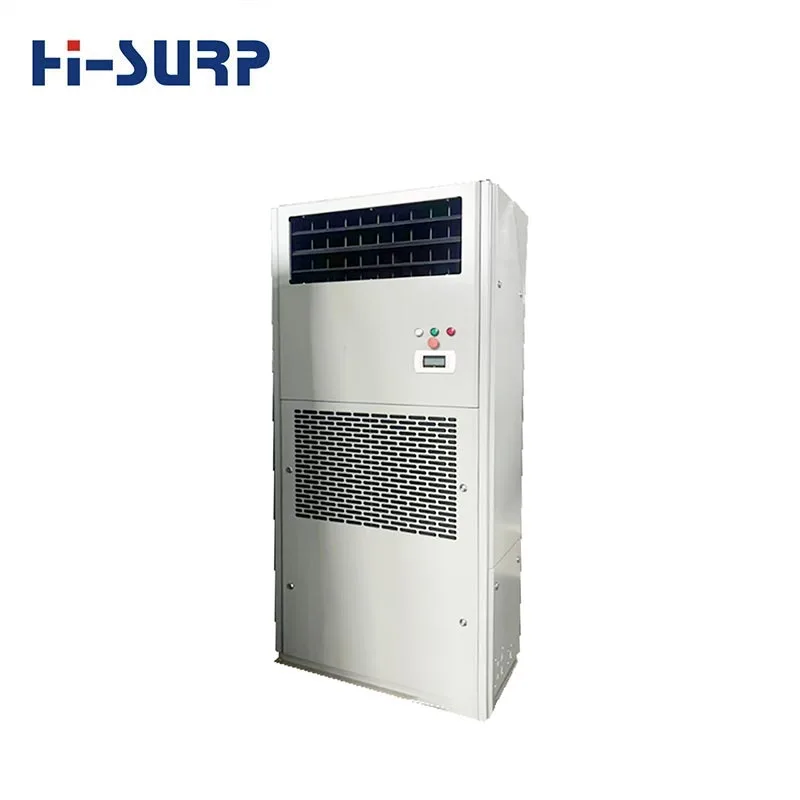
Earthquake-Resistant Air Conditioner
Based on the design concept of "prevention first", Hisurp earthquake-resistant air conditioner uses a series of advanced measures that exceed conventional standards to minimize the risk of damage to the air conditioning system caused by earthquakes, and ensure environmental control and business continuity in critical locations.
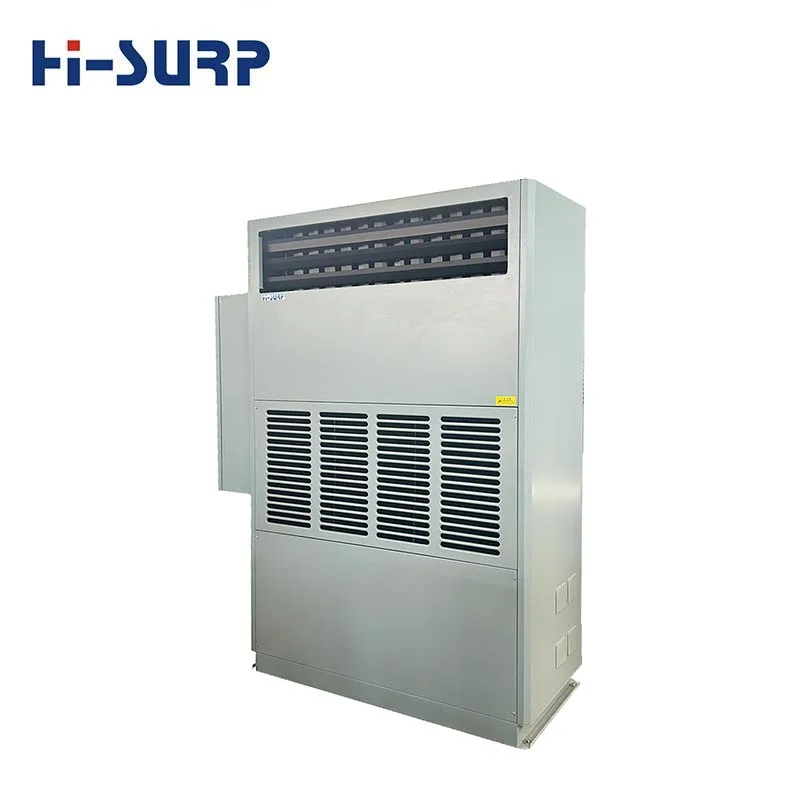
Magnetic-Resistant Air Conditioner
Hisurp Magnetic-Resistant Air Conditioner is an industrial air conditioner designed specifically for strong magnetic field environments. Through a multi-layer shielding system, it ensures stable and durable operation of the unit in a magnetic field environment of ≥2000GS.
In a semiconductor cleanroom, a deviation of just 0.5°C across a wafer processing area can cause variations in photoresist viscosity, leading to inconsistent line widths and reduced chip yields. In a pharmaceutical lyophilization chamber, a temperature gradient of 1°C can affect the crystallization rate of a drug formulation, compromising its stability and shelf life. In a lithium battery manufacturing plant, uneven cooling during electrode coating can create internal stresses that lead to premature cell failure. In each of these critical processes, temperature uniformity is not a comfort metric; it is a quality metric that directly determines product performance and production yield. The Industrial Air Conditioner is the system responsible for maintaining this uniformity, and the choice of cooling technology—air-cooled or liquid-cooled—determines how well it performs.
Liquid cooling Industrial Air Conditioner systems offer a fundamental advantage in temperature uniformity compared to conventional air-cooled systems. The reason lies in the superior heat transfer properties of liquids. Water, for example, has a specific heat capacity of 4.18 kJ/kg·K, which is more than four times that of air (1.005 kJ/kg·K). It also has a thermal conductivity of 0.6 W/m·K, which is about 25 times higher than air (0.025 W/m·K). This means that a liquid cooling system can absorb and transport heat much more efficiently than an air-based system, resulting in faster response times, smaller temperature gradients, and more precise control. This article will examine the technical mechanisms behind the temperature uniformity advantage of liquid cooling Industrial Air Conditioner systems, the applications where this advantage is most critical, and the engineering specifications that define a high-performance system.
To understand why liquid cooling offers a temperature uniformity advantage, we must first examine the fundamental physics of heat transfer. Heat transfer occurs through three mechanisms: conduction, convection, and radiation. In an Industrial Air Conditioner, the primary mechanism is convection—the transfer of heat from a solid surface to a moving fluid. The efficiency of convective heat transfer is described by Newton's law of cooling, which states that the rate of heat transfer is proportional to the surface area, the temperature difference between the surface and the fluid, and the convective heat transfer coefficient (h). The convective heat transfer coefficient depends on the properties of the fluid, including its thermal conductivity, specific heat capacity, viscosity, and density, as well as the flow velocity.
Liquids have a significant advantage over gases in all these properties. Water, the most common liquid coolant, has a thermal conductivity of 0.6 W/m·K, which is about 25 times higher than that of air. This means that for the same temperature difference and surface area, water can transfer heat at a much higher rate. Water also has a specific heat capacity of 4.18 kJ/kg·K, which means it can absorb more heat per unit mass for the same temperature rise. This is critical for temperature uniformity: a liquid cooling system can absorb a sudden heat load without a significant temperature spike, because the liquid acts as a thermal buffer. Air, with its low heat capacity, will experience a rapid temperature rise when a heat load is applied, leading to temperature fluctuations. The table below compares the key thermophysical properties of water and air.
| Property | Water | Air | Advantage Factor (Water/Air) |
| Thermal Conductivity (W/m·K) | 0.60 | 0.025 | 24x |
| Specific Heat Capacity (kJ/kg·K) | 4.18 | 1.005 | 4.2x |
| Density (kg/m³) | 998 | 1.18 | 846x |
| Volumetric Heat Capacity (kJ/m³·K) | 4,172 | 1.19 | 3,506x |
| Convective Heat Transfer Coefficient (W/m²·K) | 500 - 10,000 | 10 - 100 | 50 - 100x |
The volumetric heat capacity of water is 3,506 times higher than that of air. This means that for the same volume flow rate, water can transport 3,506 times more heat for the same temperature rise. In practical terms, this translates into a much smaller temperature gradient across the cooling system and a much faster response to changes in heat load. At Ningbo Hicon Industry Co., Ltd., our factory designs liquid cooling Industrial Air Conditioner systems that leverage these properties to achieve temperature uniformity of +/- 0.5°C or better, even in applications with highly variable heat loads.
Air-cooled Industrial Air Conditioner systems are the conventional solution for most industrial cooling applications. They are simpler, less expensive, and easier to install than liquid cooling systems. However, they have inherent limitations that make it difficult to achieve high levels of temperature uniformity. The first limitation is the low heat capacity of air. When a heat load is applied to an air-cooled system, the air temperature rises quickly. The system must then increase the airflow or reduce the refrigerant temperature to compensate. This creates a lag in the response, during which the temperature can deviate from the set point. In applications with rapidly changing heat loads, this lag can result in significant temperature fluctuations.
The second limitation is the non-uniform airflow distribution. In a typical air-cooled Industrial Air Conditioner, the air is distributed through ducts and diffusers. The velocity and temperature of the air can vary significantly across the room, creating hot spots and cold spots. The temperature uniformity depends on the room geometry, the location of the equipment, and the placement of the supply and return air vents. Achieving uniform airflow in a large industrial space is a complex engineering challenge. The third limitation is the influence of external factors. Air-cooled systems are sensitive to the ambient temperature and humidity, which can vary throughout the day and the year. They are also affected by the heat generated by other equipment in the room. The table below summarizes the factors that cause temperature non-uniformity in air-cooled systems.
| Factor | Mechanism | Impact on Uniformity |
| Low Heat Capacity of Air | Rapid temperature rise under load | Temperature fluctuations during load changes |
| Non-Uniform Airflow | Duct design, diffuser placement | Hot spots and cold spots in the room |
| Ambient Temperature Variation | Daily and seasonal changes | Shift in cooling capacity and temperature |
| Internal Heat Loads | Equipment heat generation | Localized temperature increases |
| Room Geometry | Obstacles, ceiling height | Stratification and uneven distribution |
At our factory, we have conducted extensive comparative testing of air-cooled and liquid-cooled Industrial Air Conditioner systems. In a typical test, we measured the temperature uniformity in a controlled environment with a simulated heat load. The air-cooled system achieved a uniformity of +/- 2.5°C, while the liquid-cooled system achieved +/- 0.5°C. This five-fold improvement in uniformity is the direct result of the superior heat transfer properties of the liquid coolant and the more precise control that it enables.
Liquid cooling Industrial Air Conditioner systems achieve precision temperature control through a combination of advanced heat transfer design, precise flow control, and intelligent control algorithms. The heat transfer design is based on a closed-loop circuit in which the coolant is circulated between the heat source and a chiller or heat exchanger. The coolant absorbs heat from the process or the equipment and transports it to the chiller, where it is rejected to the environment. The flow rate of the coolant is precisely controlled to match the heat load. The temperature of the coolant is also controlled, typically by adjusting the chiller's capacity or by mixing the return coolant with the supply coolant. The control system uses feedback from temperature sensors to maintain the set point with high accuracy. The table below summarizes the key components and control parameters of a liquid cooling system.
| Component | Function | Control Parameter | Typical Range |
| Circulation Pump | Drives coolant through the circuit | Flow rate | 10 - 200 L/min |
| Chiller | Removes heat from the coolant | Coolant temperature | 5 - 25°C |
| Control Valve | Regulates flow to the load | Valve position | 0 - 100% |
| Temperature Sensor | Monitors coolant temperature | Temperature | +/- 0.1°C accuracy |
| PLC Controller | Manages the system | PID parameters | Proportional, integral, derivative |
At Ningbo Hicon Industry Co., Ltd., our factory has developed a proprietary control algorithm that optimizes the response of the liquid cooling system to changes in heat load. The algorithm uses a predictive model to anticipate changes in heat load based on the operating cycle of the equipment, and it adjusts the coolant flow and temperature proactively. This predictive control reduces the temperature deviation during load transitions by up to 70% compared to conventional PID control. The result is a level of temperature uniformity that is simply not achievable with air-cooled systems.
Temperature uniformity is critical in a wide range of industrial applications. The following are some of the most demanding applications where liquid cooling Industrial Air Conditioner systems are the preferred choice. In the semiconductor industry, photolithography and etching processes require temperature uniformity of +/- 0.1°C or better across the wafer surface. Any deviation can cause critical dimension variations that reduce chip performance and yield. In the pharmaceutical industry, bioreactors and lyophilization chambers require uniform temperature to ensure consistent cell culture growth and drug formulation stability. In the medical imaging industry, MRI and CT scanners require uniform temperature to maintain image quality and prevent artifacts. In the laser industry, high-power lasers require uniform cooling to prevent thermal lensing and beam distortion.
The table below summarizes the temperature uniformity requirements for different industries and applications.
| Industry | Application | Required Uniformity | Cooling Technology |
| Semiconductor | Photolithography | +/- 0.1°C | Liquid cooling |
| Pharmaceutical | Bioreactor | +/- 0.5°C | Liquid cooling |
| Medical Imaging | MRI Scanner | +/- 0.5°C | Liquid cooling |
| Laser | High-Power Laser | +/- 0.2°C | Liquid cooling |
| Battery Manufacturing | Electrode Coating | +/- 1.0°C | Liquid cooling |
| Food Processing | Chocolate Tempering | +/- 0.5°C | Liquid cooling |
At our factory, we have supplied liquid cooling Industrial Air Conditioner systems for all these applications. Our experience has shown that the temperature uniformity advantage of liquid cooling translates directly into improved product quality, higher yield, and reduced operating costs. In one case, a semiconductor manufacturer was able to improve its photolithography yield by 3% after switching from an air-cooled to a liquid-cooled system. In another case, a pharmaceutical company was able to reduce its lyophilization cycle time by 15% while improving product stability.
The performance of a liquid cooling Industrial Air Conditioner is defined by a set of technical specifications that determine its cooling capacity, temperature stability, and energy efficiency. The most important specifications are cooling capacity, temperature stability, coolant flow rate, coolant temperature range, and power consumption. The cooling capacity is the amount of heat that the system can remove per unit time, typically measured in kilowatts (kW) or tons of refrigeration (TR). The temperature stability is the ability of the system to maintain the set point, typically expressed as +/- °C. The coolant flow rate is the volume of coolant circulated per unit time, typically measured in liters per minute (L/min). The coolant temperature range is the range of temperatures that the system can maintain. The power consumption is the electrical power required to operate the system, typically measured in kilowatts (kW). The table below provides the specifications for a typical high-performance liquid cooling system from our factory.
| Specification | Value | Notes |
| Cooling Capacity | 5 - 500 kW | Customizable to application |
| Temperature Stability | +/- 0.1°C to +/- 0.5°C | Depends on control configuration |
| Coolant Flow Rate | 10 - 500 L/min | Variable speed pump |
| Coolant Temperature Range | 5°C - 30°C | Adjustable set point |
| Coolant Type | Water / Glycol Mixture | Glycol for freeze protection |
| Power Consumption | 2 - 150 kW | Depends on cooling capacity |
| Noise Level | < 75 dB(A) | At 1 meter distance |
| Refrigerant | R410A, R134a, R32 | Low GWP options available |
At Ningbo Hicon Industry Co., Ltd., our factory manufactures liquid cooling Industrial Air Conditioner systems to meet the specific requirements of each application. We use high-quality components, including stainless steel heat exchangers, variable-speed pumps, and precision temperature sensors. Our control systems are designed for easy integration with the customer's process control system, with options for Modbus, Profibus, and Ethernet communication. We also provide comprehensive testing and documentation to ensure that our systems meet the highest standards of performance and reliability.
Question 1: What is the typical temperature uniformity achieved by a liquid cooling Industrial Air Conditioner?
Answer: A high-performance liquid cooling Industrial Air Conditioner can achieve temperature uniformity of +/- 0.1°C to +/- 0.5°C, depending on the control configuration and the application. This is significantly better than air-cooled systems, which typically achieve +/- 2°C to +/- 5°C. The superior uniformity is due to the higher heat capacity and thermal conductivity of the liquid coolant, which allows for more precise control of the heat transfer process.
Question 2: Is liquid cooling always more expensive than air cooling?
Answer: The initial cost of a liquid cooling system is generally higher than that of an air-cooled system, due to the additional components such as the chiller, pump, and piping. However, the total cost of ownership may be lower in applications where temperature uniformity is critical. The improved product quality, higher yield, and reduced energy consumption can offset the higher initial cost. At our factory, we can provide a total cost of ownership analysis for your specific application.
Question 3: What maintenance is required for a liquid cooling Industrial Air Conditioner?
Answer: The maintenance requirements for a liquid cooling system are similar to those of an air-cooled system, with some additional tasks related to the coolant circuit. These include checking the coolant level and concentration, inspecting the pump and heat exchanger for leaks or fouling, and replacing the coolant filter periodically. The chiller and air handling components also require regular maintenance. Our factory provides a detailed maintenance manual and offers service contracts to ensure that your system operates reliably.
Question 4: Can a liquid cooling system be retrofitted to an existing air-cooled installation?
Answer: In some cases, a liquid cooling system can be retrofitted to an existing installation. However, this is a complex project that requires careful planning. The existing air handling equipment may need to be modified or replaced, and the piping and chiller must be installed. The control system must also be integrated. At our factory, we can assess the feasibility of a retrofit and provide a turnkey solution if it is practical.
Question 5: What is the typical lifespan of a liquid cooling Industrial Air Conditioner?
Answer: A well-maintained liquid cooling Industrial Air Conditioner can have a lifespan of 15 to 20 years or more. The lifespan depends on the quality of the components, the operating conditions, and the maintenance practices. Our factory uses high-quality materials and components to ensure long service life. We also provide after-sales support and spare parts to keep your system operating at peak performance.
The temperature uniformity advantage of liquid cooling Industrial Air Conditioner systems is a direct consequence of the superior heat transfer properties of liquids. Water and other liquid coolants have much higher thermal conductivity, specific heat capacity, and density than air, which allows them to absorb and transport heat more efficiently and with greater precision. This translates into tighter temperature control, faster response times, and smaller temperature gradients. In applications where temperature uniformity is critical—such as semiconductor manufacturing, pharmaceuticals, medical imaging, and laser systems—liquid cooling is the only technology that can meet the requirements. At Ningbo Hicon Industry Co., Ltd., our factory designs and manufactures liquid cooling Industrial Air Conditioner systems that deliver the highest levels of temperature uniformity and reliability. Our engineering team works closely with customers to understand their specific requirements and to provide a customized solution that meets their performance and budget goals.
If your process requires precise temperature control, we invite you to contact us to discuss your application. We can provide a detailed technical analysis, performance specifications, and a cost-benefit comparison of liquid cooling versus air cooling for your specific needs. Let us help you achieve the temperature uniformity that your process demands.
Contact Ningbo Hicon Industry Co., Ltd. today to learn more about our liquid cooling Industrial Air Conditioner systems and how they can improve your process temperature uniformity.