
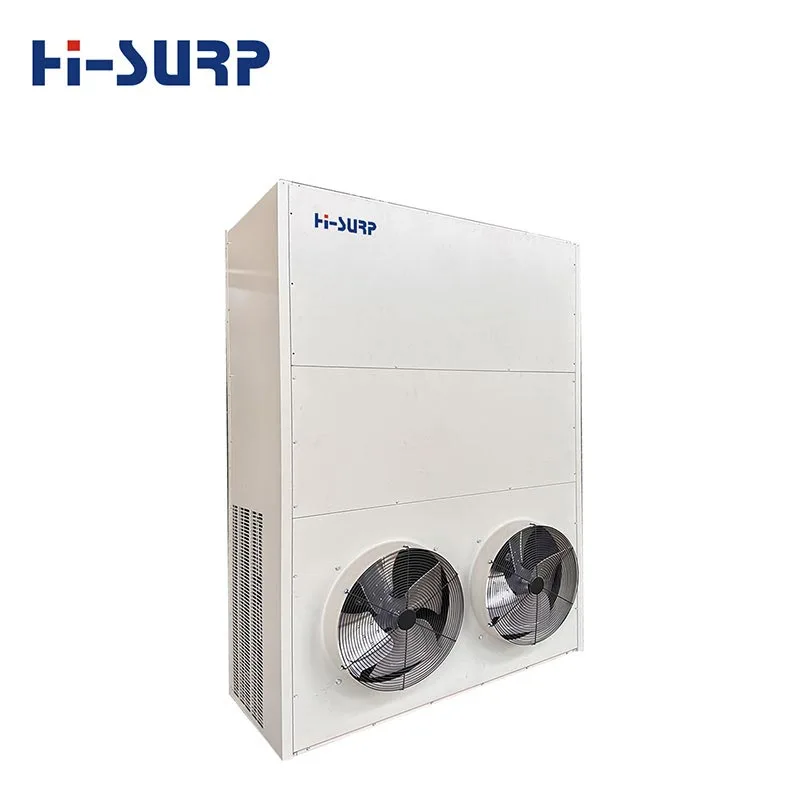
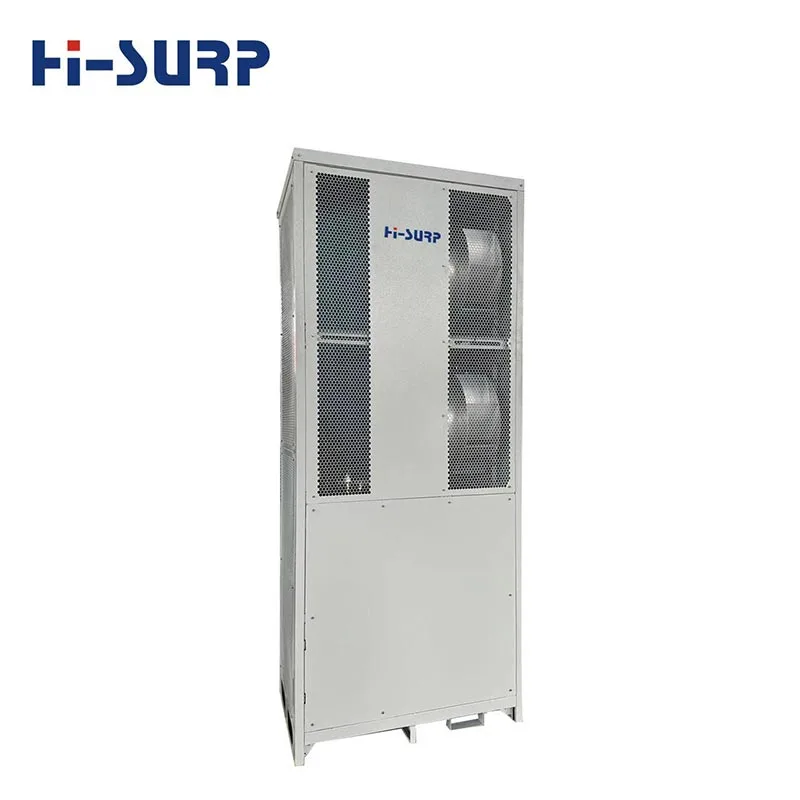
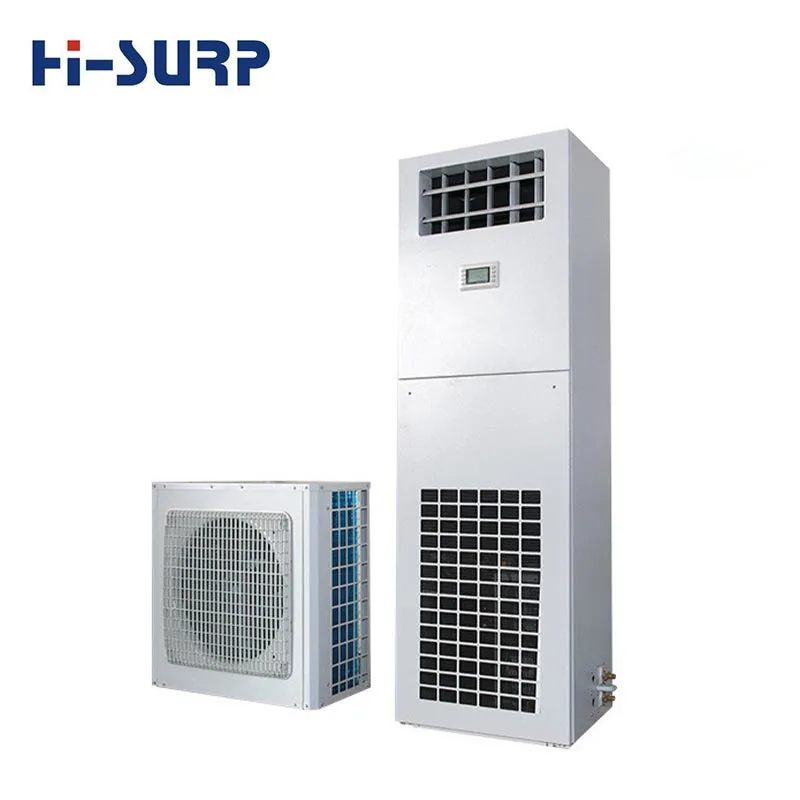
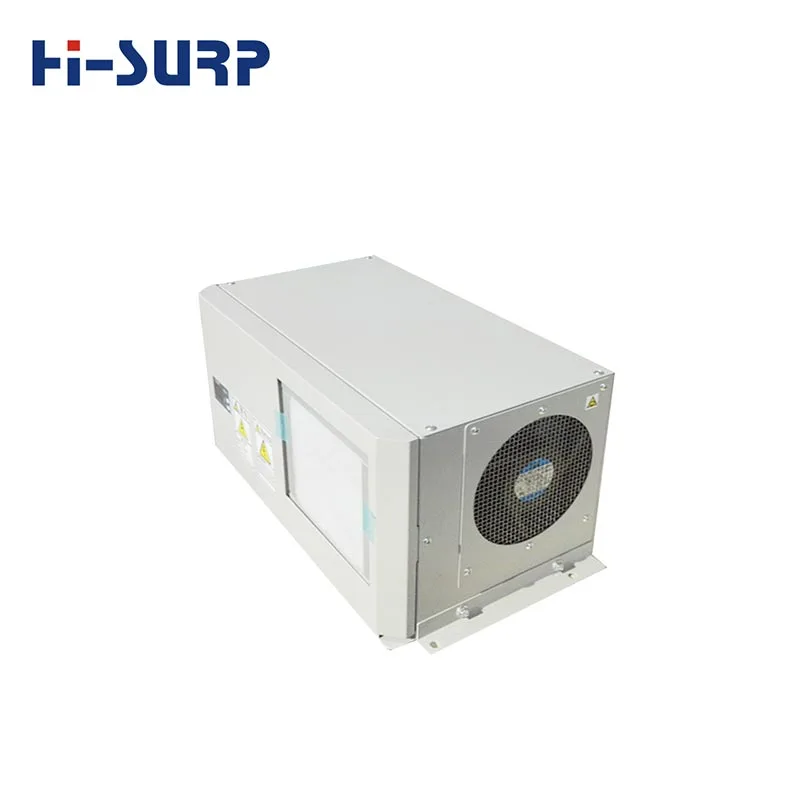
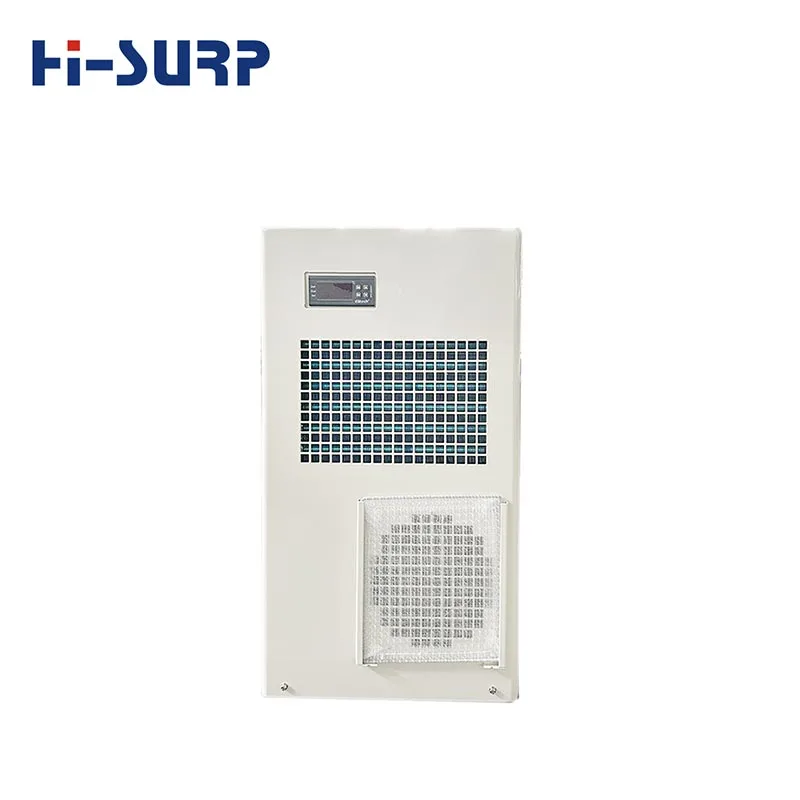
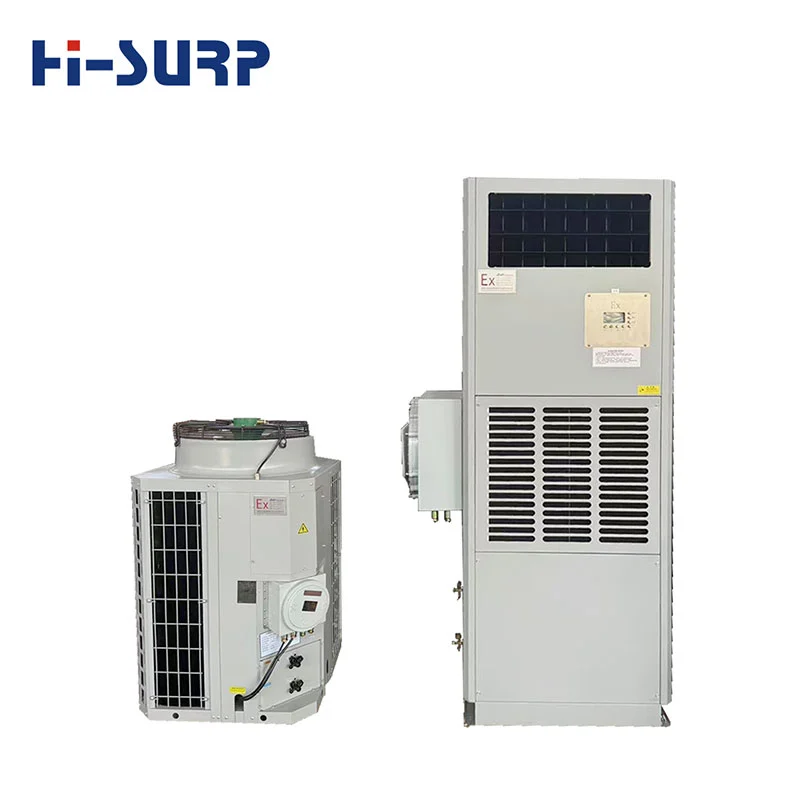
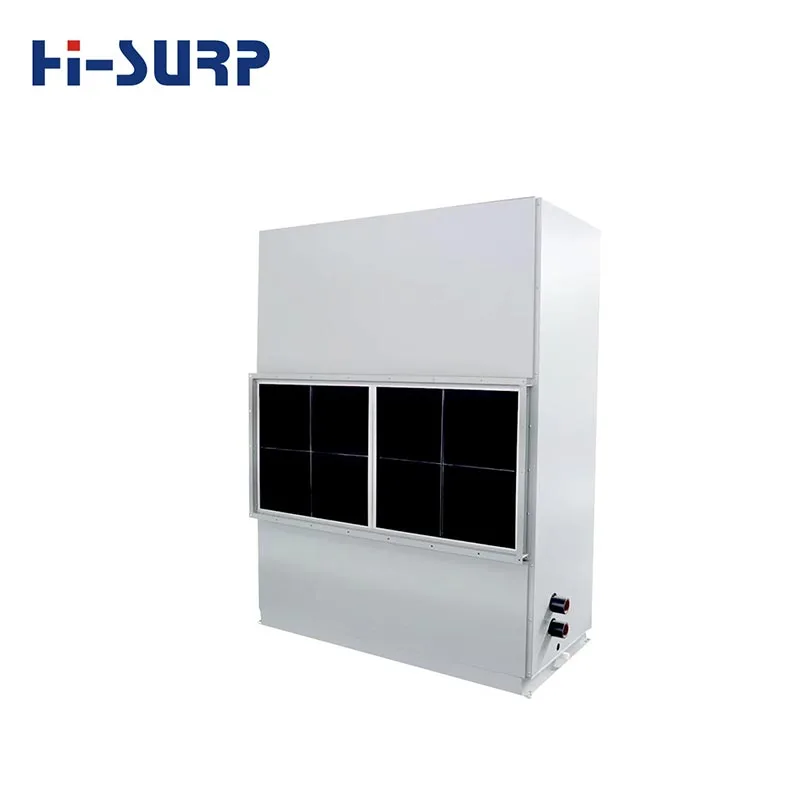
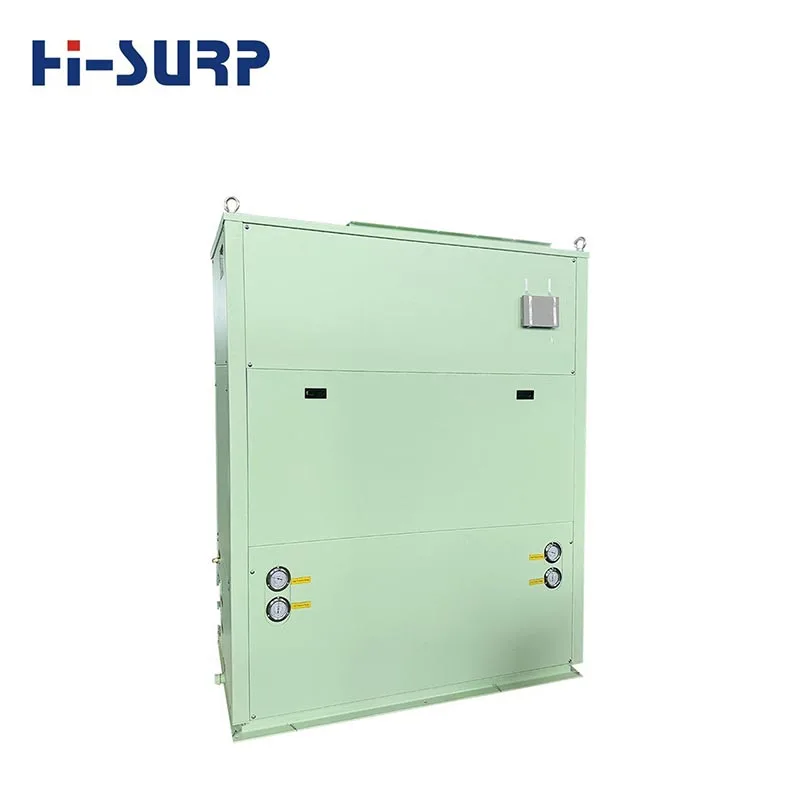
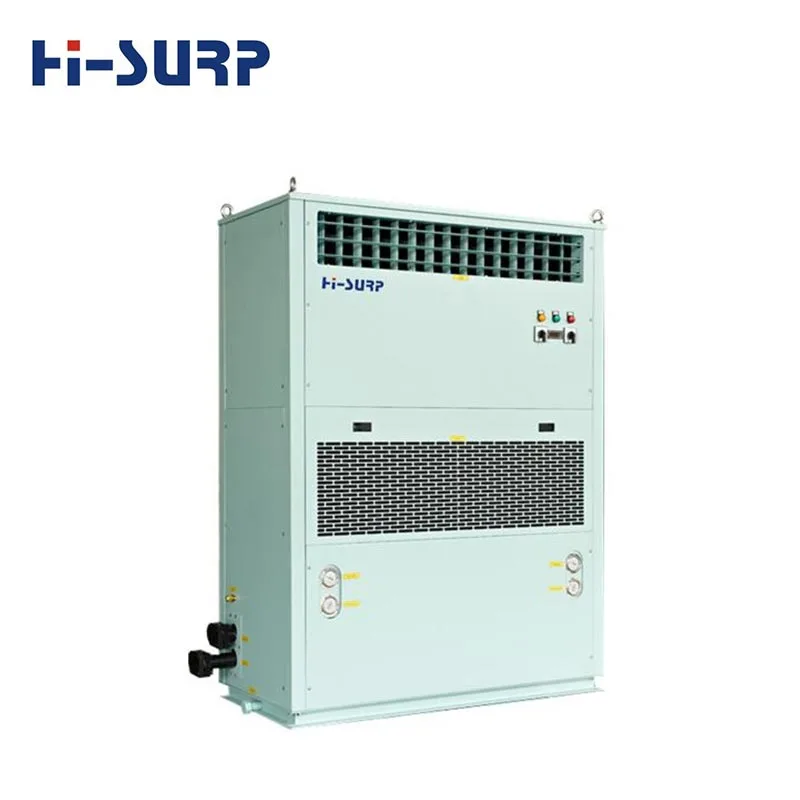
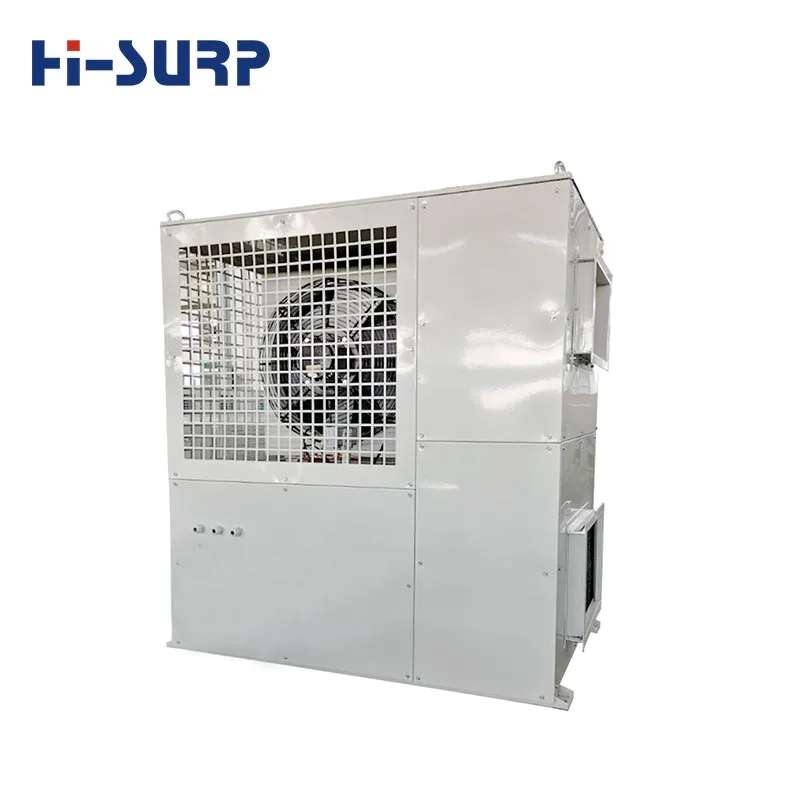
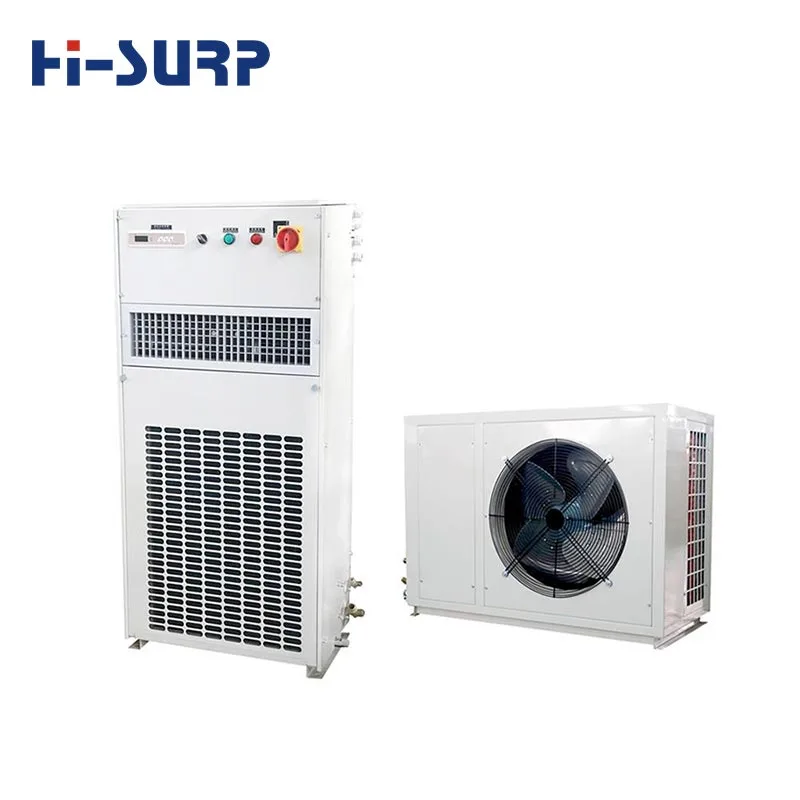
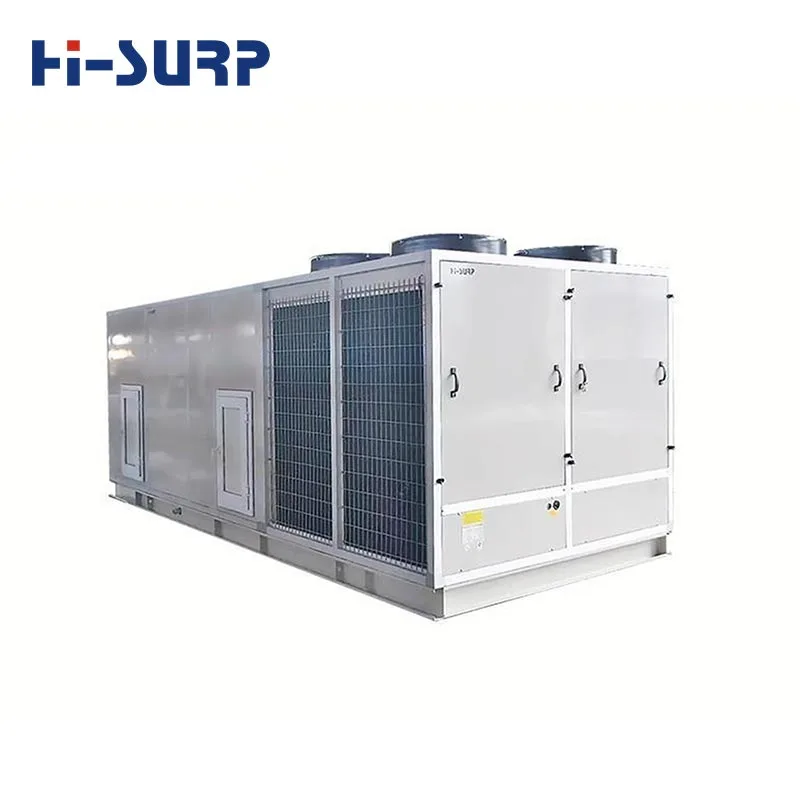
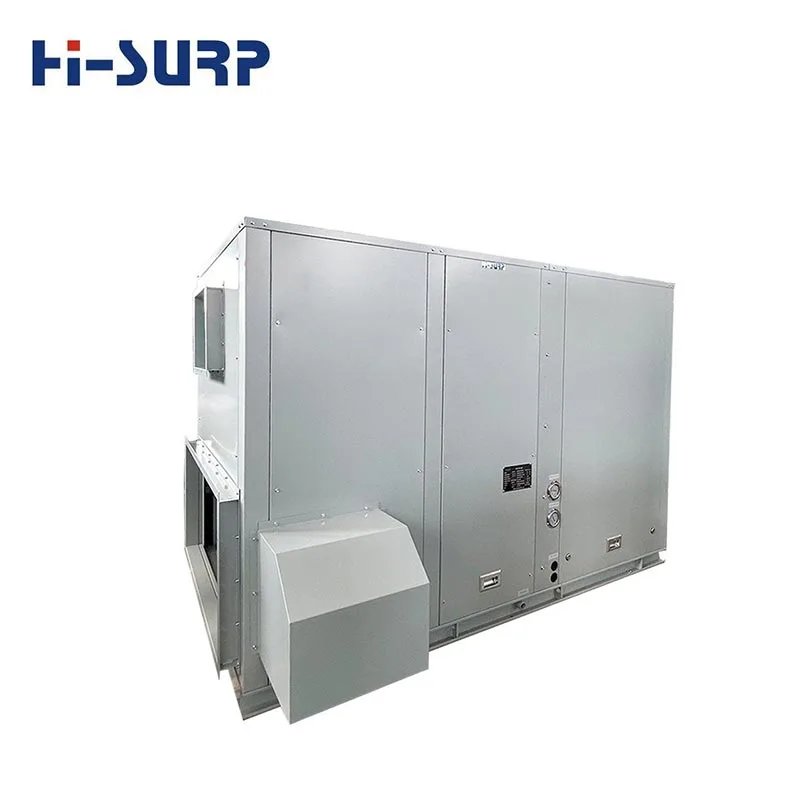
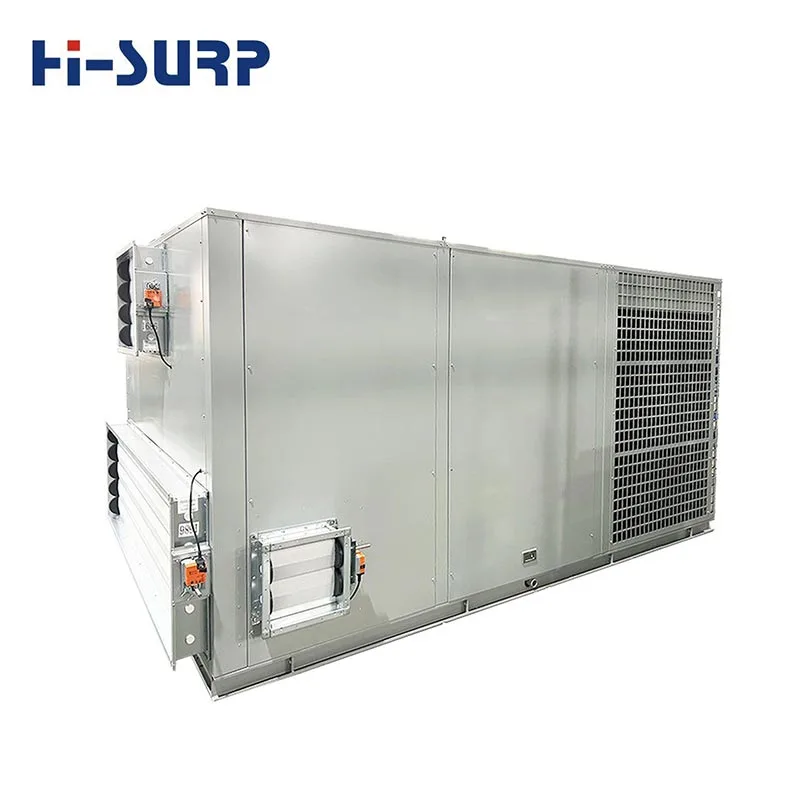
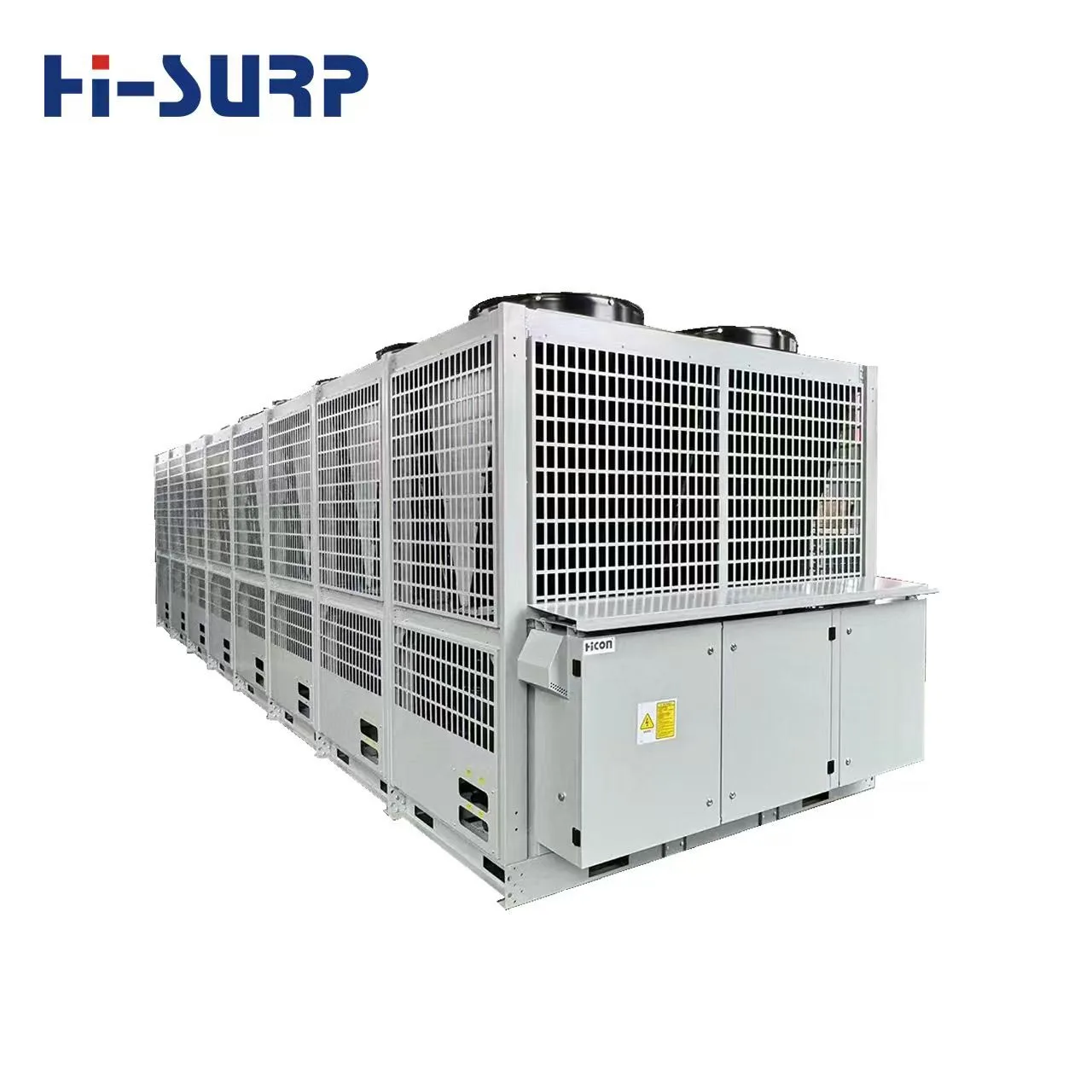
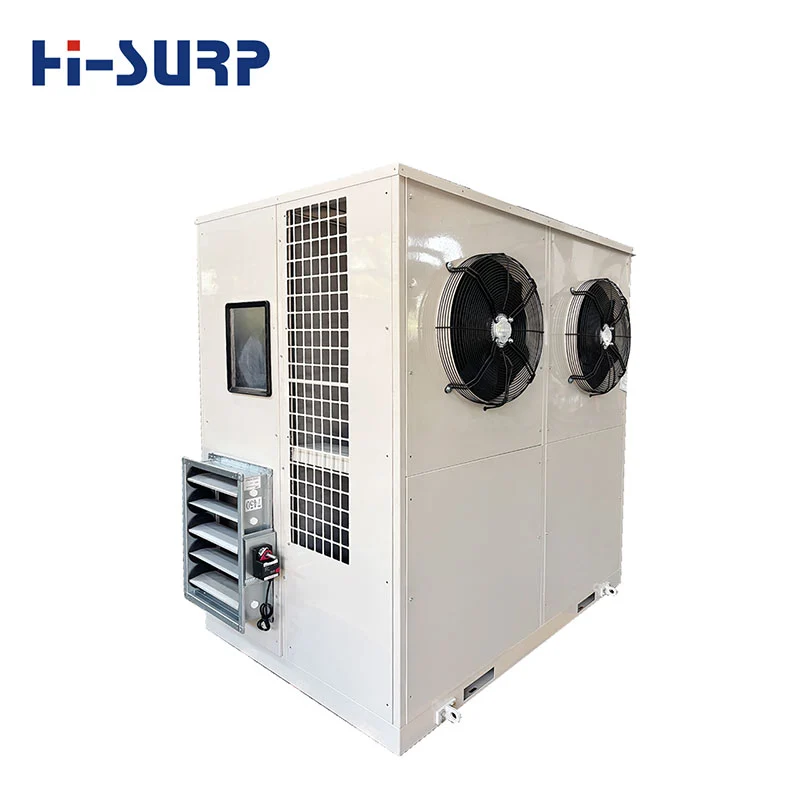
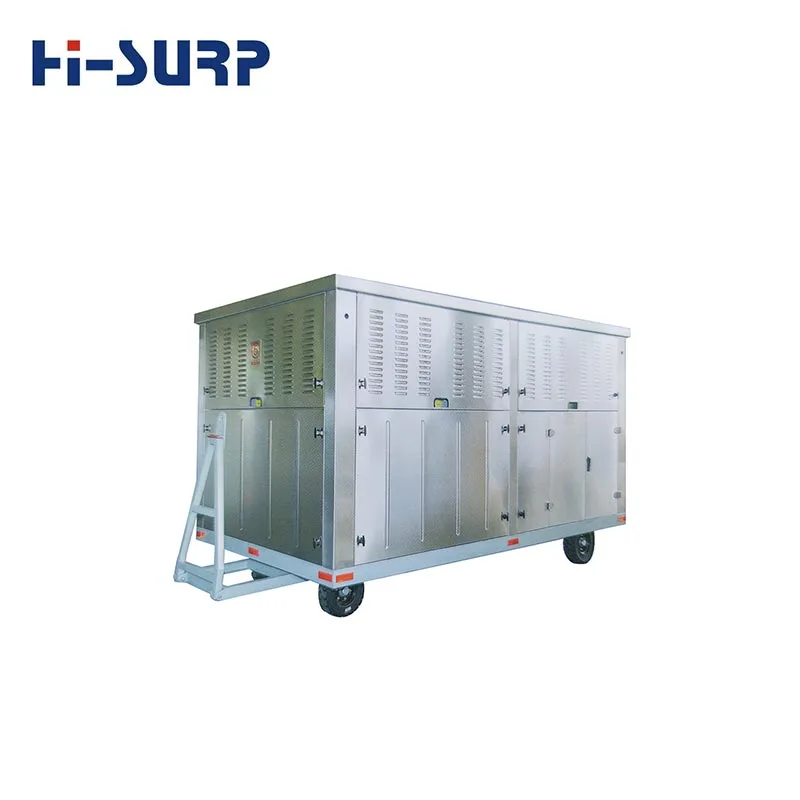
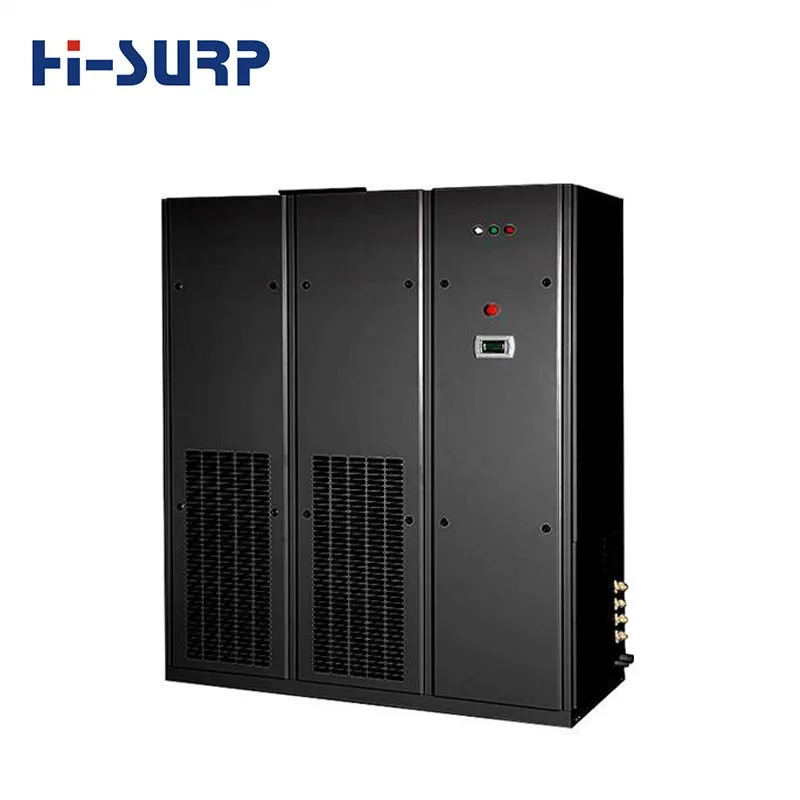
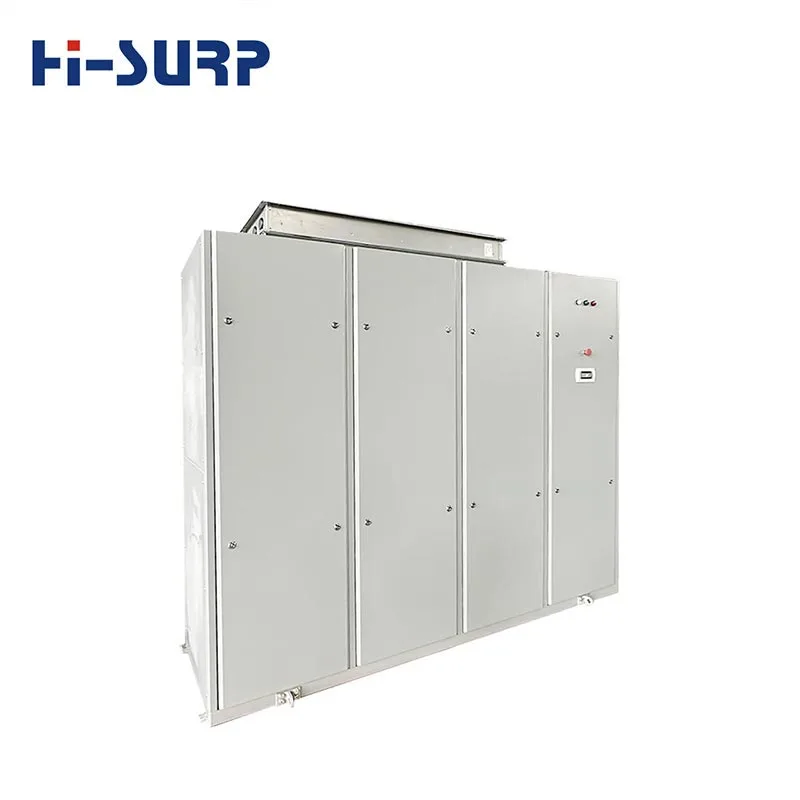
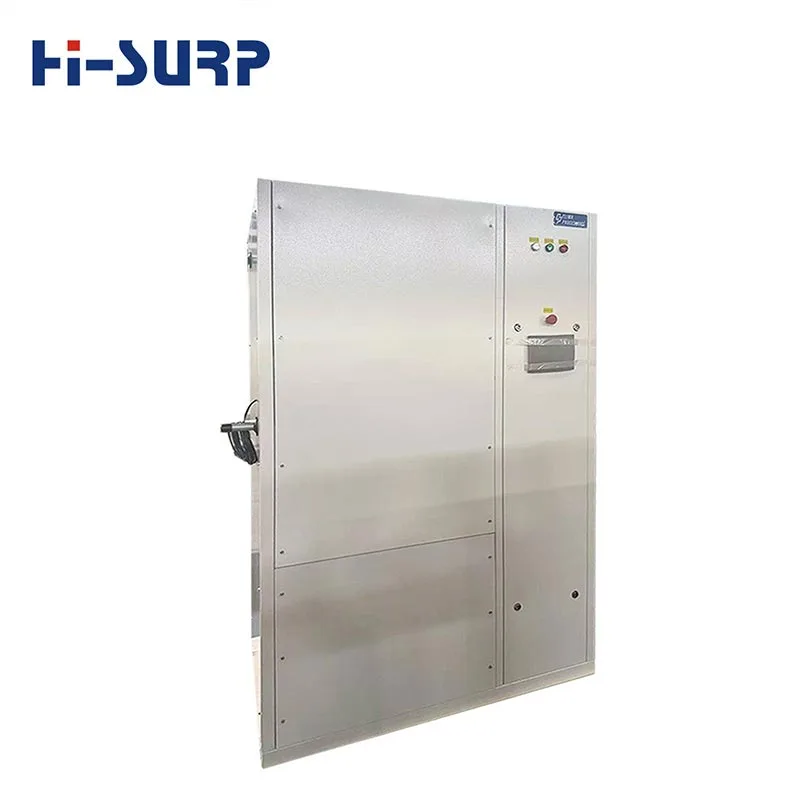
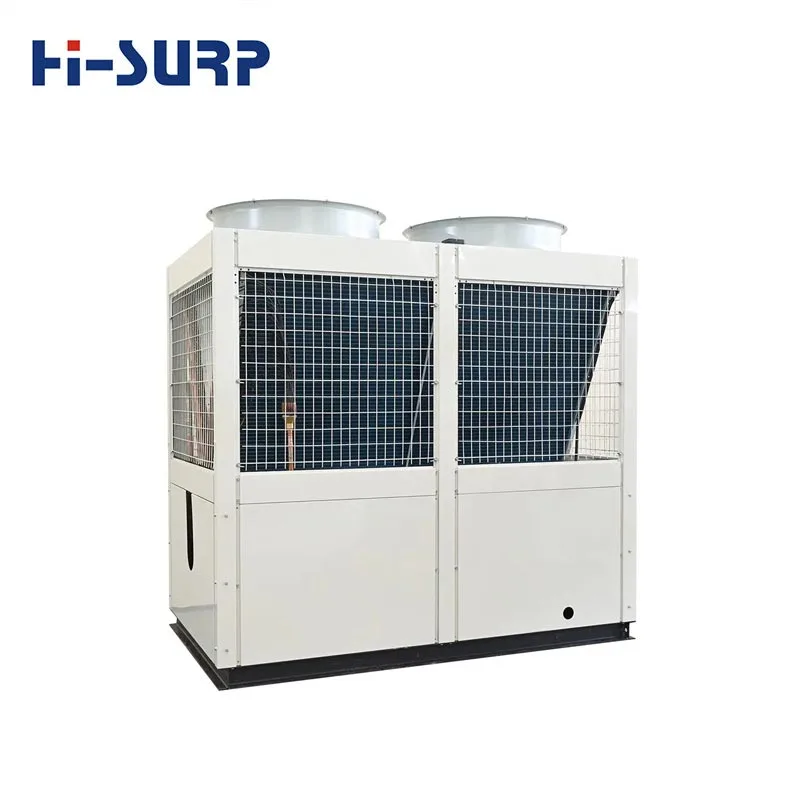
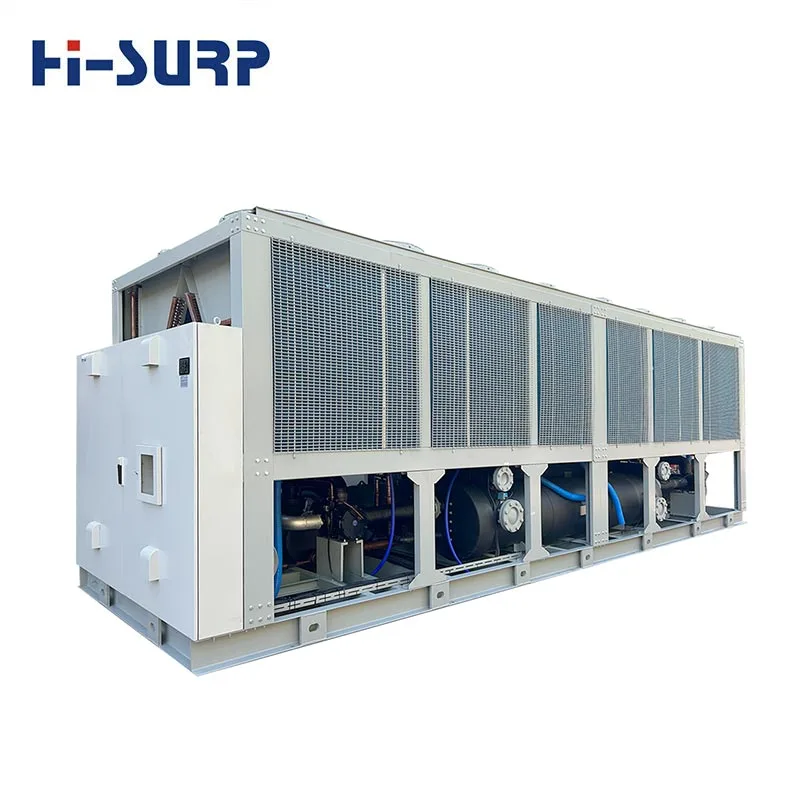
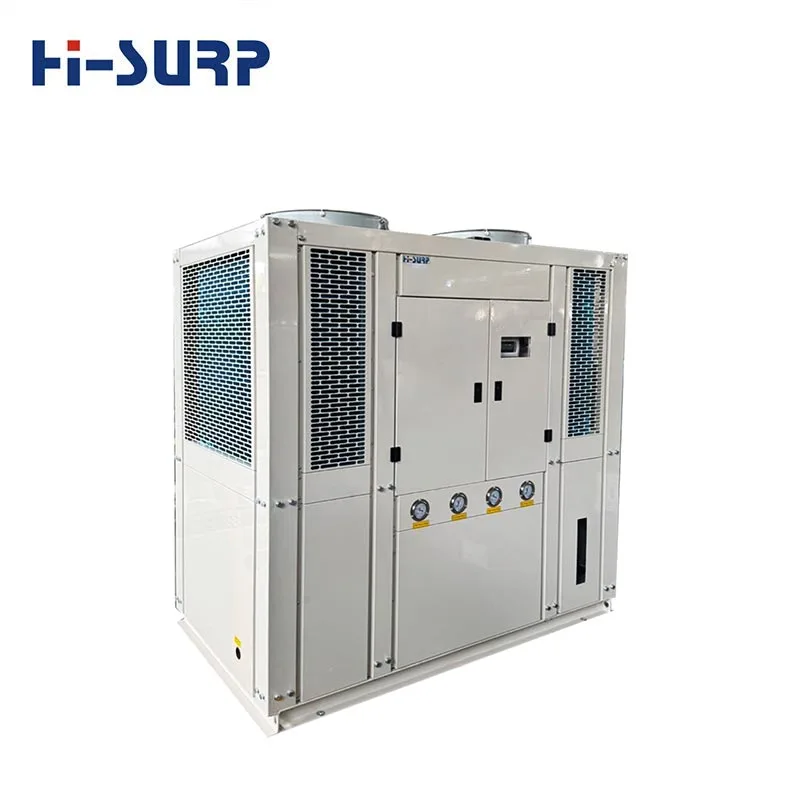
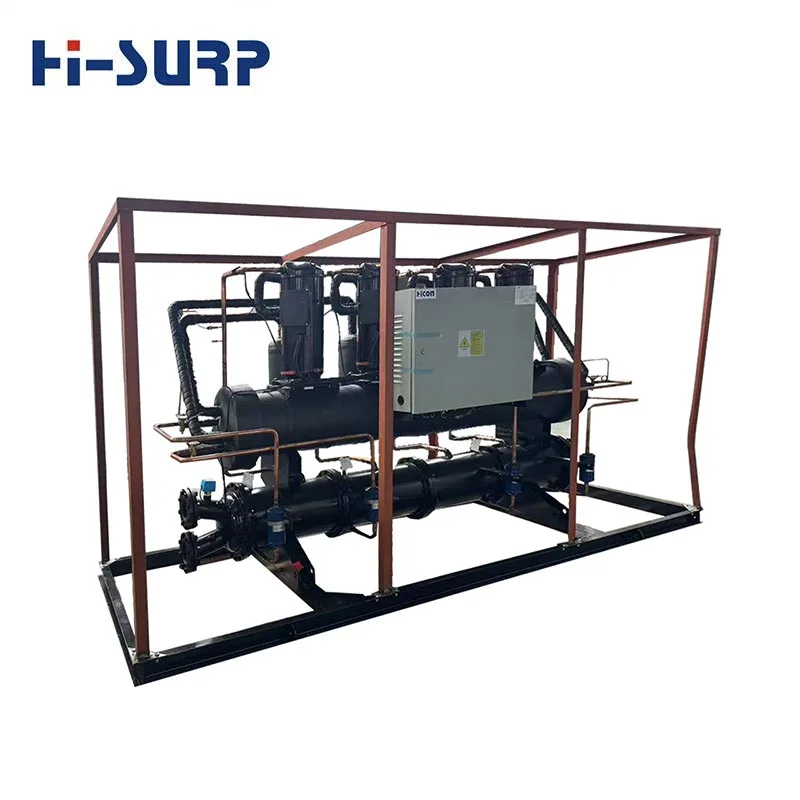
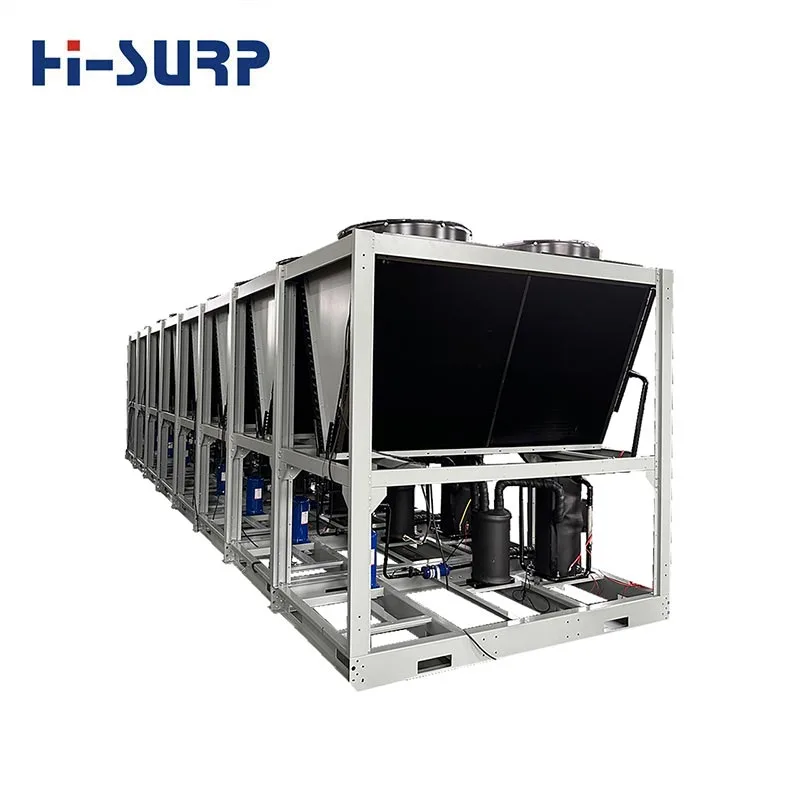
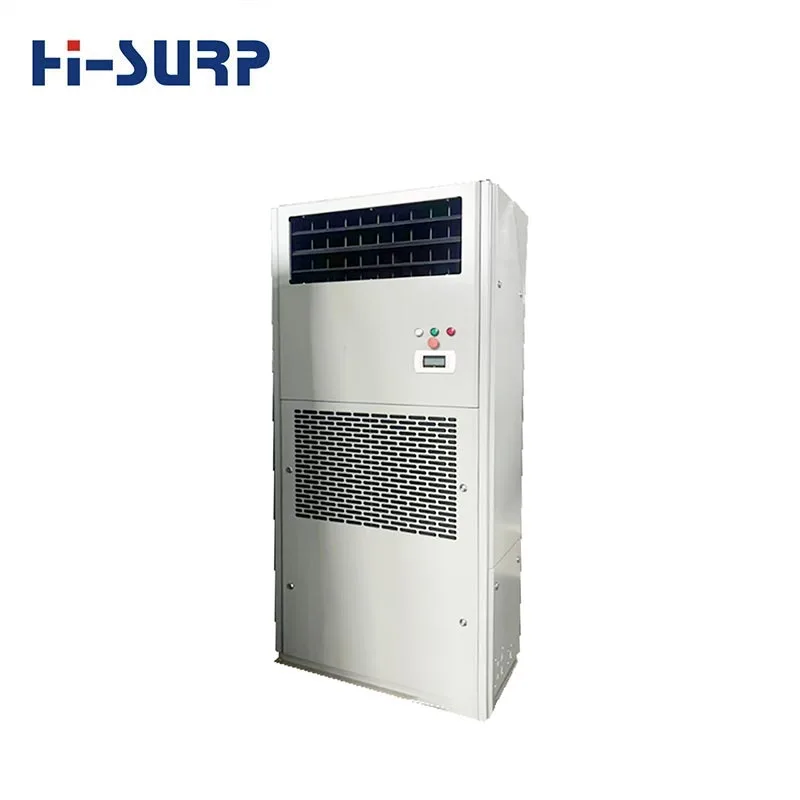
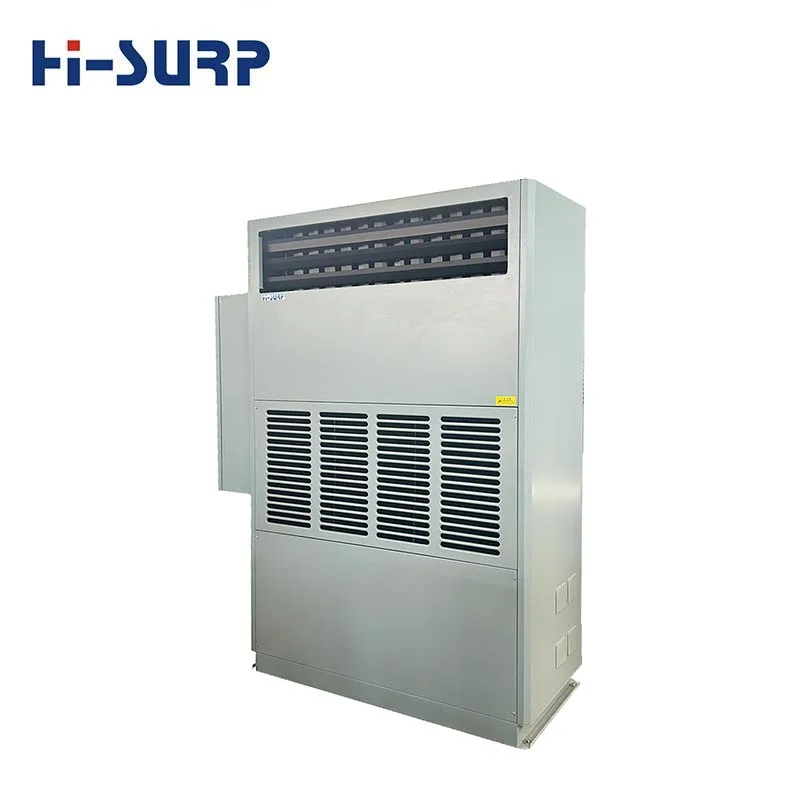
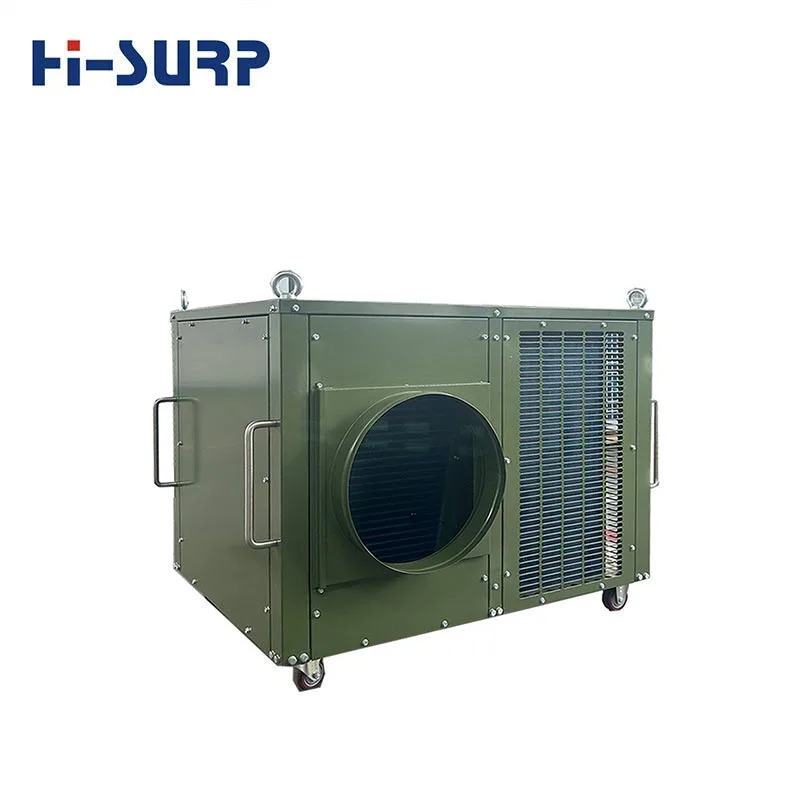
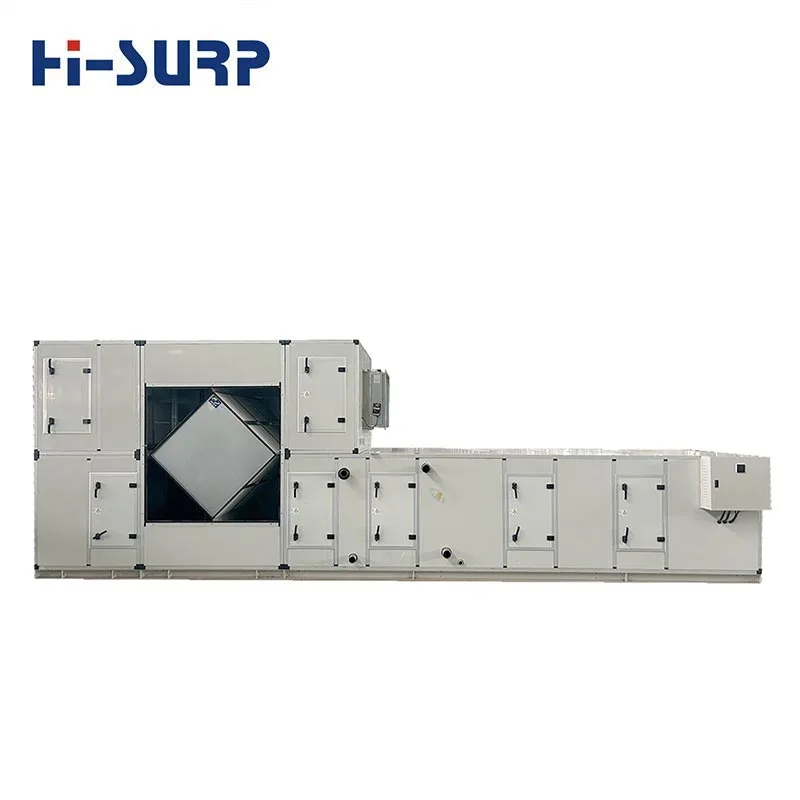
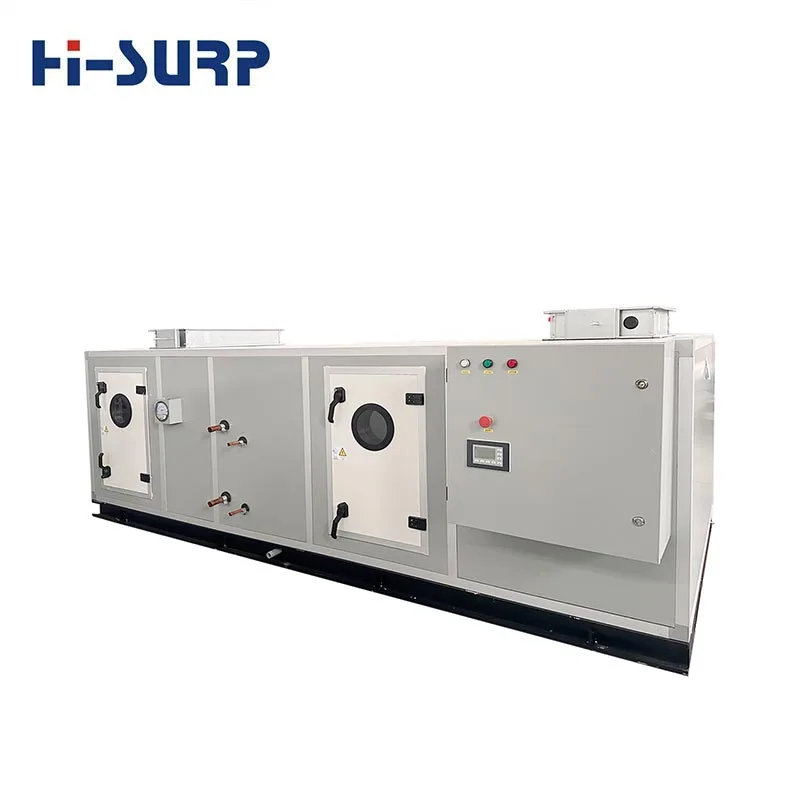
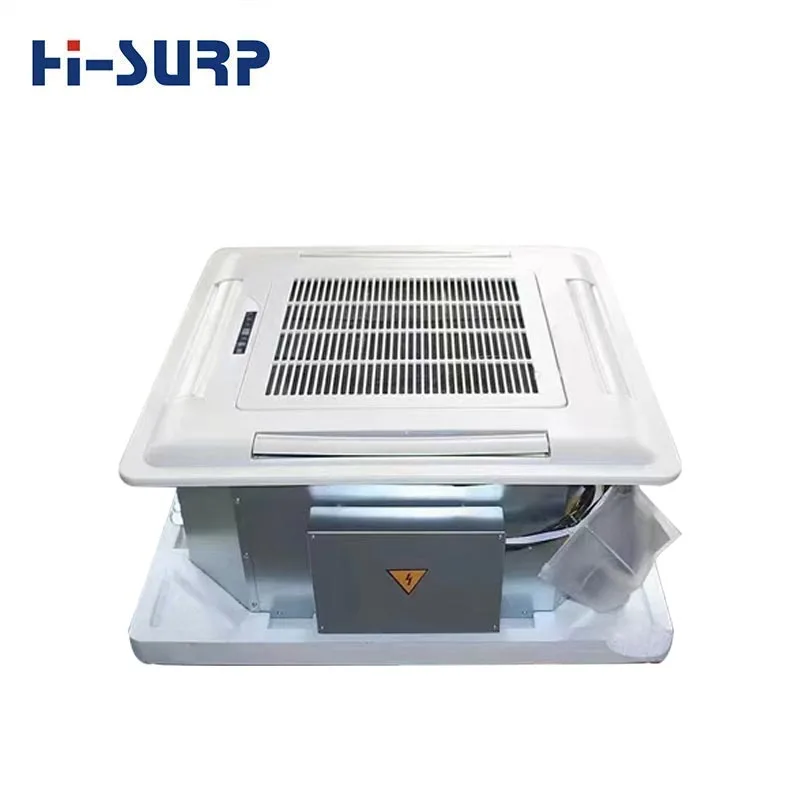
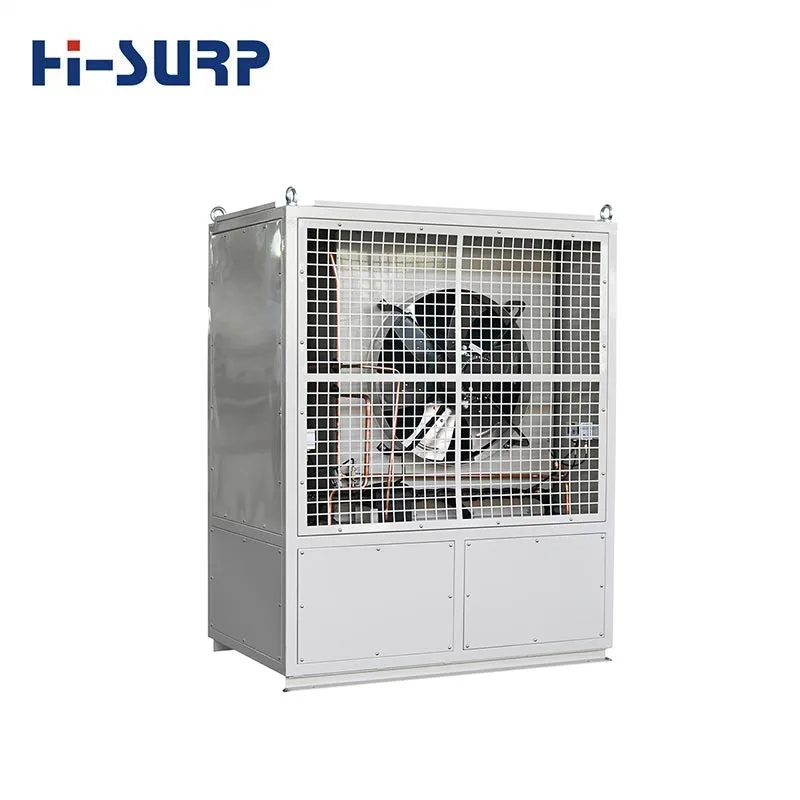
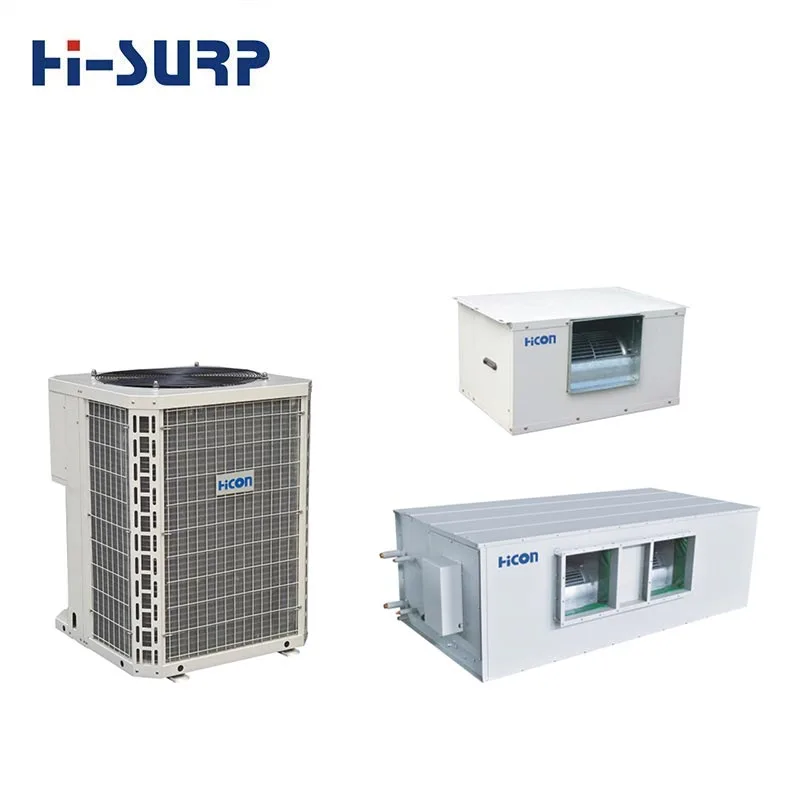
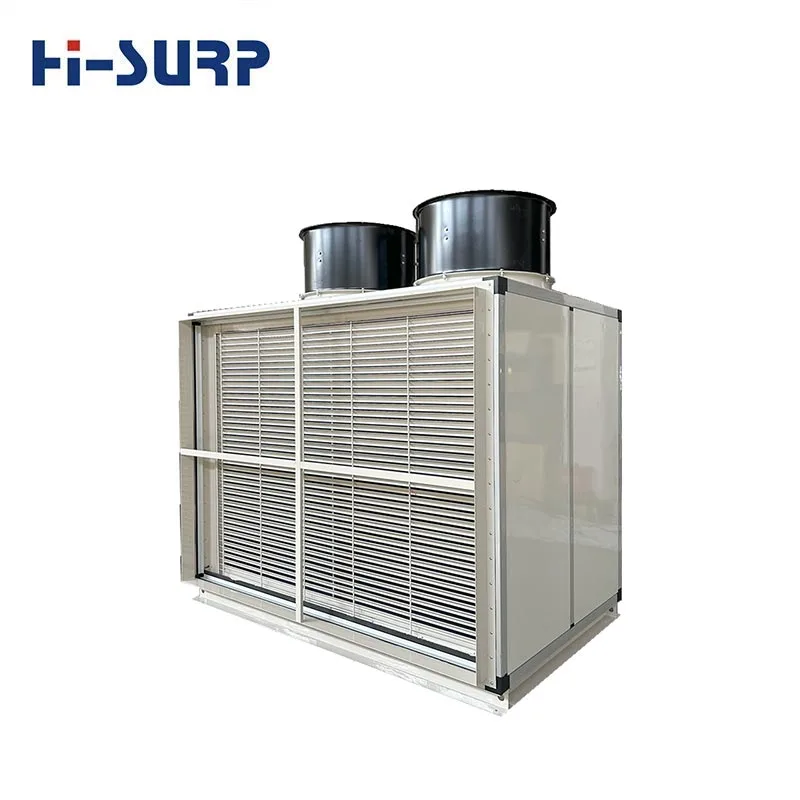

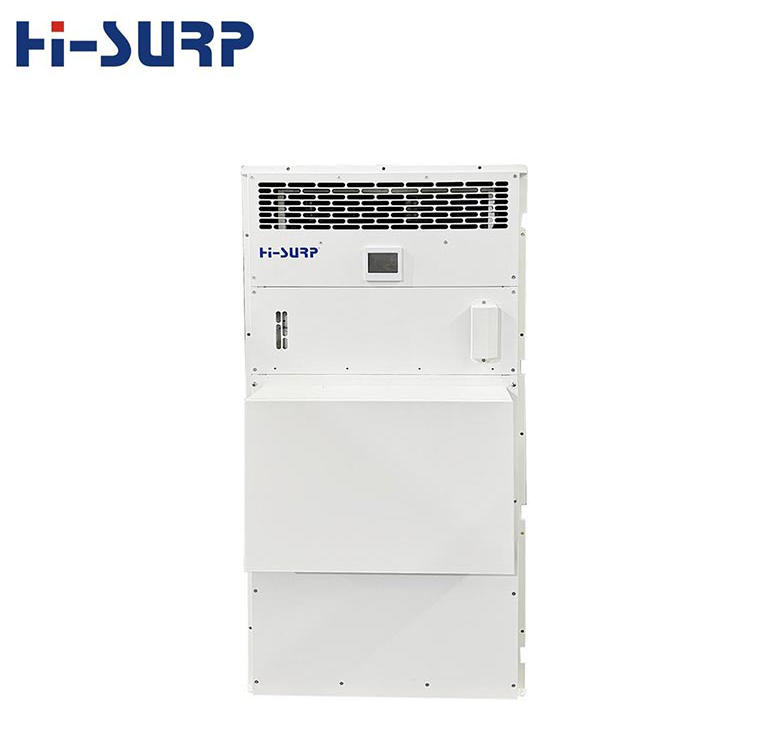
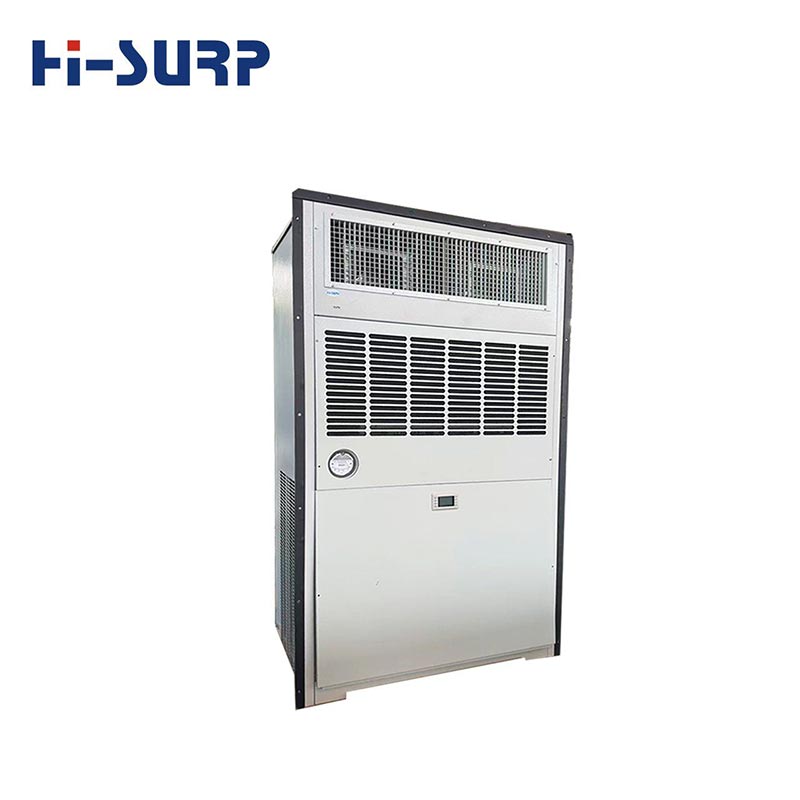
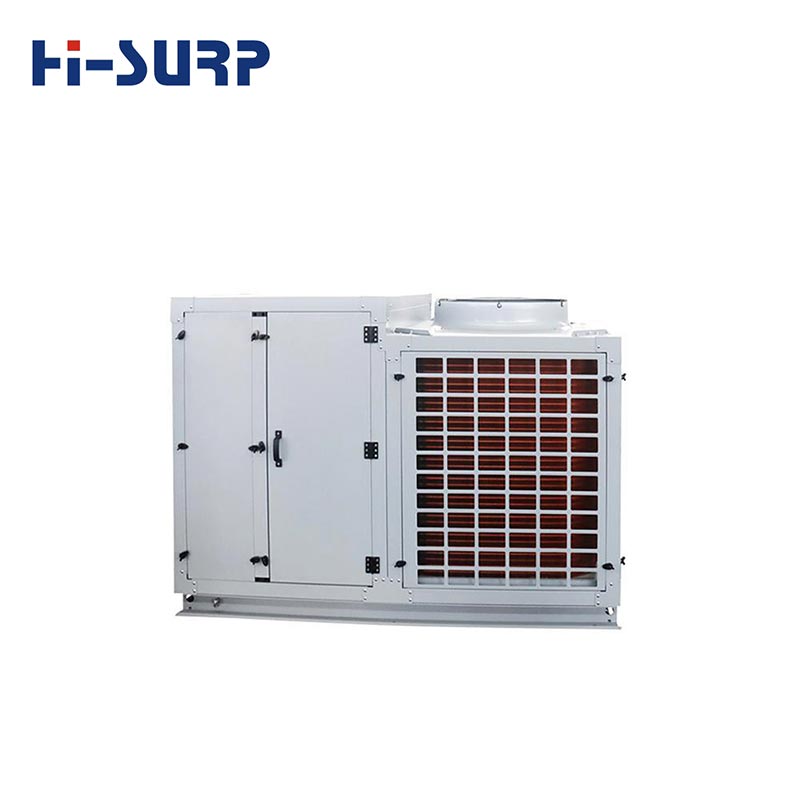

When electrical rooms, battery storage compartments, and modular E-houses must operate reliably in changing environmental conditions, choosing the right Electrical House Air Conditioner becomes critical. Hicon develops specialized cooling solutions designed to provide stable temperature and humidity control, high energy efficiency, and dependable operation for demanding electrical facilities.
Article Summary: An Electrical House Air Conditioner is more than a conventional cooling system. It is an environmental control solution engineered for electrical rooms, energy storage compartments, communication facilities, offshore installations, and other enclosed technical spaces. This guide explains how these systems work, their major advantages, key specifications, applications, and the factors buyers should evaluate before selecting a suitable solution.
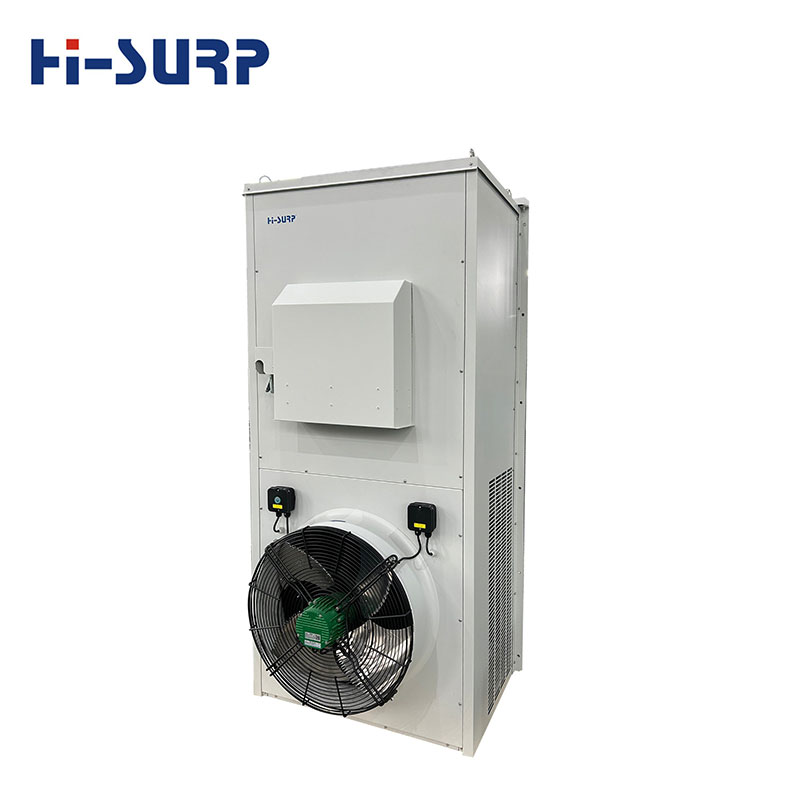
Table of Contents
- What Is an Electrical House Air Conditioner?
- Why Does Electrical House Cooling Matter?
- What Are the Key Features?
- What Technical Specifications Should Buyers Consider?
- Where Is an Electrical House Air Conditioner Used?
- How Should You Choose the Right System?
- Can Electrical House Air Conditioners Be Customized?
- Frequently Asked Questions
- Conclusion
What Is an Electrical House Air Conditioner?
An Electrical House Air Conditioner is a specialized HVAC system designed to regulate the indoor environment of electrical houses, E-houses, energy storage compartments, battery rooms, and similar enclosed technical spaces. Unlike ordinary comfort air conditioners, these systems are selected according to equipment heat loads, environmental conditions, operating temperatures, humidity requirements, and the continuity requirements of critical electrical installations.
The primary objective is to maintain an appropriate operating environment for electrical and electronic equipment. Stable cooling can help prevent excessive temperature rise, while dehumidification and controlled ventilation can reduce moisture-related risks.
Modern solutions can incorporate functions such as dual cooling and heating, dehumidification, year-round cooling, micro-positive-pressure fresh-air operation, microcomputer control, and communication or monitoring capabilities.
Why Does Electrical House Cooling Matter?
Electrical equipment continuously generates heat during operation. In a closed E-house or battery compartment, that heat can accumulate rapidly if the cooling system is undersized or poorly matched to the application. Excessive temperature can affect equipment performance, component life, and overall system reliability.
A purpose-built Electrical House Air Conditioner addresses these challenges by providing controlled environmental conditions rather than simply lowering room temperature.
- Heat management: Removes heat generated by electrical and electronic equipment.
- Temperature stability: Helps maintain an appropriate operating environment throughout the year.
- Humidity control: Dehumidification can help limit condensation and moisture-related problems.
- Environmental adaptability: Specialized configurations can support demanding outdoor and industrial conditions.
- Operational continuity: Reliable cooling helps critical facilities maintain stable operation.
- Energy efficiency: High-EER designs can reduce unnecessary energy consumption during long operating cycles.
For energy storage and electrical infrastructure projects, HVAC selection should therefore be treated as part of the overall system engineering process rather than an afterthought.
What Are the Key Features?
A professional Electrical House Air Conditioner should combine cooling performance with environmental adaptability, intelligent control, and installation flexibility. According to the referenced Hicon product information, several functions are particularly relevant to industrial electrical applications.
Dual Cooling and Heating
Cooling and electrical heating capabilities allow the system to respond to both high-temperature and low-temperature conditions. This makes the equipment suitable for projects requiring year-round environmental control.
Dehumidification
Humidity can be a significant concern in enclosed electrical facilities. A dehumidification function helps control moisture levels and can support a more stable environment for sensitive electrical components.
Fresh-Air Micro-Positive Pressure
Some configurations provide fresh-air cooling and micro-positive-pressure functionality. Maintaining slight positive pressure can be useful where controlling the entry of untreated outside air is part of the environmental strategy.
High Energy Efficiency Ratio
High EER performance is especially valuable in facilities where air conditioning operates for extended periods. Better cooling efficiency can contribute to lower operating costs over the system's service life.
Intelligent Control and Monitoring
Microcomputer control and communication functions provide opportunities for centralized monitoring and operational management, which can be valuable in unmanned or remotely managed facilities.
What Technical Specifications Should Buyers Consider?
Choosing an industrial cooling system based only on nominal cooling capacity can lead to performance problems. Procurement teams should evaluate the complete operating environment, including heat load, temperature range, installation configuration, power supply, refrigerant, and required functions.
| Parameter | Referenced Range or Configuration | Why It Matters |
|---|---|---|
| Cooling Capacity | Self-contained: 3.5–50 kW; Split type: 8–70 kW | Determines whether the unit can handle the calculated heat load. |
| Heating Capacity | 1.0–30 kW PTC electrical heating | Supports low-temperature operation where heating is required. |
| Refrigerant Options | R22 / R134A / R407C / R410A | Should be selected according to project requirements and applicable regulations. |
| Power Supply | 3P-AC380V-50Hz; 3P-AC400V-60Hz; 3P-AC460V-60Hz | Must match the electrical infrastructure at the installation site. |
| Working Temperature | -25°C to +55°C; high-temperature type up to 70°C | Indicates the environmental conditions the selected configuration can address. |
| Available Functions | Cooling, heating, dehumidification, fresh-air cooling, micro-positive pressure | Allows the system to be configured for different project environments. |
These figures should be treated as reference product ranges rather than a substitute for project-specific engineering. Actual selection should be based on the equipment heat load, enclosure design, ambient conditions, electrical supply, and required operating strategy.
Where Is an Electrical House Air Conditioner Used?
The versatility of this type of cooling system makes it suitable for a broad range of infrastructure and industrial environments.
- New-energy electrical rooms: Provides environmental control for electrical equipment associated with new-energy transformer systems.
- Battery energy storage: Helps regulate the thermal environment inside battery storage compartments.
- Oil exploration and transmission: Supports cooling requirements in specialized industrial installations.
- Offshore platforms and coastal terminals: Suitable configurations can address demanding environmental conditions.
- Railway and highway communication: Helps maintain an appropriate environment for communication equipment.
- IoT base stations: Provides temperature management for enclosed communication and control equipment.
- Containerized electrical facilities: Can be integrated into modular and standardized technical structures.
- Military or specialized compartments: Provides environmental control where equipment reliability is essential.
Because installation environments vary significantly, selecting the right configuration is more important than simply choosing the largest available cooling capacity.
How Should You Choose the Right System?
For project engineers, system integrators, and purchasing teams, the following evaluation process can make product selection more systematic.
- Calculate the total heat load. Consider electrical equipment, batteries, converters, lighting, personnel, solar radiation, and other heat sources.
- Define the ambient temperature range. Outdoor climate has a direct impact on required cooling performance.
- Confirm the electrical supply. Verify voltage, phase, and frequency before specifying the unit.
- Evaluate humidity requirements. Determine whether dehumidification or other humidity-control functions are necessary.
- Select the installation configuration. Consider self-contained, split, wall-mounted, ceiling, cabinet, or other suitable arrangements.
- Consider monitoring requirements. For remote or unmanned facilities, communication and monitoring capabilities can simplify operation.
- Review customization capability. Confirm whether dimensions, parameters, appearance, logos, packaging, and other requirements can be adapted.
A reliable manufacturer should be able to discuss these engineering parameters before final quotation, helping buyers avoid capacity mismatch and installation complications.
Can Electrical House Air Conditioners Be Customized?
Yes. Industrial electrical rooms rarely have identical requirements. The referenced Hicon solution supports customization involving drawings, technical parameters, logos, packaging, and OEM/ODM requirements. This flexibility is particularly useful for engineering projects where enclosure dimensions, installation interfaces, environmental conditions, and electrical specifications differ from standard configurations.
For international procurement, customization should ideally be confirmed during the technical inquiry stage. Buyers should provide enclosure dimensions, heat-load calculations, ambient temperature, power supply, required indoor temperature, humidity requirements, installation method, and other relevant project information.
Packaging and logistics are also important. The referenced product information describes options including film packaging, plywood cases, and fumigated solid-wood packaging, with products secured against movement during transportation. Such measures can reduce the risk of damage before installation.
Frequently Asked Questions
1. What is the main purpose of an Electrical House Air Conditioner?
Its main purpose is to maintain suitable temperature and humidity conditions inside electrical houses, E-houses, battery compartments, communication facilities, and other enclosed technical spaces where heat-generating equipment requires controlled environmental conditions.
2. Can an Electrical House Air Conditioner provide both cooling and heating?
Yes. Depending on the selected configuration, the system can provide cooling and PTC electrical heating. Dehumidification and other environmental-control functions may also be available.
3. What cooling capacity is available?
The referenced product range includes self-contained units from approximately 3.5 to 50 kW and split-type units from approximately 8 to 70 kW. The appropriate capacity should be determined from the project's calculated heat load.
4. Can these systems operate in extreme temperatures?
The referenced working-temperature range is approximately -25°C to +55°C, while a high-temperature configuration can reach up to 70°C. Actual performance depends on the selected model and project conditions.
5. Can the system be customized for an E-house project?
Yes. Customization can include drawings, parameters, appearance, logos, packaging, and OEM/ODM requirements, subject to technical evaluation and project specifications.
6. What information should I provide when requesting a quotation?
Provide the E-house or enclosure dimensions, equipment heat load, desired indoor temperature, ambient temperature range, humidity requirements, power supply, installation configuration, required functions, and expected quantity. These details help a manufacturer recommend a suitable configuration.
Conclusion
An Electrical House Air Conditioner plays an important role in maintaining reliable operating conditions for electrical rooms, energy storage systems, communication facilities, offshore installations, and modular technical enclosures. High EER performance, temperature adaptability, heating and cooling capability, dehumidification, intelligent control, and flexible installation options make purpose-built systems more suitable for demanding industrial environments than conventional comfort air conditioners.
For project owners, EPC contractors, system integrators, and industrial equipment buyers, the best approach is to select cooling equipment based on actual heat load, environmental conditions, electrical requirements, installation constraints, and long-term operating objectives. If you are sourcing a customized solution from a China manufacturer or evaluating an Electrical House Air Conditioner for a new project, contact us with your technical requirements to discuss suitable configurations, customization options, and professional cooling support.