Ningbo Hicon Industry Co., Ltd.
News
 

How Can a Marine AHU Deliver Reliable HVAC Performance in the Most Demanding Shipboard Environments

2026-08-18

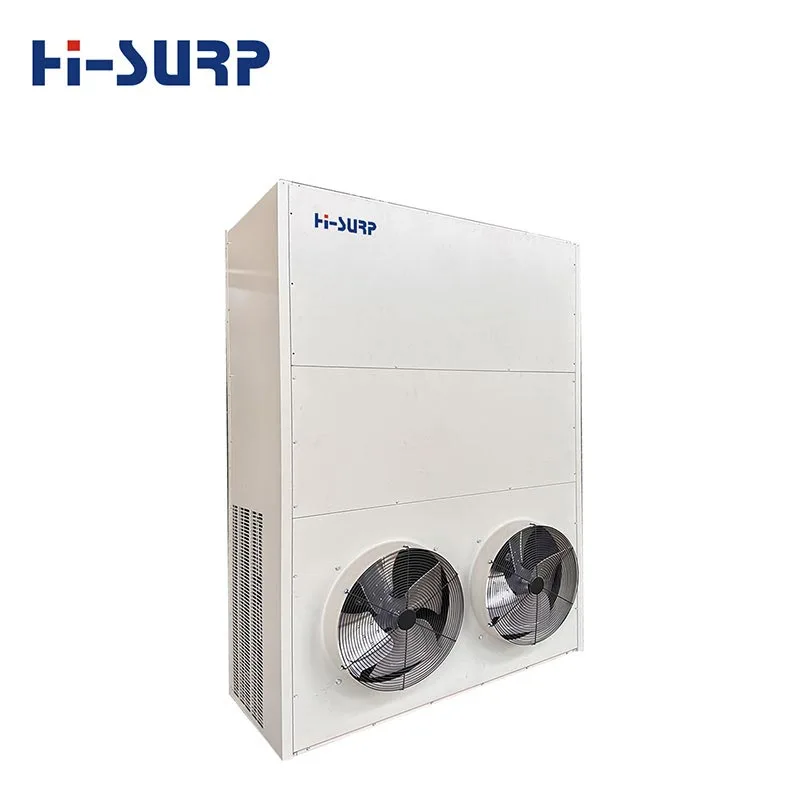
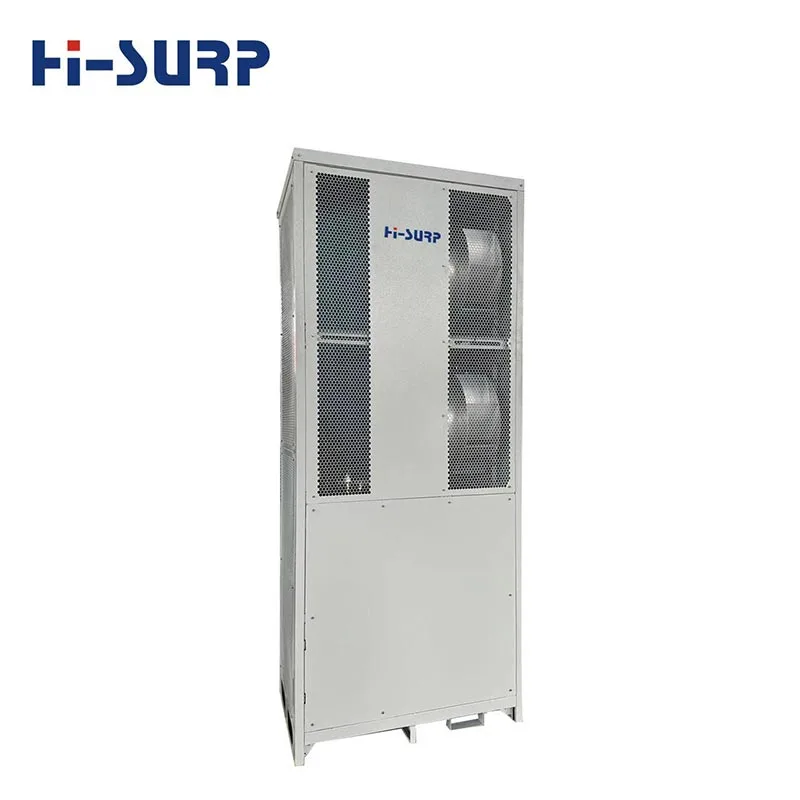
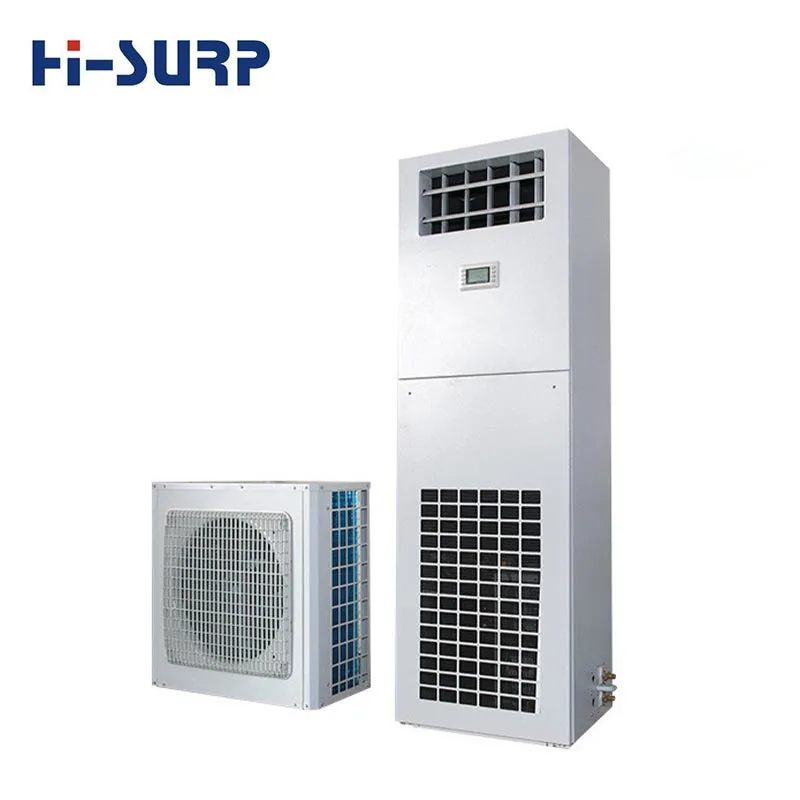
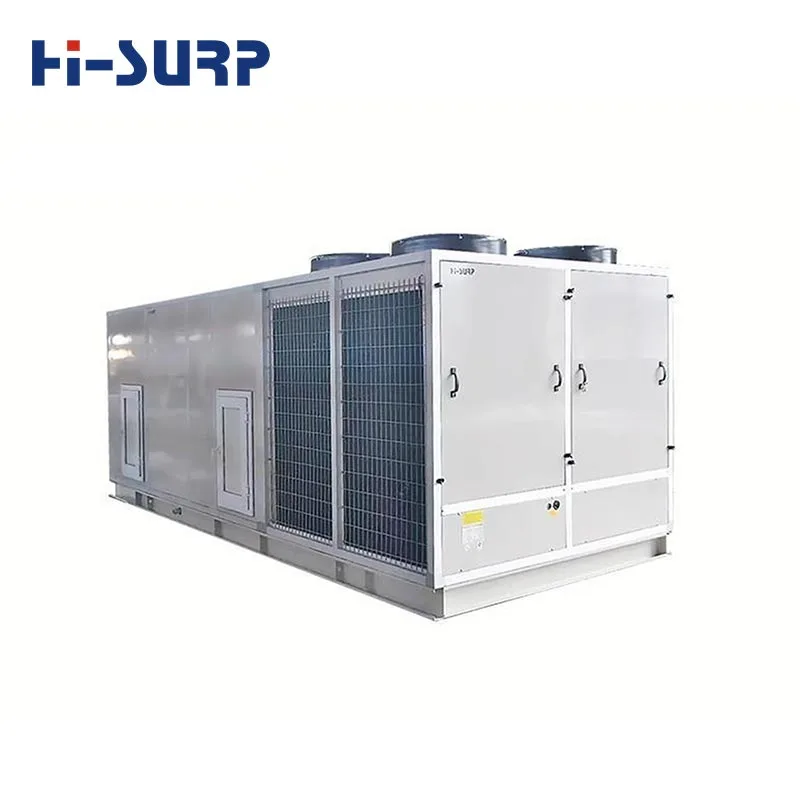
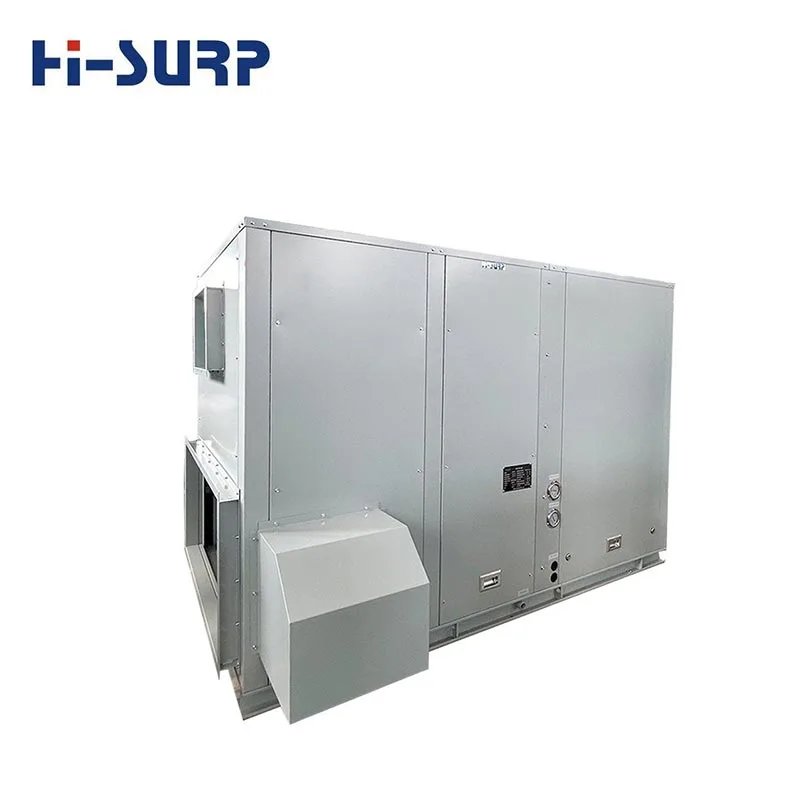
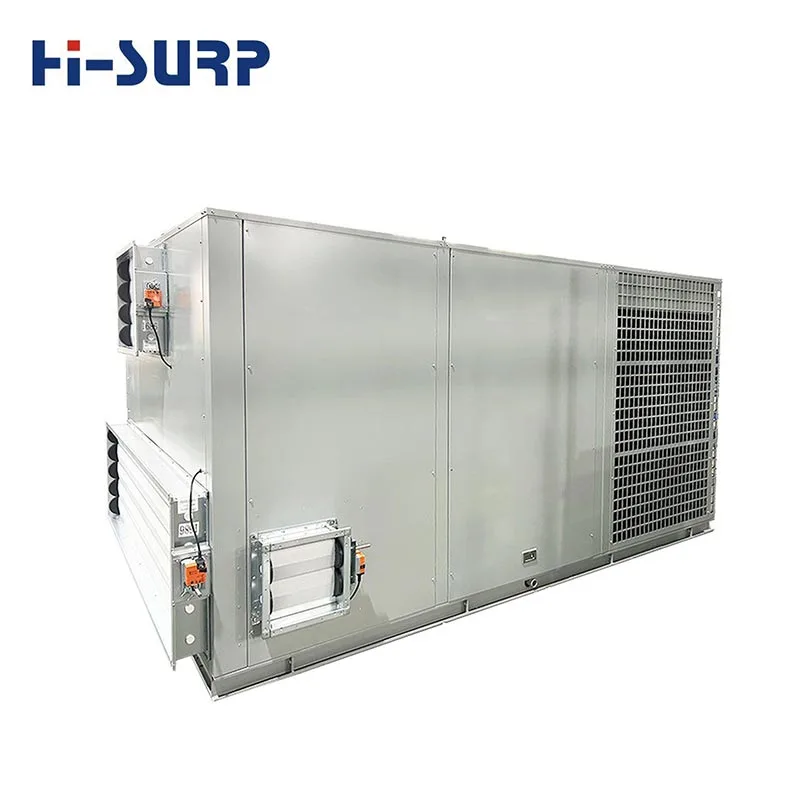
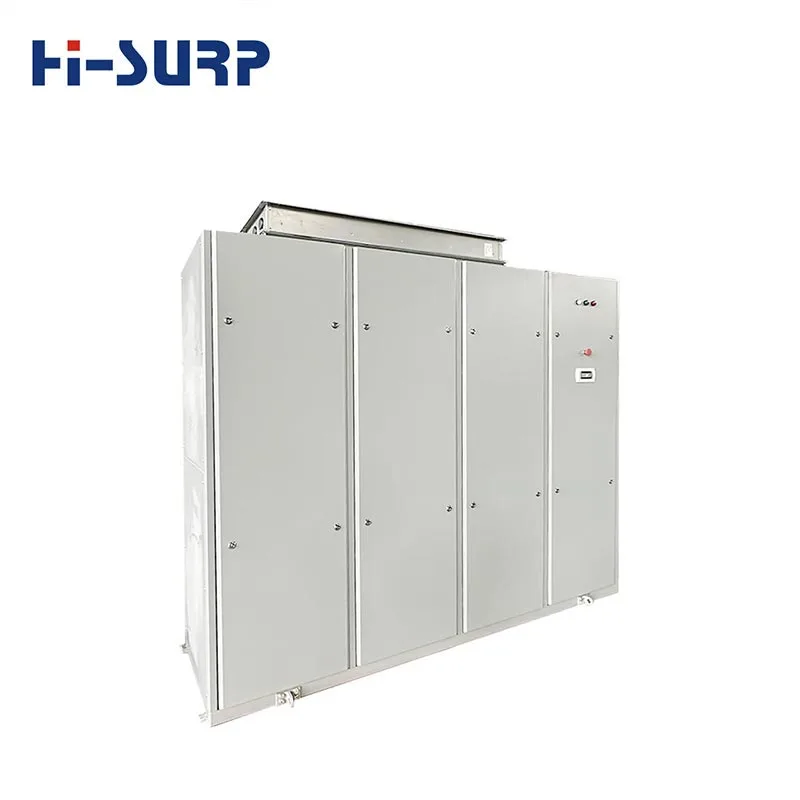
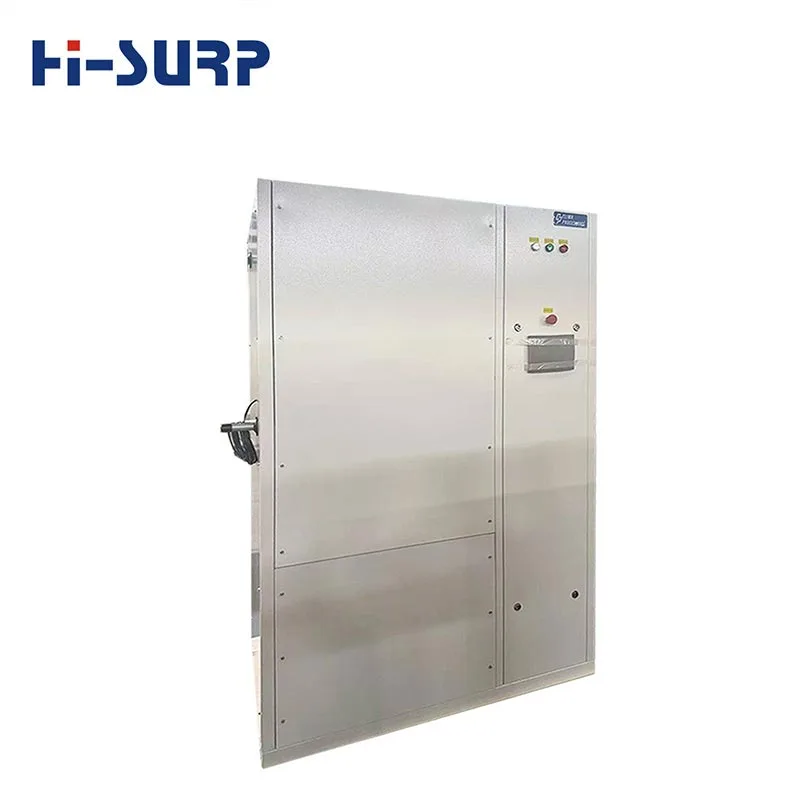
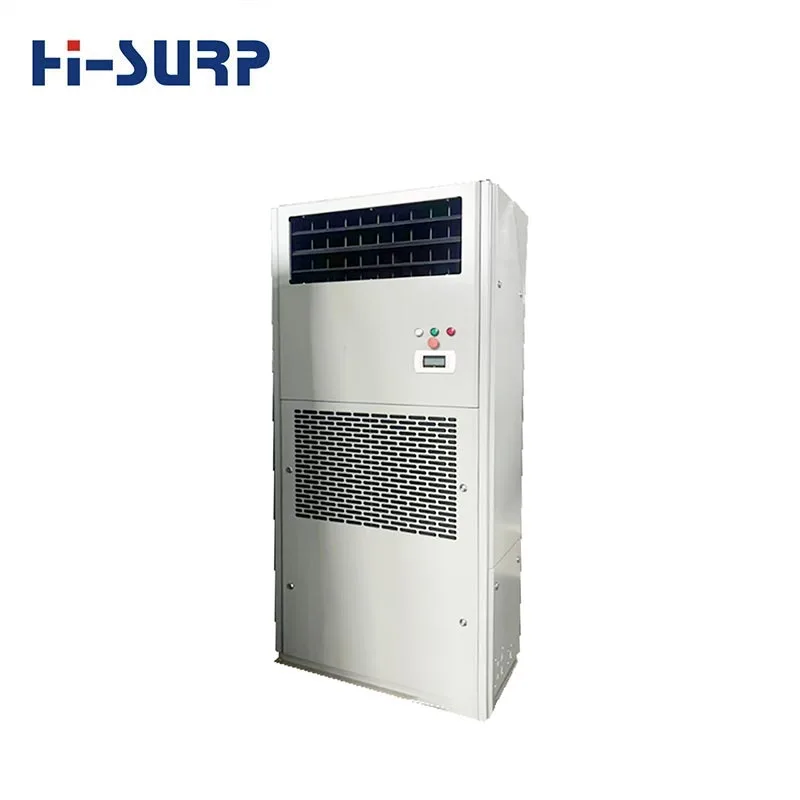
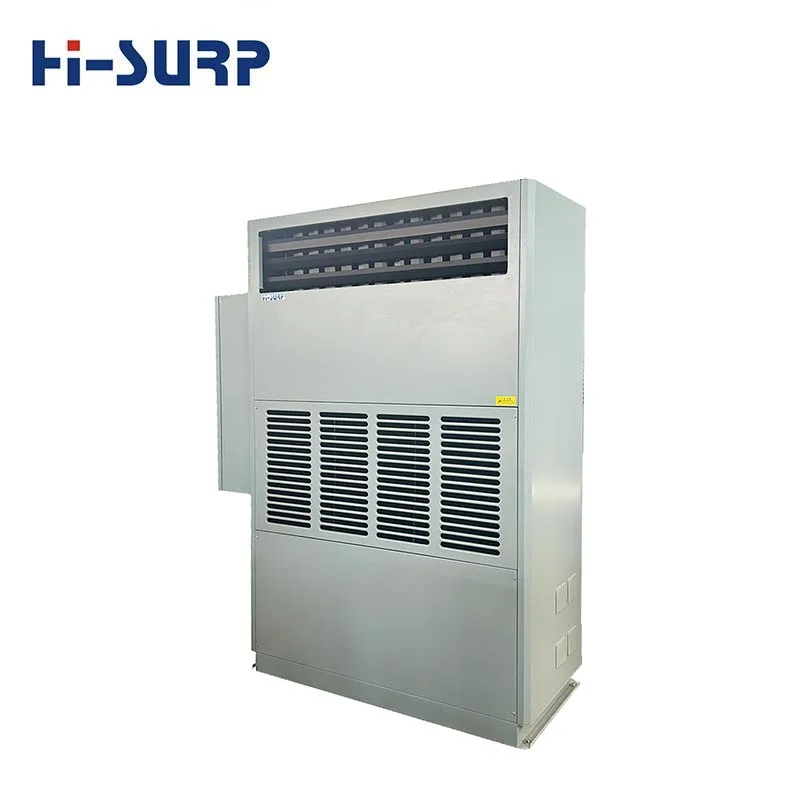
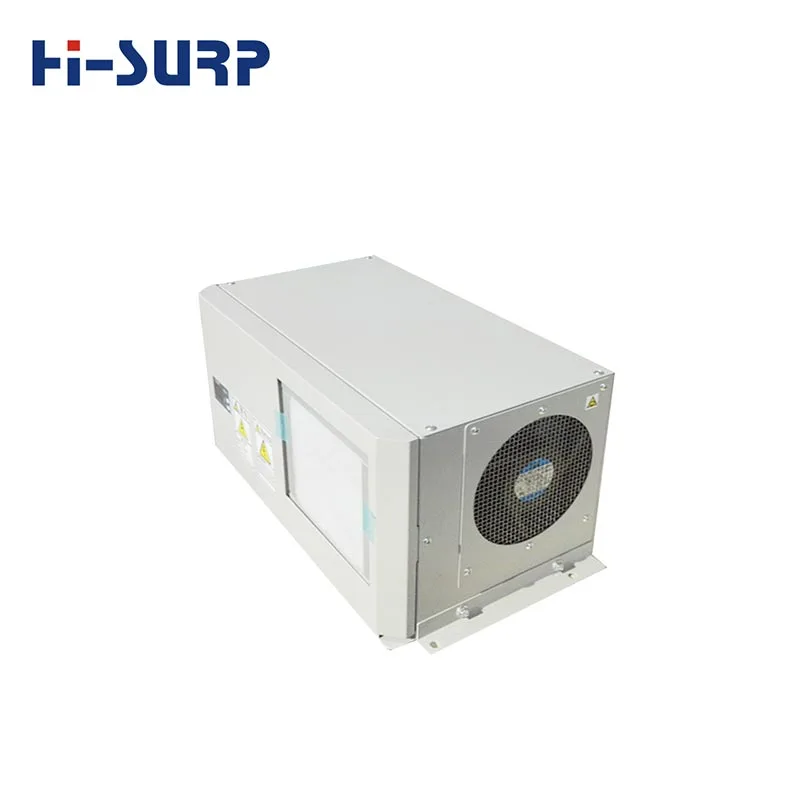
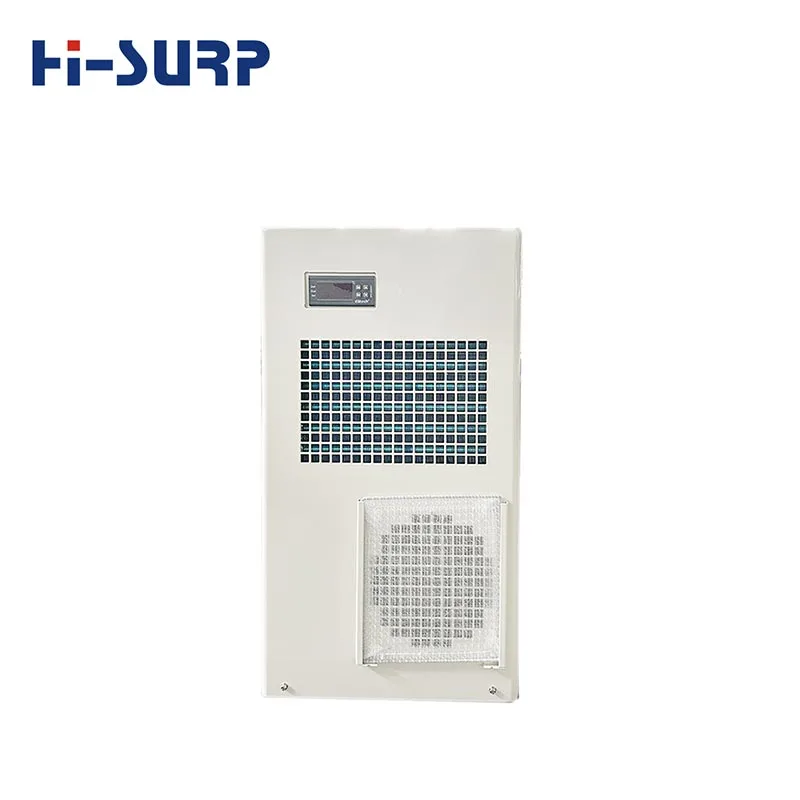
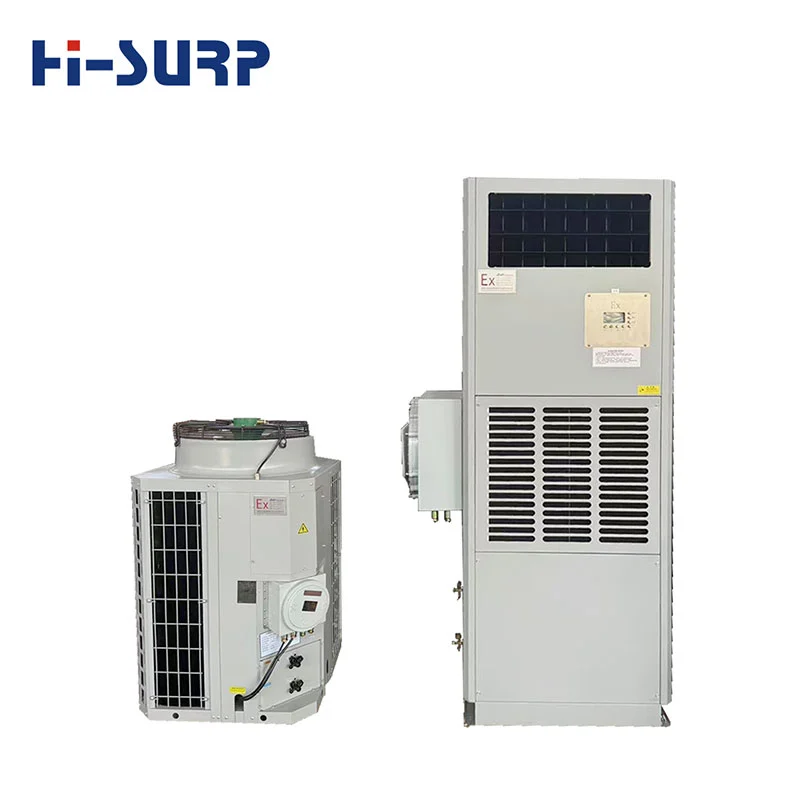
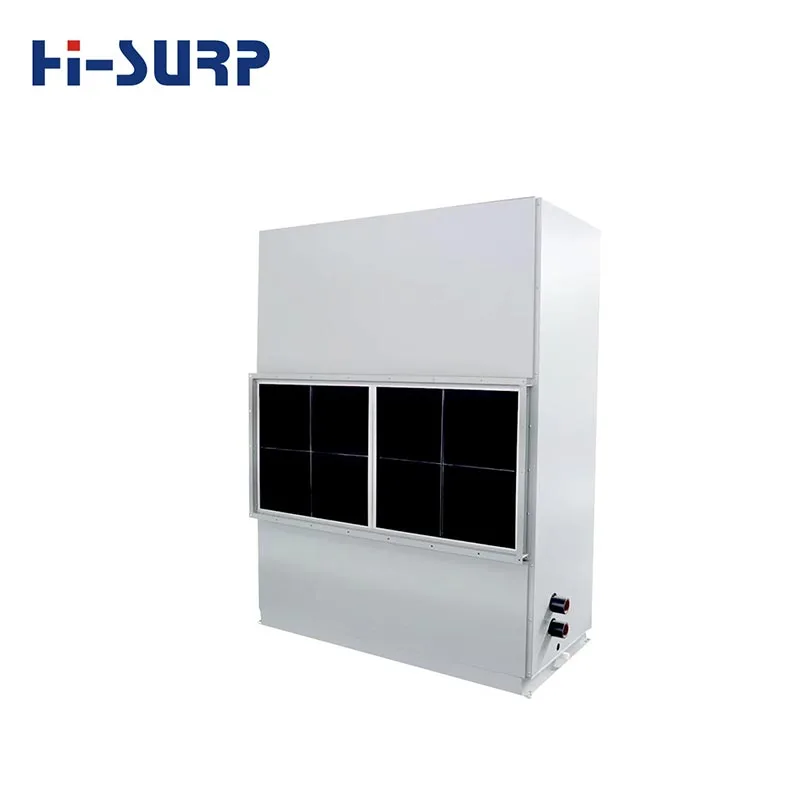
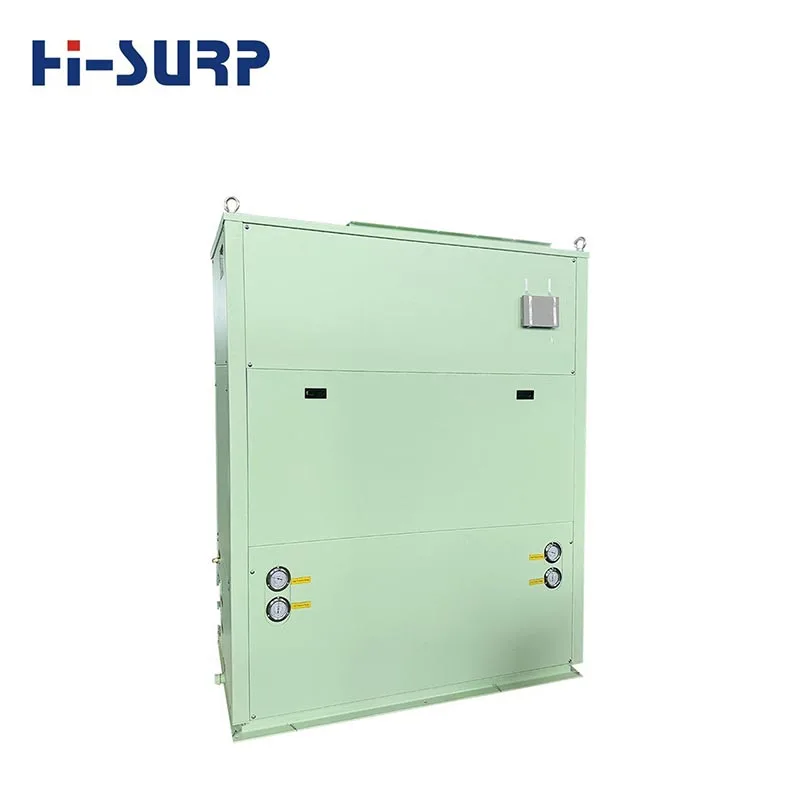
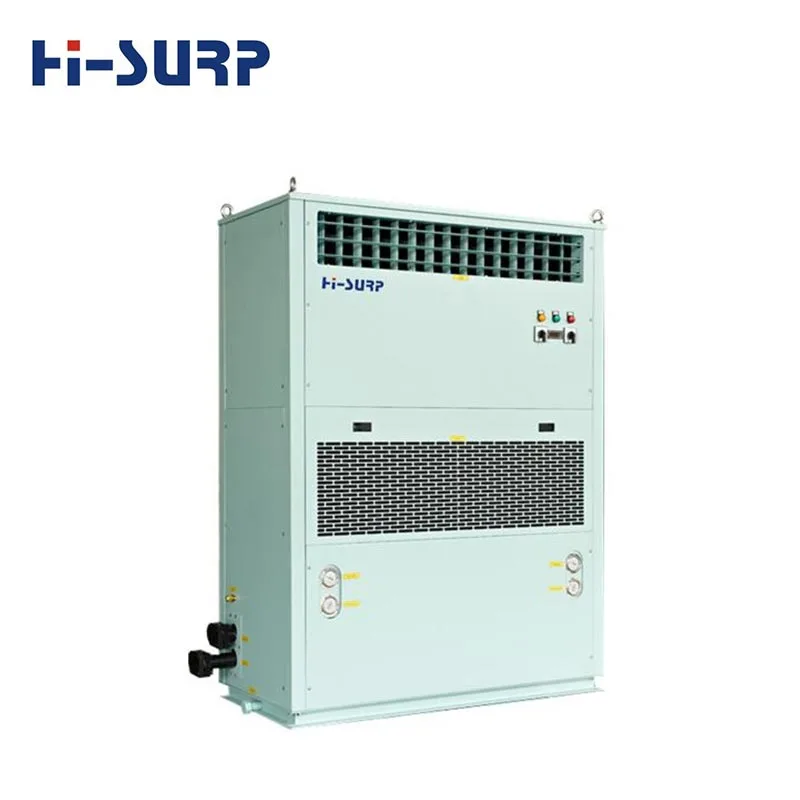
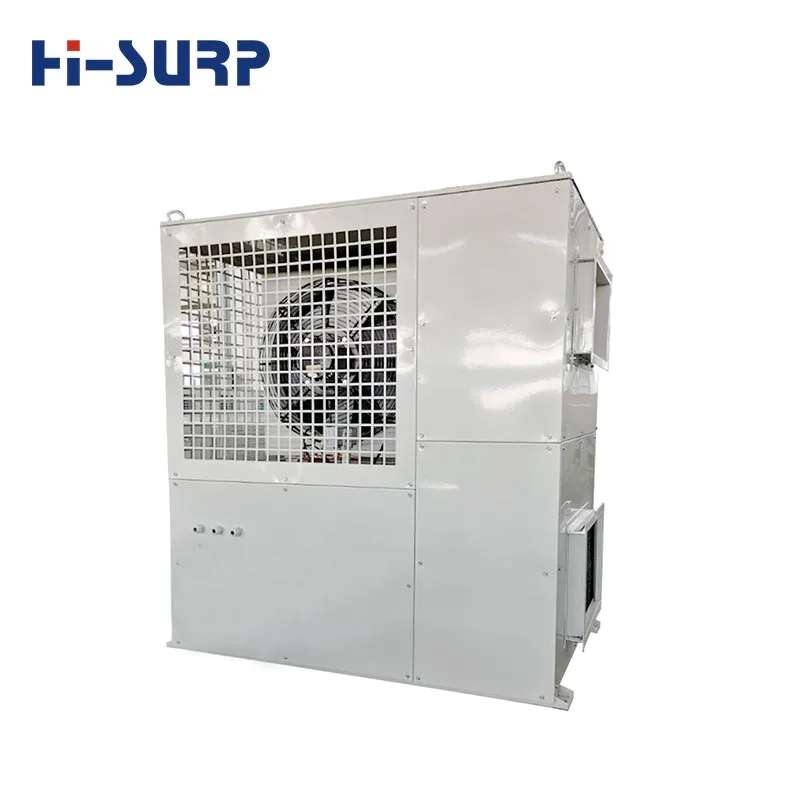
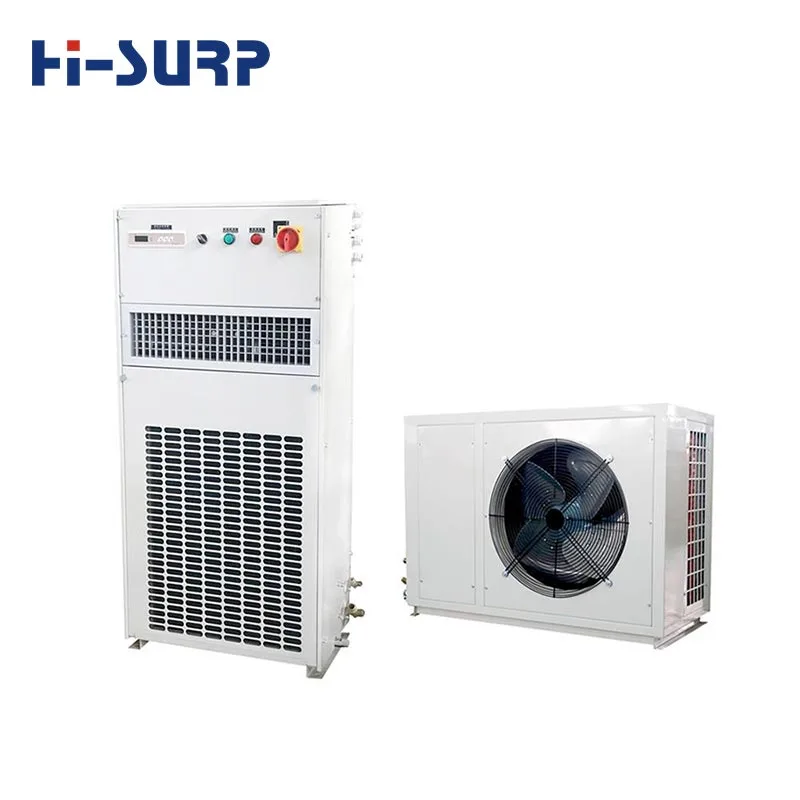
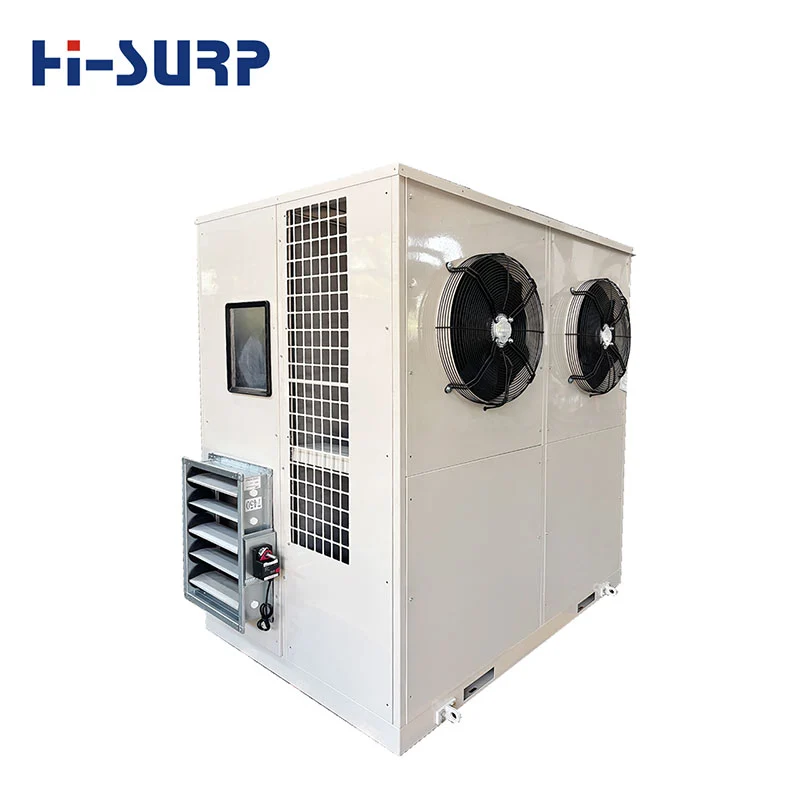
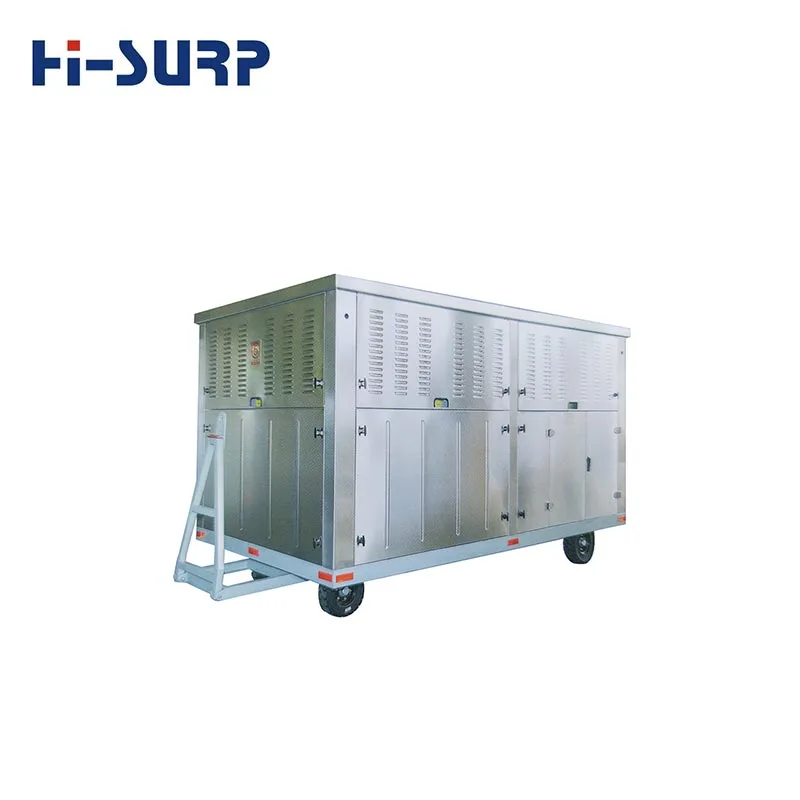
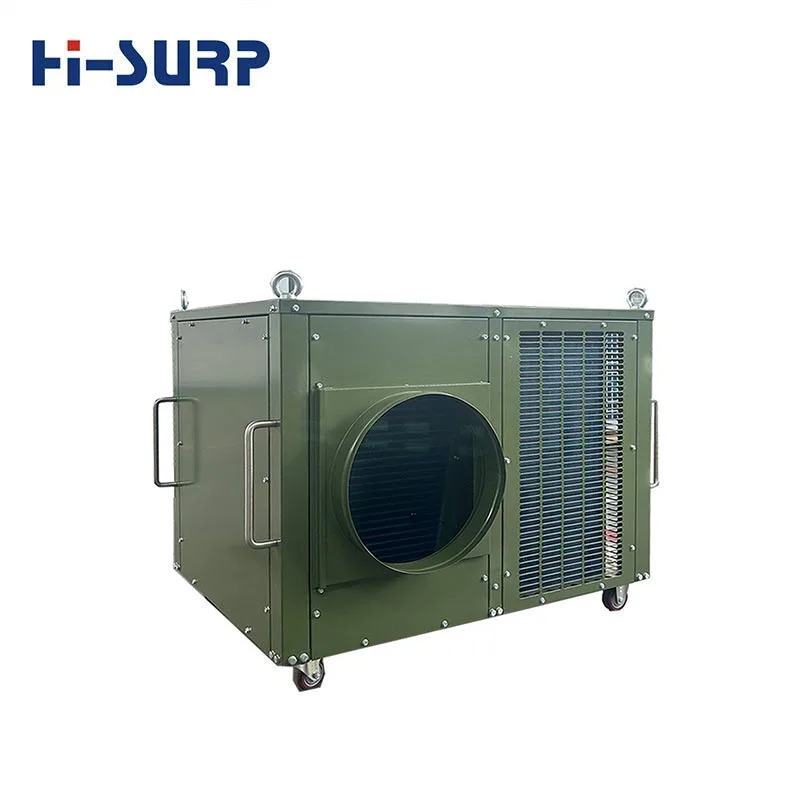
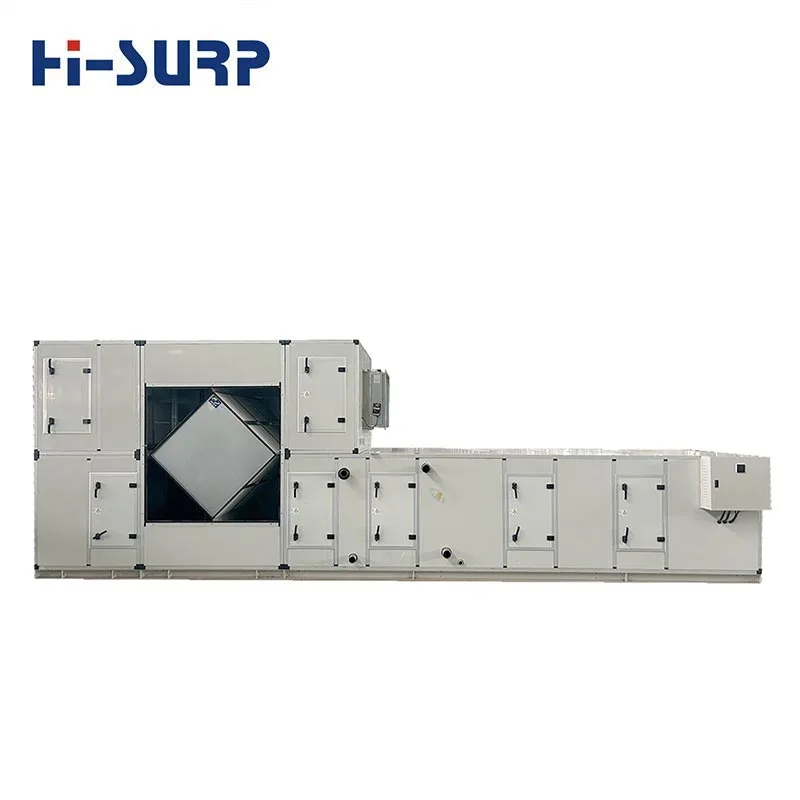
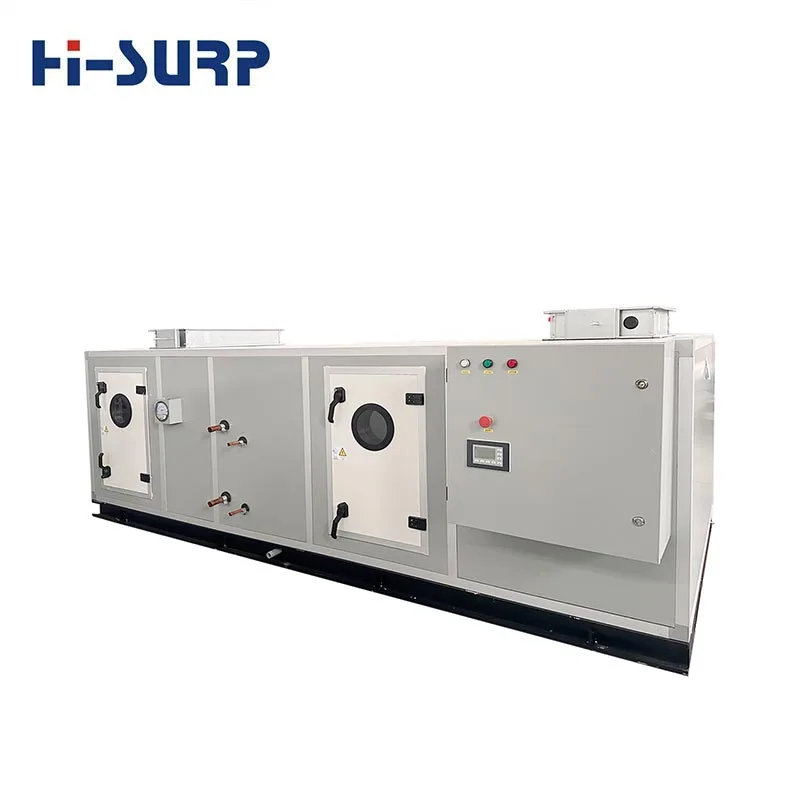
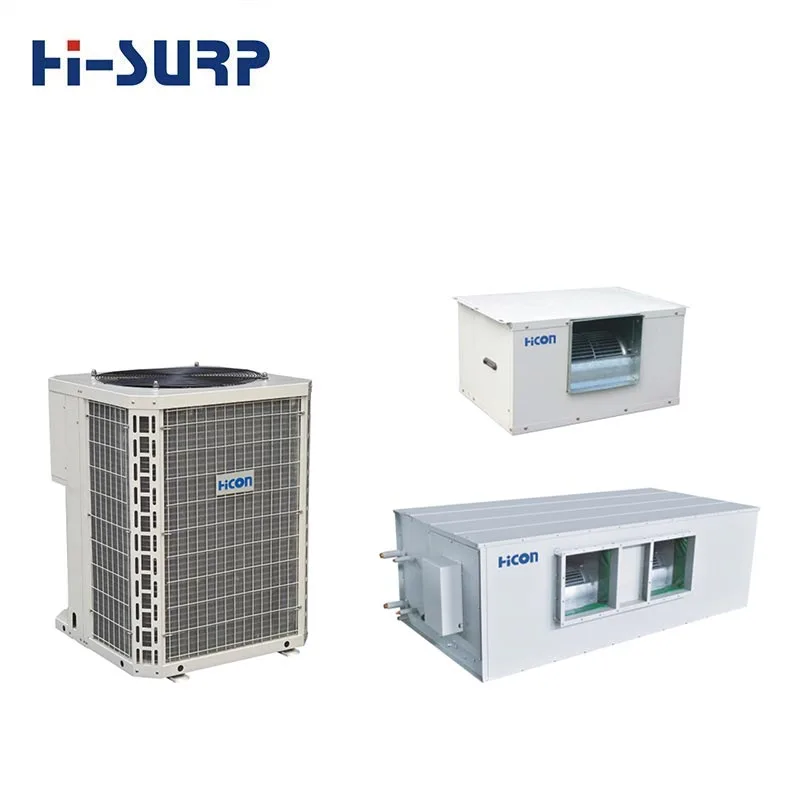
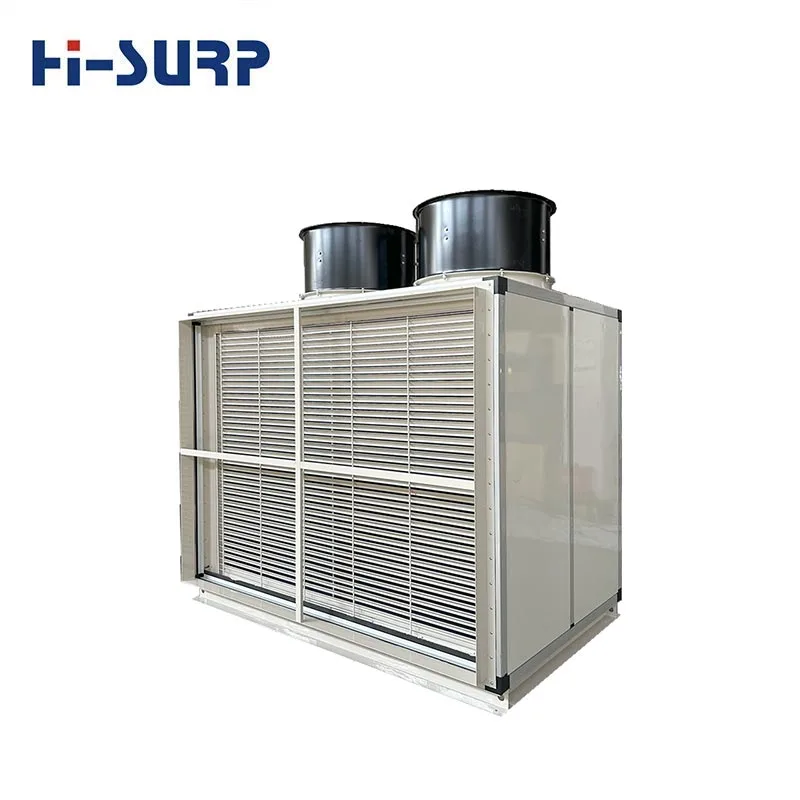
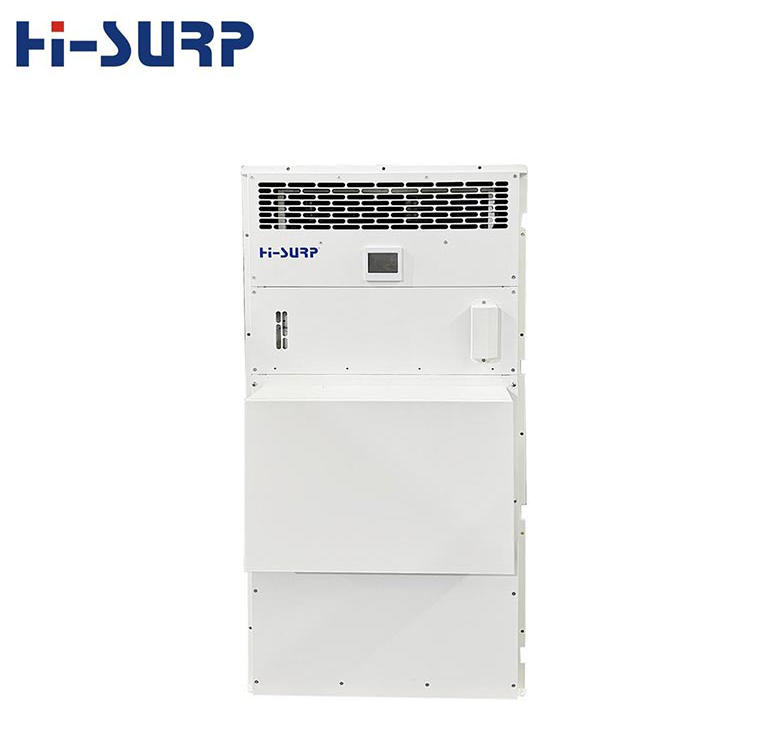
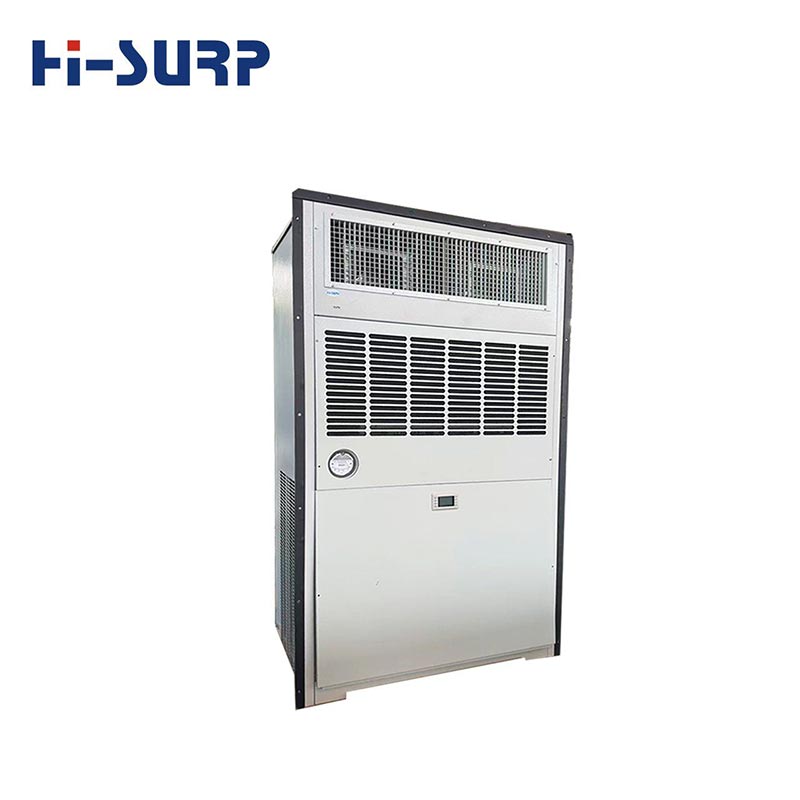
Marine Ahu systems are essential to maintaining stable temperature, humidity, ventilation, and air quality aboard ships and offshore facilities. As a China manufacturer of marine HVAC equipment, HISURP develops customized Marine AHU solutions with marine-grade corrosion protection, vibration resistance, flexible installation, and intelligent control for demanding maritime environments.

A marine air handling unit must perform under conditions that are significantly more challenging than those found in conventional commercial buildings. Salt spray, high humidity, vibration, vessel movement, limited installation space, and continuously changing operating conditions all place additional demands on HVAC equipment.

HISURP's Marine AHU is designed around these requirements. The system can support chilled-water, direct-expansion (DX), and heat-recovery configurations while incorporating vibration isolation, marine-grade corrosion protection, intelligent control, and flexible mounting options. Depending on the configuration, the system provides airflow from 1,000 to 50,000 m³/h, cooling capacity from 5 to 300 kW, and heating capacity from 3 to 200 kW.

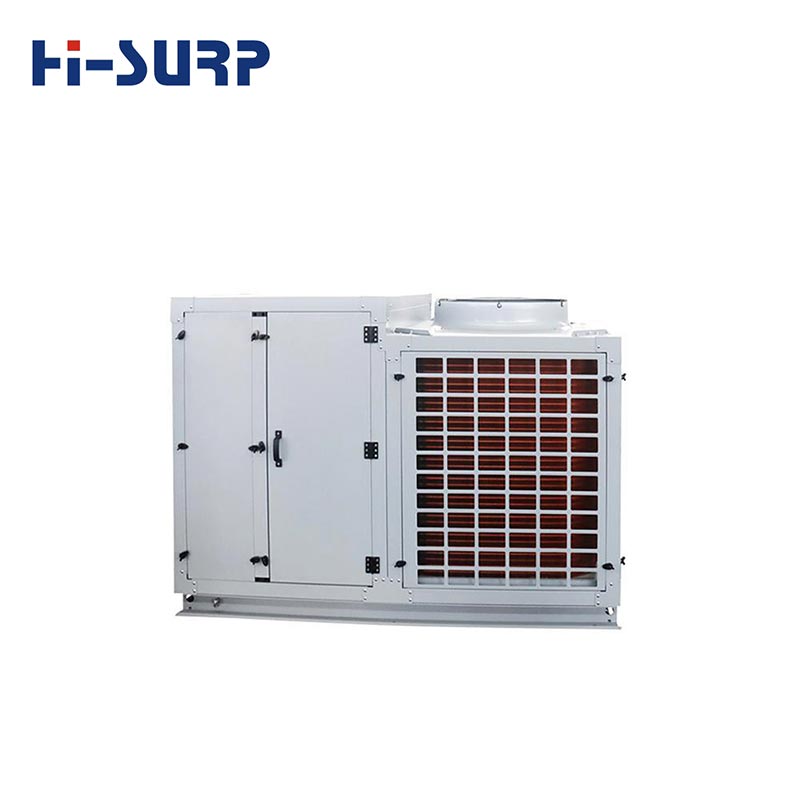
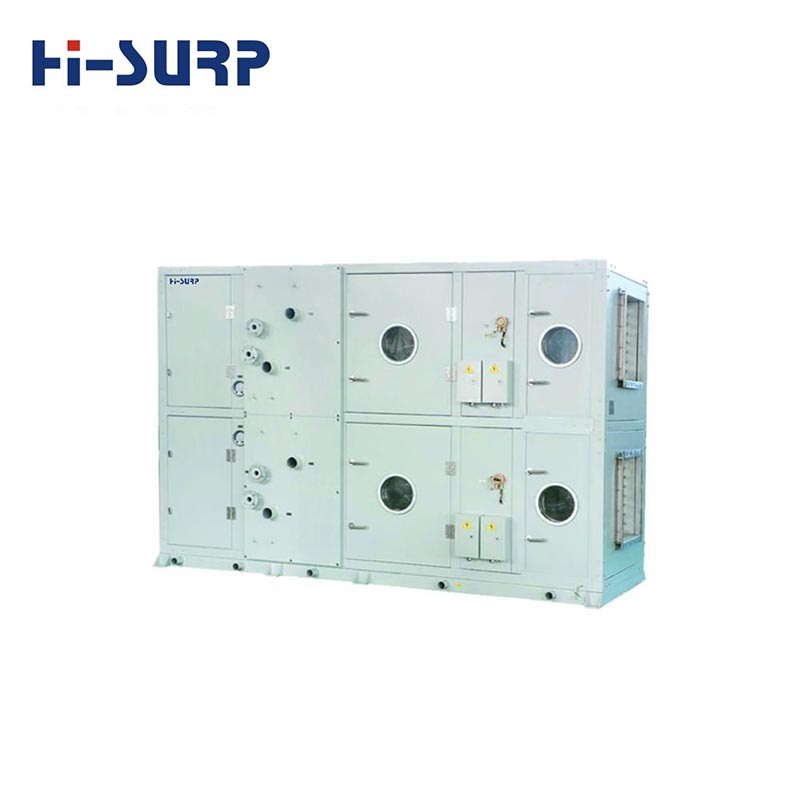
Marine Ahu

Table of Contents


What Is a Marine AHU?

A Marine AHU, or marine air handling unit, is an HVAC system engineered to condition and distribute air in ships, offshore platforms, and other marine facilities. Unlike standard commercial AHUs, marine models must accommodate vessel movement, vibration, salt-laden air, humidity, restricted equipment spaces, and strict operational reliability requirements.

A well-designed Marine AHU can integrate cooling, heating, filtration, ventilation, humidity control, and intelligent monitoring into a single air-treatment system. This makes it suitable for both crew comfort and areas where stable environmental conditions are important for equipment and operations.

According to the HISURP product specifications, the system can be configured with chilled water, DX cooling, or heat-recovery functions. Heat recovery can utilize engine jacket water as a heating source, helping improve overall energy utilization on vessels where waste heat is available.


Why Do Ships Need Specialized Air Handling Units?

Marine HVAC systems operate in an environment where conventional air-conditioning equipment may encounter accelerated corrosion, mechanical stress, and unstable operating conditions. Therefore, selecting equipment specifically engineered for marine service can be critical to system reliability.

  • Salt spray and corrosion: Seawater environments can accelerate corrosion of exposed metal components and heat-transfer surfaces.
  • Vibration and movement: Engines, propulsion systems, and vessel movement create mechanical stresses that stationary-building HVAC equipment may not be designed to withstand.
  • Limited space: Equipment must often be installed in compact machinery rooms, technical spaces, ceilings, or cabins.
  • Variable operating conditions: Ships may move between different climates and operating environments, creating changing cooling and heating requirements.
  • Comfort requirements: Crew cabins, restaurants, passenger spaces, and control rooms require dependable temperature and humidity management.

For these reasons, marine HVAC design must consider more than cooling capacity alone. Mechanical construction, corrosion resistance, controls, installation method, filtration, serviceability, and classification requirements can all influence equipment selection.


What Are the Key Features of a Marine AHU?

1. Multiple Heating and Cooling Sources

A major advantage of a configurable Marine AHU is its ability to accommodate different shipboard energy systems. HISURP's solution can support central chilled water, direct expansion, and heat recovery. This gives ship designers greater flexibility when integrating HVAC equipment into an existing or newly designed vessel.

For vessels equipped with suitable engine heat sources, heat recovery can use engine jacket water at approximately 60–90°C for heating. This approach can reduce dependence on additional electrical heating and make better use of available onboard energy.

2. Marine-Grade Corrosion Protection

Corrosion resistance is one of the most important considerations for marine HVAC equipment. HISURP specifies marine-grade C5-M corrosion protection and offers stainless-steel construction for selected configurations. Key components can also use 316L stainless steel, while heat exchangers may be configured with copper-nickel or titanium alloy depending on application requirements.

The product specification also lists a salt spray test duration of at least 1,000 hours, providing an important reference when evaluating resistance to aggressive marine environments.

3. Vibration and Anti-Sway Design

Shipboard equipment is exposed to vibration, rolling, pitching, and other dynamic conditions. The Marine AHU can use a vibration-absorbing base and flexible connections to reduce the transmission of mechanical vibration through the HVAC installation.

The listed specification includes adaptability to approximately 15° heel and 5° trim, subject to the selected configuration and application requirements. This design consideration helps the system remain functional when the vessel is not perfectly level.

4. Intelligent Temperature and Humidity Control

Marine AHU control systems can be connected to wider ship management systems through Modbus RTU or RS485 communication. HISURP specifies a microprocessor controller or PLC with touchscreen options, allowing operators to monitor and adjust operating parameters efficiently.

The stated temperature control accuracy is ±0.5°C, while humidity accuracy can reach ±5%. Optional EC fans can also improve energy efficiency, with the manufacturer stating potential energy savings of more than 30% depending on operating conditions and configuration.

5. Compact and Flexible Installation

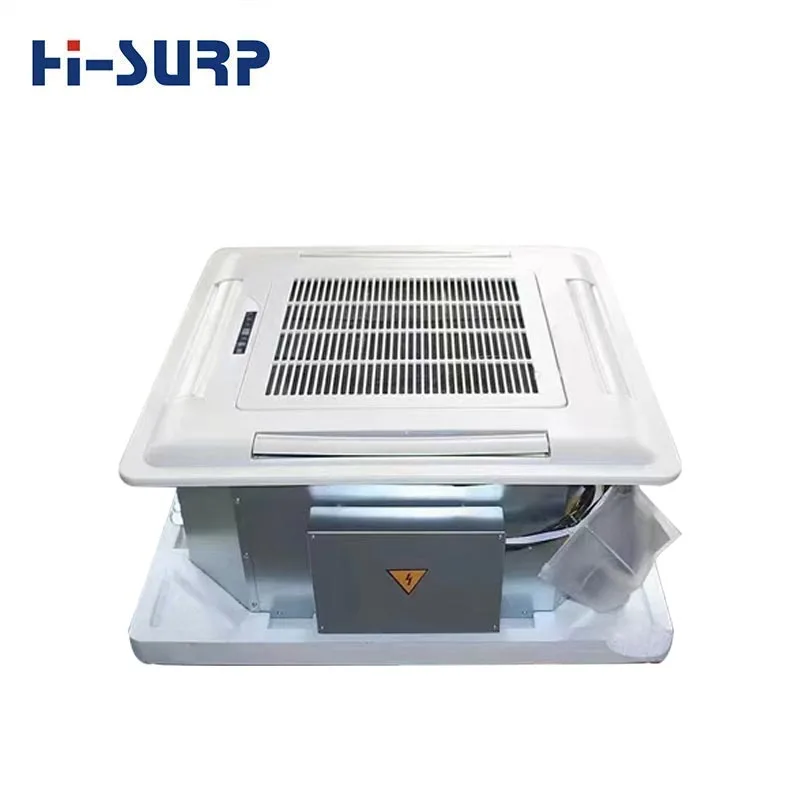
Space is often at a premium aboard ships. A modular Marine AHU can therefore provide significant installation advantages. HISURP offers horizontal, vertical, and ceiling-mounted installation options, allowing equipment configuration to be adapted to different cabin and machinery-room layouts.

Access doors, cleanable filters, and fault self-diagnosis also help simplify routine maintenance and troubleshooting.


Marine AHU Technical Specifications at a Glance

The following table summarizes key technical parameters published for the HISURP Marine AHU. Actual specifications should be confirmed according to vessel design, operating conditions, classification requirements, and customized configuration.

Parameter Specification
Airflow Range 1,000–50,000 m³/h
Cooling Capacity 5–300 kW
Heating Capacity 3–200 kW
Casing Galvanized steel with marine-grade coating / stainless steel
Fan Backward-inclined centrifugal fan / EC fan
External Static Pressure 100–800 Pa, adjustable
Noise Level ≤55–70 dB(A)
Filtration G3/G4, F7/F8/F9; H13/H14 HEPA optional
Cooling Options Chilled water / DX
DX Refrigerants R134a / R410A / R407C
Control Microprocessor / PLC + touchscreen
Communication Modbus RTU / RS485
Temperature Control Range 18°C–30°C
Temperature Accuracy ±0.5°C
Humidity Accuracy ±5%
Protection Rating IP44 / IP54
Salt Spray Test ≥1,000 hours
Corrosion Protection C5-M / marine grade
Optional Classification DNV / BV / ABS / CCS / LR

Where Can Marine AHU Systems Be Used?

The versatility of a Marine AHU allows it to serve different spaces aboard vessels and offshore facilities. Its configuration can be tailored according to airflow requirements, heat loads, available energy sources, installation space, and environmental conditions.

  • Ocean-going merchant ships: Crew accommodation, dining areas, recreational spaces, and passenger-related facilities.
  • Container ships and oil tankers: Living quarters and selected operational areas requiring controlled indoor conditions.
  • Cruise ships and ferries: Passenger cabins, public areas, restaurants, and other comfort-critical spaces.
  • Yachts: Premium accommodation areas where temperature, humidity, noise, and appearance are important.
  • Offshore platforms: Living quarters, control rooms, and operational areas.
  • Engineering vessels: Tugboats, dredgers, pipelaying vessels, and similar specialized ships.
  • Naval and support vessels: Cabin and accommodation HVAC applications where robust marine construction is required.

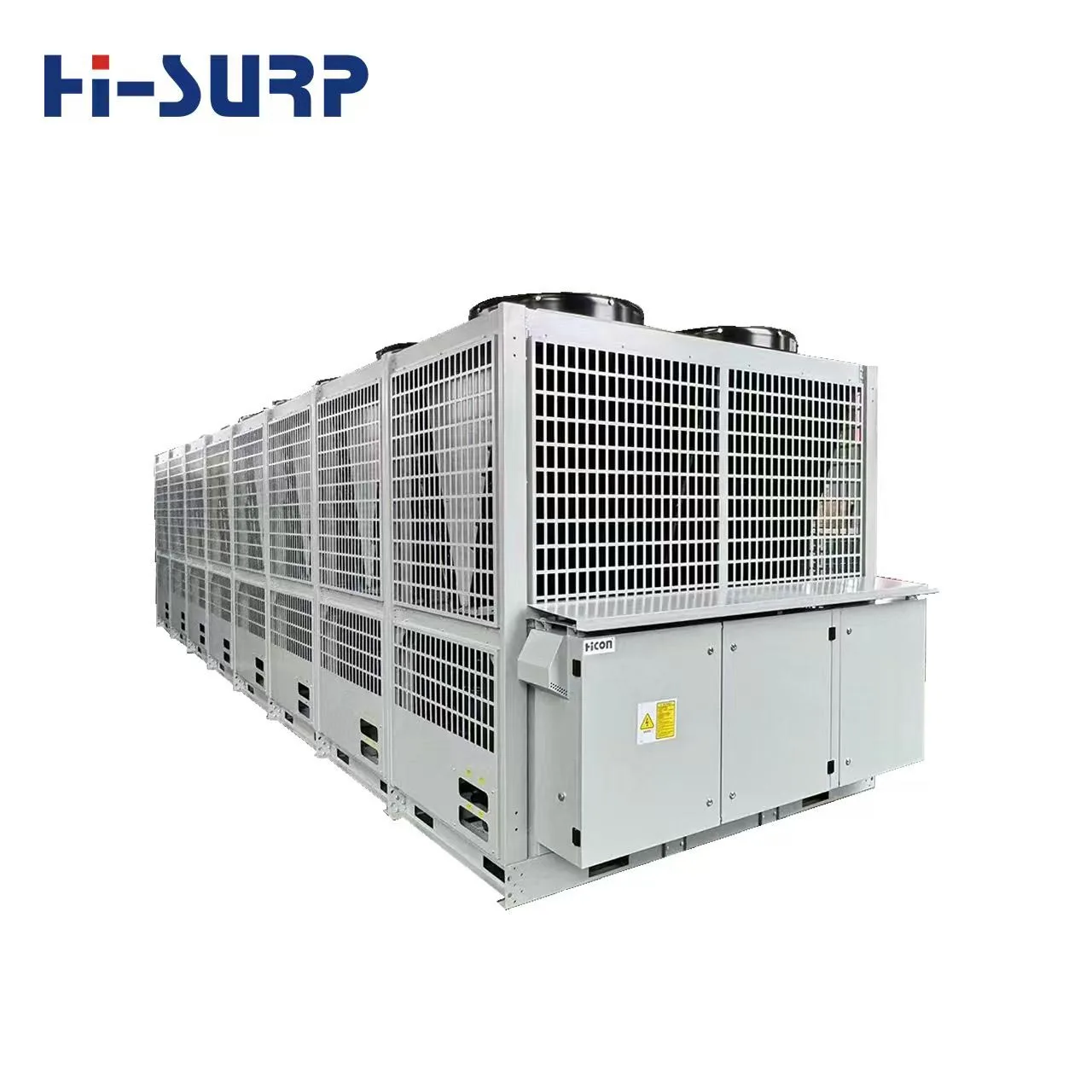
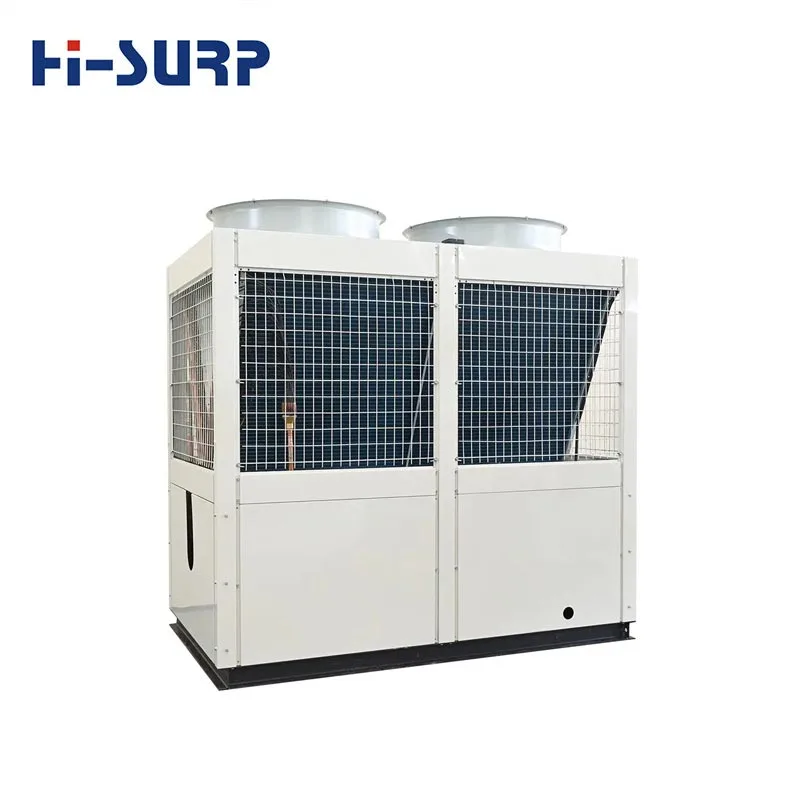
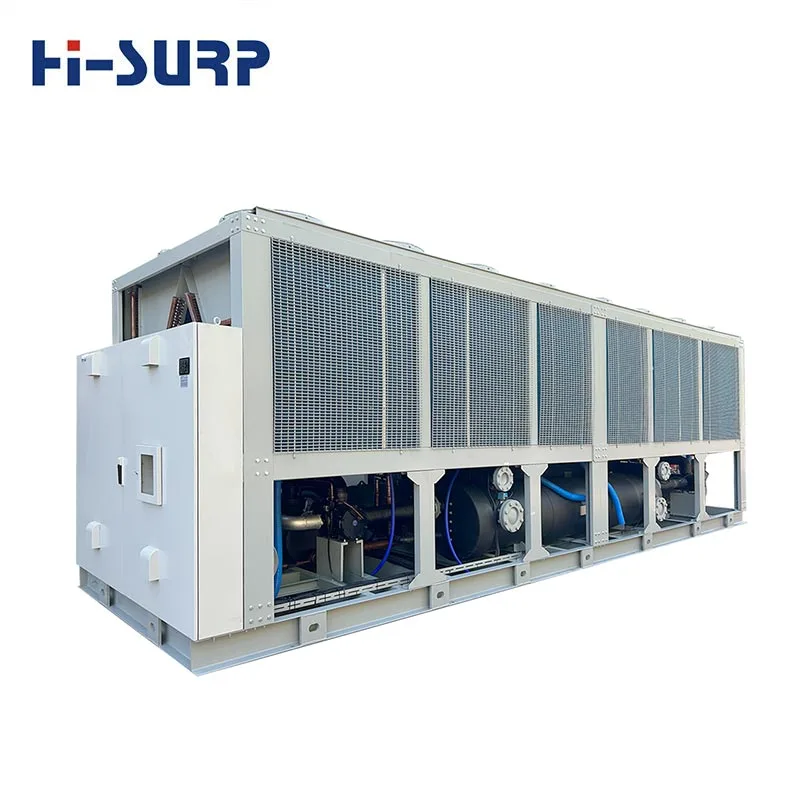
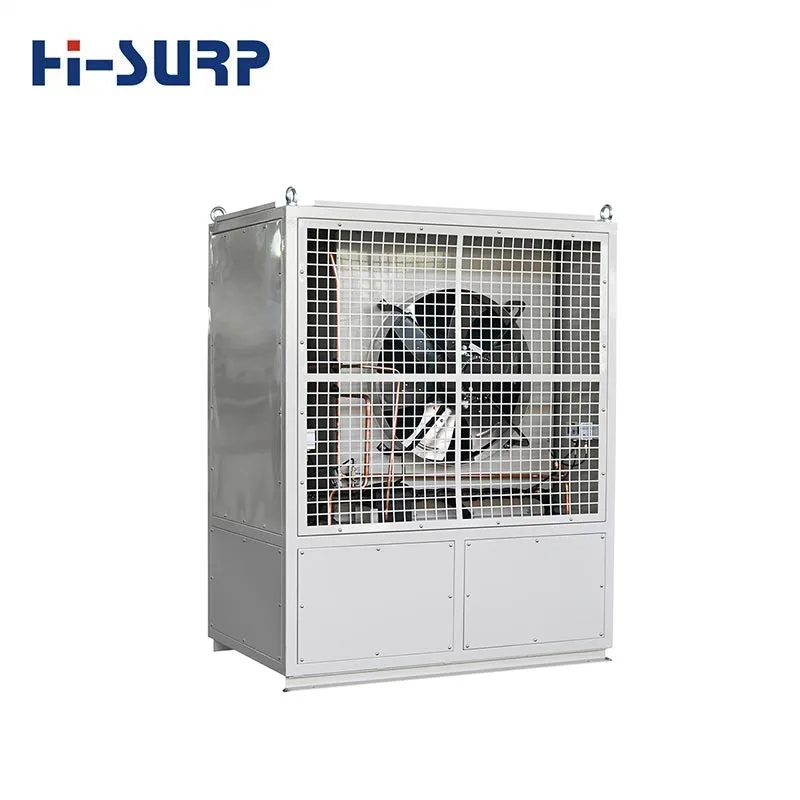
For broader marine HVAC requirements, buyers can also evaluate related solutions such as marine air conditioners, air-cooled marine units, and water-cooled marine air-conditioning systems.


How Should You Select a Marine AHU?

Choosing the right Marine AHU requires a system-level evaluation rather than simply comparing cooling capacity or purchase price. Procurement teams should provide the manufacturer with enough project information to ensure the selected configuration is technically appropriate.

  1. Determine the required airflow: Calculate the ventilation and conditioning requirements for each space.
  2. Calculate cooling and heating loads: Consider people, equipment, lighting, external temperature, insulation, and operating conditions.
  3. Identify the available energy source: Determine whether chilled water, DX, hot water, engine jacket water, or electric heating is preferred.
  4. Assess marine exposure: Specify salt spray, humidity, corrosion, vibration, and vessel movement requirements.
  5. Confirm installation constraints: Check dimensions, weight, service access, duct connections, and mounting orientation.
  6. Specify filtration requirements: Select pre-filter, medium-filter, or HEPA configurations according to indoor air-quality requirements.
  7. Review control integration: Confirm whether Modbus RTU, RS485, PLC, or integration with the ship's management system is required.
  8. Verify certification requirements: For applicable projects, confirm whether DNV, BV, ABS, CCS, or LR classification is needed.

Working with an experienced China Marine AHU manufacturer can simplify this process because the supplier can coordinate capacity selection, casing construction, corrosion protection, control systems, and installation requirements as one integrated solution.


How Does Marine AHU Quality Affect Long-Term Operation?

Marine HVAC equipment is difficult to access once a vessel is operating at sea. A component failure can therefore create more than an ordinary maintenance inconvenience. It may affect crew comfort, passenger experience, equipment-room conditions, or operational continuity.

HISURP states that its quality-control process includes incoming raw-material inspection, self-inspection, mutual inspection, and specialized inspection during production. Finished equipment can undergo high-temperature, salt-spray, vibration, tilting, leakage, and electrical-safety testing.

The manufacturer's listed testing capabilities include an enthalpy-difference laboratory, noise-testing room, salt-spray test chamber, vibration test bench, and tilting test bench. Product traceability is also supported through unique equipment serial numbers.

For procurement teams, these capabilities are useful indicators when comparing potential Marine AHU suppliers. A reliable supplier should be able to discuss not only rated capacity but also environmental testing, component selection, documentation, certification, installation support, spare parts, and after-sales service.


Frequently Asked Questions About Marine AHU

What is the main purpose of a Marine AHU?

A Marine AHU conditions and distributes air in marine environments. It can provide cooling, heating, filtration, ventilation, and humidity control for cabins, public areas, control rooms, and other shipboard spaces.

What makes a Marine AHU different from a standard AHU?

A marine model is designed with additional consideration for salt spray, humidity, corrosion, vibration, vessel movement, compact installation, and marine-specific operational requirements.

Can a Marine AHU use both chilled water and DX cooling?

Yes. HISURP's Marine AHU platform can be configured for chilled-water or direct-expansion cooling. The appropriate solution depends on the vessel's HVAC architecture and available energy sources.

Is corrosion resistance important for marine air handling equipment?

Yes. Marine environments contain salt and moisture that can accelerate corrosion. Marine-grade coatings, suitable stainless-steel components, and corrosion-resistant heat-exchanger materials can help improve equipment durability.

Can Marine AHU systems be customized?

Yes. Airflow, cooling and heating capacity, dimensions, casing materials, filtration, mounting orientation, controls, communication interfaces, and certification requirements can be configured according to project needs.

What certifications may be required for Marine AHU equipment?

Depending on the vessel and project, applicable certifications may include CE, RoHS, ISO9001, and classification-society requirements such as DNV, BV, ABS, CCS, or LR. Certification requirements should be confirmed before procurement.


Conclusion: Why Is the Right Marine AHU a Strategic HVAC Investment?

A Marine AHU is more than a conventional air-conditioning component. It is a critical part of shipboard environmental control that must balance energy efficiency, corrosion resistance, vibration tolerance, precise control, compact installation, maintainability, and long-term reliability.

With configurable airflow and capacity ranges, multiple heating and cooling sources, marine-grade corrosion protection, intelligent controls, and optional classification certifications, HISURP provides Marine AHU solutions designed for ships and offshore applications. For shipbuilders, marine HVAC contractors, offshore operators, and international procurement teams seeking a customized China manufacturer, selecting the right configuration at the design stage can significantly improve system reliability and lifecycle performance.

Looking for a Marine AHU tailored to your vessel's airflow, cooling load, installation space, certification, and environmental requirements? Contact HISURP to discuss your project specifications, customization requirements, and marine HVAC solution. Please contact us for professional technical support and a customized quotation.

X
We use cookies to offer you a better browsing experience, analyze site traffic and personalize content. By using this site, you agree to our use of cookies. Privacy Policy
Reject Accept