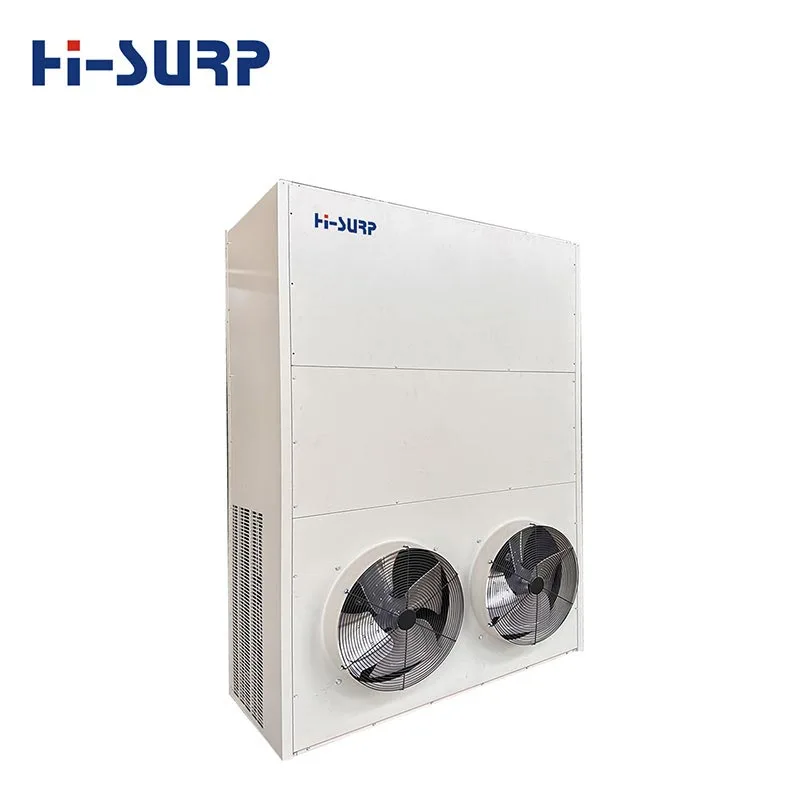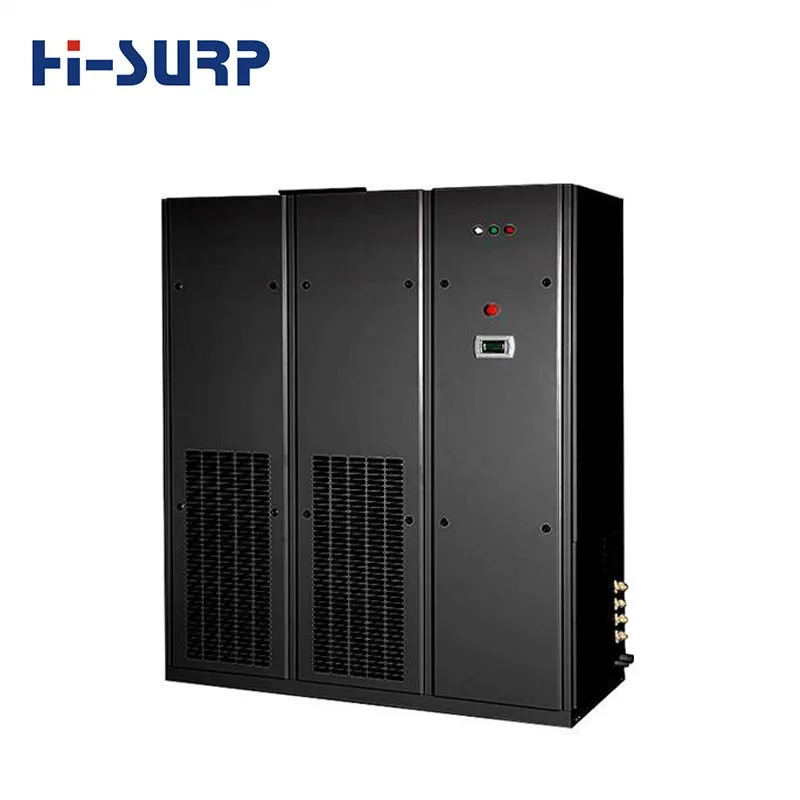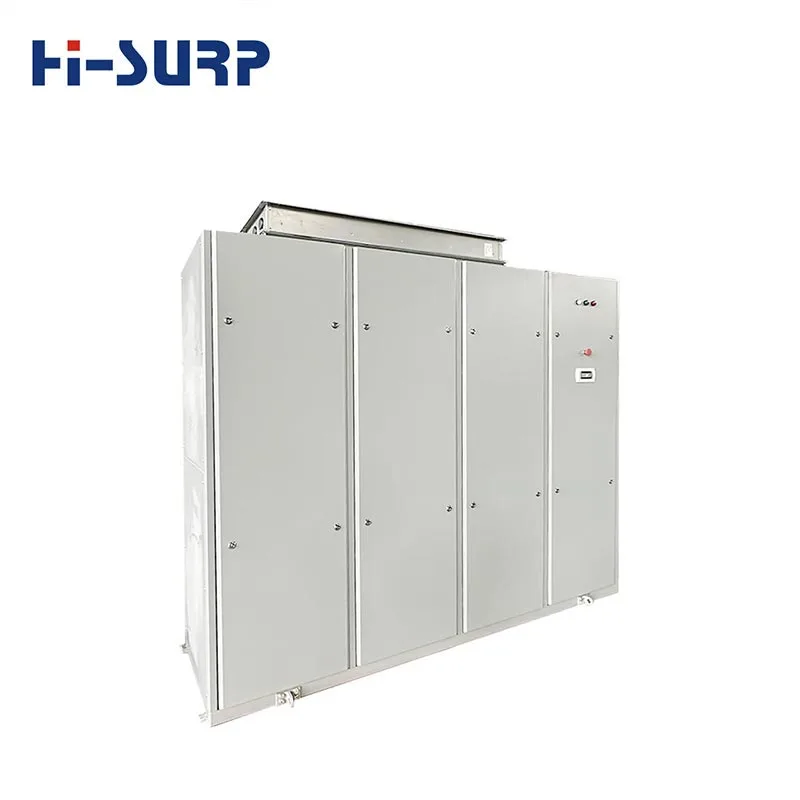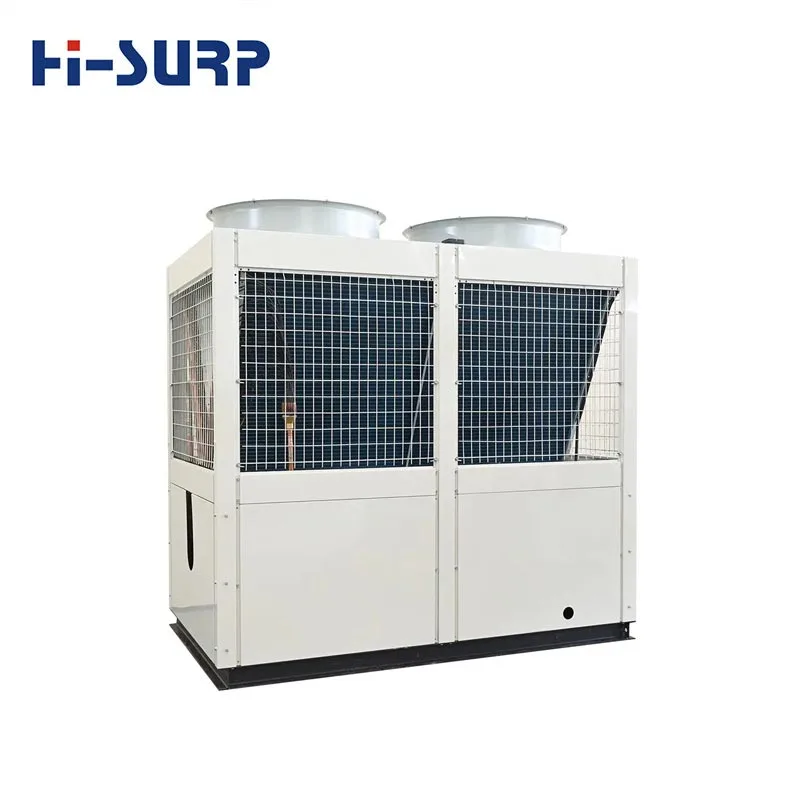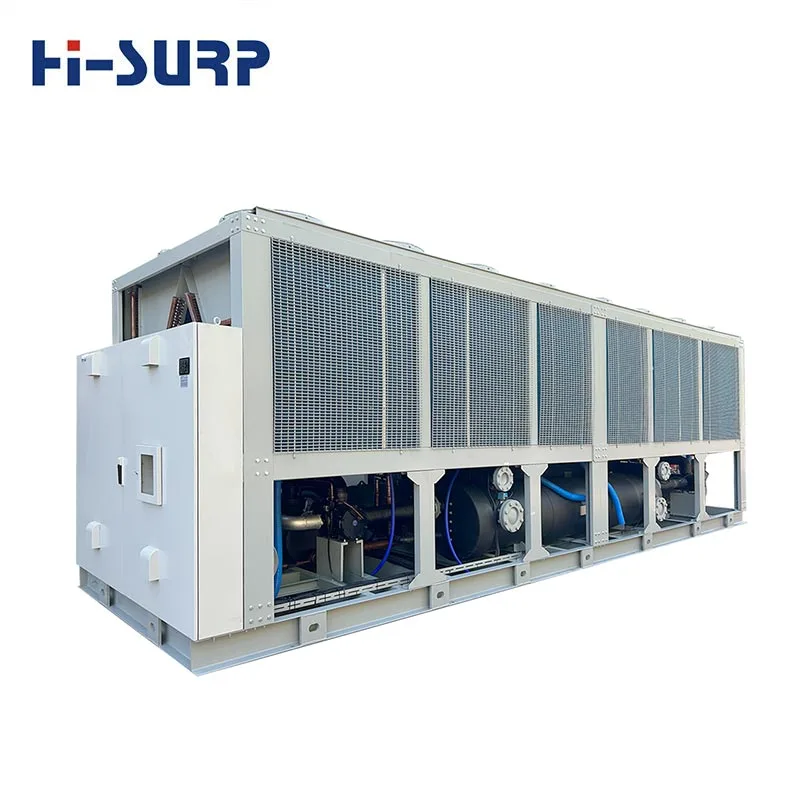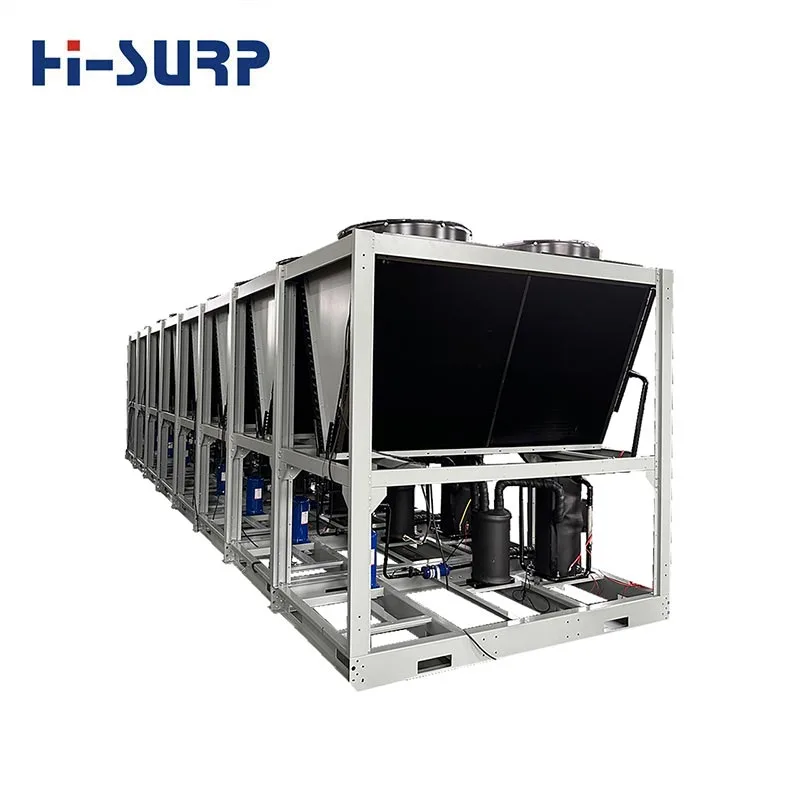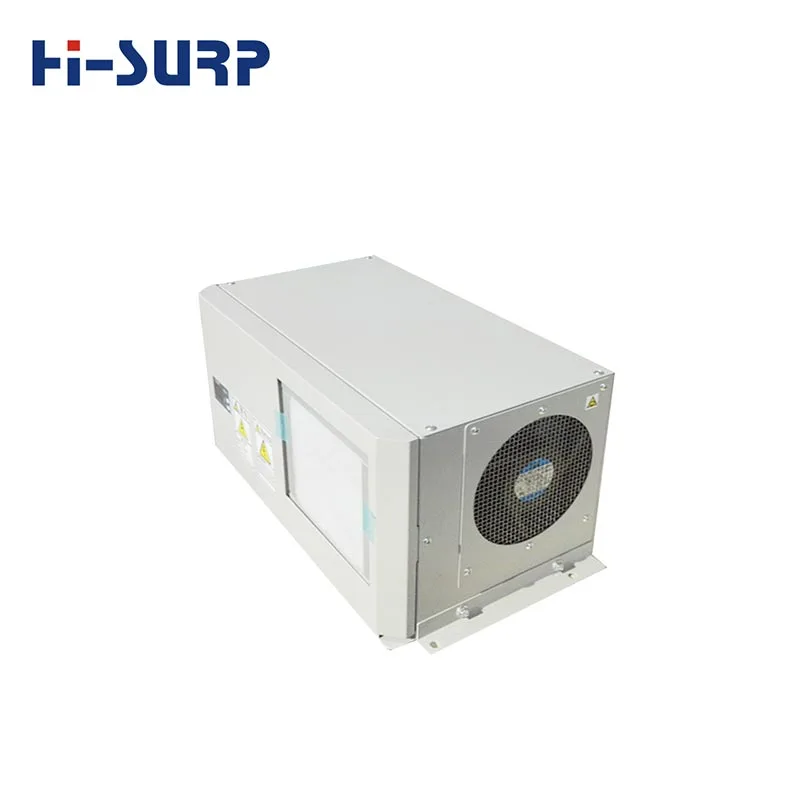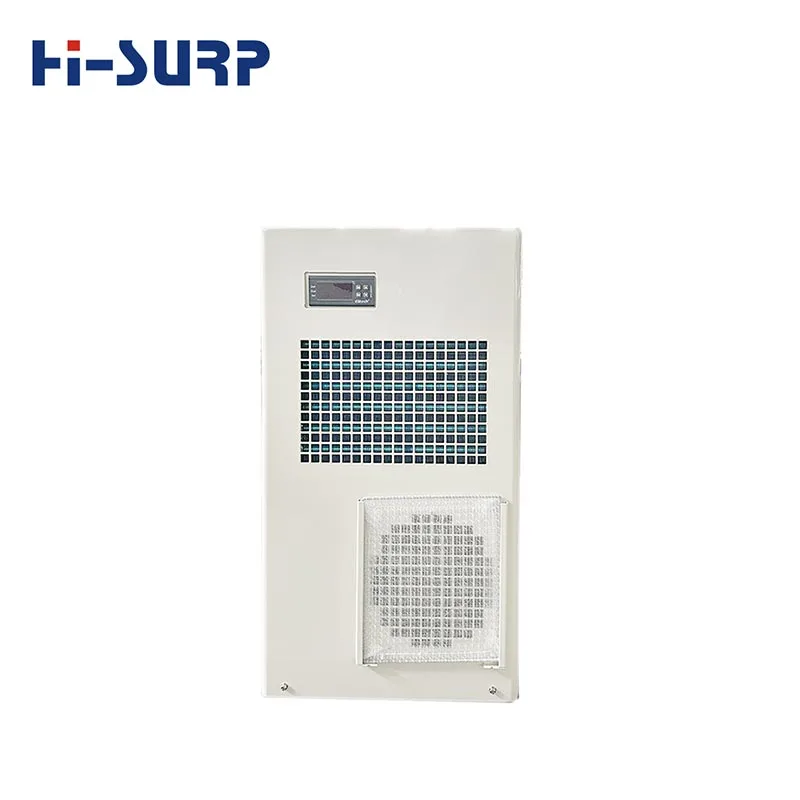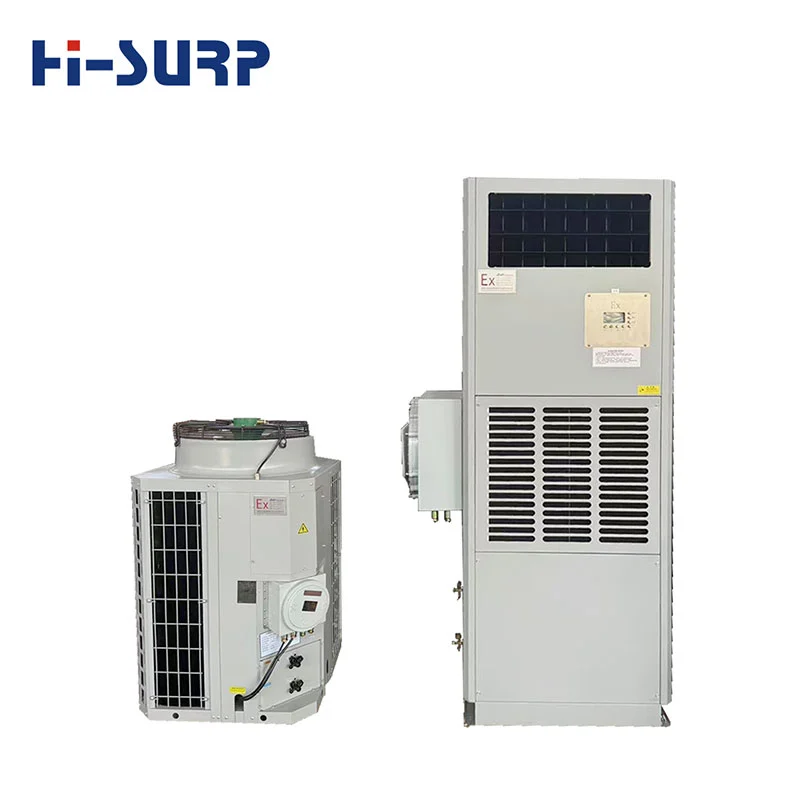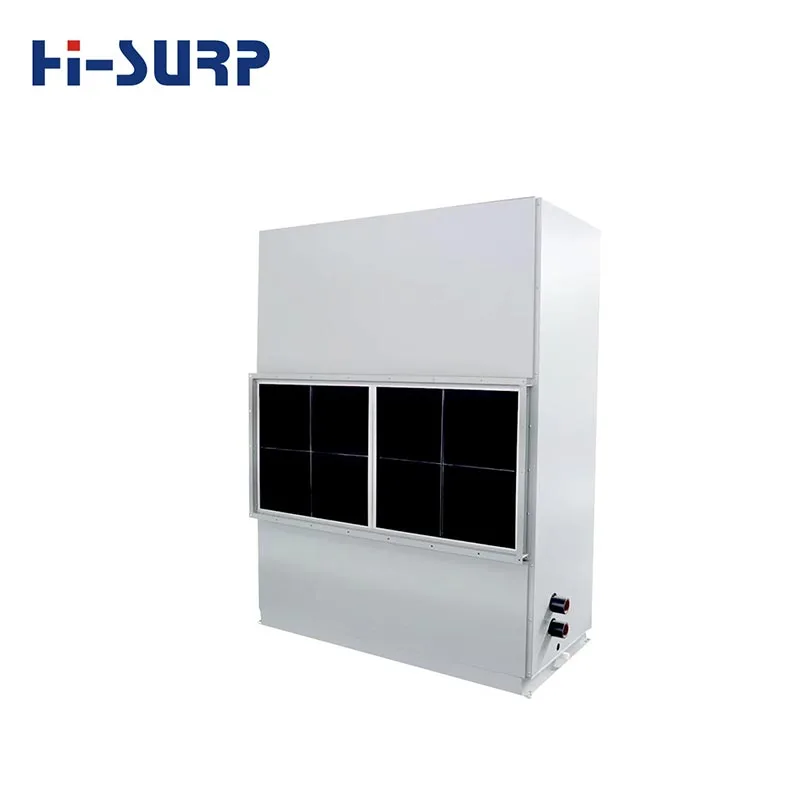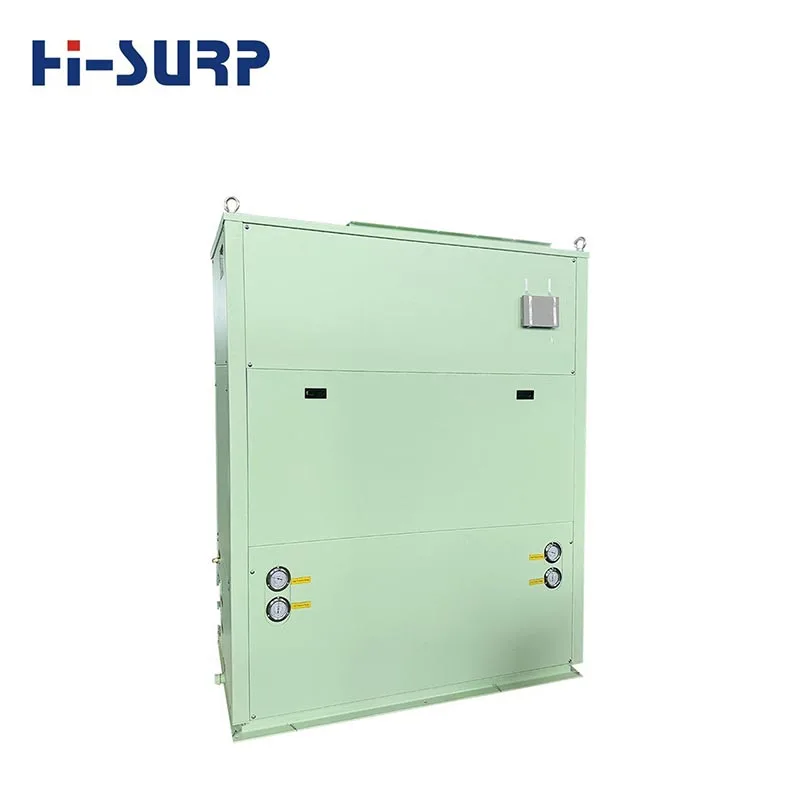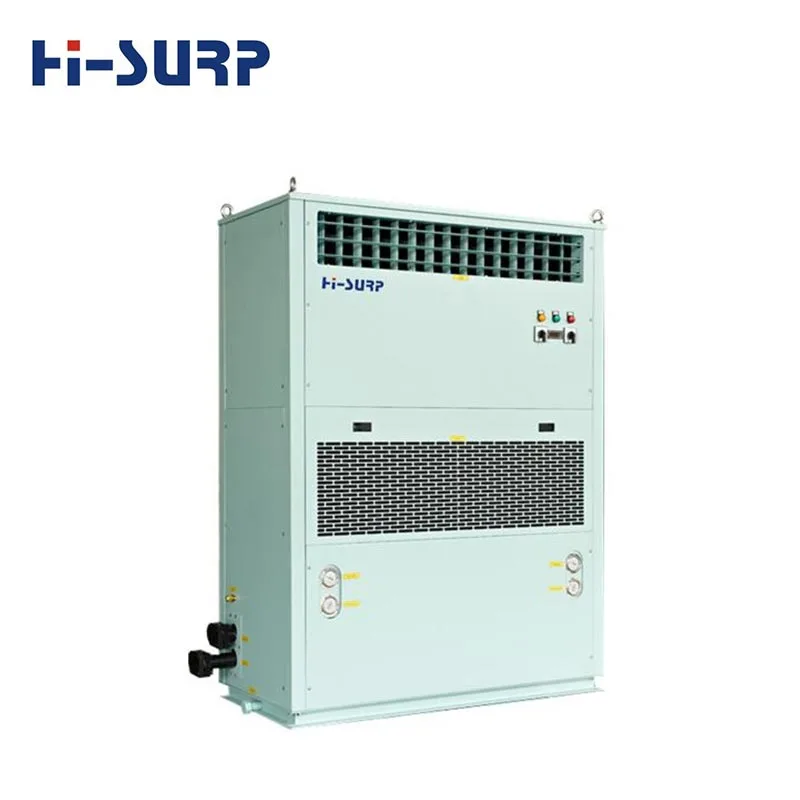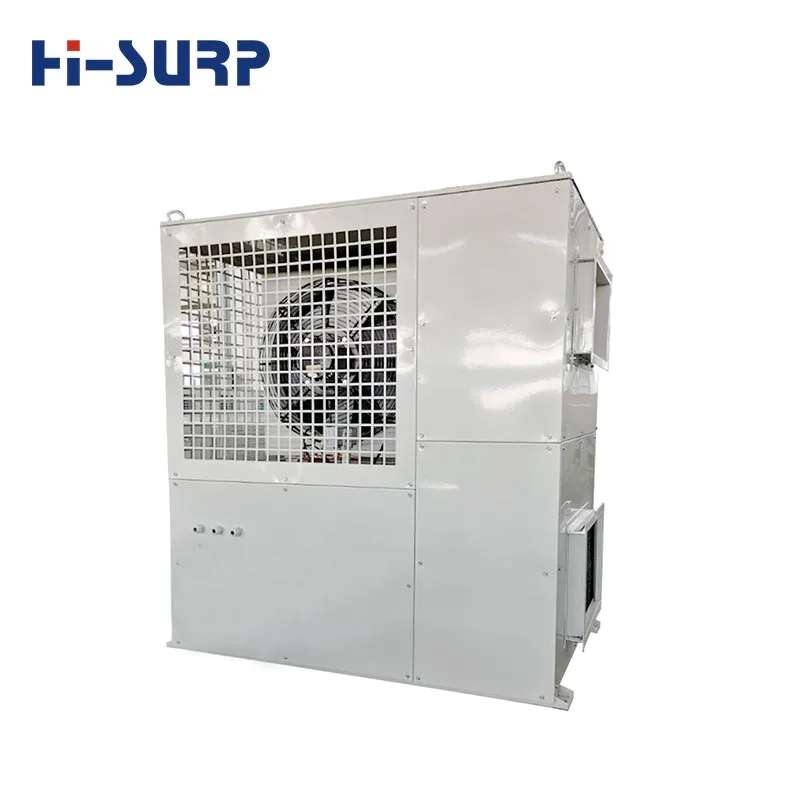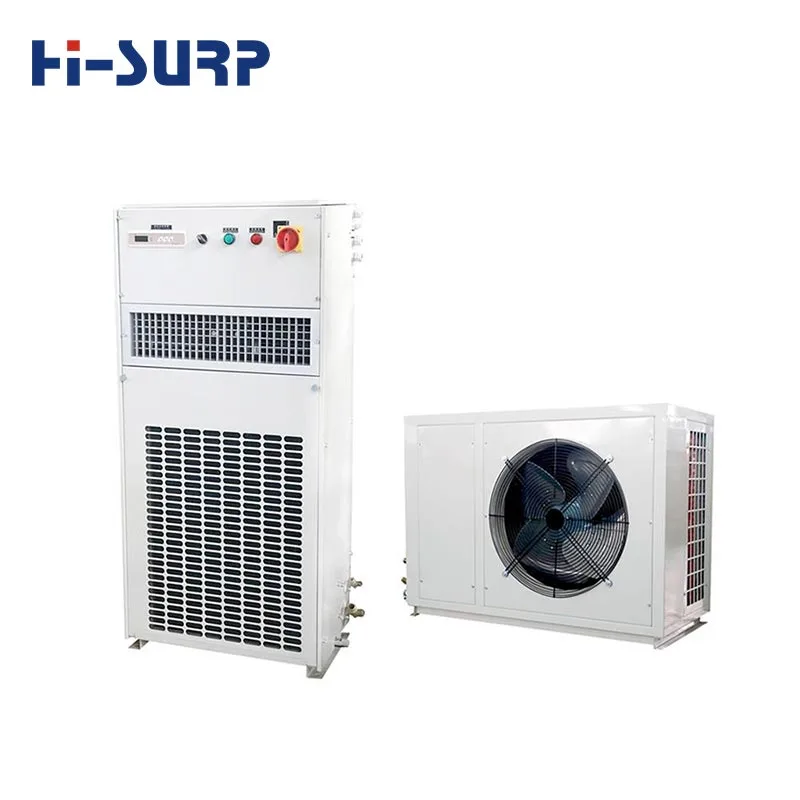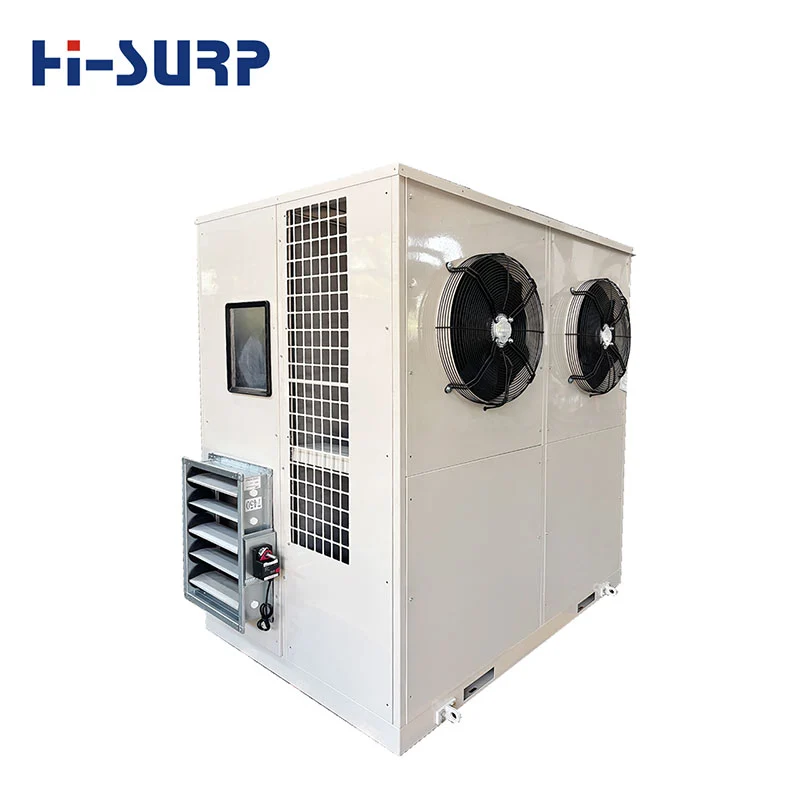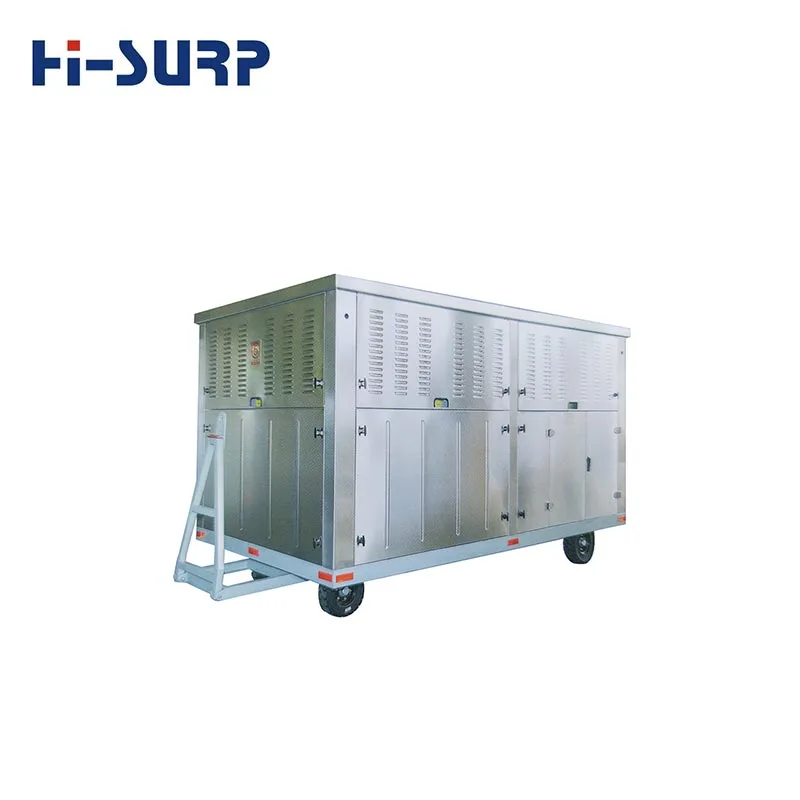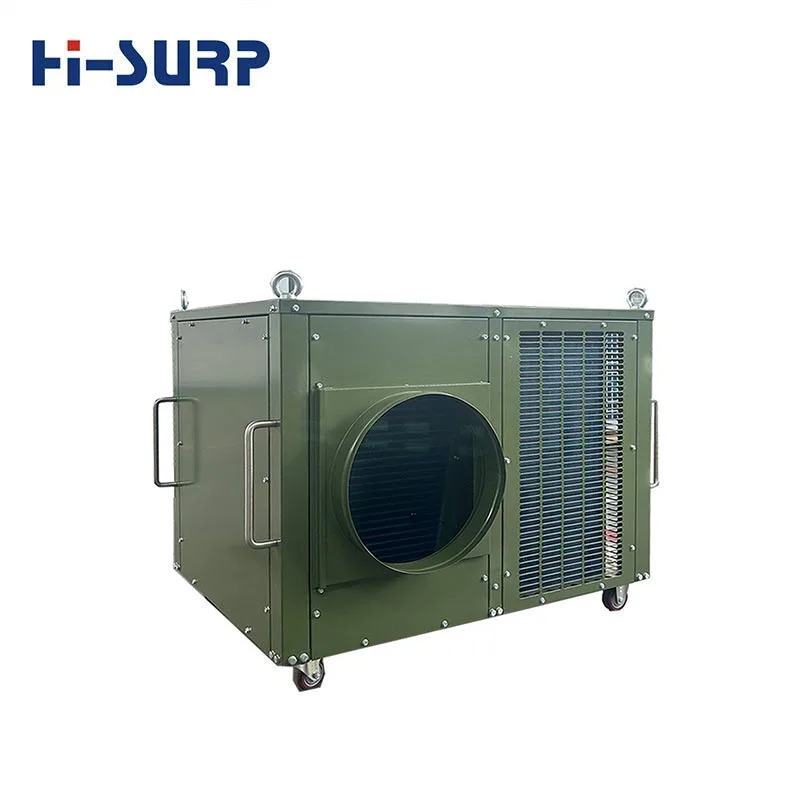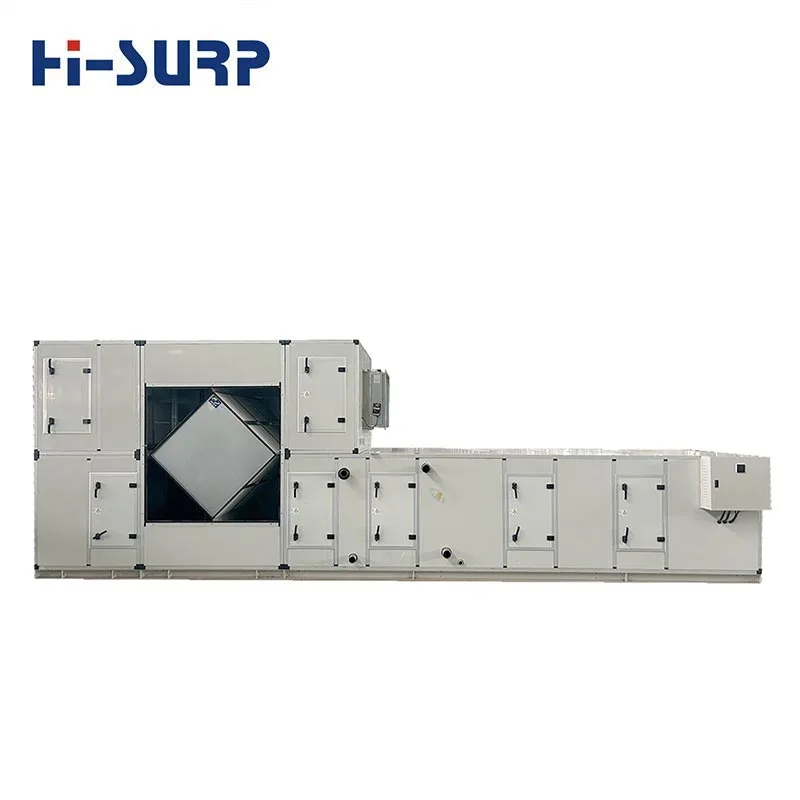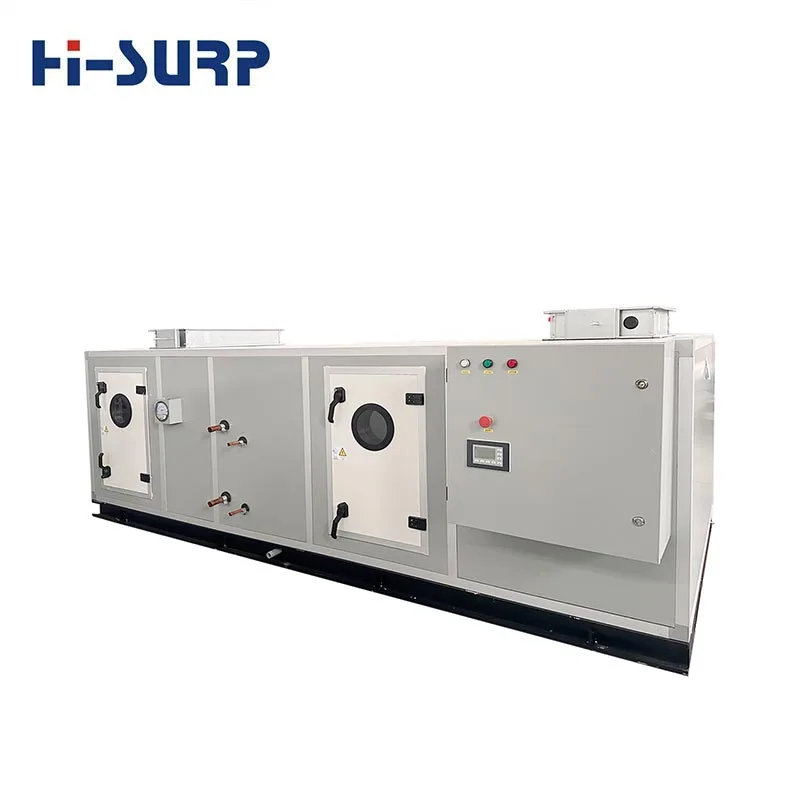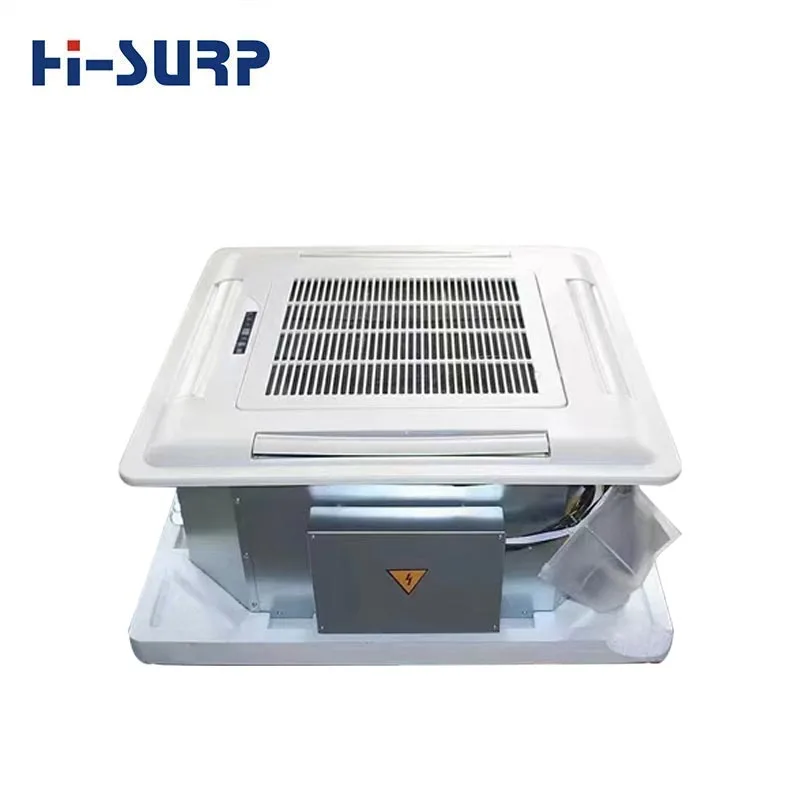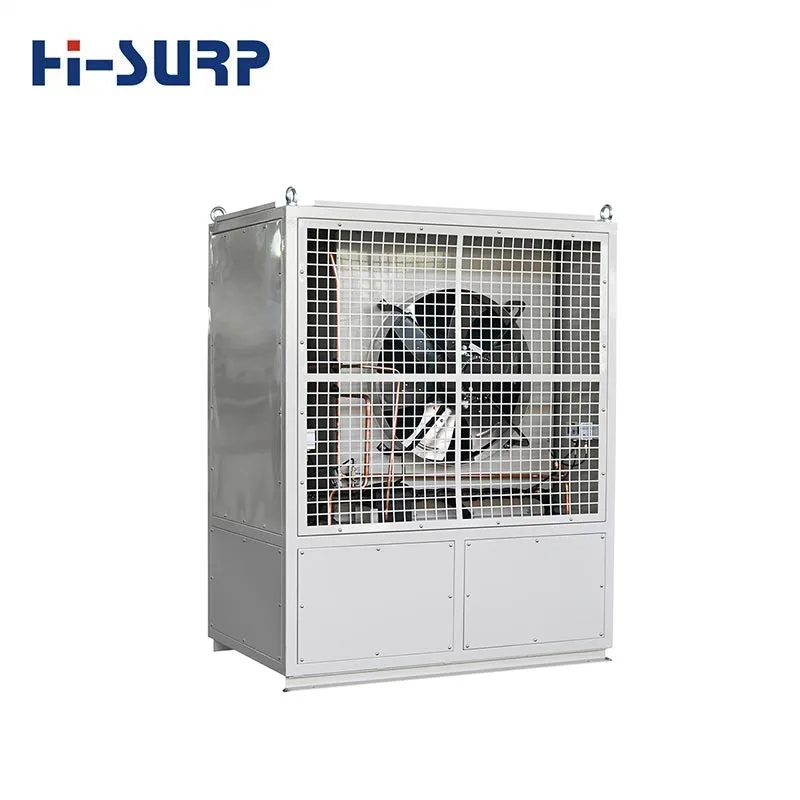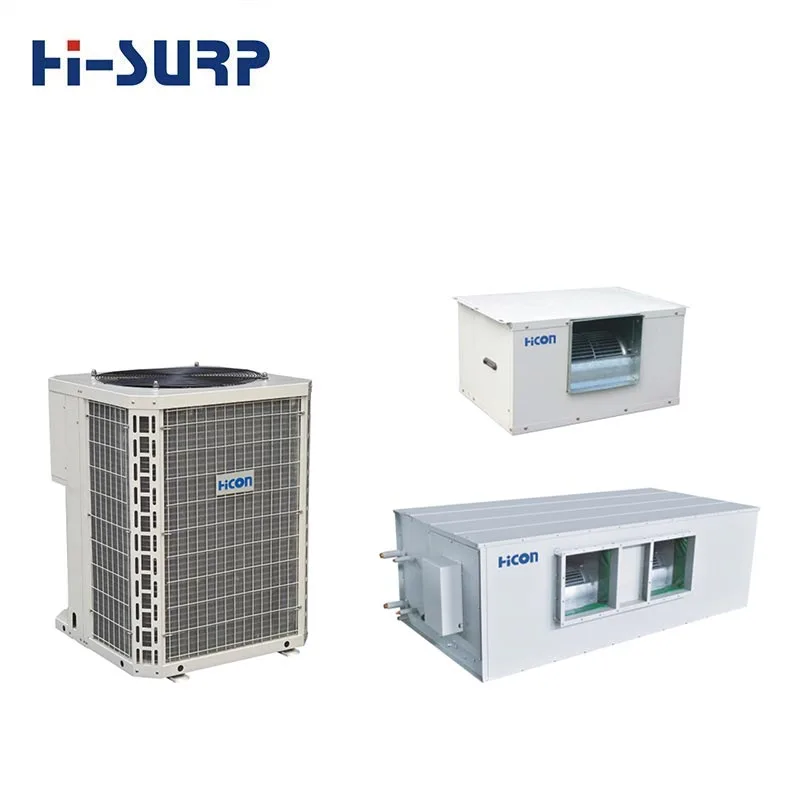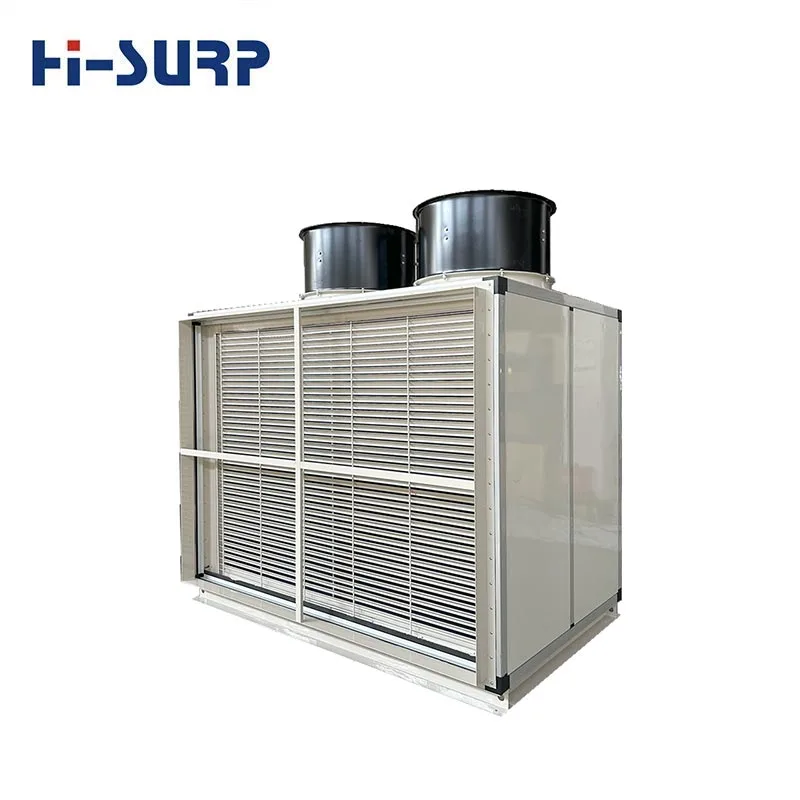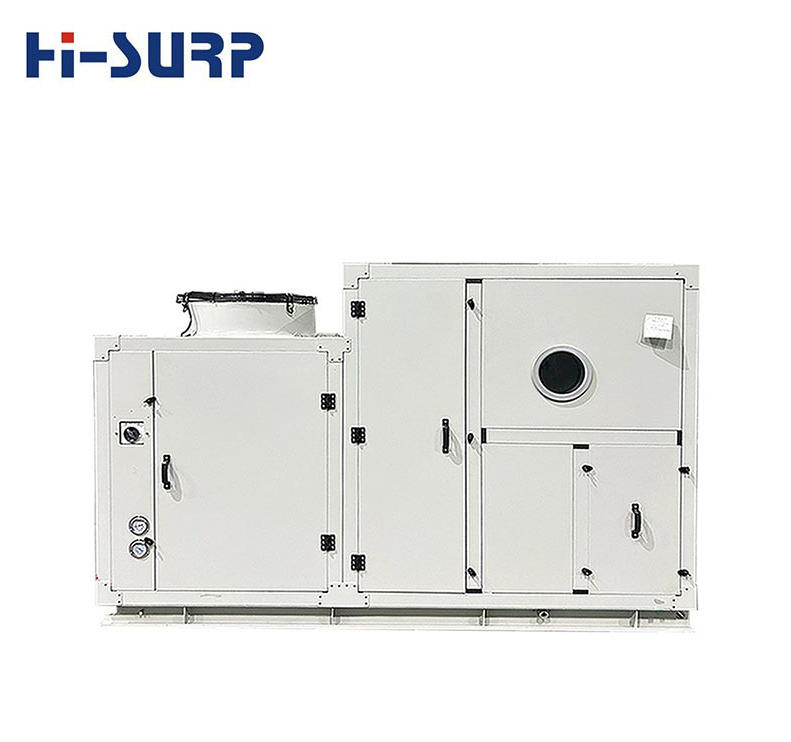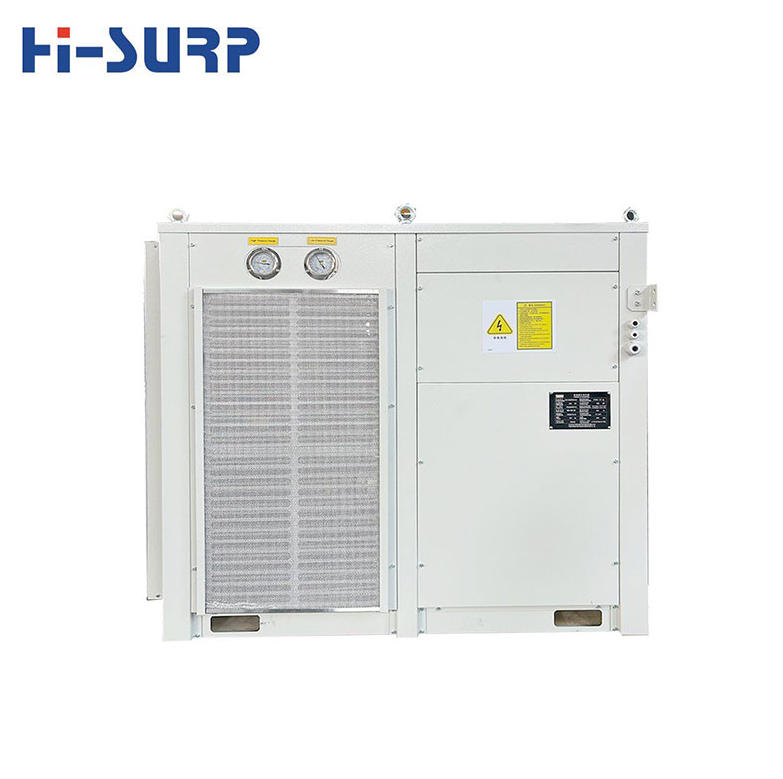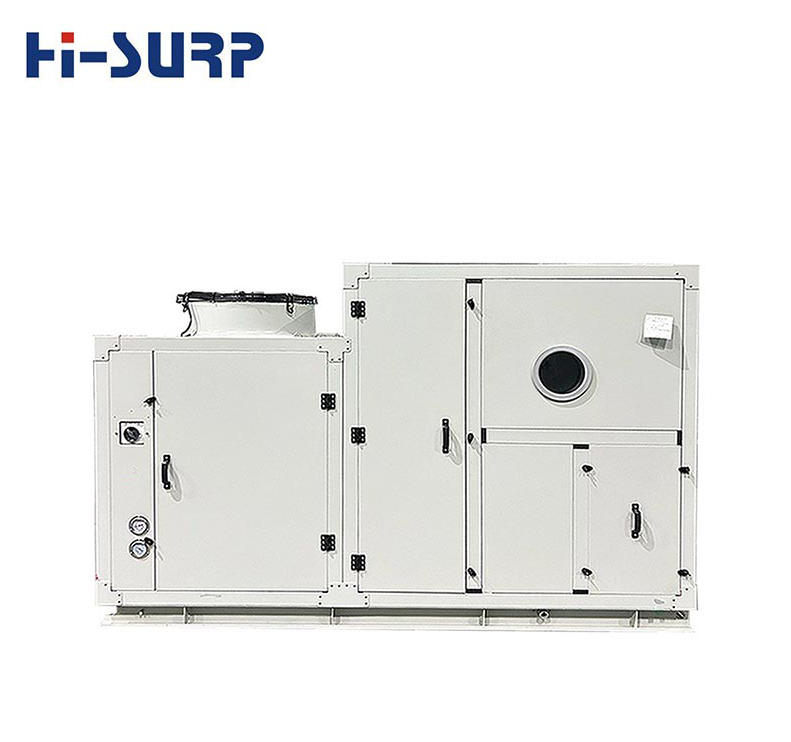
E-House Air Conditioner
A brief introduction of HISURP CAC series E-house Air Conditioners
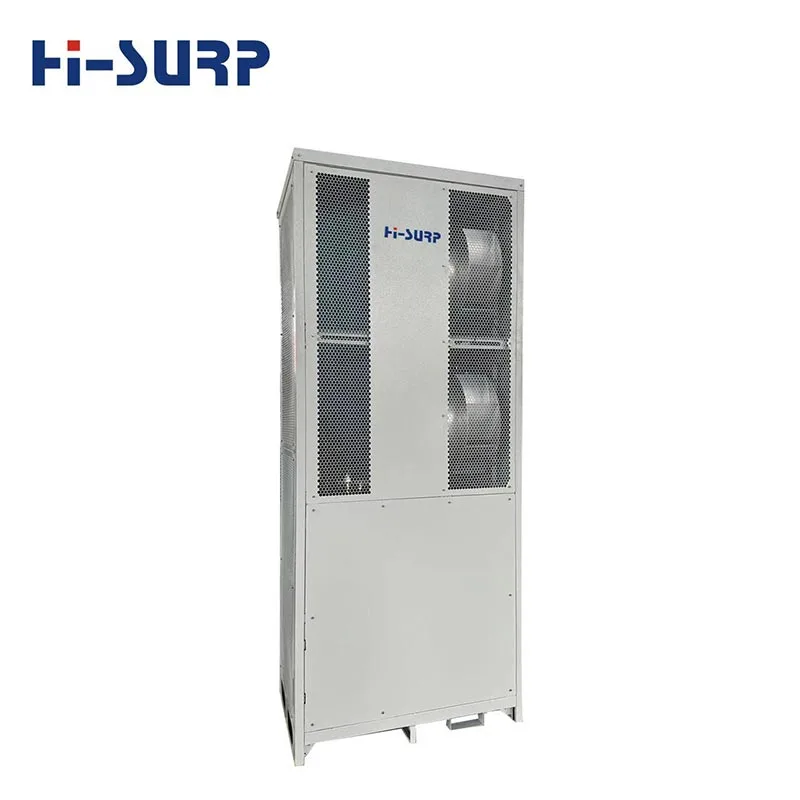
Energy Storage Air Conditioner
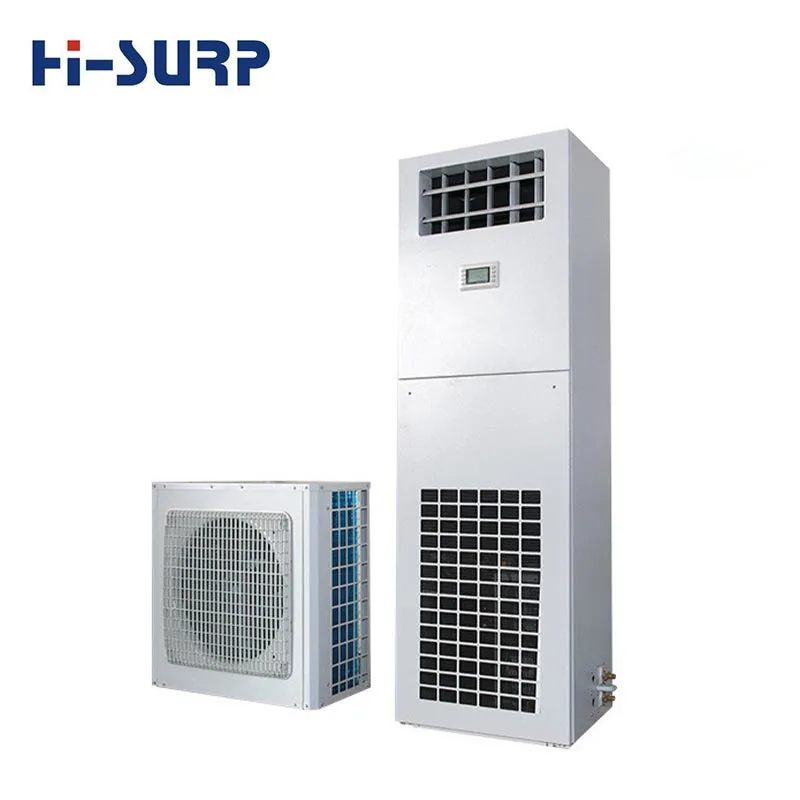
Telecom Air Conditioner

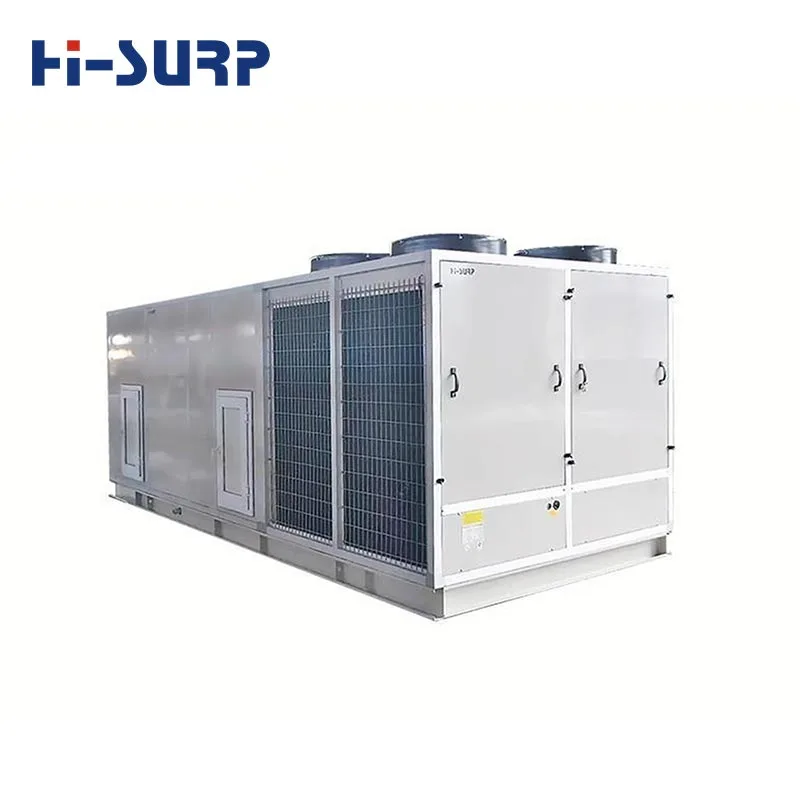
Rooftop Air Conditioner
As seasoned Rooftop Air Conditioner manufacturers, Hisurp is a reputable Chinese factory offering CE-certified products.
Adopting integrated design, the unit combines cooling, heating, ventilation and filtration. It runs steadily, installs effortlessly and cuts energy consumption by 20%-30%, backed by 15-year service life.
Customized solutions and complete after-sales support are accessible. We supply goods in bulk with competitive prices, perfectly fitting diverse building scenarios, serving as your preferred purchasing option.
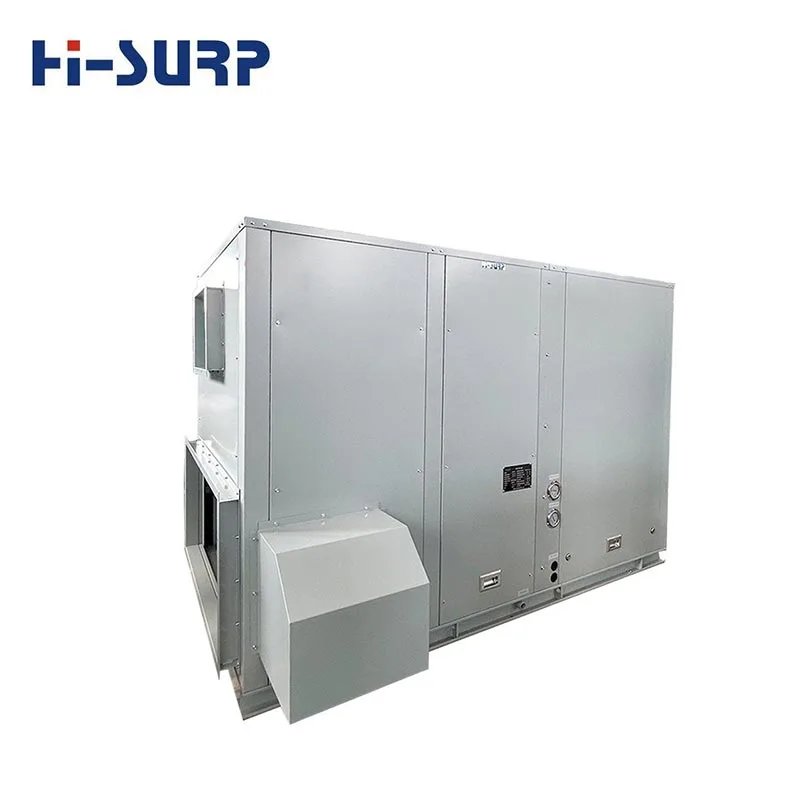
Rooftop Ac
Hisurp Rooftop AC adopts adaptive energy-saving control and DC frequency conversion motor. Ideal for workshops and computer rooms needing uninterrupted cooling, it utilizes free cooling to achieve up to 58% comprehensive energy saving. The unit operates steadily amid -40℃ to 48℃ wide temperature scope. Owning authoritative Certification of ISO9001, every unit undergoes full power-on test before shipment, guaranteeing durable stable performance and eco-friendly energy efficiency.
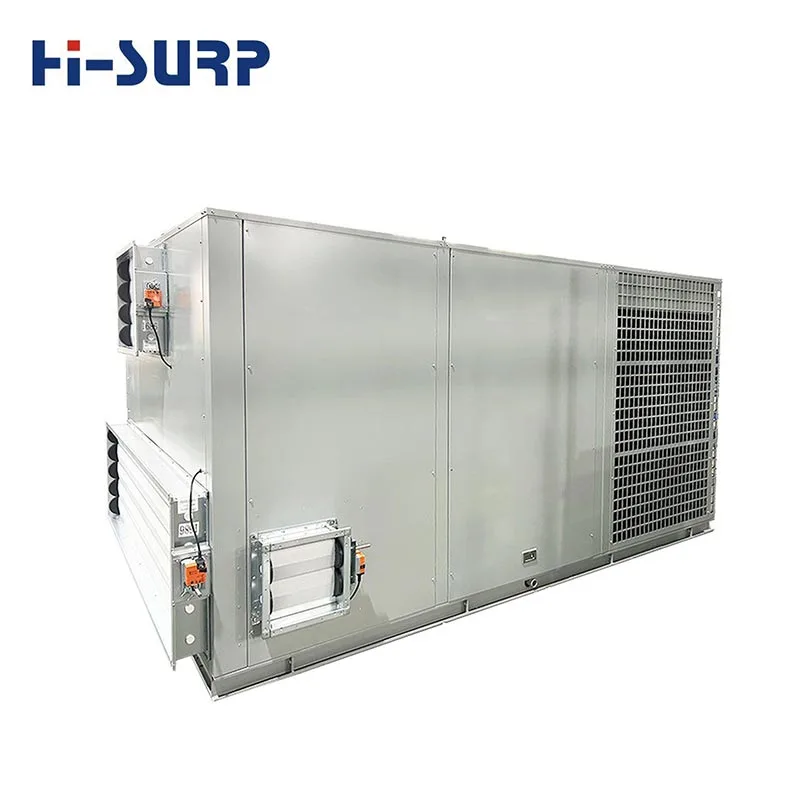
Packaged Air conditioner
Hisurp delivers dependable Packaged Air Conditioner with stable factory production and solid quality assurance. Customized packaged air conditioner supports adjustable cooling capacity, size and functions, fitting multiple application occasions. All products come with 12-month warranty, thoughtful after-sales support to cut purchase risks. Featuring energy efficiency, low noise and easy installation, strictly inspected units are premium cooling choices.
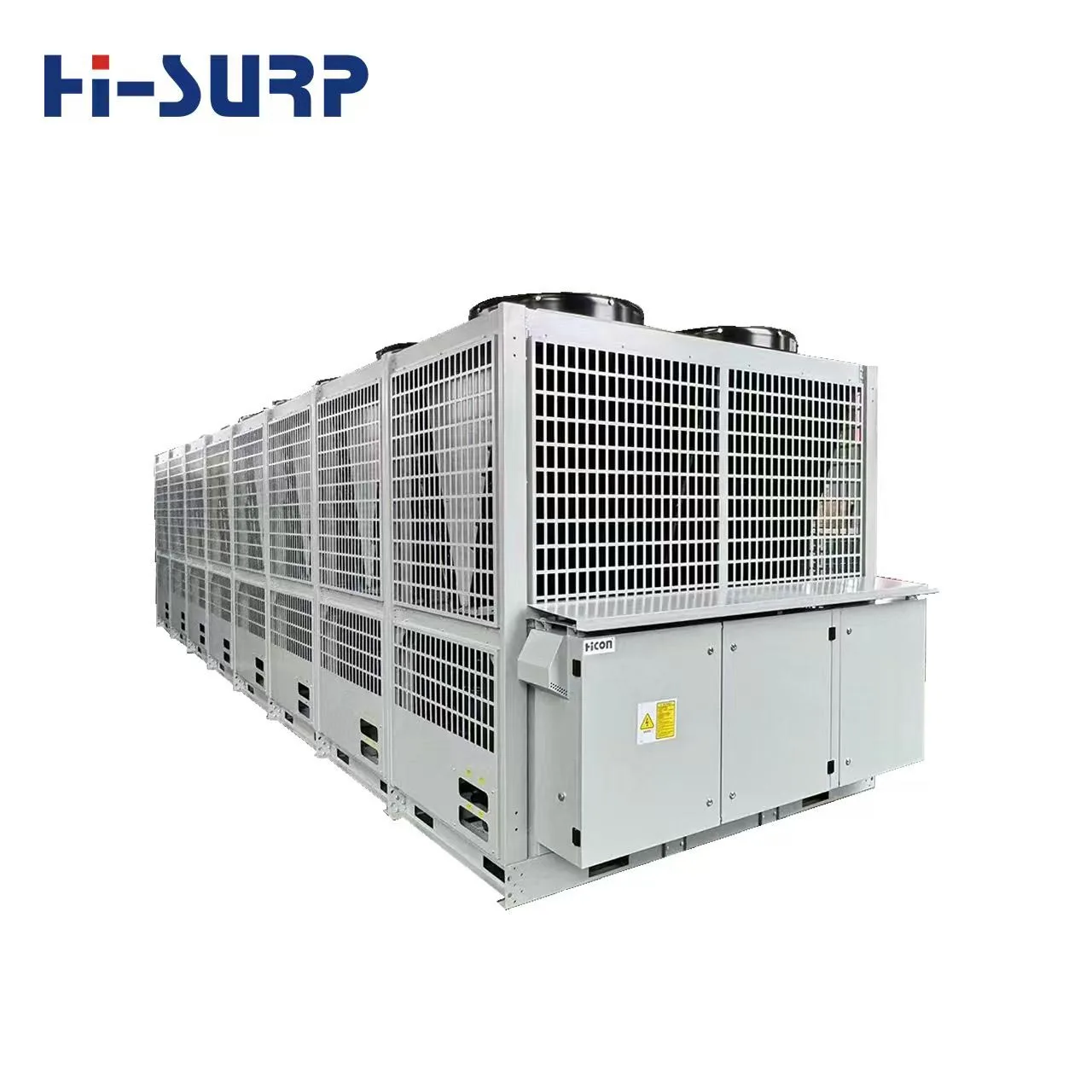
Packaged Unit
Hisurp supplies advanced Packaged unit as all-in-one HVAC equipment. It integrates core components into compact body, realizing fast installation and effortless maintenance. Sturdy quality verified by strict factory tests ensures steady operation, energy conservation and long service lifespan. Adaptable to harsh working conditions with strong anti-interference capability, it cuts daily power consumption and operating expenses. The integrated structure saves occupied space and shortens construction period, perfectly meeting heating and cooling demands of commercial, industrial and public venues.

Air Cooled Precision Air Conditioner

Water Cooled Precision Air Conditioner
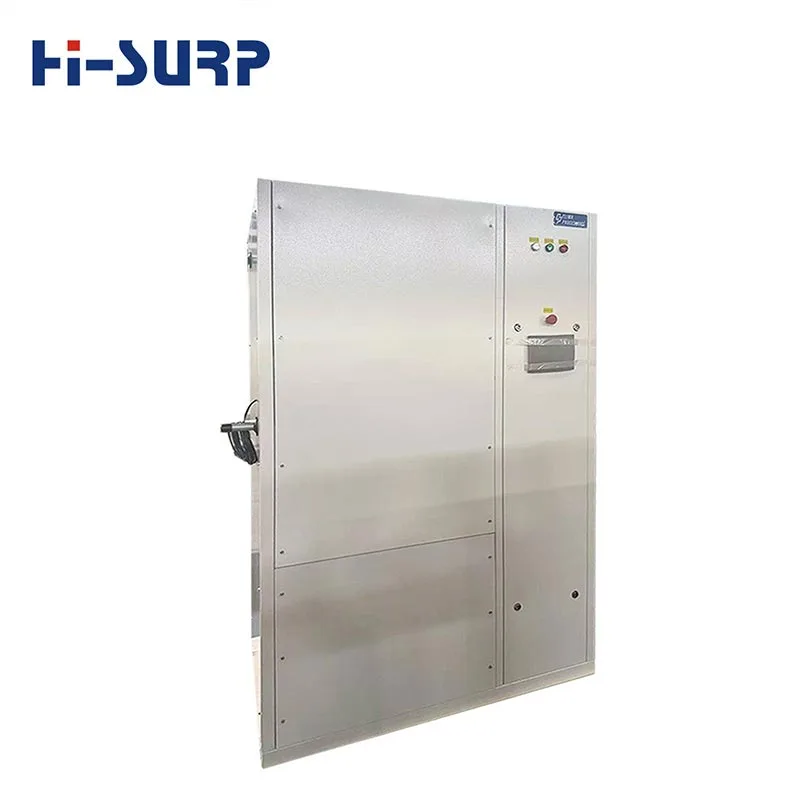
Dual Coil Precision Air Conditioner

Air Cooled Scroll Chiller

Air Cooled Screw Chiller
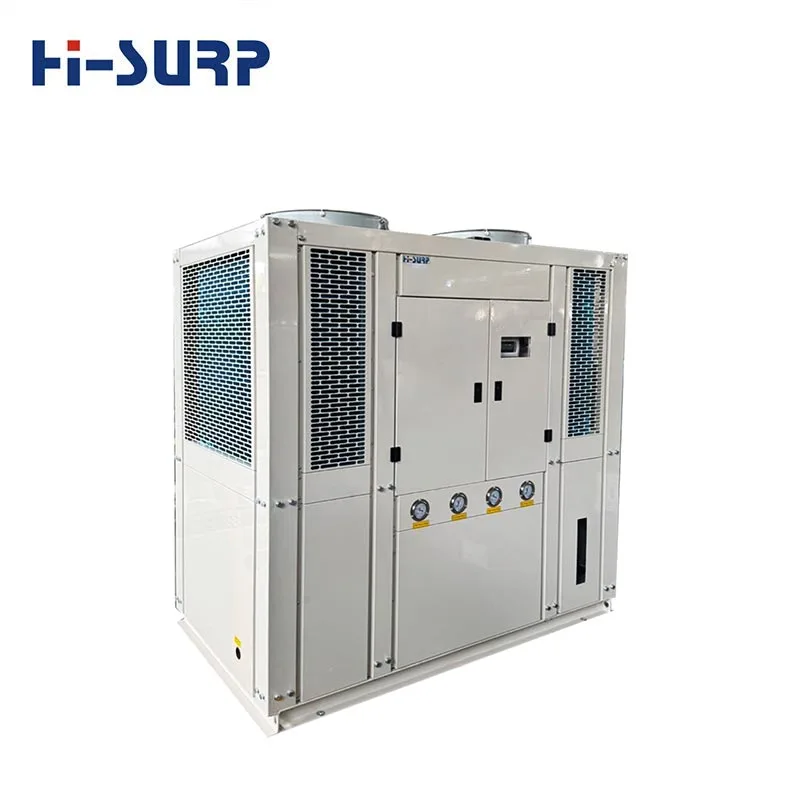
Water Cooled Scroll Chiller
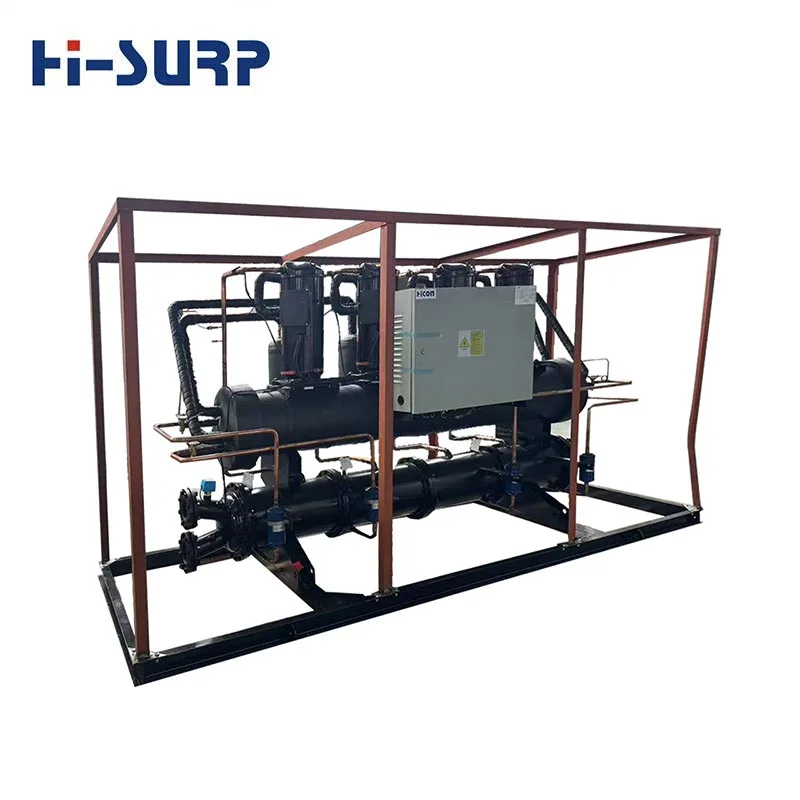
Water Cooled Screw Chiller

Corrosion-Resistant Air Conditioner
Hisurp Corrosion-Resistant Air Conditioner is a type of air conditioning system designed to be enhanced for corrosive environments (especially marine, chemical, salt spray, and high humidity environments).
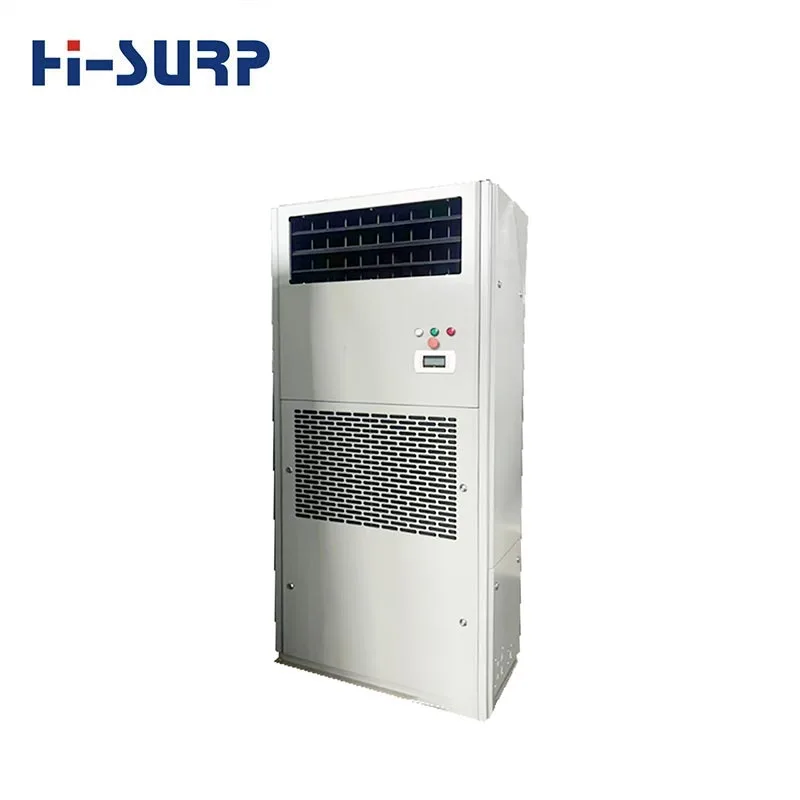
Earthquake-Resistant Air Conditioner
Based on the design concept of "prevention first", Hisurp earthquake-resistant air conditioner uses a series of advanced measures that exceed conventional standards to minimize the risk of damage to the air conditioning system caused by earthquakes, and ensure environmental control and business continuity in critical locations.
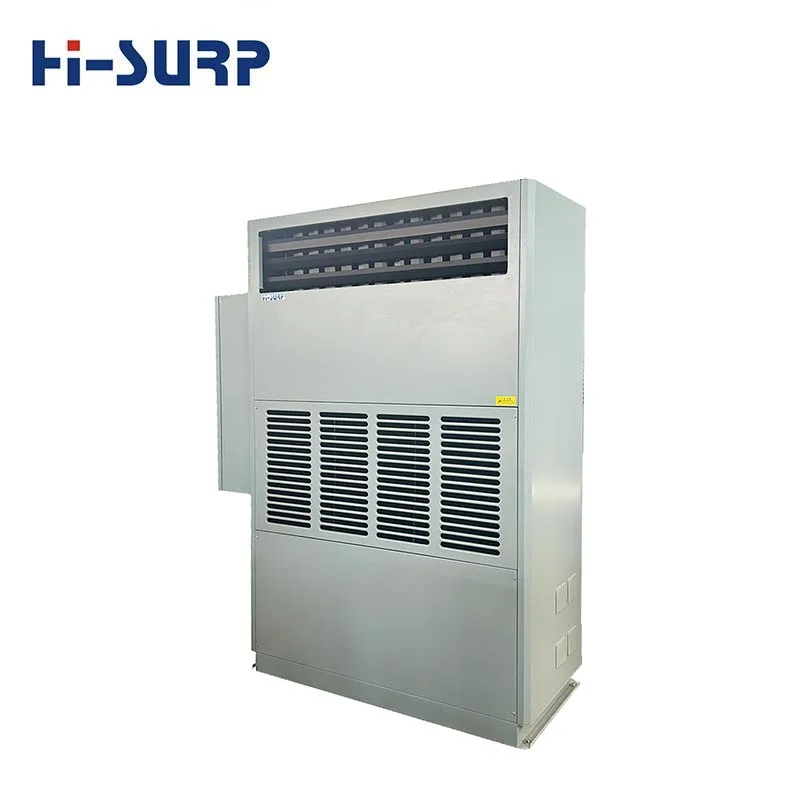
Magnetic-Resistant Air Conditioner
Hisurp Magnetic-Resistant Air Conditioner is an industrial air conditioner designed specifically for strong magnetic field environments. Through a multi-layer shielding system, it ensures stable and durable operation of the unit in a magnetic field environment of ≥2000GS.
A control room is the nerve center of an industrial facility. Inside, operators monitor screens, adjust processes, and respond to alarms. The electronic equipment that makes this possible—PLCs, DCS systems, servers, and communication gear—generates a tremendous amount of heat. If that heat is not removed effectively, the equipment will malfunction, shut down, or fail permanently. For large control rooms, the choice of cooling system is not a minor decision; it is a critical factor in the reliability and safety of the entire operation. Among the available options, the floor-standing Industrial Air Conditioner has emerged as the preferred solution for this demanding application.
So why is a floor-standing Industrial Air Conditioner preferred for large control rooms? The answer lies in a combination of factors that are unique to this application. A control room requires precise temperature control, uniform airflow distribution, high reliability, and the ability to operate continuously without interruption. Floor-standing units are designed to deliver all of these. They have the cooling capacity to handle the high heat loads of a large control room. They can be positioned to provide even airflow across the entire space. They are built with industrial-grade components that can withstand continuous operation. And they can be configured for redundancy, ensuring that cooling is maintained even if one unit fails. This article will examine each of these factors in detail, explaining why the floor-standing Industrial Air Conditioner is the preferred choice for large control rooms.
A large control room is not like a typical office space. The heat load is significantly higher and more concentrated. In an office, the primary heat sources are people, lighting, and a few computers. In a control room, the primary heat sources are racks of servers, PLC cabinets, DCS consoles, and large display walls. These devices generate heat continuously, and they are often concentrated in specific areas, creating hot spots that can be difficult to cool. A standard comfort cooling system, designed for an office environment, would be overwhelmed by this heat load. It would run continuously, consume excessive energy, and still fail to maintain the required temperature. An Industrial Air Conditioner, on the other hand, is designed specifically to handle high heat loads and to operate continuously without failure.
The heat load in a control room can be calculated by summing the power consumption of all the equipment in the room. A typical server rack, for example, might consume 5 kW of power, and almost all of that power is converted into heat. A large display wall might consume another 2-3 kW. When you add up all the equipment, the total heat load can easily exceed 20-30 kW for a large control room. This is equivalent to the heat generated by 200-300 people. A comfort cooling system designed for a space of that size would typically have a capacity of 5-10 kW. It would be completely inadequate. An Industrial Air Conditioner with a capacity of 30-50 kW is required to handle the load. The table below provides a comparison of typical heat loads in different environments.
| Environment | Typical Heat Load (W/m²) | Primary Heat Sources |
| Office | 50 - 100 | People, lighting, computers |
| Data Center (Low Density) | 500 - 1,000 | Servers, networking equipment |
| Data Center (High Density) | 2,000 - 5,000 | High-performance servers, storage |
| Large Control Room | 300 - 800 | PLCs, DCS, servers, display walls |
| Industrial Production Floor | 100 - 500 | Machinery, motors, furnaces |
At Ningbo Hicon Industry Co., Ltd., we have extensive experience in designing Industrial Air Conditioner solutions for control rooms of all sizes. Our factory produces floor-standing units with cooling capacities ranging from 10 kW to 100 kW, ensuring that we can meet the requirements of any control room, from a small local station to a large central control facility. We also provide load calculation services to help our customers determine the exact cooling capacity required for their specific application.
Cooling capacity is not the only factor that determines the effectiveness of an Industrial Air Conditioner in a control room. Airflow distribution is equally important. If the cool air is not distributed evenly throughout the room, hot spots will form. The equipment in those hot spots will overheat, even if the average room temperature is within specification. This is a common problem with ceiling-mounted or wall-mounted air conditioners. They tend to create a "short circuit" of air, where the cool air is drawn directly back into the return without circulating through the room. Floor-standing units, by contrast, are designed to deliver cool air at low level and to draw warm air back at high level. This creates a natural convection loop that ensures even temperature distribution throughout the room.
The airflow pattern of a floor-standing Industrial Air Conditioner is typically described as "bottom supply, top return." The unit draws warm air from the top of the room, cools it, and then discharges it at low level. The cool air spreads across the floor and then rises as it absorbs heat from the equipment. This pattern is highly effective at removing heat from the entire room, including the areas near the floor where operators work and where equipment may be located. It also avoids the "cold draft" effect that can occur with ceiling-mounted units, where cool air falls directly onto occupants. The table below compares the airflow patterns of different air conditioner configurations.
| Configuration | Airflow Pattern | Temperature Uniformity | Typical Application |
| Ceiling-Mounted | Top supply, top return | Poor (hot spots near floor) | Offices, small rooms |
| Wall-Mounted | Top supply, bottom return | Moderate | Small rooms, server closets |
| Floor-Standing | Bottom supply, top return | Excellent | Large control rooms, data centers |
| Ducted Split System | Customizable | Good (with proper design) | Large spaces, multiple rooms |
At our factory, we design our floor-standing Industrial Air Conditioner units to provide optimal airflow distribution for large control rooms. We use computational fluid dynamics (CFD) to simulate the airflow pattern in the room and to optimize the position of the supply and return grilles. We also offer a range of airflow configurations to suit different room layouts. Our goal is to ensure that every corner of the control room receives the cooling it needs, and that the temperature remains uniform throughout the space.
The physical form factor of a floor-standing Industrial Air Conditioner offers several practical advantages over other configurations. These advantages are particularly important in a large control room, where installation, service, and scalability are key considerations. The first advantage is installation. A floor-standing unit does not require ceiling mounting or wall penetration. It can be placed directly on the floor, typically against a wall or in a corner, and connected to power and drainage. This simplifies the installation process and reduces the cost. It also avoids the structural modifications that may be required for ceiling-mounted units, which can be difficult and expensive in an existing building.
The second advantage is serviceability. Floor-standing units are designed for easy access to all major components. The compressor, condenser, evaporator, and controls are all located within the cabinet, and the panels can be removed for maintenance. This is in contrast to ceiling-mounted units, which require ladders or scaffolding for service. In a critical environment like a control room, where maintenance must be performed quickly and safely, this is a significant advantage. The third advantage is scalability. If the cooling load in the control room increases, additional floor-standing units can be added. This modular approach allows the cooling capacity to grow with the facility, without the need for a complete system replacement.
The table below summarizes the installation and service advantages of floor-standing Industrial Air Conditioner units.
| Factor | Floor-Standing Unit | Ceiling-Mounted Unit |
| Installation Complexity | Low (floor placement) | High (ceiling mounting) |
| Structural Modifications | Minimal | Often required |
| Service Access | Easy (ground level) | Difficult (requires ladder) |
| Scalability | High (add units as needed) | Limited |
| Floor Space Required | Moderate | None (ceiling) |
| Noise Location | At floor level | At ceiling level |
At Ningbo Hicon Industry Co., Ltd., we have designed our floor-standing Industrial Air Conditioner units with these practical considerations in mind. Our units are compact and can be installed in tight spaces. They have front and side access panels for easy service. And they are available in a range of capacities that can be combined to meet the exact requirements of any control room. We also offer a range of accessories, including remote monitoring and control systems, to help our customers manage their cooling systems more effectively.
In a control room, downtime is not an option. The equipment in the control room is monitoring and controlling critical processes. If the cooling system fails, the equipment will overheat and shut down. This can lead to a loss of production, a safety incident, or an environmental release. For this reason, the reliability of the Industrial Air Conditioner is of paramount importance. Floor-standing units are typically built with industrial-grade components that are designed for continuous operation. They have robust compressors, high-quality motors, and durable heat exchangers. They are also designed for easy maintenance, which is essential for preventing unexpected failures.
But even the most reliable unit can fail. That is why redundancy is essential in a critical control room. Redundancy means having more cooling capacity than is strictly required, so that if one unit fails, the remaining units can handle the load. There are two common approaches to redundancy: N+1 and 2N. In an N+1 configuration, there is one more unit than is required to meet the load. For example, if the load requires two units, three are installed. If one fails, the remaining two can still handle the load. In a 2N configuration, there are two complete sets of units, each capable of handling the full load. This provides the highest level of redundancy. The table below summarizes the redundancy configurations.
| Configuration | Description | Redundancy Level | Typical Application |
| N | No redundancy | None | Non-critical spaces |
| N+1 | One extra unit | Moderate | Most control rooms |
| 2N | Two full sets of units | High | Critical control rooms, data centers |
At our factory, we work with our customers to design the optimal redundancy configuration for their control room. We also offer features such as automatic changeover, which switches to a standby unit if the primary unit fails, and remote monitoring, which alerts operators to any issues before they become critical. Our goal is to ensure that our Industrial Air Conditioner units provide reliable, uninterrupted cooling for the most critical applications.
When selecting a floor-standing Industrial Air Conditioner for a large control room, there are several key technical specifications that must be considered. These specifications determine the performance, reliability, and efficiency of the unit. The most important specifications are cooling capacity, airflow rate, temperature control accuracy, power supply, and noise level. The table below provides a summary of these specifications for our standard floor-standing Industrial Air Conditioner models.
| Specification | Model A (10 kW) | Model B (25 kW) | Model C (50 kW) |
| Cooling Capacity (kW) | 10 | 25 | 50 |
| Airflow Rate (m³/h) | 2,500 | 6,000 | 12,000 |
| Temperature Control Accuracy (°C) | +/- 1.0 | +/- 0.5 | +/- 0.5 |
| Power Supply | 380V/3Ph/50Hz | 380V/3Ph/50Hz | 380V/3Ph/50Hz |
| Noise Level (dB(A)) | 65 | 70 | 75 |
| Refrigerant | R410A | R410A | R410A |
| Dimensions (W x D x H, mm) | 800 x 600 x 1800 | 1200 x 800 x 2000 | 1500 x 1000 x 2200 |
In addition to these standard specifications, we offer a range of optional features that can be customized for specific control room requirements. These include: high-ambient temperature operation (up to 55°C), low-ambient temperature operation (down to -30°C), corrosion-resistant coatings for harsh environments, and remote monitoring and control systems. Our engineering team can work with you to specify the exact configuration that meets your needs.
Question 1: How do I calculate the required cooling capacity for my control room?
Answer: The required cooling capacity is determined by the total heat load in the room. This includes the heat generated by all electronic equipment, lighting, and occupants. The most accurate way to calculate the heat load is to sum the power consumption of all equipment in the room, as almost all electrical power is converted to heat. For a typical large control room, the heat load can range from 20 kW to 50 kW. Our factory at Ningbo Hicon Industry Co., Ltd. offers a free load calculation service to help you determine the exact capacity you need.
Question 2: What is the advantage of a floor-standing unit over a ceiling-mounted unit for a control room?
Answer: A floor-standing Industrial Air Conditioner offers several advantages for control room applications. It provides better airflow distribution, with bottom supply and top return, which ensures even temperature throughout the room. It is easier to install and service, as all components are accessible at ground level. And it is more scalable, allowing additional units to be added as the cooling load increases. Ceiling-mounted units are better suited to smaller spaces where floor space is limited.
Question 3: How do I ensure redundancy in my control room cooling system?
Answer: Redundancy is achieved by installing more cooling capacity than is strictly required. The most common configurations are N+1 (one extra unit) and 2N (two full sets of units). For most control rooms, an N+1 configuration is sufficient. For critical control rooms where downtime is absolutely not an option, a 2N configuration is recommended. We can help you design the right redundancy configuration for your specific application.
Question 4: Can a floor-standing industrial air conditioner operate in a high-ambient-temperature environment?
Answer: Yes, our floor-standing Industrial Air Conditioner units are available with high-ambient temperature options that allow them to operate in temperatures up to 55°C. This is important for control rooms in hot climates or in industrial facilities where the ambient temperature may be elevated. We also offer low-ambient temperature options for cold climates.
Question 5: What maintenance is required for a floor-standing industrial air conditioner?
Answer: Regular maintenance is essential to ensure reliable operation. The key maintenance tasks include: cleaning or replacing the air filters, checking the refrigerant charge, cleaning the condenser and evaporator coils, checking the electrical connections, and lubricating the fan bearings. The frequency of maintenance depends on the operating environment. In a clean control room, maintenance may be required every 6-12 months. In a dusty environment, more frequent maintenance may be required. Our factory provides a detailed maintenance manual with each unit.
The floor-standing Industrial Air Conditioner is the preferred choice for large control rooms because it delivers the cooling capacity, airflow distribution, reliability, and serviceability that these critical spaces demand. Unlike comfort cooling systems designed for offices, an Industrial Air Conditioner is engineered to handle high heat loads continuously, without failure. Its bottom-supply, top-return airflow pattern ensures even temperature distribution, eliminating hot spots that can damage sensitive equipment. Its floor-standing form factor simplifies installation and service, and it allows for scalable redundancy that protects against downtime. At Ningbo Hicon Industry Co., Ltd., our factory has been manufacturing Industrial Air Conditioner units for control rooms and other critical applications for over a decade. We understand the unique requirements of these environments, and we are committed to providing our customers with the highest quality cooling solutions.
Whether you are building a new control room or upgrading an existing one, we invite you to contact our technical team to discuss your cooling requirements. We can help you calculate the heat load, select the right capacity, design the redundancy configuration, and specify the features that meet your specific needs. Our goal is to ensure that your control room remains cool, reliable, and operational, no matter what.
Contact Ningbo Hicon Industry Co., Ltd. today to discuss your control room cooling requirements and discover how our floor-standing Industrial Air Conditioner solutions can improve the reliability and efficiency of your operations.