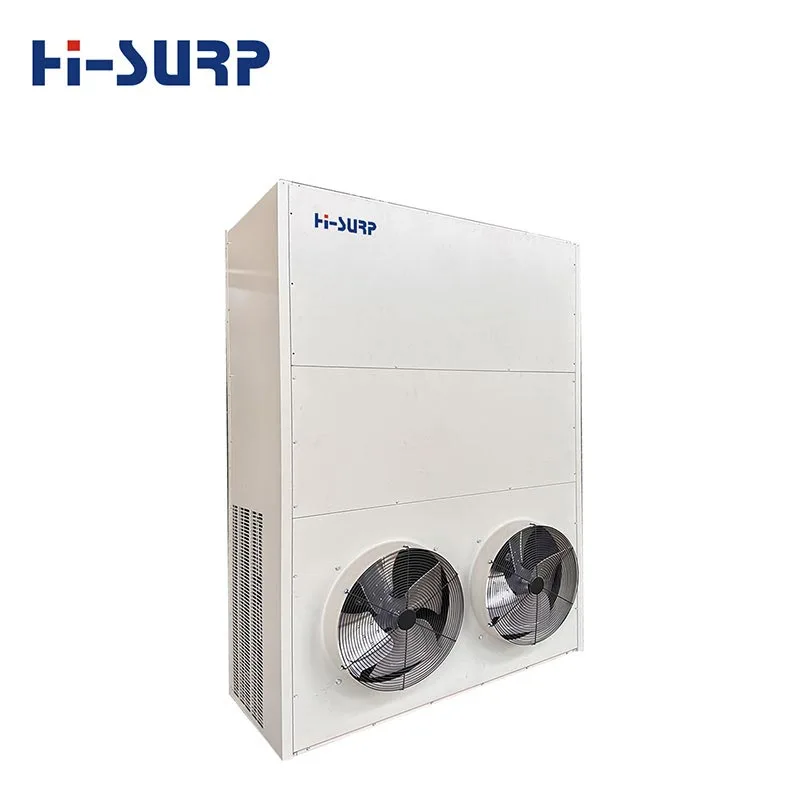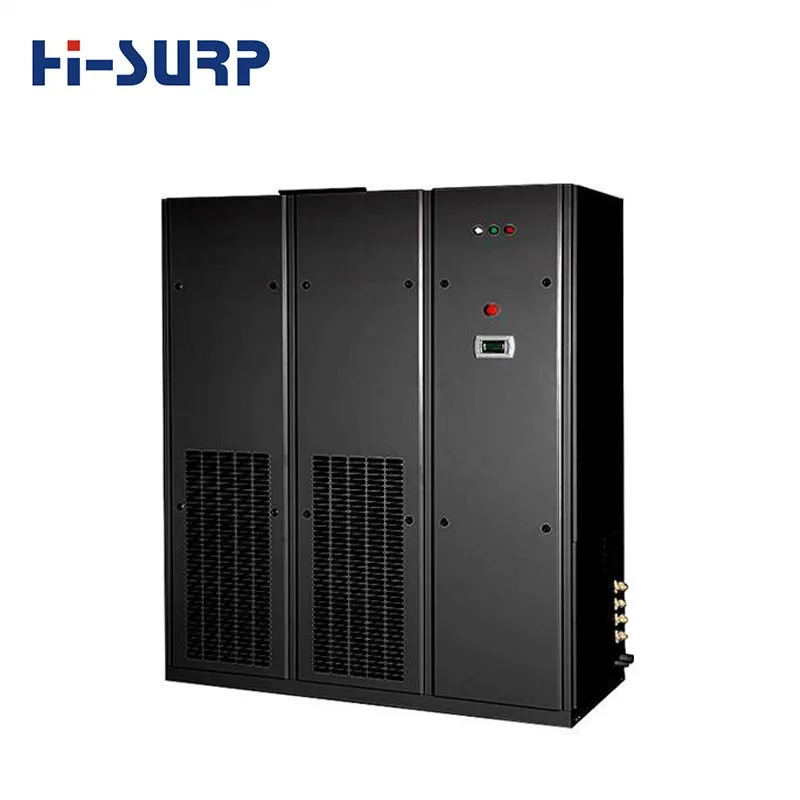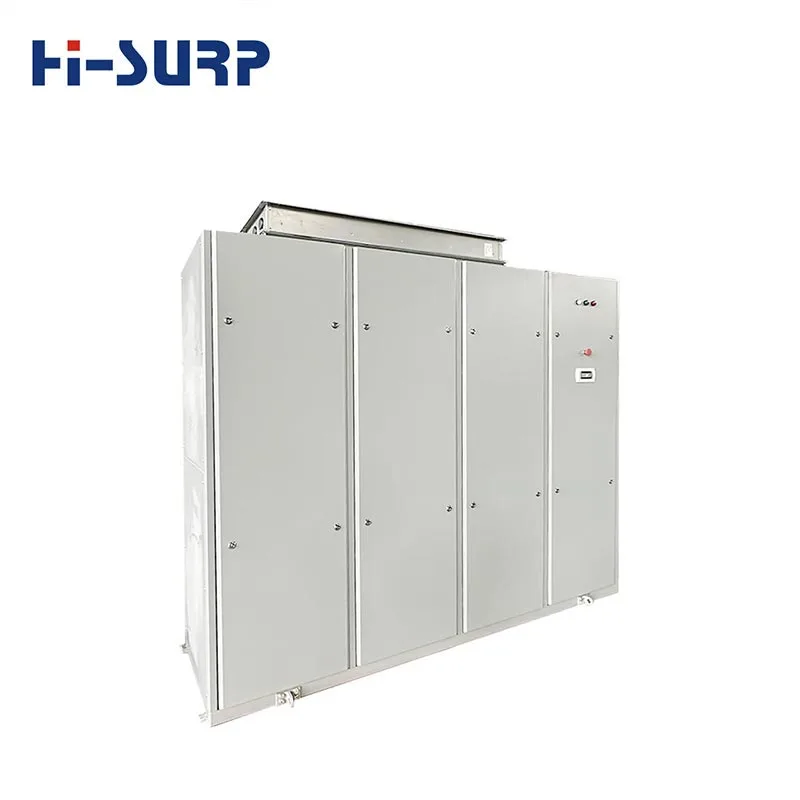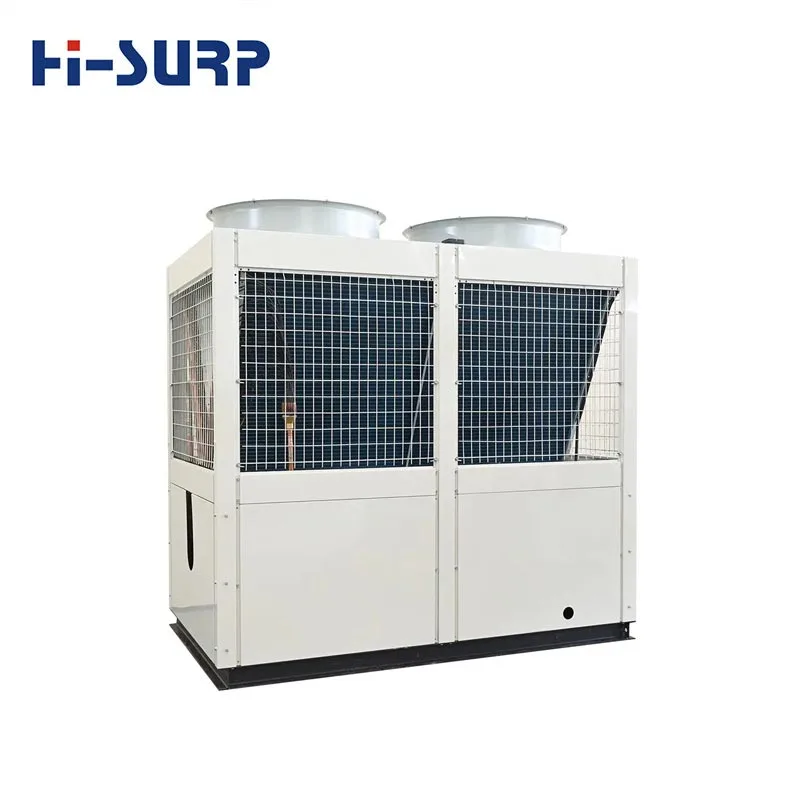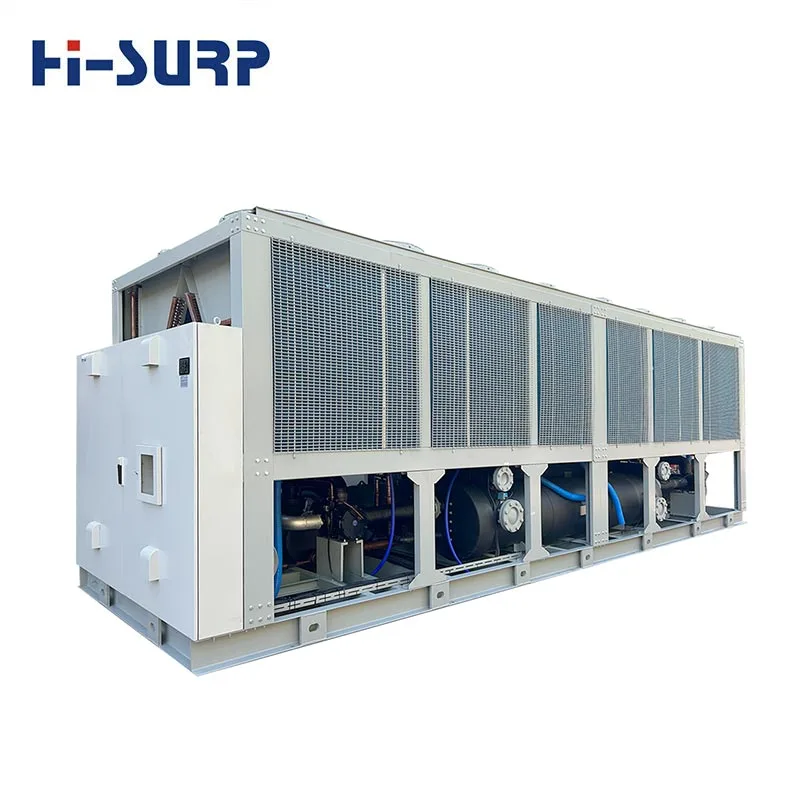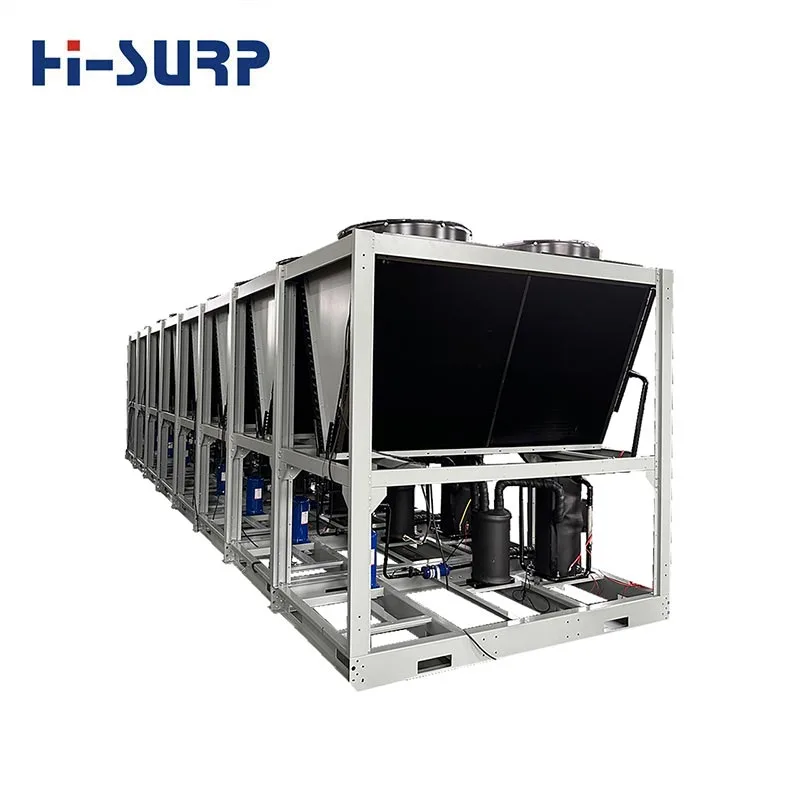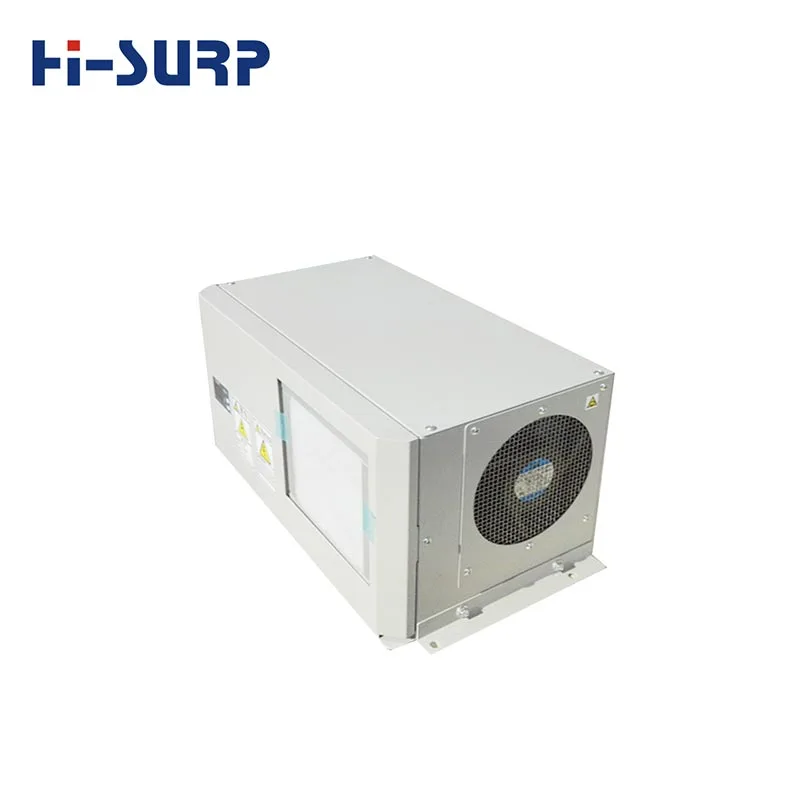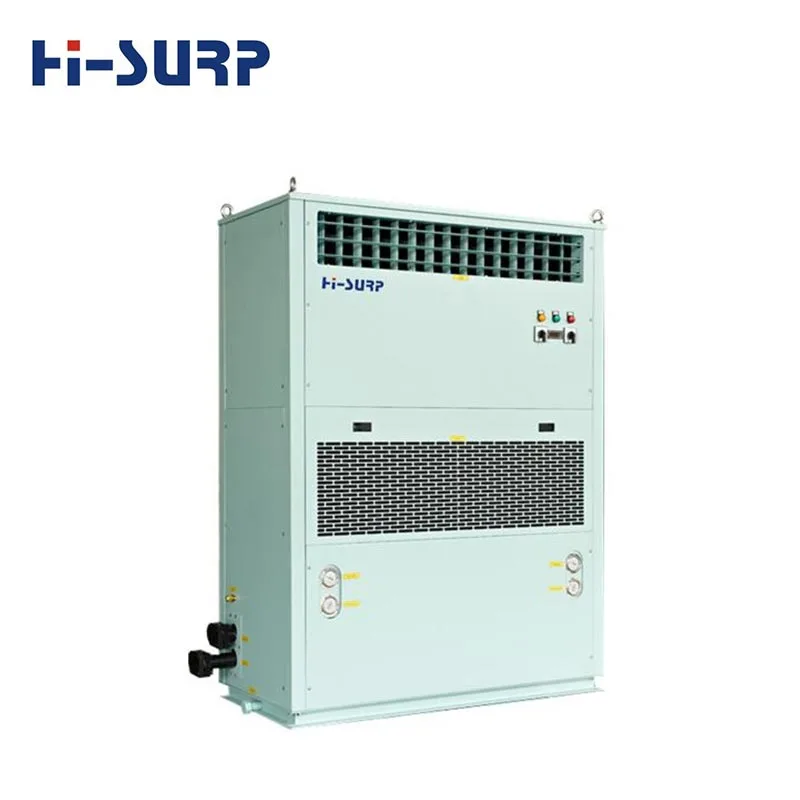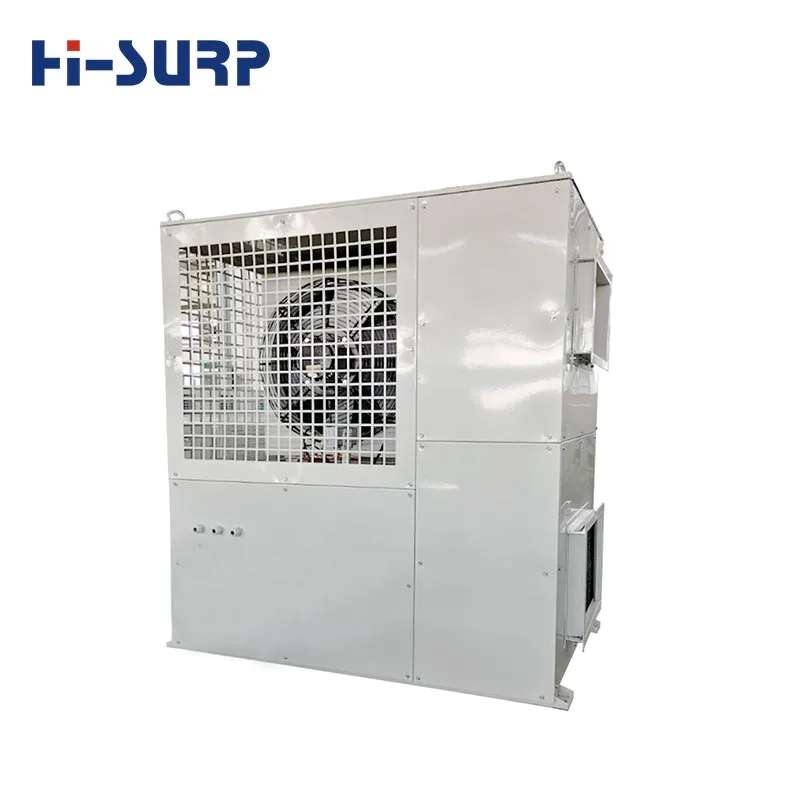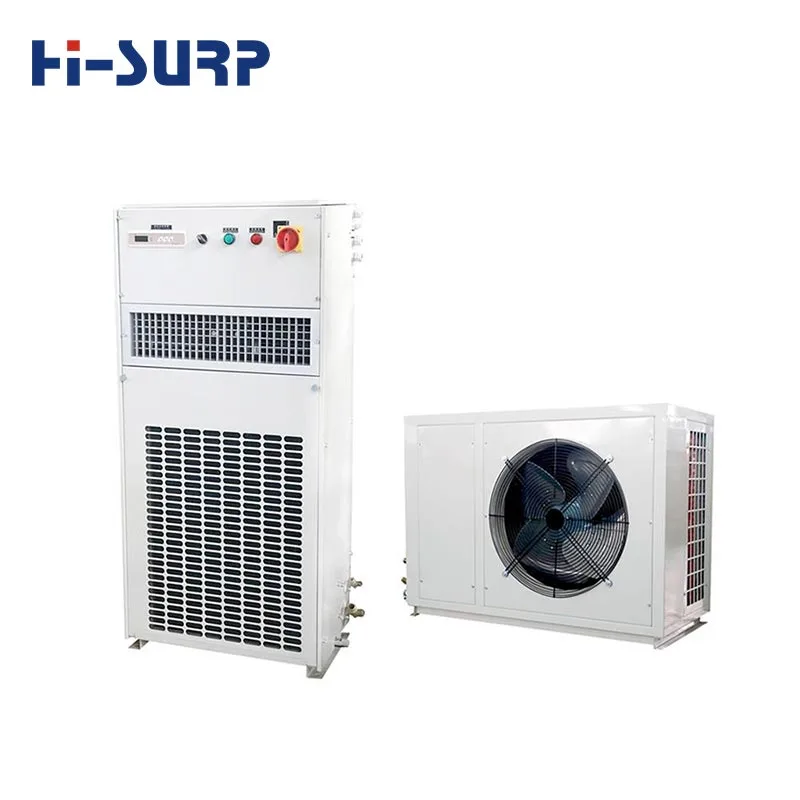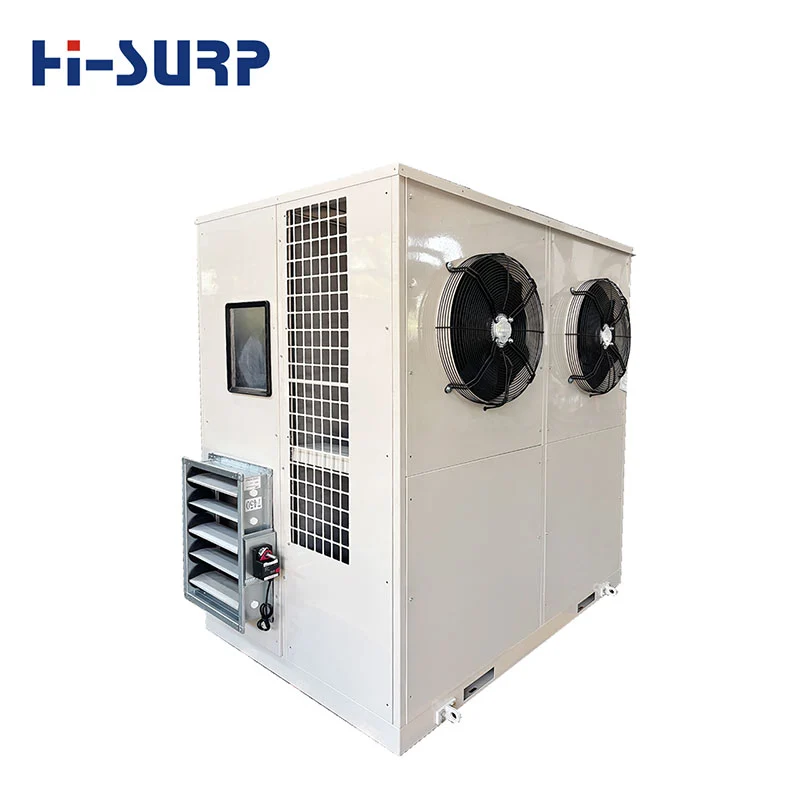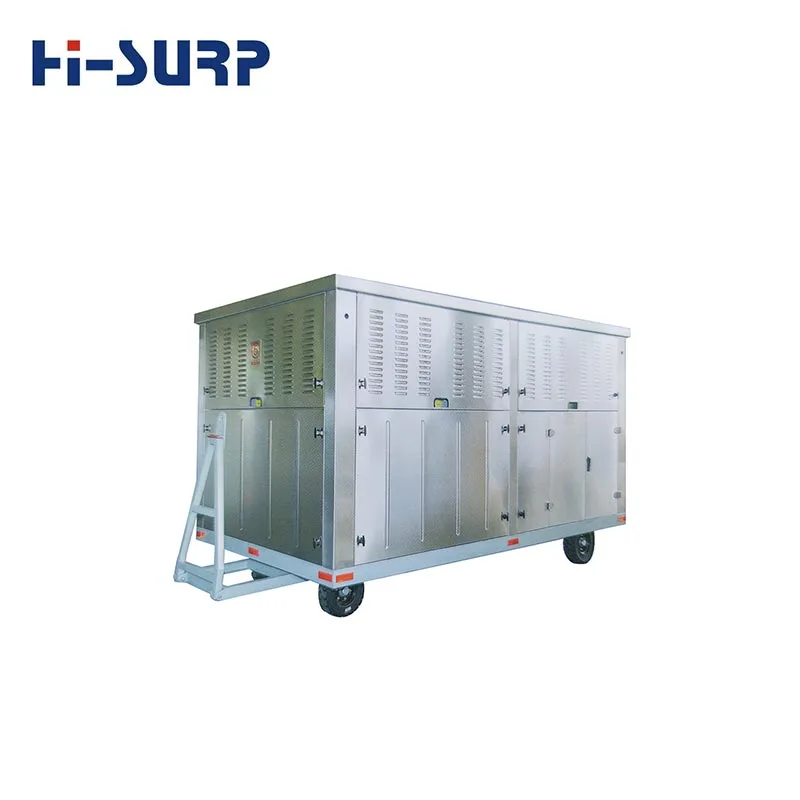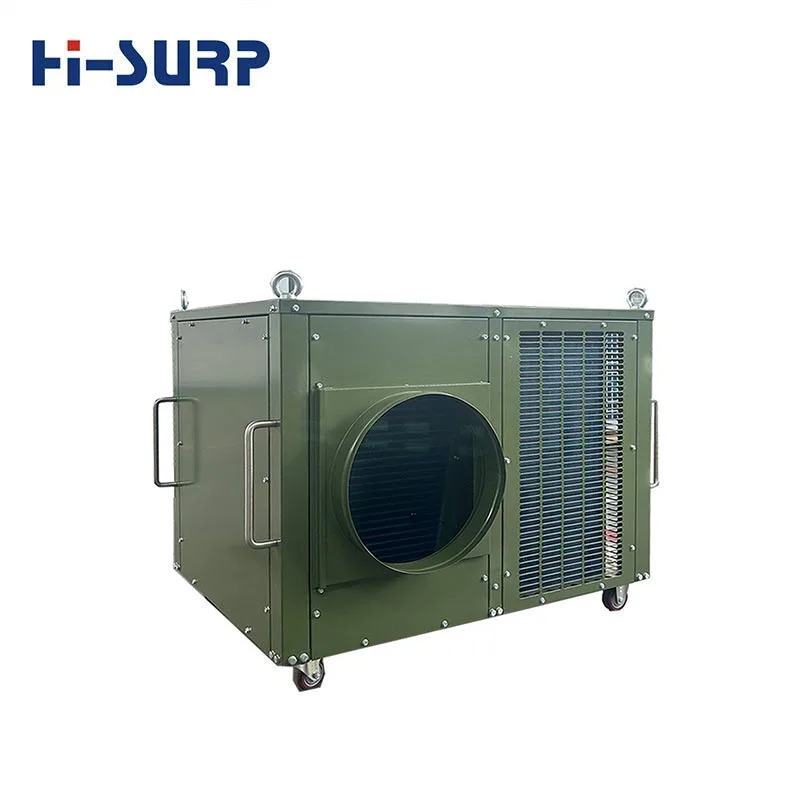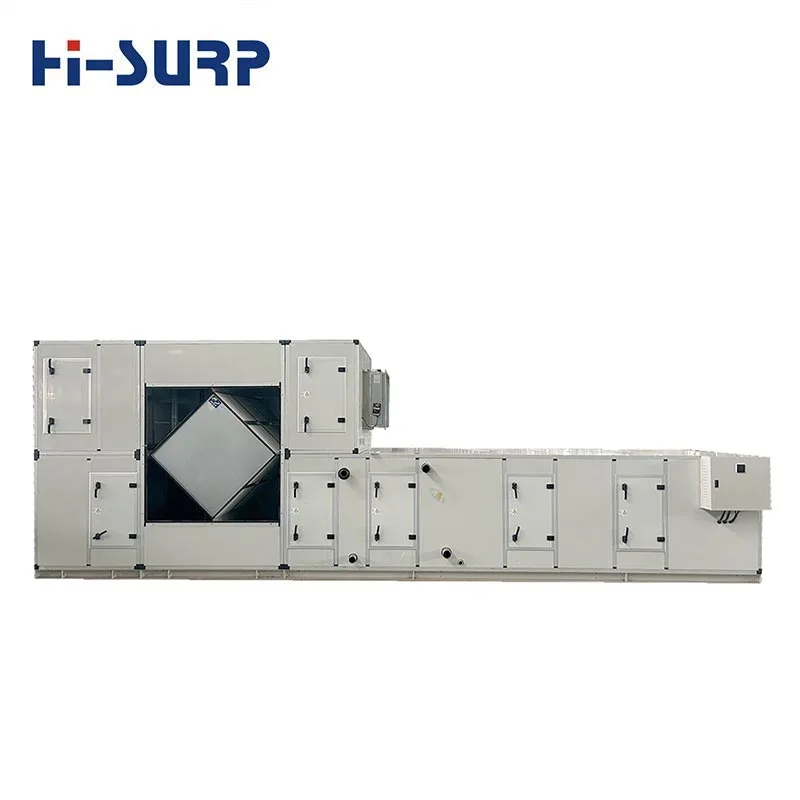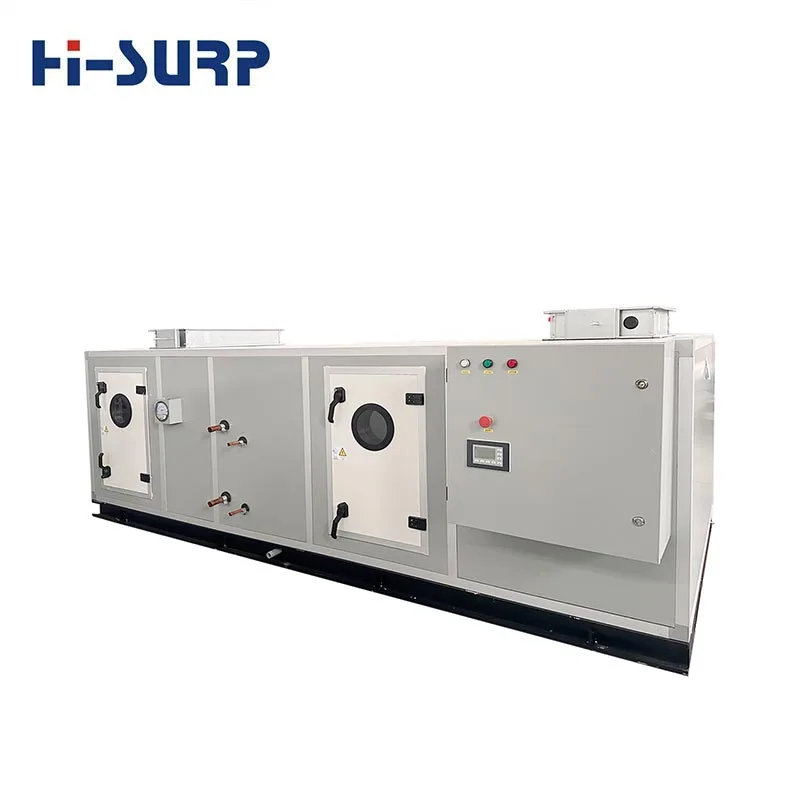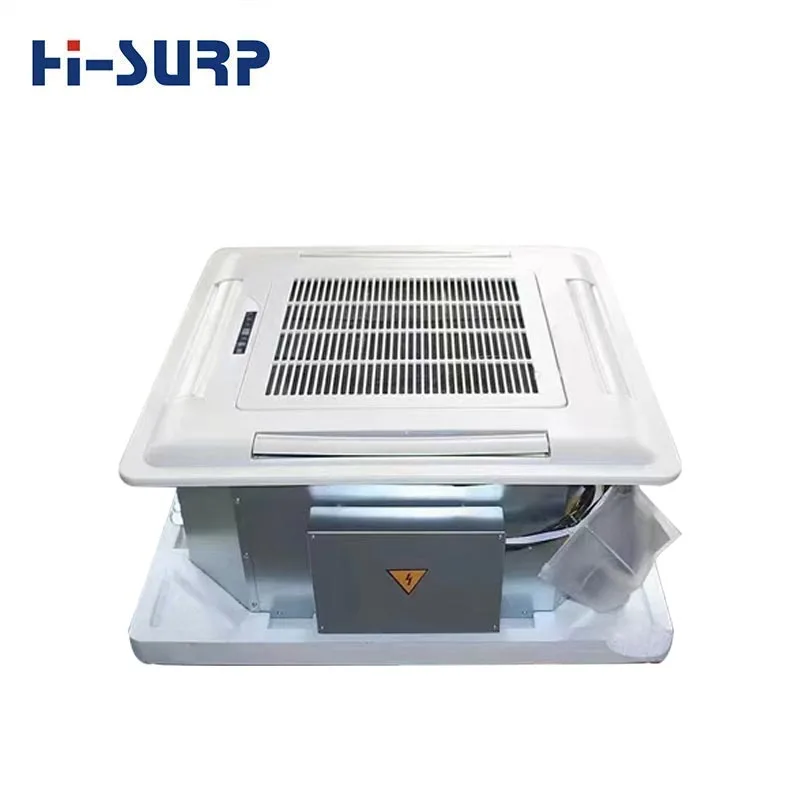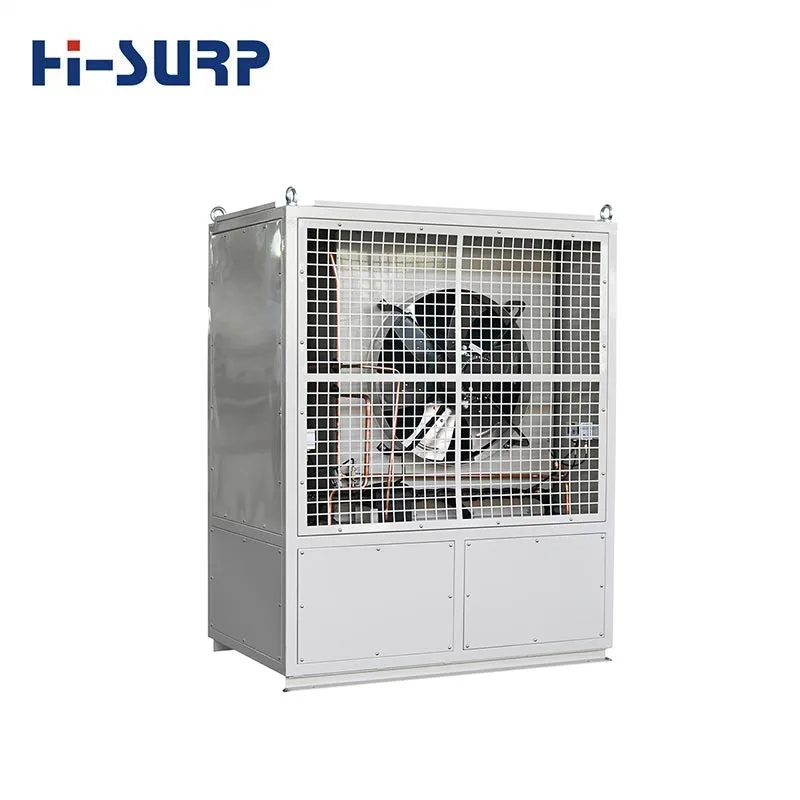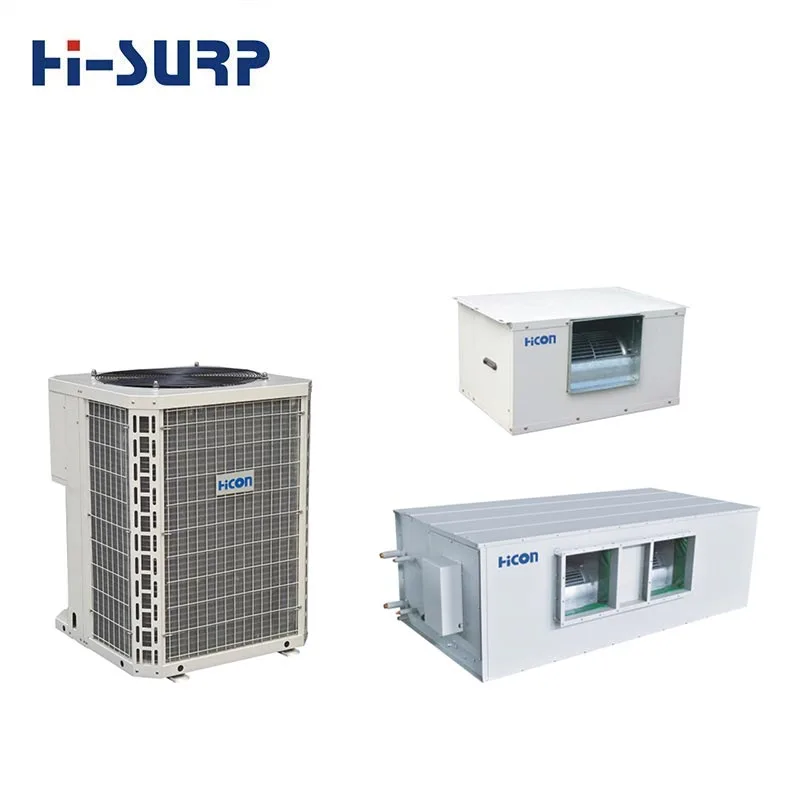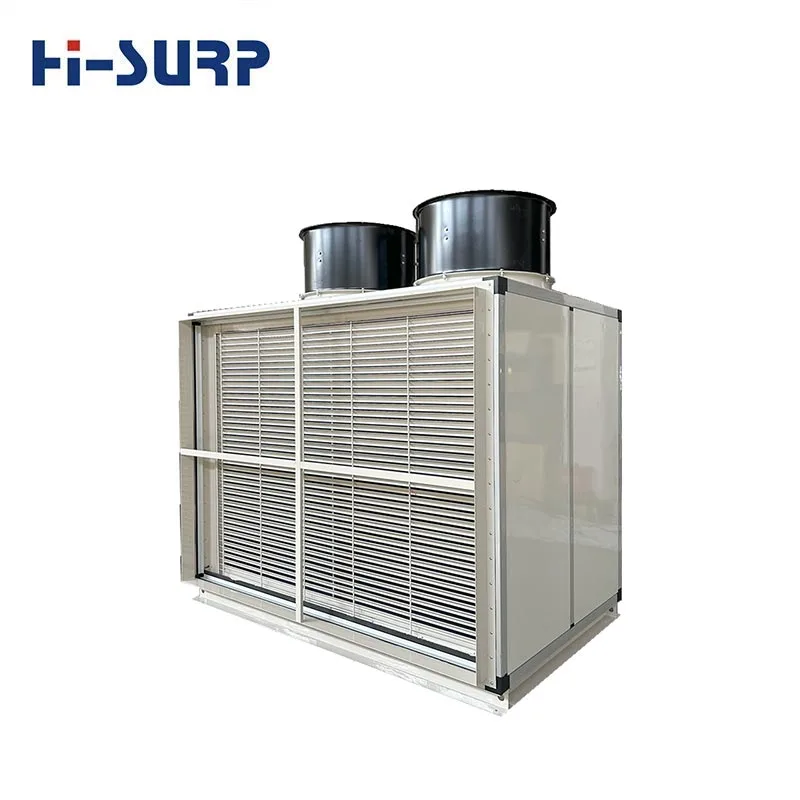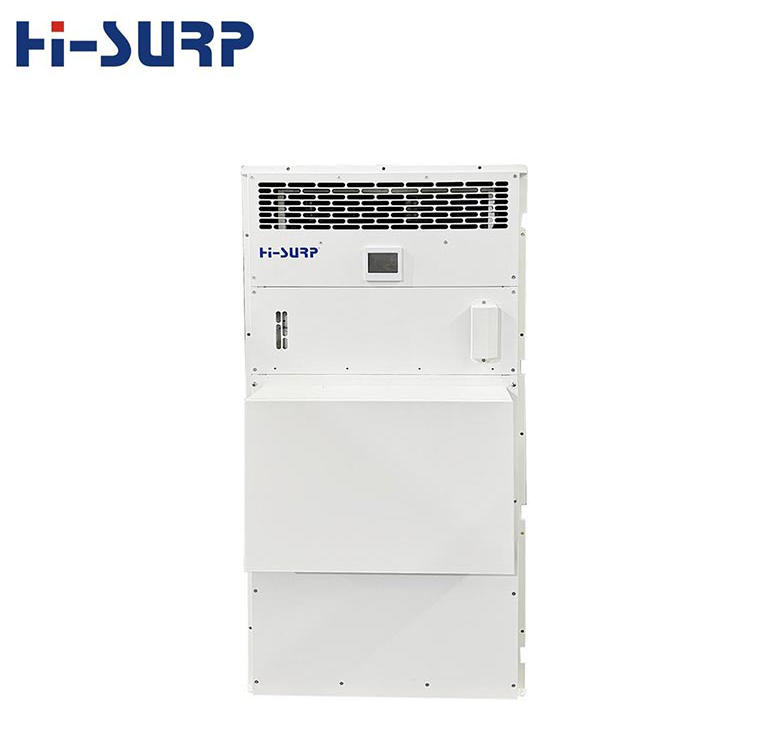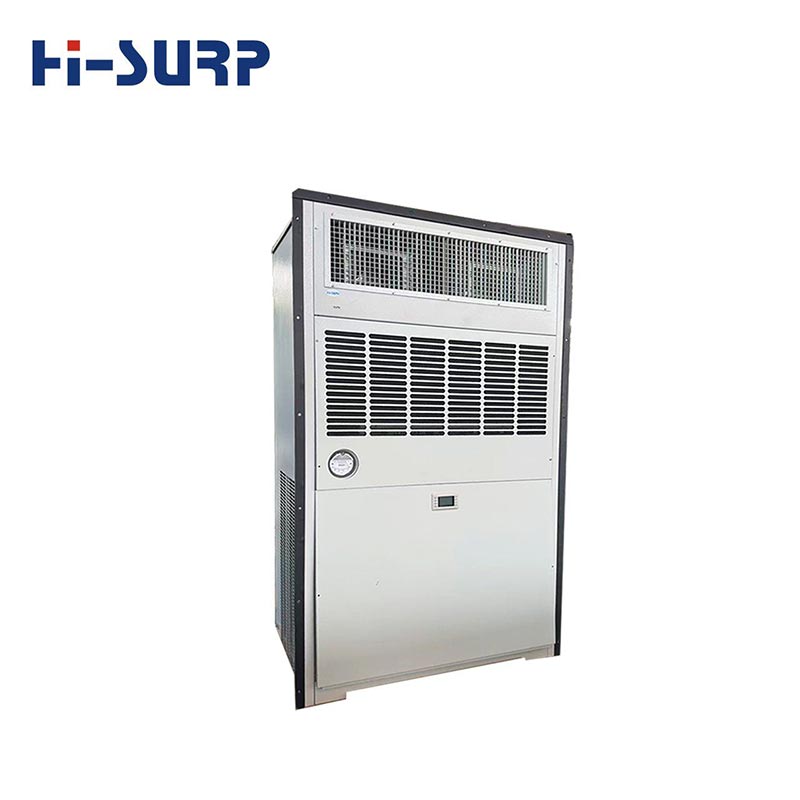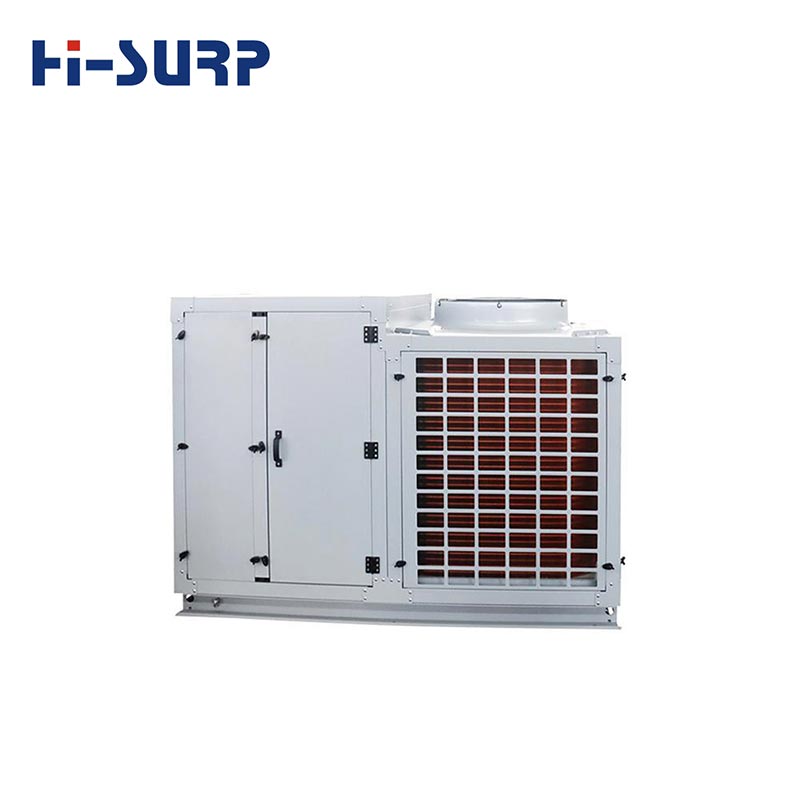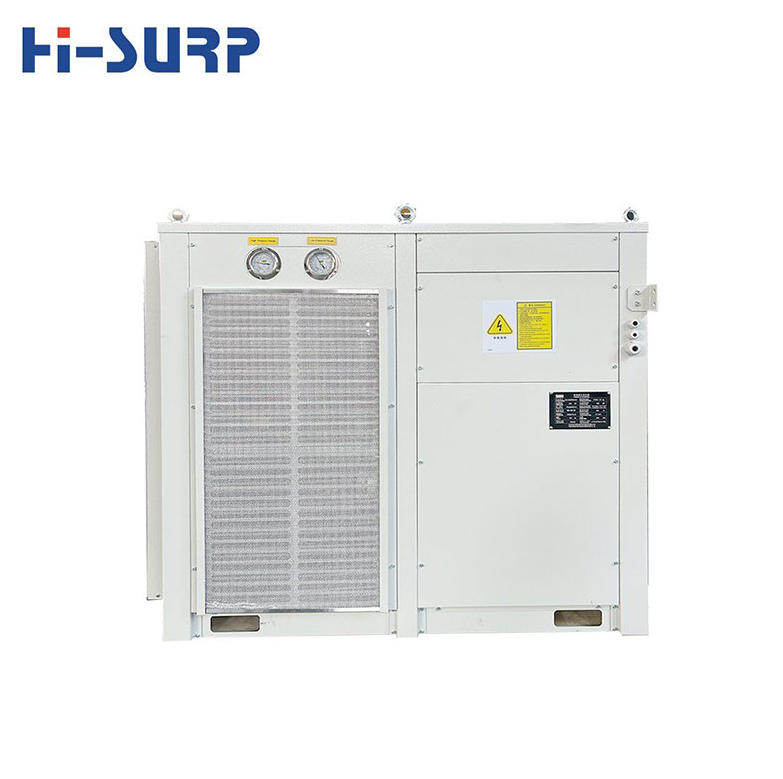
E-House Air Conditioner
A brief introduction of HISURP CAC series E-house Air Conditioners
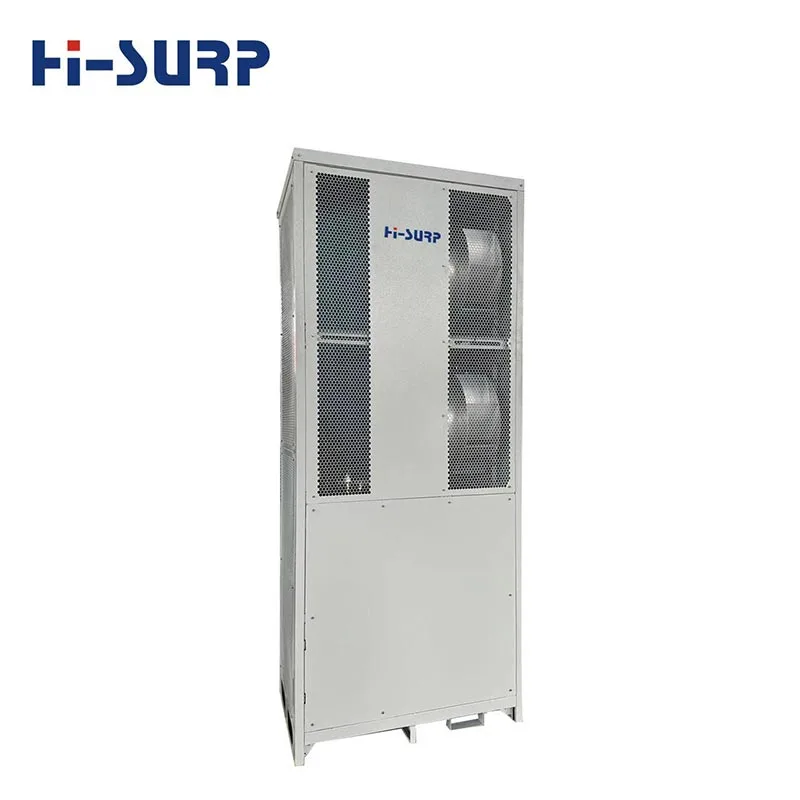
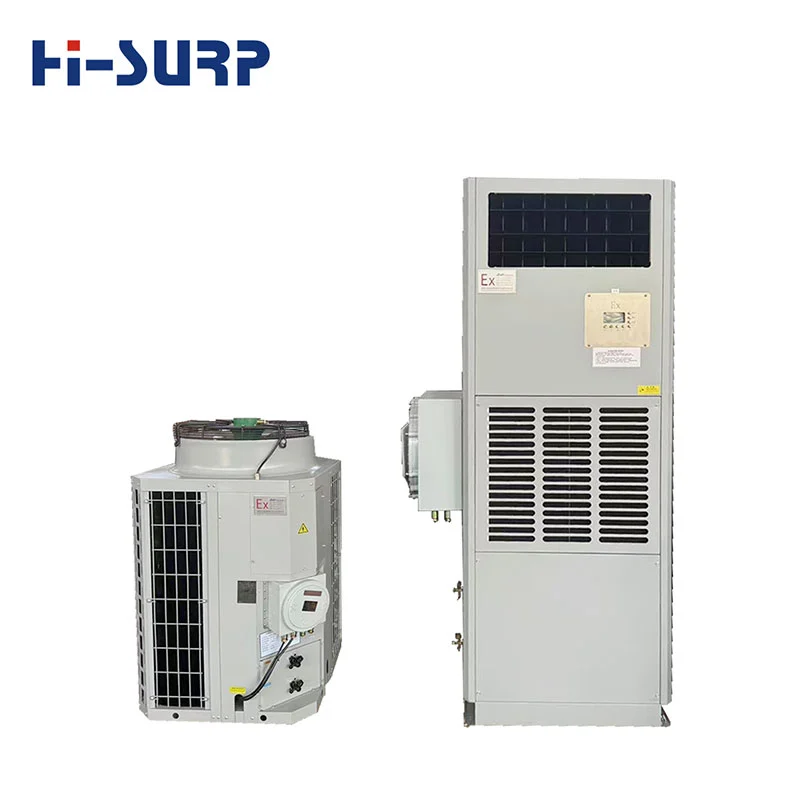
Energy Storage Air Conditioner
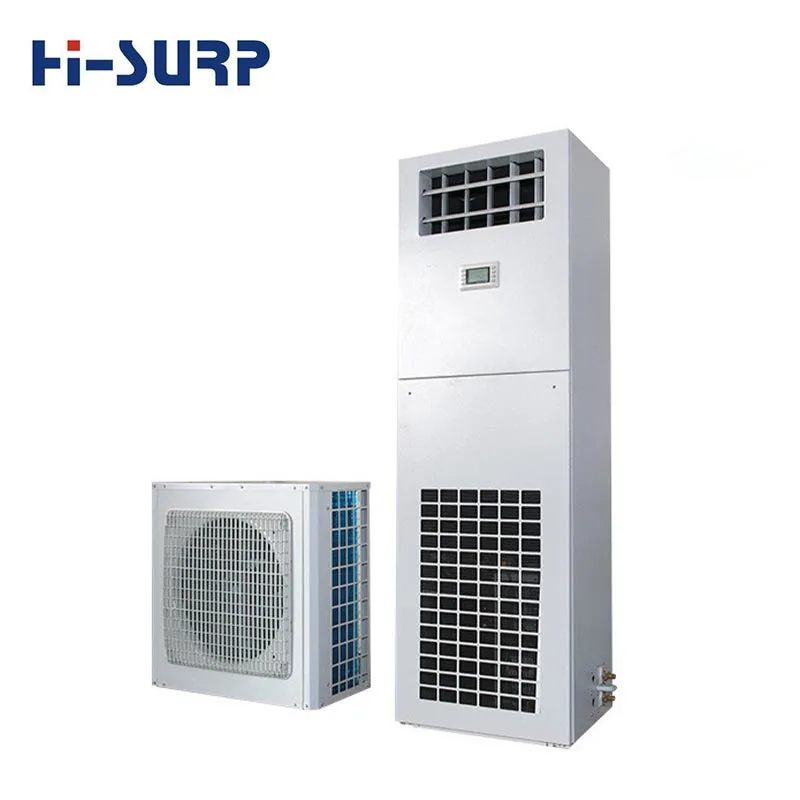
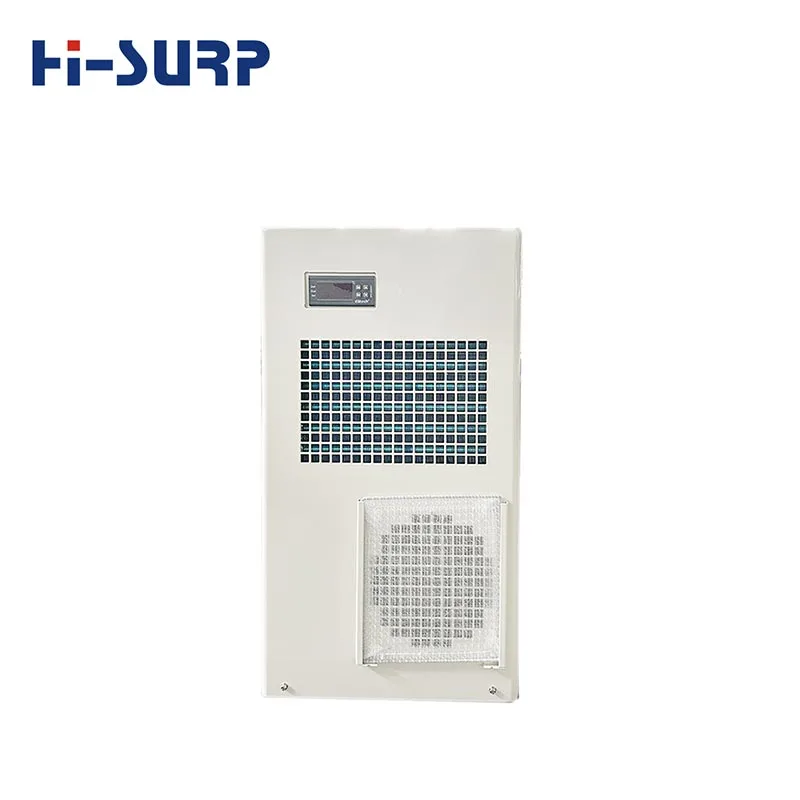
Telecom Air Conditioner

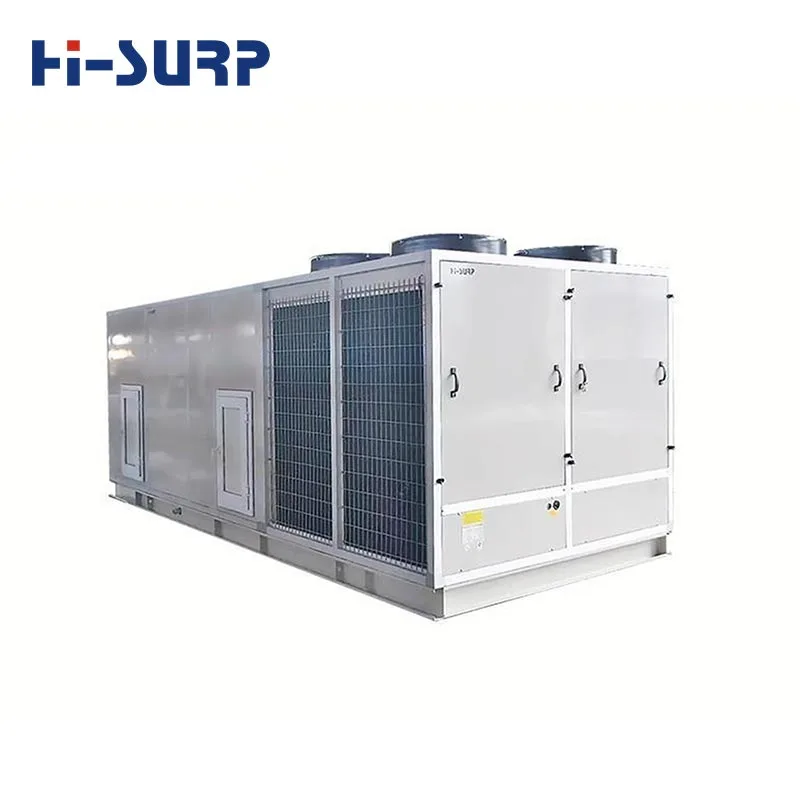
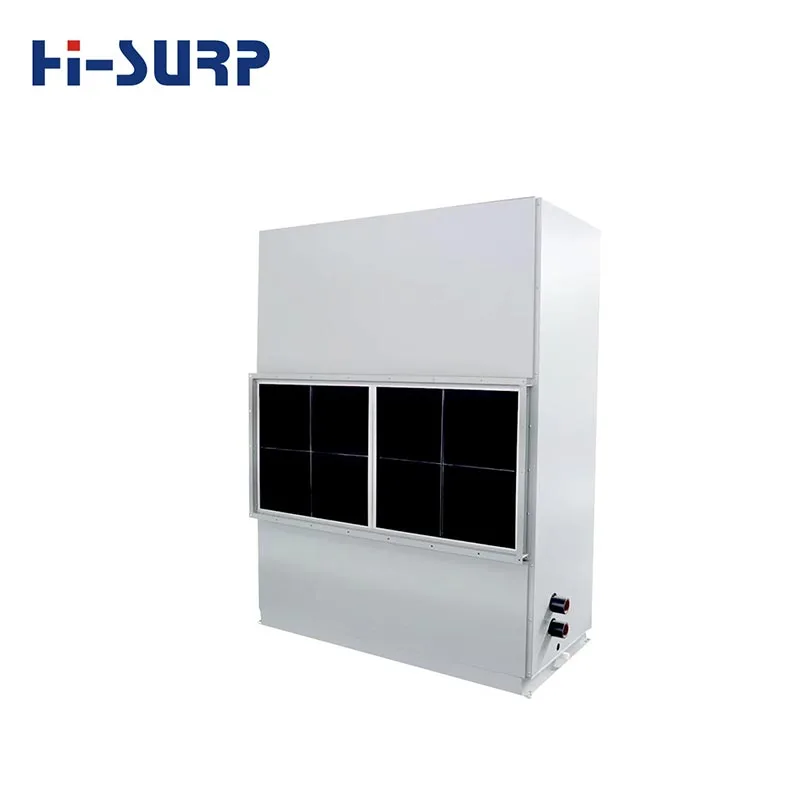
Rooftop Air Conditioner
As seasoned Rooftop Air Conditioner manufacturers, Hisurp is a reputable Chinese factory offering CE-certified products.
Adopting integrated design, the unit combines cooling, heating, ventilation and filtration. It runs steadily, installs effortlessly and cuts energy consumption by 20%-30%, backed by 15-year service life.
Customized solutions and complete after-sales support are accessible. We supply goods in bulk with competitive prices, perfectly fitting diverse building scenarios, serving as your preferred purchasing option.
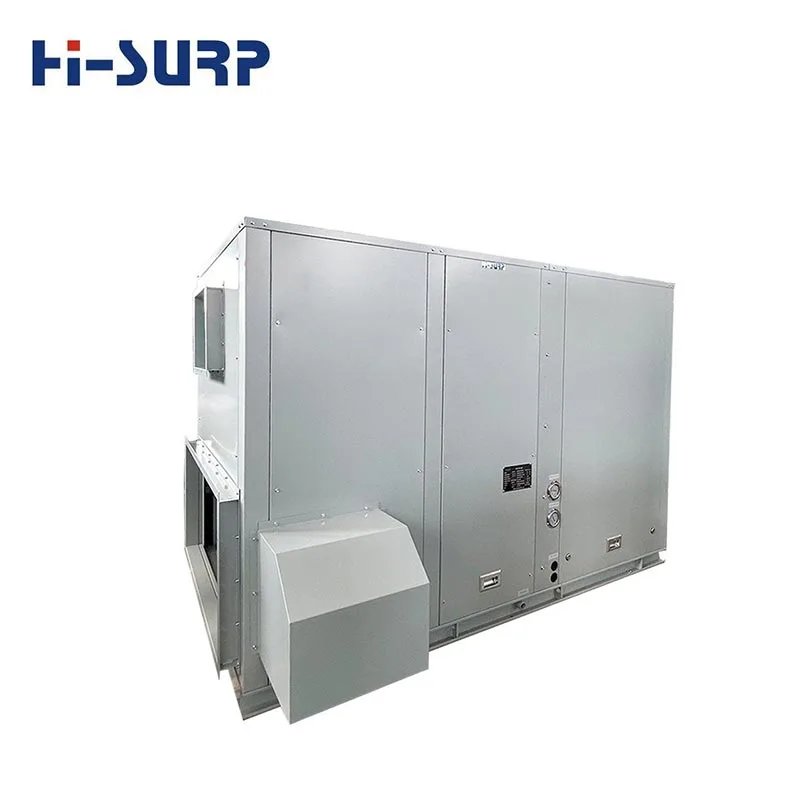
Rooftop Ac
Hisurp Rooftop AC adopts adaptive energy-saving control and DC frequency conversion motor. Ideal for workshops and computer rooms needing uninterrupted cooling, it utilizes free cooling to achieve up to 58% comprehensive energy saving. The unit operates steadily amid -40℃ to 48℃ wide temperature scope. Owning authoritative Certification of ISO9001, every unit undergoes full power-on test before shipment, guaranteeing durable stable performance and eco-friendly energy efficiency.
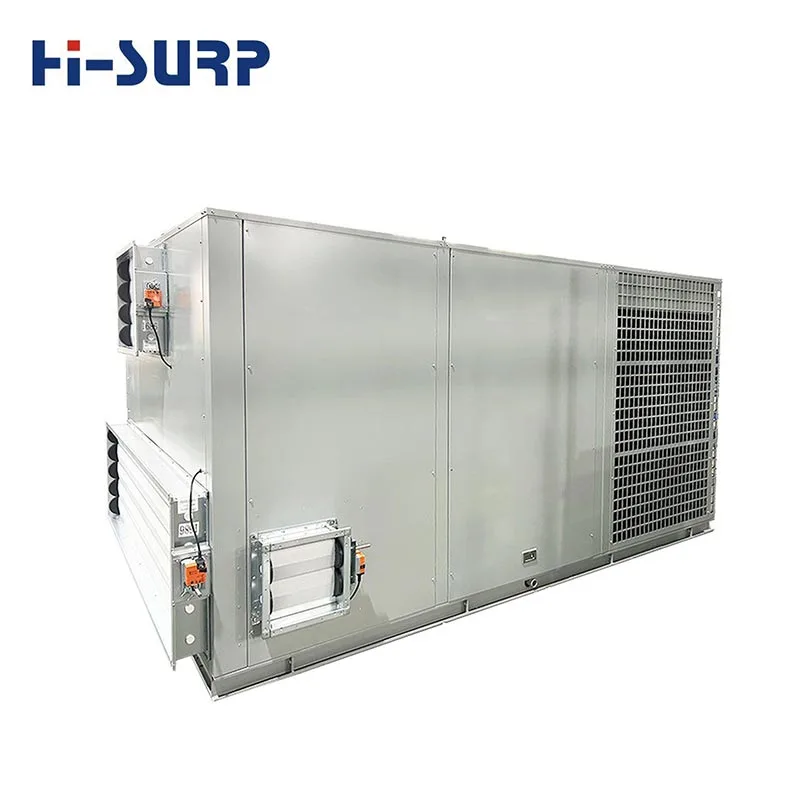
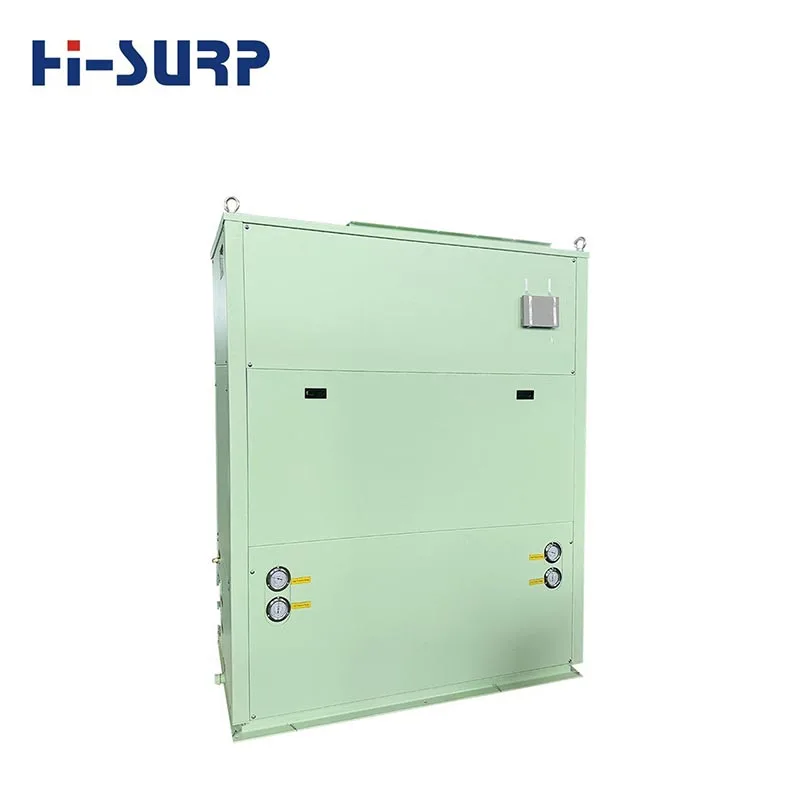
Packaged Air conditioner
Hisurp delivers dependable Packaged Air Conditioner with stable factory production and solid quality assurance. Customized packaged air conditioner supports adjustable cooling capacity, size and functions, fitting multiple application occasions. All products come with 12-month warranty, thoughtful after-sales support to cut purchase risks. Featuring energy efficiency, low noise and easy installation, strictly inspected units are premium cooling choices.
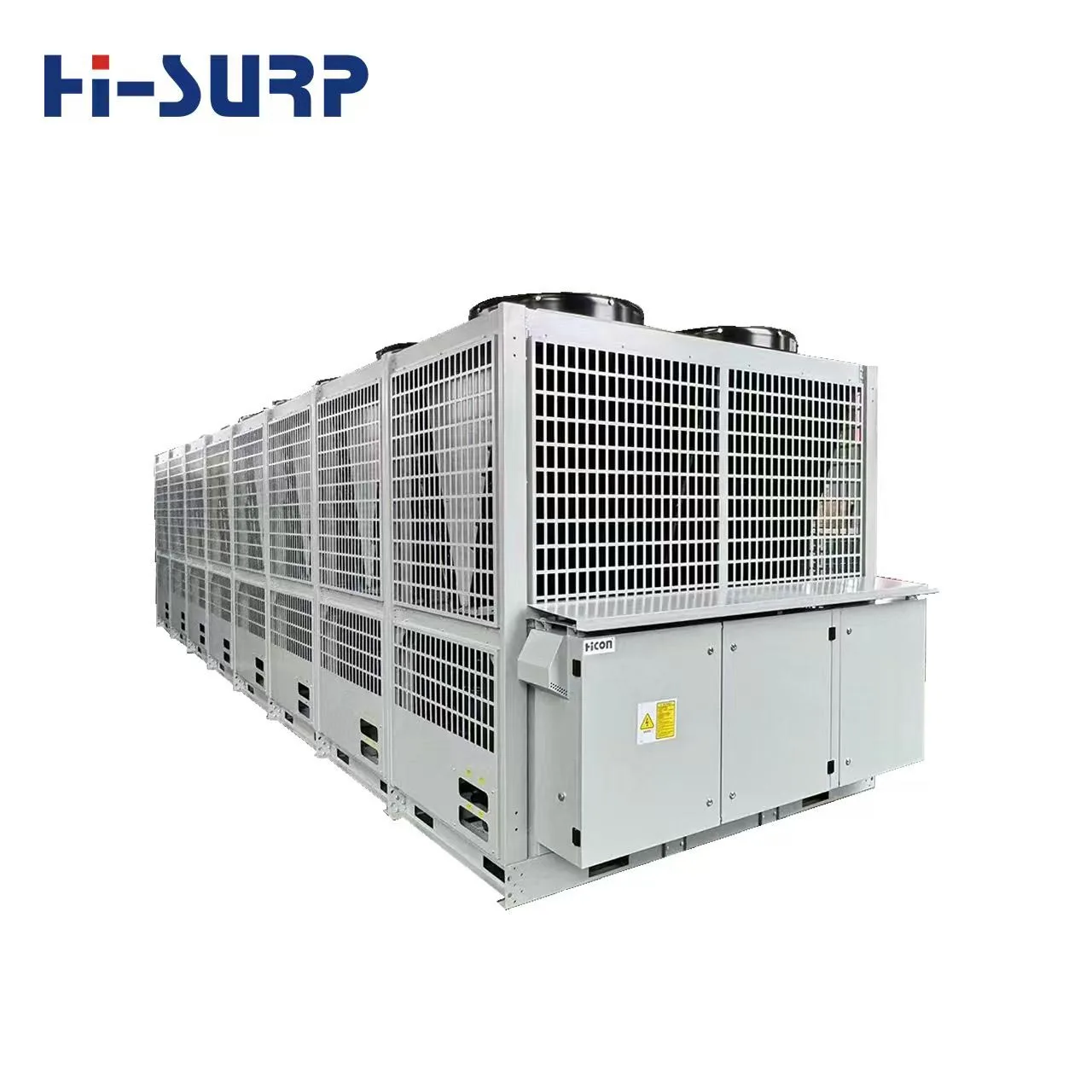
Packaged Unit
Hisurp supplies advanced Packaged unit as all-in-one HVAC equipment. It integrates core components into compact body, realizing fast installation and effortless maintenance. Sturdy quality verified by strict factory tests ensures steady operation, energy conservation and long service lifespan. Adaptable to harsh working conditions with strong anti-interference capability, it cuts daily power consumption and operating expenses. The integrated structure saves occupied space and shortens construction period, perfectly meeting heating and cooling demands of commercial, industrial and public venues.

Air Cooled Precision Air Conditioner

Water Cooled Precision Air Conditioner
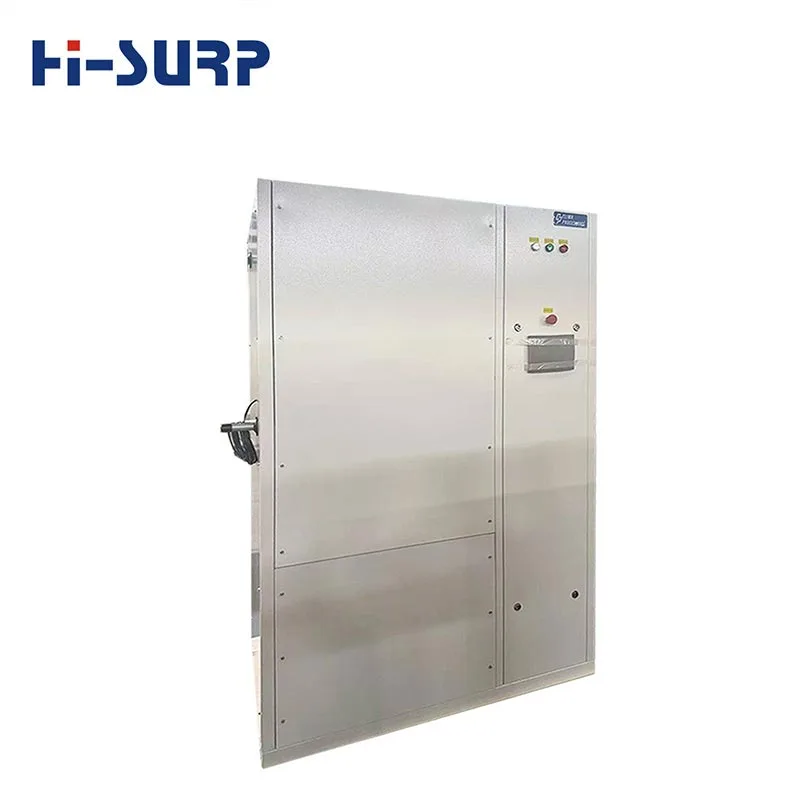
Dual Coil Precision Air Conditioner

Air Cooled Scroll Chiller

Air Cooled Screw Chiller
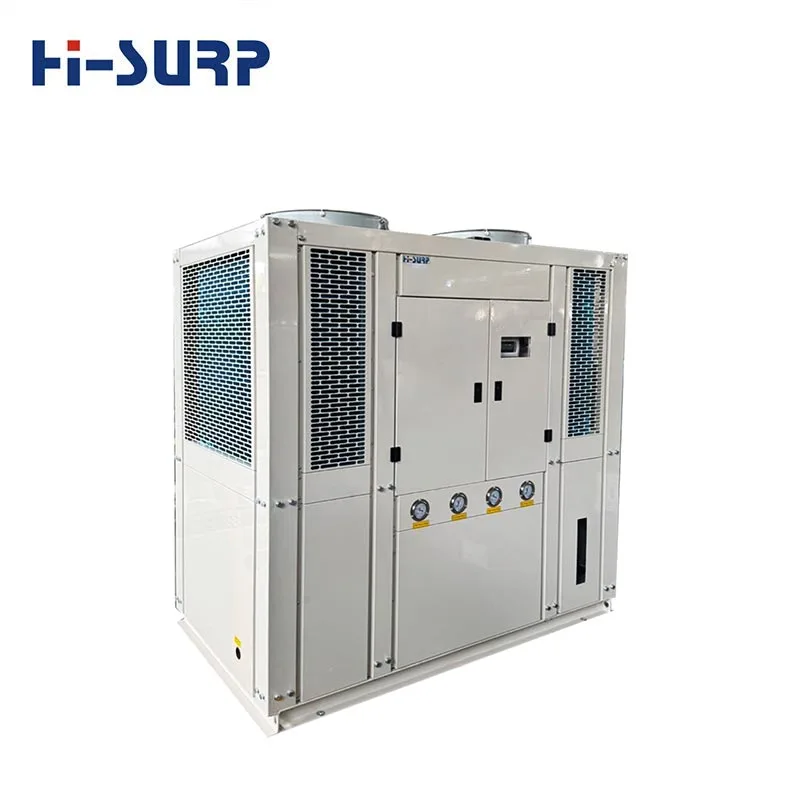
Water Cooled Scroll Chiller
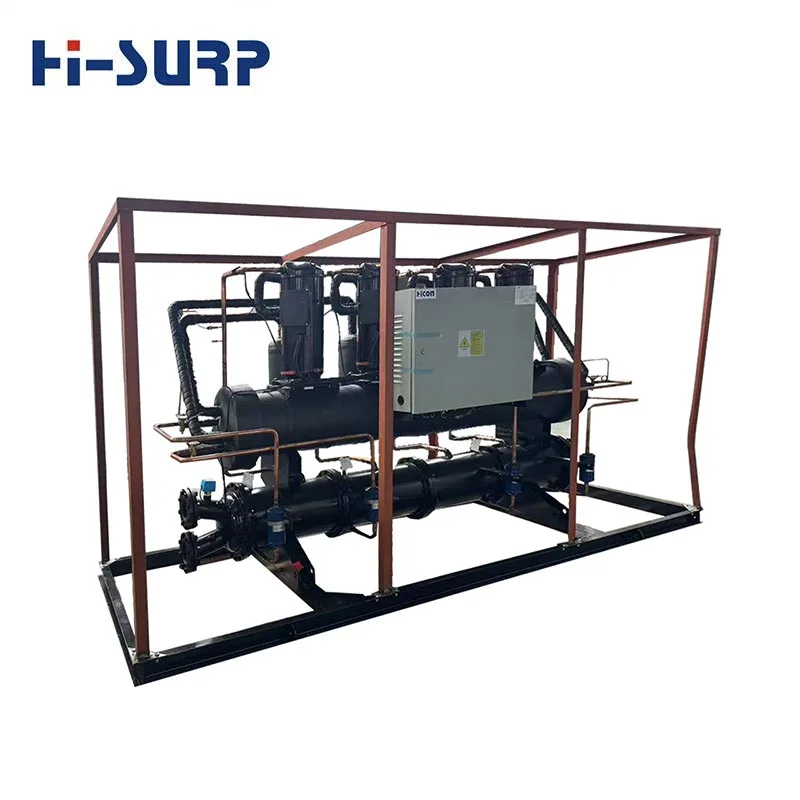
Water Cooled Screw Chiller

Corrosion-Resistant Air Conditioner
Hisurp Corrosion-Resistant Air Conditioner is a type of air conditioning system designed to be enhanced for corrosive environments (especially marine, chemical, salt spray, and high humidity environments).
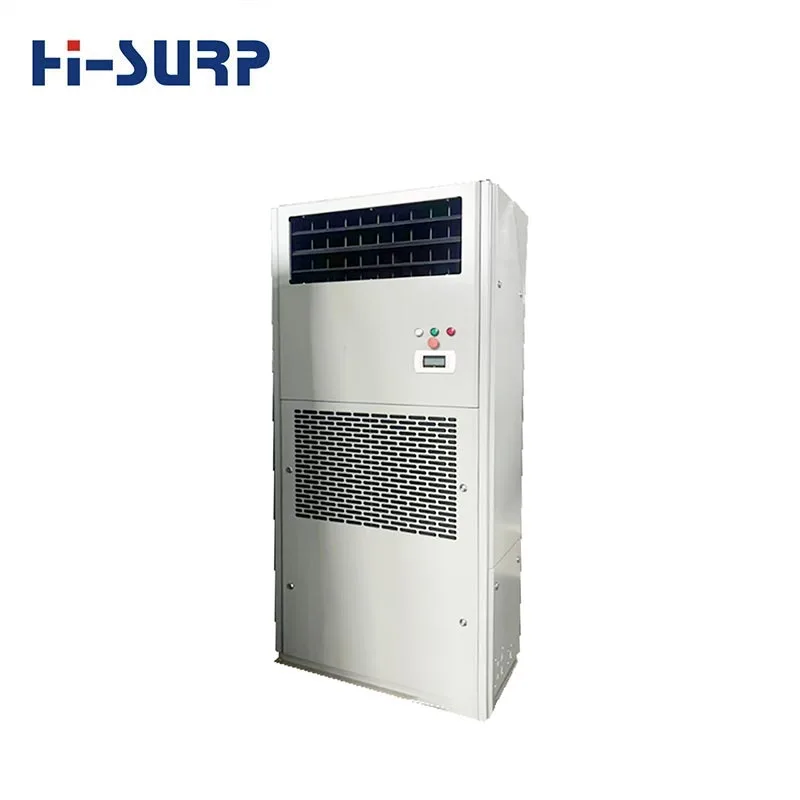
Earthquake-Resistant Air Conditioner
Based on the design concept of "prevention first", Hisurp earthquake-resistant air conditioner uses a series of advanced measures that exceed conventional standards to minimize the risk of damage to the air conditioning system caused by earthquakes, and ensure environmental control and business continuity in critical locations.
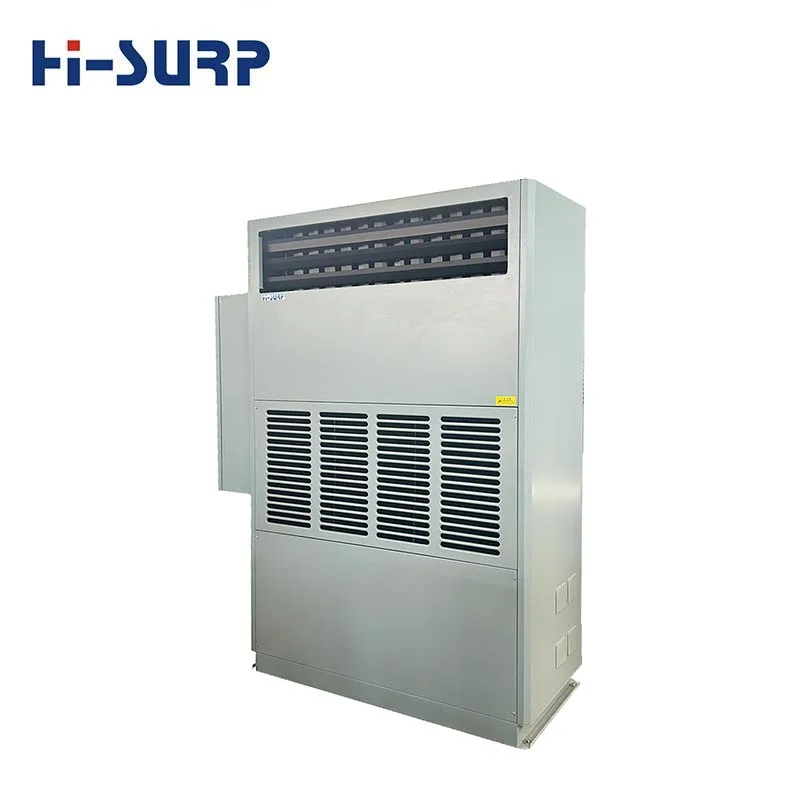
Magnetic-Resistant Air Conditioner
Hisurp Magnetic-Resistant Air Conditioner is an industrial air conditioner designed specifically for strong magnetic field environments. Through a multi-layer shielding system, it ensures stable and durable operation of the unit in a magnetic field environment of ≥2000GS.
In coastal industrial facilities, the battle against corrosion is unrelenting. Salt-laden air, high humidity, and temperature fluctuations create an aggressive environment that rapidly degrades unprotected metal surfaces. For an Industrial Air Conditioner installed in such conditions, the consequences are severe: condenser coils corrode and leak, compressor housings rust through, and electrical connections fail. The typical service life of a standard industrial cooling unit in a coastal environment can be reduced by 50% or more compared to inland installations. This is not a matter of if the equipment will fail, but when.
The solution to this pervasive problem is the application of specialized anti-corrosion coatings. These coatings are not simple paint jobs; they are engineered barrier systems designed to protect the critical components of an Industrial Air Conditioner from the specific corrosive agents present in coastal atmospheres. A properly applied anti-corrosion coating system can extend the service life of an Industrial Air Conditioner from a few years to over a decade, dramatically reducing replacement costs and unplanned downtime. This article provides a technical analysis of the corrosion mechanisms affecting Industrial Air Conditioner in coastal areas, the types of anti-corrosion coatings available, the application processes, and the quantifiable benefits of this protective technology.
To appreciate the value of anti-corrosion coatings, it is first necessary to understand the corrosion mechanisms that threaten Industrial Air Conditioner in coastal areas. The primary corrosive agent is salt, specifically sodium chloride (NaCl), which is carried in the air as fine particles or dissolved in sea spray. When salt deposits settle on metal surfaces, they create a highly conductive electrolyte film in the presence of moisture. This electrolyte facilitates electrochemical reactions that result in the oxidation of the metal—what we commonly refer to as rust.
The corrosion process is accelerated by several factors common to coastal environments:
The typical corrosion damage pattern on an Industrial Air Conditioner includes:
At Ningbo Hicon Industry Co., Ltd., we have documented the corrosion rates of unprotected Industrial Air Conditioner in coastal installations. Our data shows that a standard unit can lose up to 30% of its cooling capacity within two years of installation in a coastal environment, with complete failure occurring within 3-5 years. The following table illustrates the typical corrosion-related degradation of an unprotected unit.
| Time Period | Condenser Coil Condition | Cabinet Condition | Cooling Capacity Loss |
| 0-12 months | Minor pitting visible | Surface rust starting | 3-5% |
| 12-24 months | Significant pitting, minor leakage | Rust through in areas | 15-20% |
| 24-36 months | Multiple leaks, fins deteriorating | Structural weakness | 25-35% |
| 36-48 months | Complete failure of coil | Significant structural damage | 50%+ |
The economic impact is substantial. The cost of replacing a failed Industrial Air Conditioner, including the equipment, installation, and lost production, often exceeds the initial purchase price by a factor of two or three. This is why proactive corrosion protection is not just a maintenance item; it is a critical business decision.
The selection of an anti-corrosion coating for an Industrial Air Conditioner is a technical decision that must consider the specific application and environmental conditions. Several types of coating systems are available, each offering a different level of protection and suitability for various components. The primary types of anti-corrosion coatings include:
The application of these coatings to the critical components of an Industrial Air Conditioner varies. For the condenser coil, which is particularly vulnerable to corrosion, a specific coil coating is required. This coating must be thin enough to not impede heat transfer but robust enough to resist salt penetration. The most common coil coatings are:
The following table provides a comparison of the different coating types used for Industrial Air Conditioner components.
| Coating Type | Best Application | Key Characteristics | Salt Spray Resistance (ASTM B117) |
| Epoxy (Two-Part) | Cabinet, Structure | Excellent adhesion, chemical resistance, hard film | 1000+ hours |
| Polyurethane | Exterior Cabinets | UV resistance, flexibility, impact resistance | 500-800 hours |
| E-Coat (Electrodeposition) | Complex Shapes | Uniform coverage, excellent corrosion protection | 500-800 hours |
| Epoxy Coil Coating | Condenser Coils | Thin film, maintains heat transfer | 500-1000 hours |
| Fluoropolymer | Severe Environments | Exceptional chemical and corrosion resistance | 2000+ hours |
At Ningbo Hicon Industry Co., Ltd., we offer a range of anti-corrosion coating options for our Industrial Air Conditioner products. Our standard offering includes a high-performance epoxy coating for the cabinet and a proprietary epoxy coil coating for the condenser coil. For customers in the most corrosive environments, we offer a premium fluoropolymer coating system. Our technical team can recommend the optimal coating based on the specific installation conditions.
The effectiveness of an anti-corrosion coating is determined not only by the material selection but also by the quality of the application process. A poorly applied coating can fail prematurely, leaving the Industrial Air Conditioner vulnerable to corrosion. The application process for anti-corrosion coatings is a multi-stage procedure that requires careful control of the surface preparation, coating thickness, and curing conditions.
The first and most critical step is surface preparation. The metal surface must be thoroughly cleaned and prepared to ensure good adhesion of the coating. The preparation process typically includes:
After surface preparation, the coating is applied. The application method depends on the type of coating and the component being coated. Common application methods include:
After application, the coating is cured. Curing is the process by which the coating achieves its final properties, such as hardness and adhesion. The curing process typically involves heating the coated component to a specific temperature for a specified period.
To ensure the quality of the anti-corrosion coating, a series of tests are performed:
At Ningbo Hicon Industry Co., Ltd., we have implemented a comprehensive quality control system for our anti-corrosion coating processes. Our factory is equipped with state-of-the-art application and testing equipment, and our technicians are trained to the highest standards. We maintain detailed records of the coating application parameters and test results for every Industrial Air Conditioner we manufacture, ensuring traceability and quality assurance.
The application of anti-corrosion coatings to an Industrial Air Conditioner in a coastal environment provides measurable benefits that extend beyond simple corrosion prevention. These benefits translate directly into lower operational costs, reduced downtime, and a longer equipment service life. The quantifiable benefits of anti-corrosion coatings include:
Extended Service Life: An Industrial Air Conditioner with a properly applied anti-corrosion coating system can have a service life of 10-15 years in a coastal environment, compared to 3-5 years for an unprotected unit. This represents a 200-300% increase in service life, significantly reducing the frequency of capital equipment replacement.
Reduced Maintenance Costs: Unprotected units require frequent maintenance to address corrosion-related issues, such as cleaning corroded coils, repairing refrigerant leaks, and replacing rusted components. The maintenance costs for a coated unit are significantly lower, as the coating prevents corrosion from occurring in the first place.
Lower Energy Consumption: A clean, uncorroded condenser coil transfers heat more efficiently than a corroded one. The coating prevents the accumulation of salt deposits and corrosion products on the coil, maintaining the unit's energy efficiency over time. This can result in energy savings of 5-10% compared to an unprotected unit.
Reduced Downtime: Unplanned downtime caused by corrosion-related failures is a major cost for industrial facilities. The anti-corrosion coating significantly reduces the risk of such failures, resulting in higher equipment availability and productivity.
The following table illustrates the financial benefits of anti-corrosion coatings over a 10-year period, comparing a coated and an uncoated Industrial Air Conditioner.
| Cost Category | Uncoated Unit (5-year life) | Coated Unit (12-year life) | 10-Year Savings |
| Initial Equipment Cost | $12,000 (2 units) | $8,000 (1 unit) | $4,000 |
| Maintenance Costs (10 years) | $6,000 | $1,500 | $4,500 |
| Energy Costs (10 years) | $15,000 | $13,500 | $1,500 |
| Downtime Costs (10 years) | $8,000 (2 failures) | $2,000 (1 failure) | $6,000 |
| Total 10-Year Cost | $41,000 | $25,000 | $16,000 |
This analysis demonstrates that the additional cost of an anti-corrosion coating (typically 10-15% of the equipment cost) is quickly recovered through reduced maintenance, energy, and downtime costs. At Ningbo Hicon Industry Co., Ltd., we provide our customers with this type of cost-benefit analysis to support their equipment selection decisions.
The theoretical benefits of anti-corrosion coatings are validated by real-world field performance data from Industrial Air Conditioner installations in coastal areas. The following case studies illustrate the practical impact of these coatings on equipment reliability and service life.
Case Study 1: Chemical Plant on the Gulf Coast A chemical processing facility located on the Gulf Coast of the United States installed two identical Industrial Air Conditioner units to cool a control room. One unit was a standard configuration with no anti-corrosion coating. The other unit was equipped with a full anti-corrosion coating system (epoxy cabinet coating and epoxy coil coating). After three years of operation, the uncoated unit had suffered significant corrosion. The condenser coil was leaking, the cabinet showed extensive rust, and the unit had lost over 20% of its cooling capacity. The coated unit, in contrast, showed no signs of corrosion and was operating at full capacity. The uncoated unit required replacement after 4.5 years, while the coated unit continues to operate reliably after 7 years.
Case Study 2: Fishing Port Facility in Northern Europe A fishing port facility in Norway installed four Industrial Air Conditioner units in an aggressive coastal environment. Two units were ordered with a standard coating, and two units were ordered with a premium fluoropolymer coating system. After five years of operation, the standard coated units showed signs of corrosion on the cabinet and the condenser coils. The premium coated units showed no signs of corrosion. The port manager reported that the premium coated units required less maintenance and had a longer service life, resulting in a lower total cost of ownership.
Field Performance Data: Over the past 10 years, we have collected performance data from over 200 Industrial Air Conditioner installations in coastal areas. The data shows that:
This data confirms that anti-corrosion coatings are a highly effective and cost-effective strategy for extending the service life of Industrial Air Conditioner in coastal environments. At Ningbo Hicon Industry Co., Ltd., we incorporate this field data into our product development process, continuously improving the performance of our coating systems.
Question 1: What is the typical cost of an anti-corrosion coating for an Industrial Air Conditioner?
Answer: The cost of an anti-corrosion coating depends on the type of coating and the size of the unit. As a general guideline, a standard anti-corrosion coating (epoxy cabinet and coil coating) adds approximately 10-15% to the cost of a standard Industrial Air Conditioner. A premium fluoropolymer coating system can add 20-25% to the cost. However, this additional cost is typically recovered within 3-4 years through reduced maintenance, energy, and replacement costs. At Ningbo Hicon Industry Co., Ltd., we provide detailed pricing information for our coating options.
Question 2: Can anti-corrosion coatings be applied to an existing Industrial Air Conditioner?
Answer: Yes, anti-corrosion coatings can be applied to an existing Industrial Air Conditioner, although the process is more complex and expensive than applying the coating during manufacturing. The existing unit must be cleaned, the old coating removed (if present), and the surface prepared before the new coating is applied. The effectiveness of a field-applied coating is typically lower than a factory-applied coating due to the challenges of surface preparation. For existing units, we recommend a thorough cleaning and the application of a touch-up coating or a protective wax-based coating.
Question 3: How long does the anti-corrosion coating last?
Answer: The service life of an anti-corrosion coating depends on the type of coating, the application process, and the severity of the environment. A properly applied epoxy coating can last 8-10 years in a coastal environment. A premium fluoropolymer coating can last 15-20 years. The coating should be inspected regularly, and any damage should be repaired promptly to maintain its protective properties. At Ningbo Hicon Industry Co., Ltd., we provide maintenance guidelines for our coating systems.
Question 4: Will the anti-corrosion coating affect the cooling performance of the unit?
Answer: A properly applied anti-corrosion coating has a minimal effect on the cooling performance of the unit. The coating used on the condenser coil is thin (typically 0.02-0.03 mm) and has a thermal conductivity similar to the base metal. The coating prevents the accumulation of salt deposits and corrosion, which would otherwise reduce the heat transfer efficiency of the coil. In fact, a coated coil will maintain its cooling performance for a longer period than an uncoated coil in a coastal environment.
Question 5: Are there any industry standards for anti-corrosion coatings for Industrial Air Conditioner?
Answer: Yes, there are several industry standards that apply to anti-corrosion coatings for Industrial Air Conditioner. The most relevant is ASTM B117, which is the standard test method for salt spray (fog) testing. This test is used to evaluate the corrosion resistance of coatings. Other relevant standards include ISO 12944 (Corrosion protection of steel structures by protective paint systems) and ASTM D610 (Standard Practice for Evaluating Degree of Rusting on Painted Steel Surfaces). At Ningbo Hicon Industry Co., Ltd., we design our coating systems to meet or exceed the requirements of these standards.
The corrosive environment of coastal areas poses a significant threat to the service life and reliability of Industrial Air Conditioner. Salt-laden air, high humidity, and temperature fluctuations create conditions that accelerate corrosion, leading to premature equipment failure, increased maintenance costs, and unplanned downtime. Anti-corrosion coatings provide a proven and effective solution to this challenge, extending the service life of Industrial Air Conditioner by up to 200-300% in coastal environments.
The selection of the appropriate coating system requires a thorough understanding of the corrosion mechanisms, the available coating technologies, and the application process. A properly applied coating system, combined with regular inspection and maintenance, can protect the Industrial Air Conditioner for many years, significantly reducing the total cost of ownership. At Ningbo Hicon Industry Co., Ltd., we have developed a range of anti-corrosion coating options for our Industrial Air Conditioner products, designed to meet the specific needs of our customers in coastal areas. Our commitment to quality and innovation ensures that our customers receive the highest level of protection for their valuable equipment.
Contact Ningbo Hicon Industry Co., Ltd. today to learn more about our anti-corrosion coating solutions for Industrial Air Conditioner.