
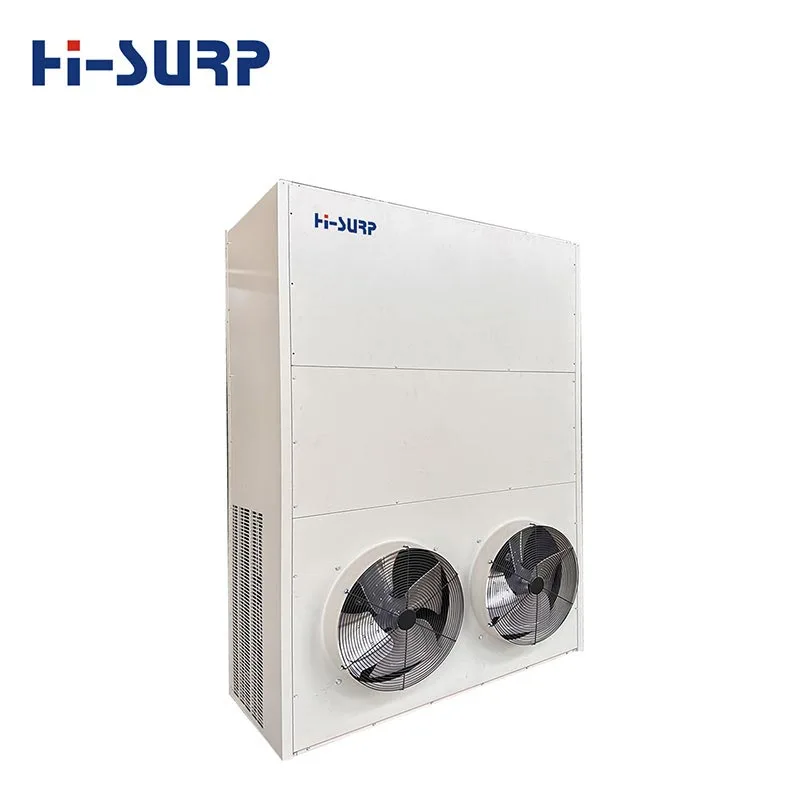
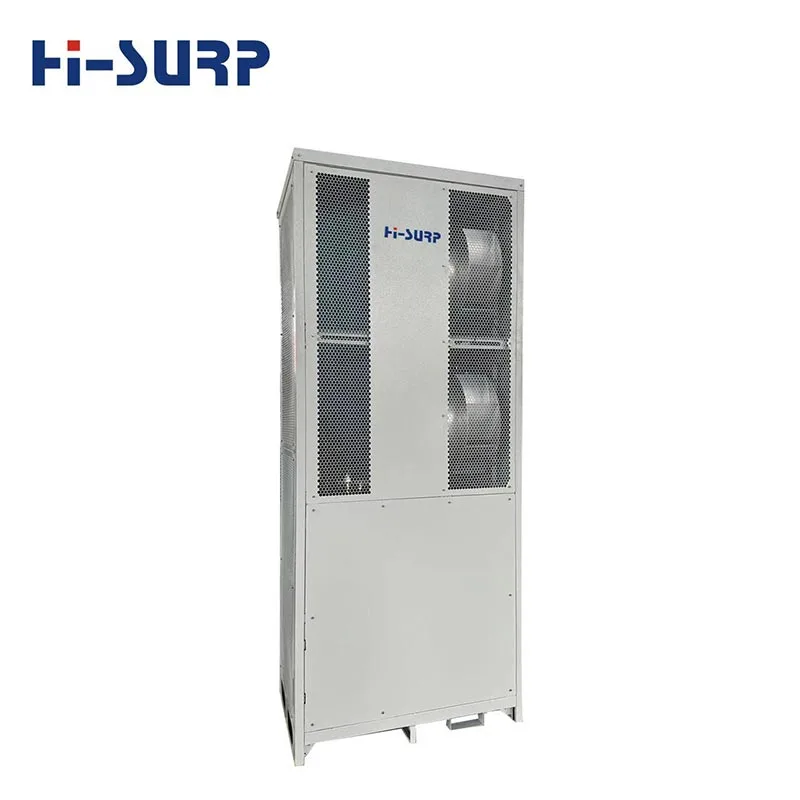
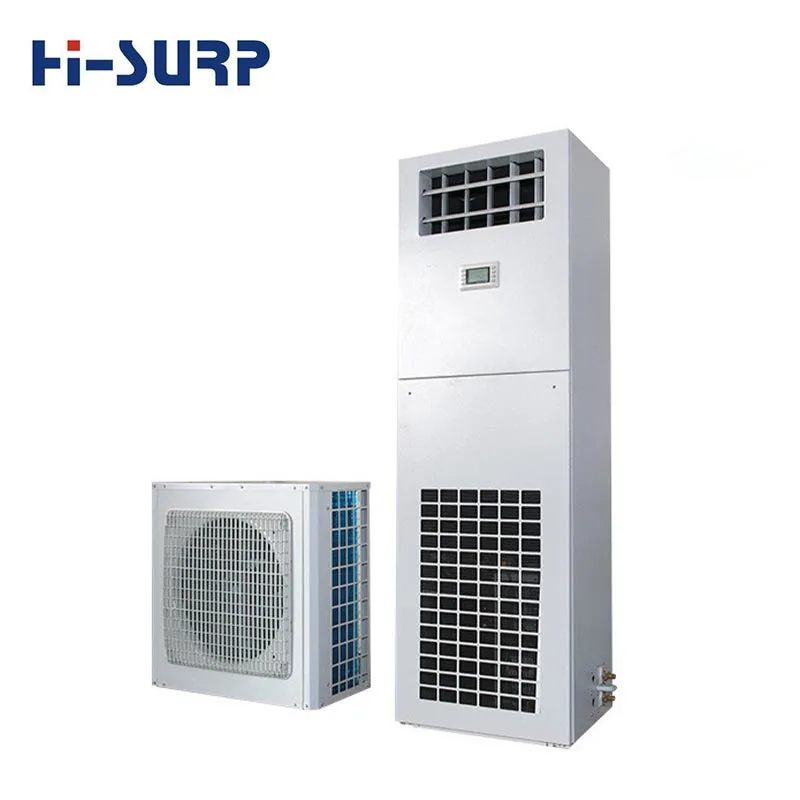
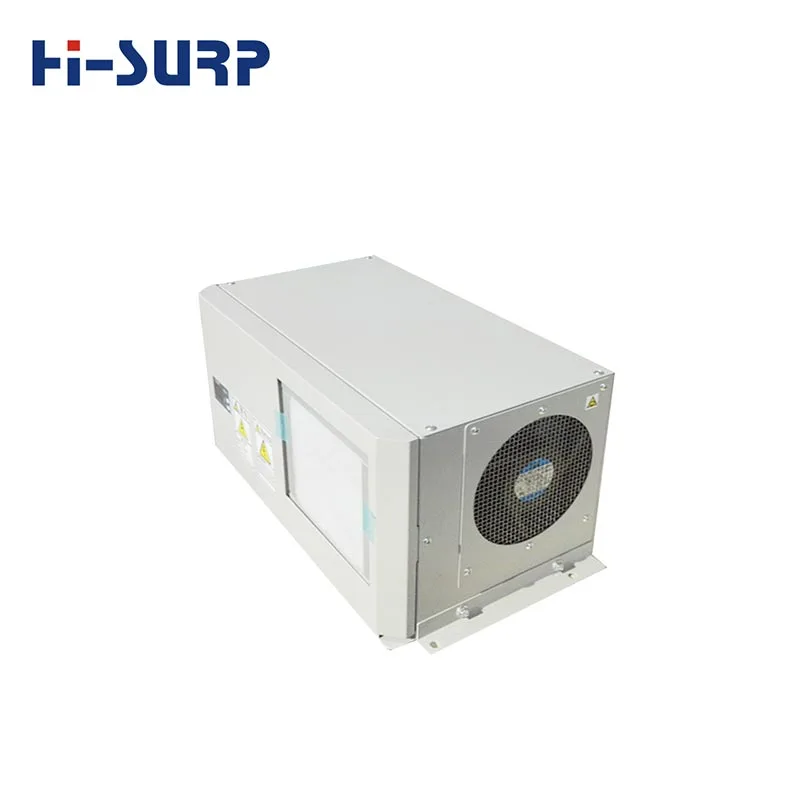
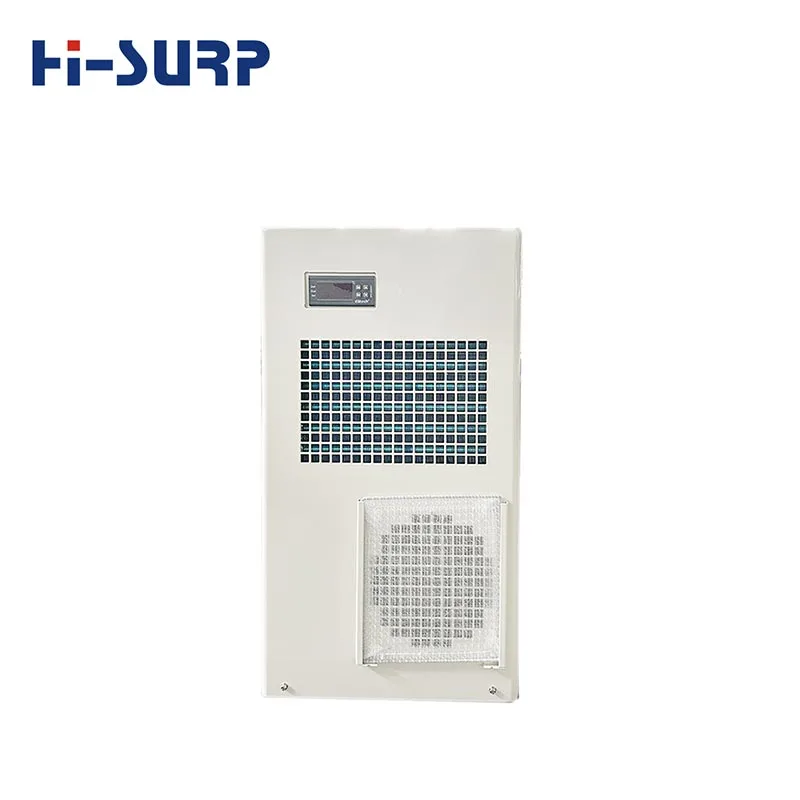
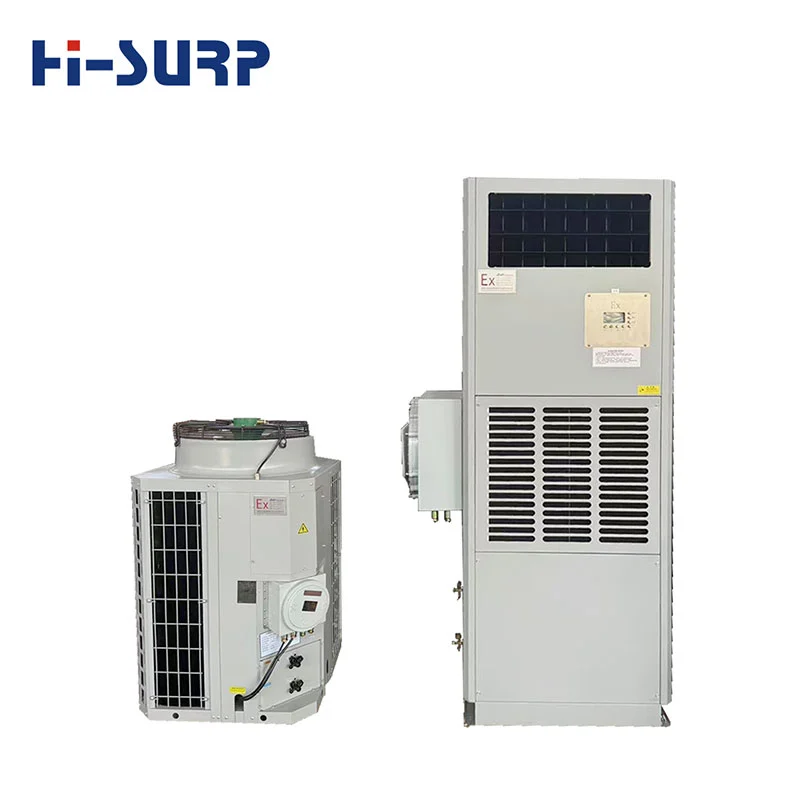
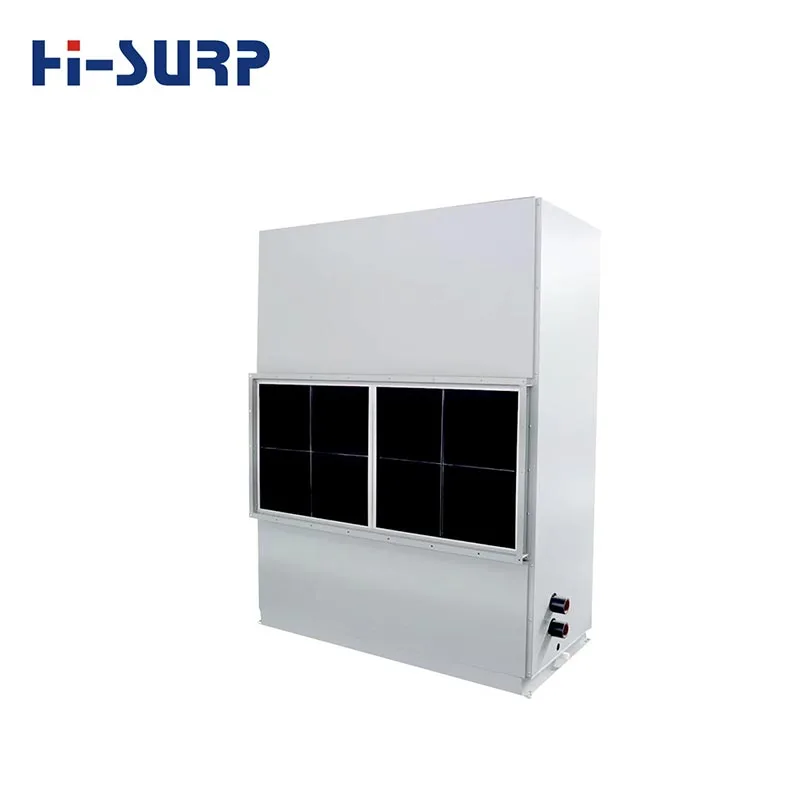
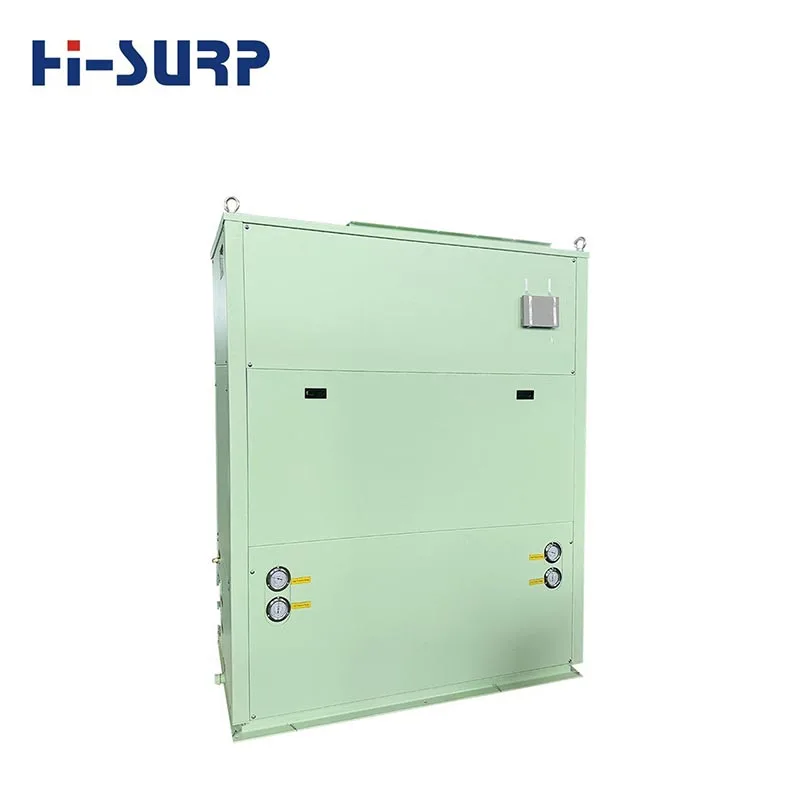
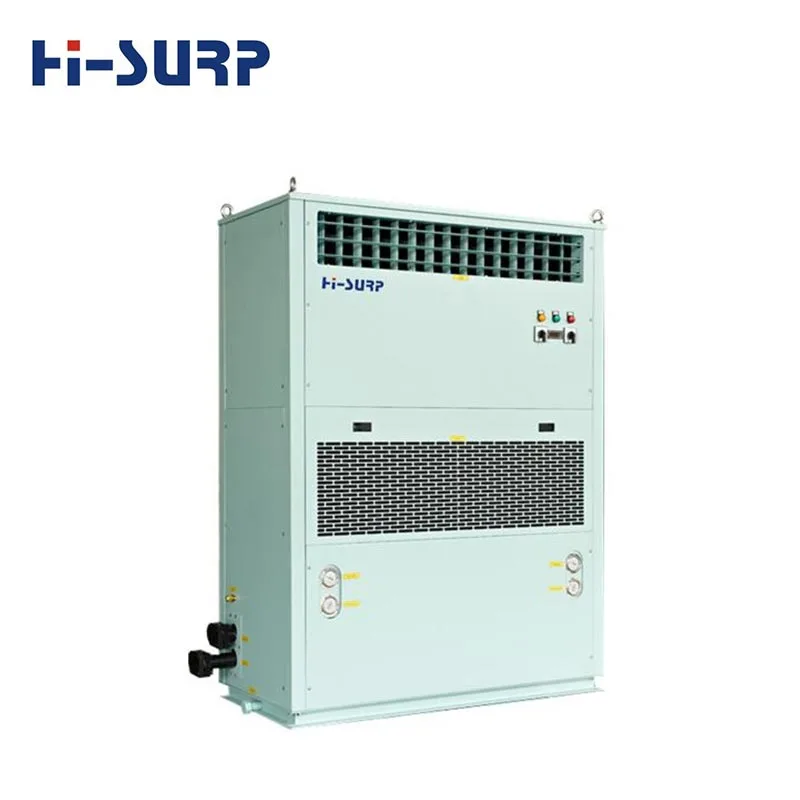
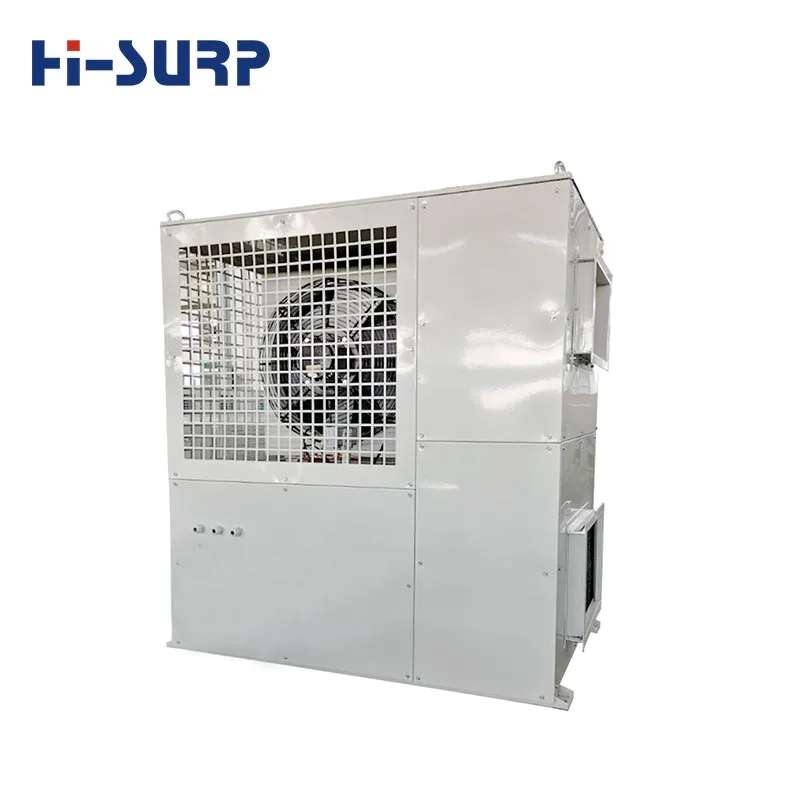
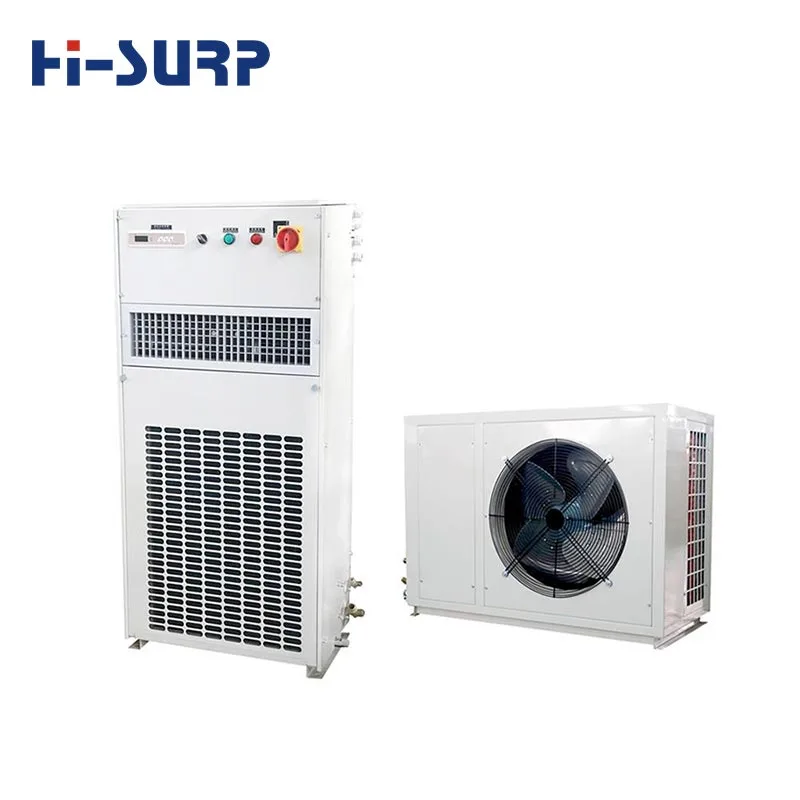
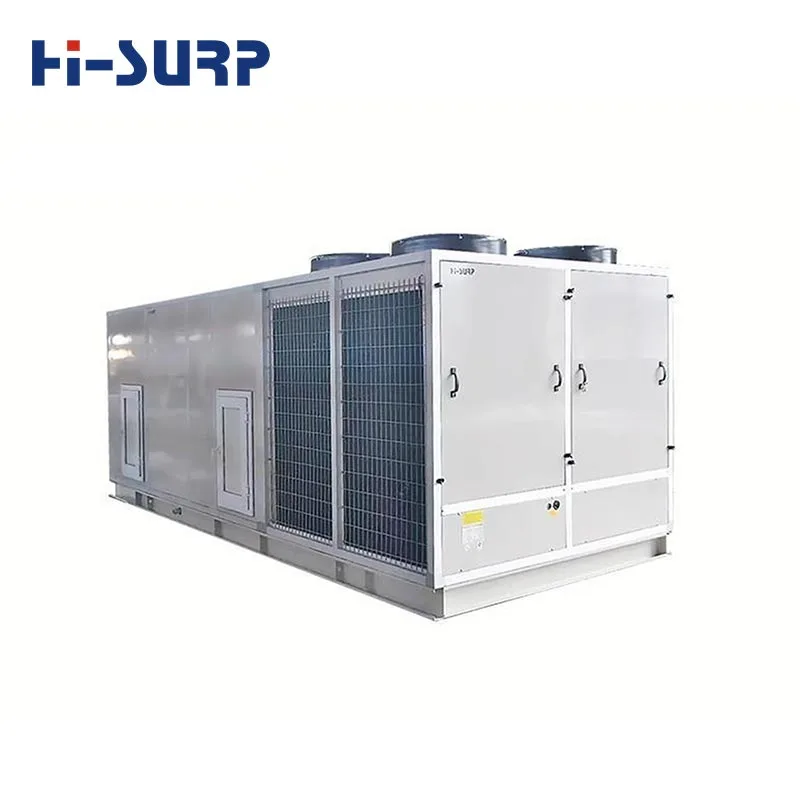
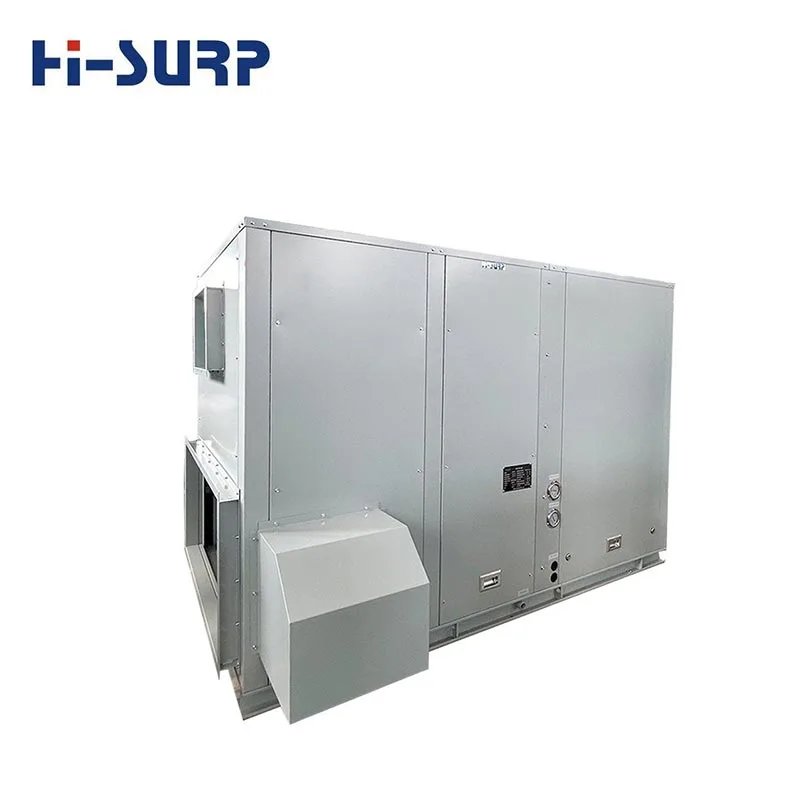
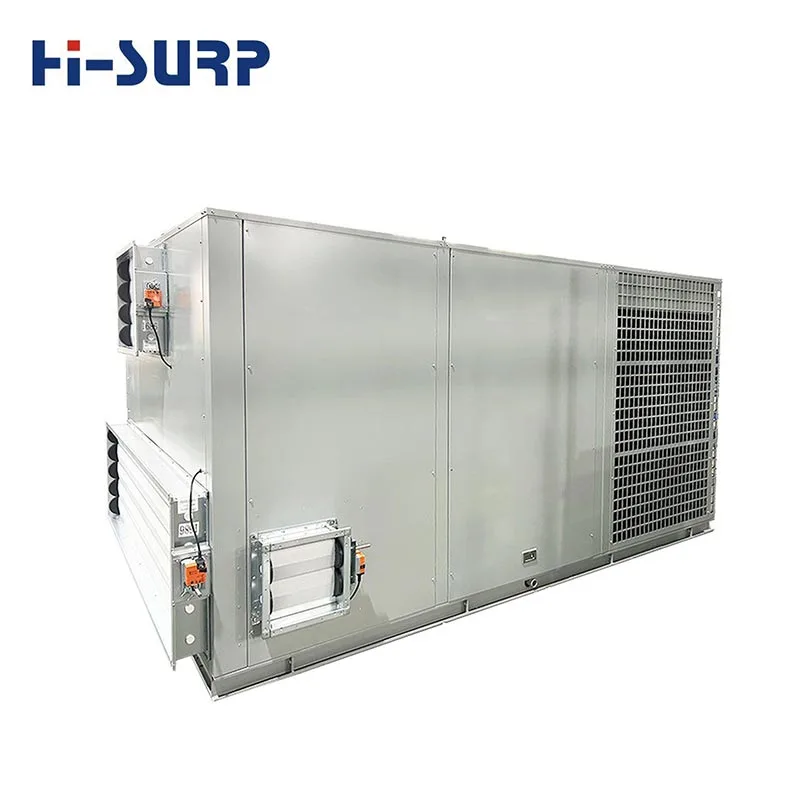
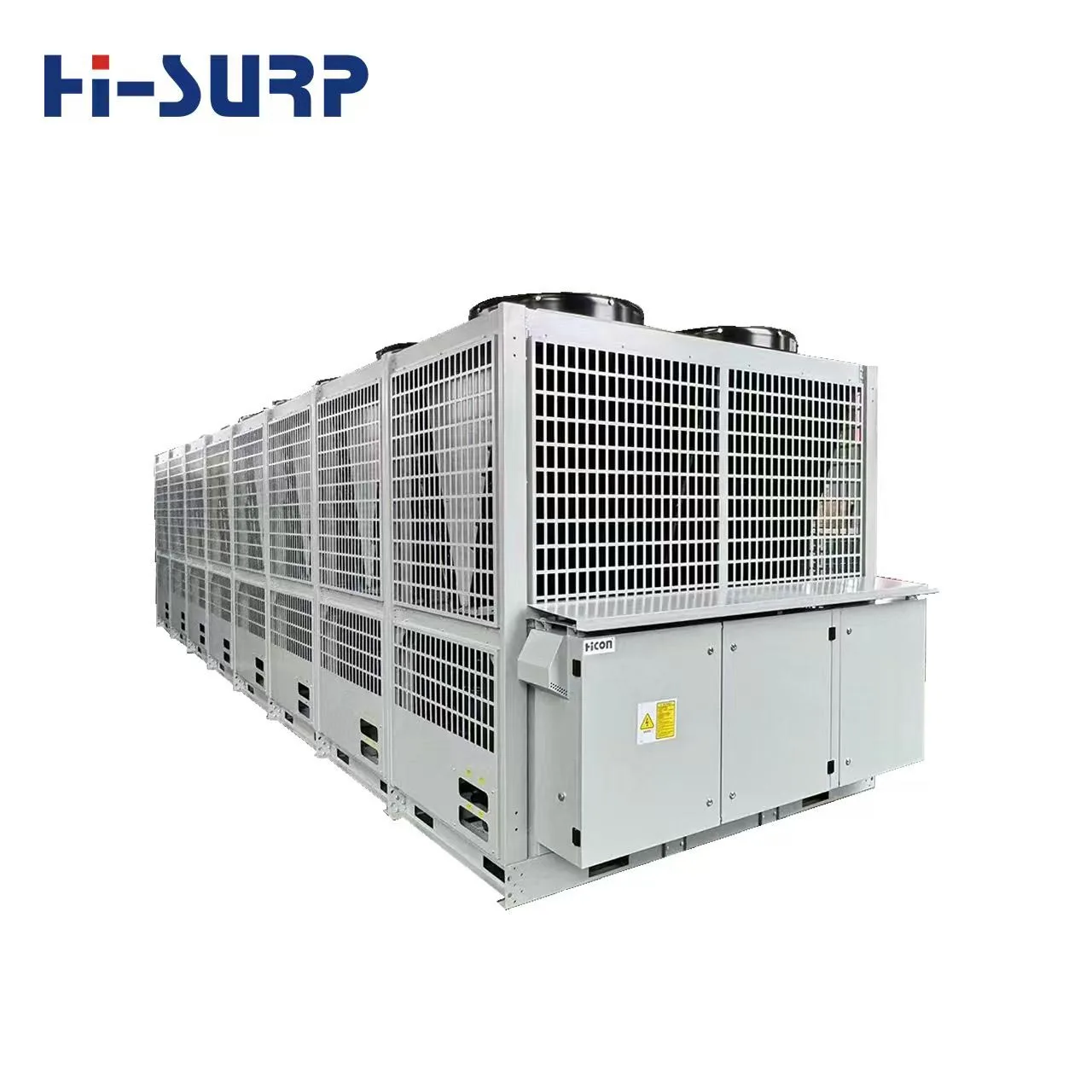
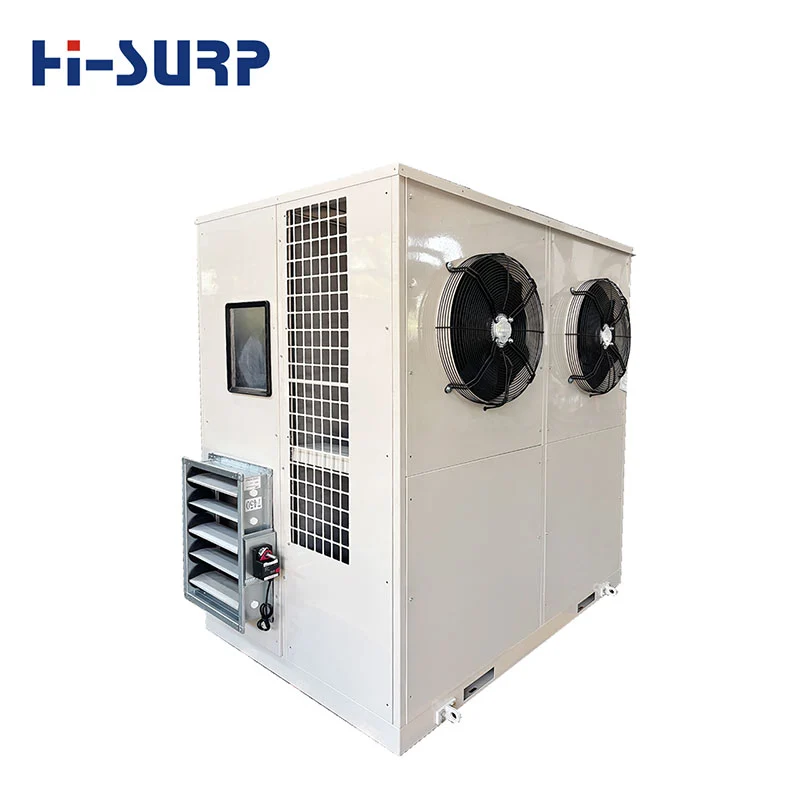
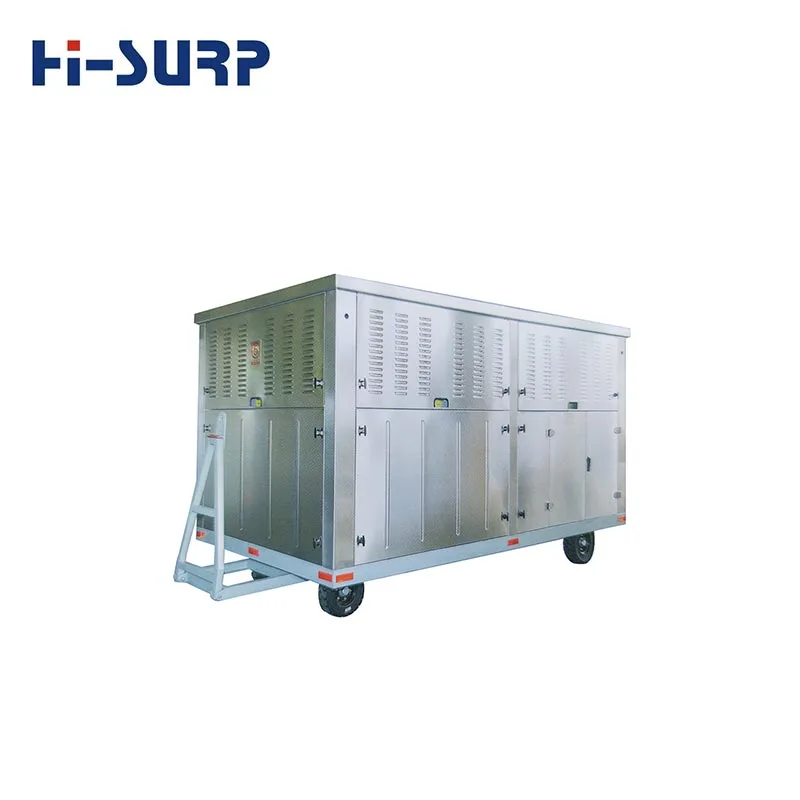
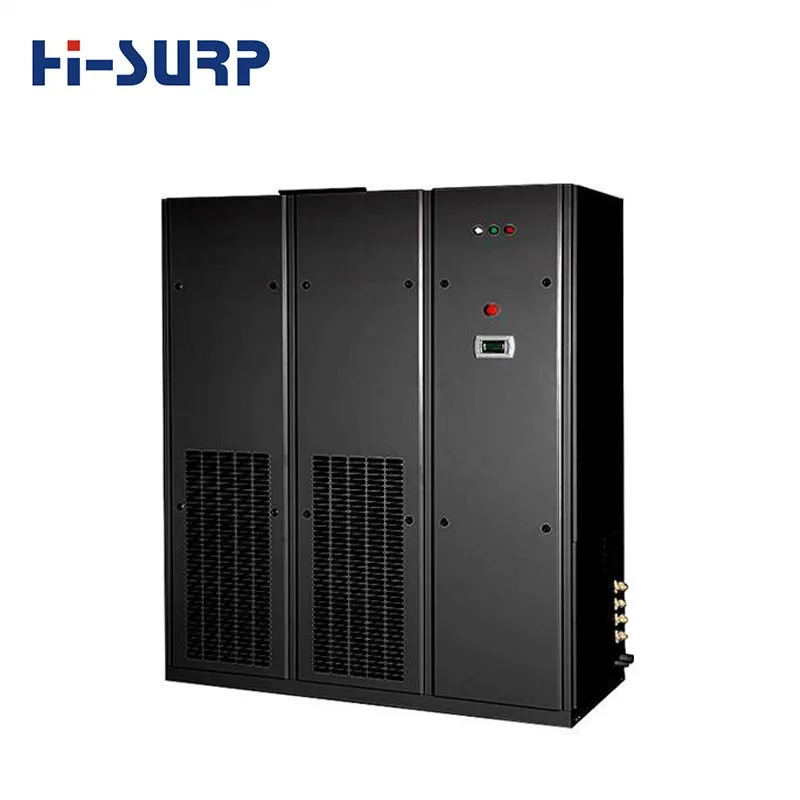
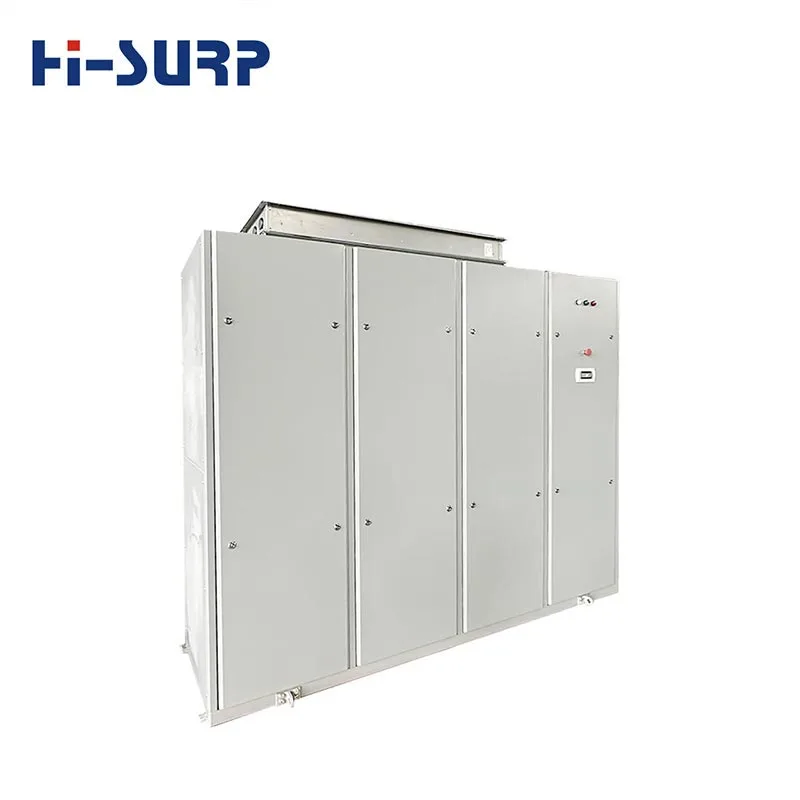
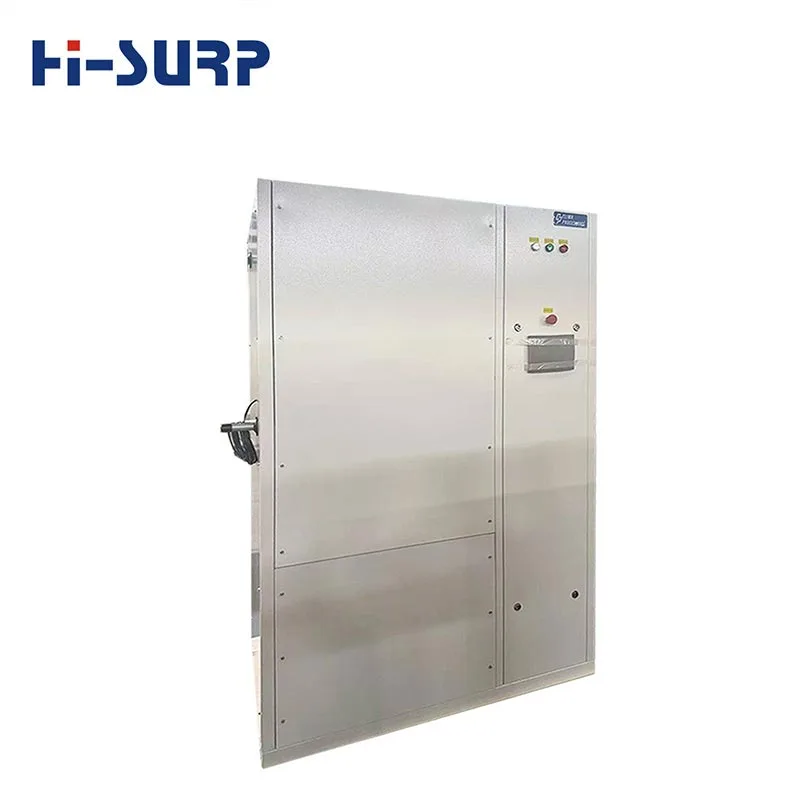
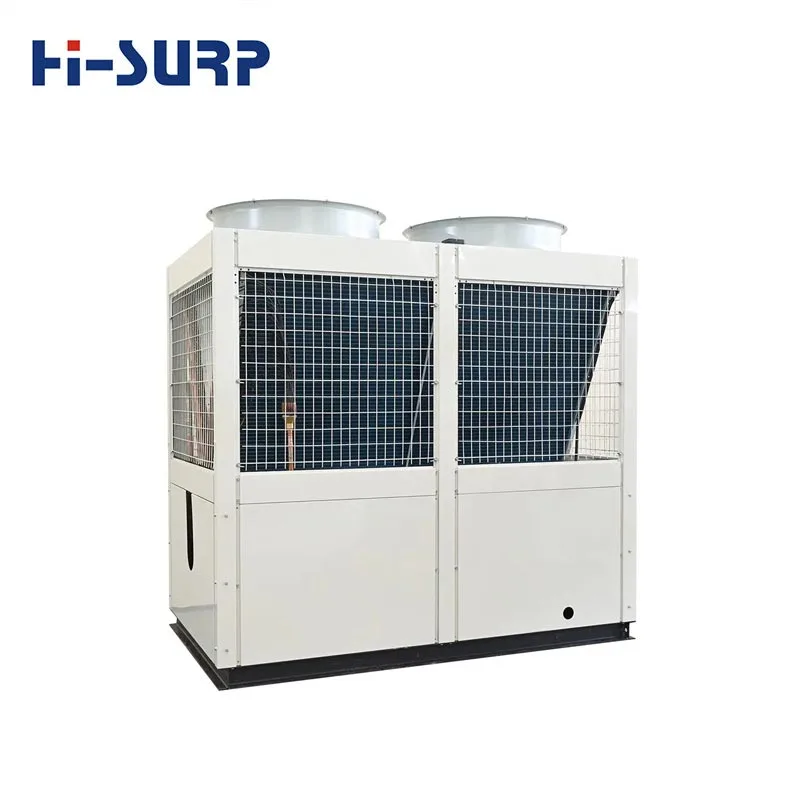
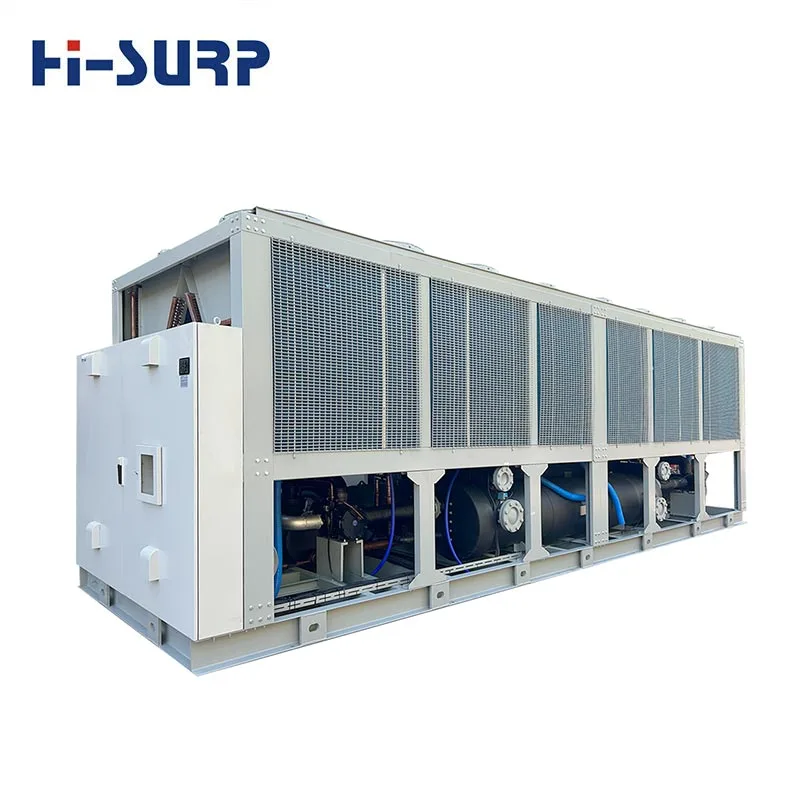
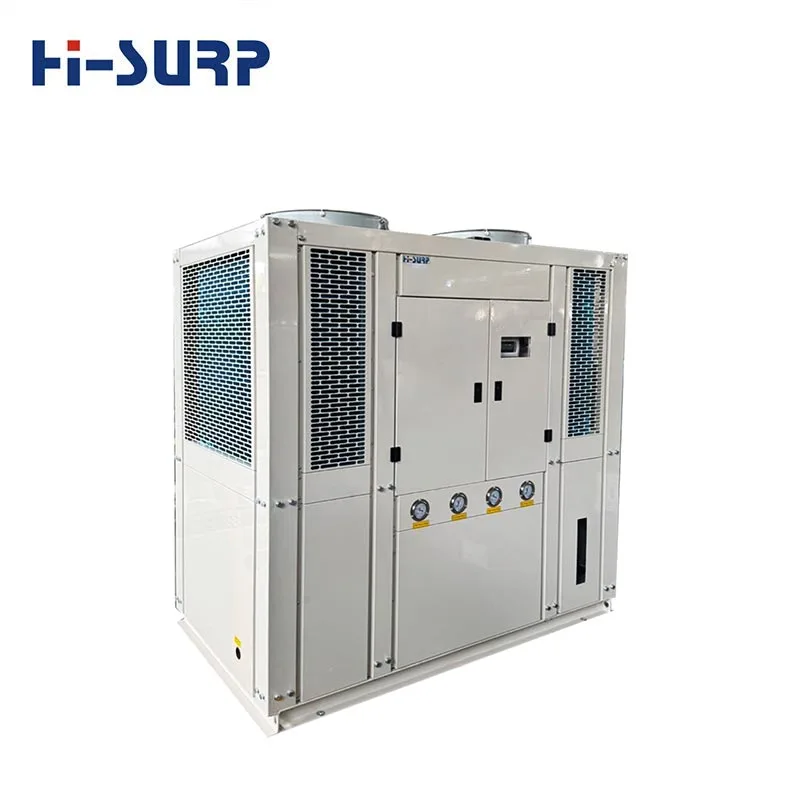
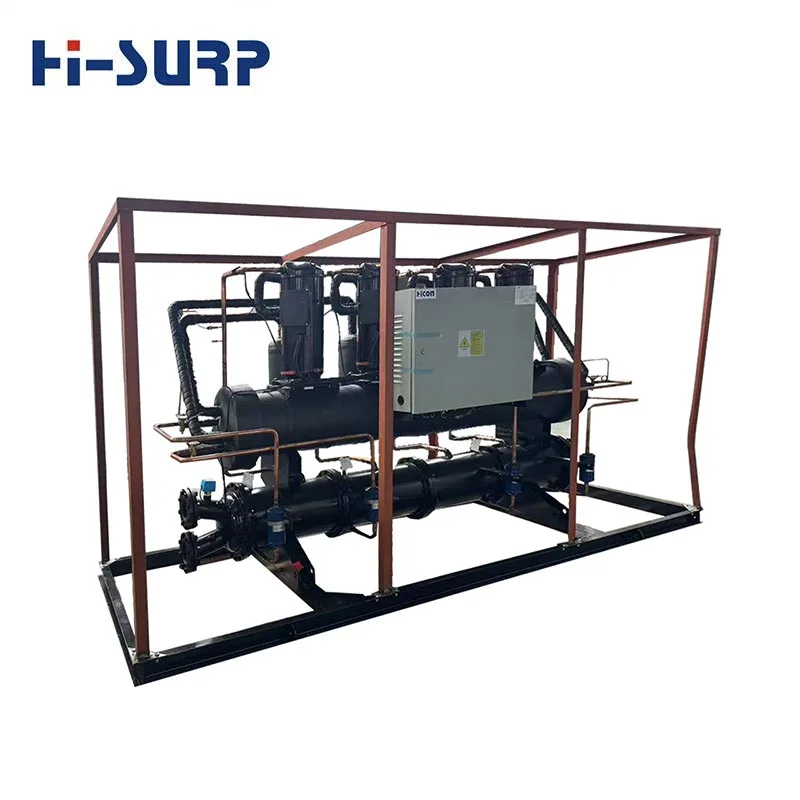
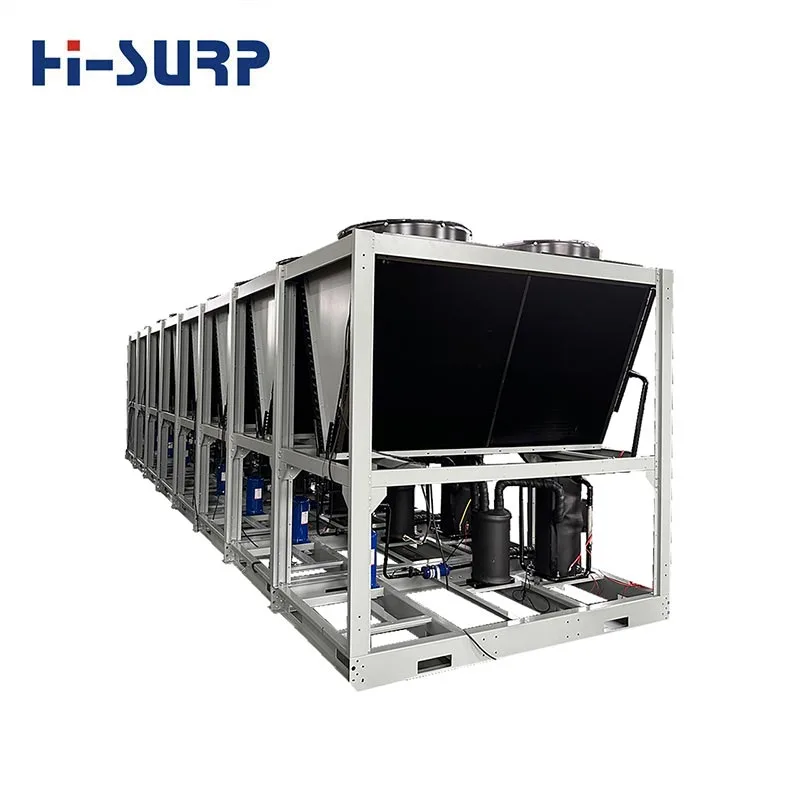
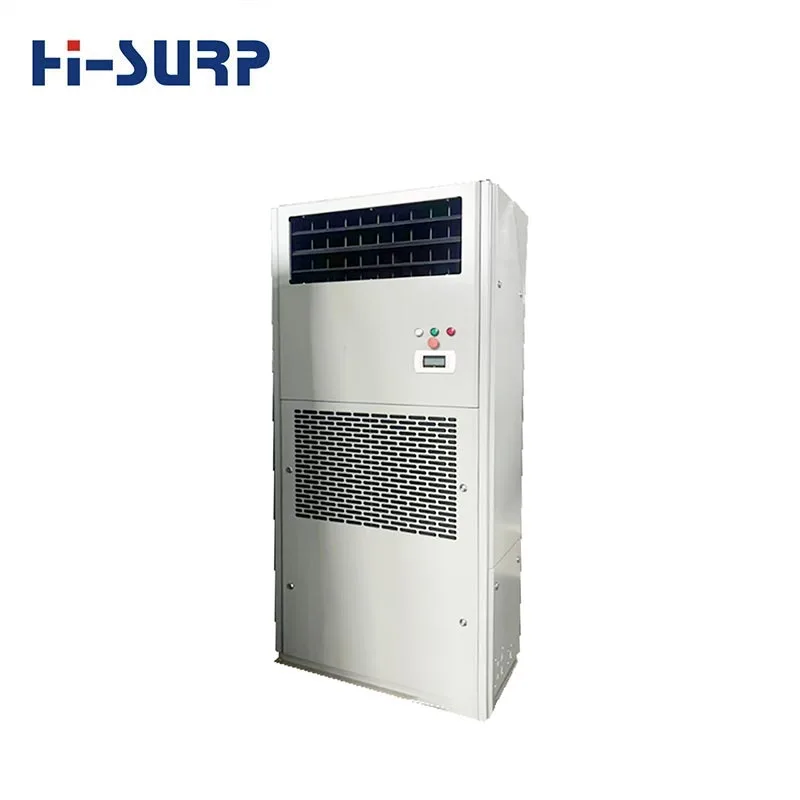
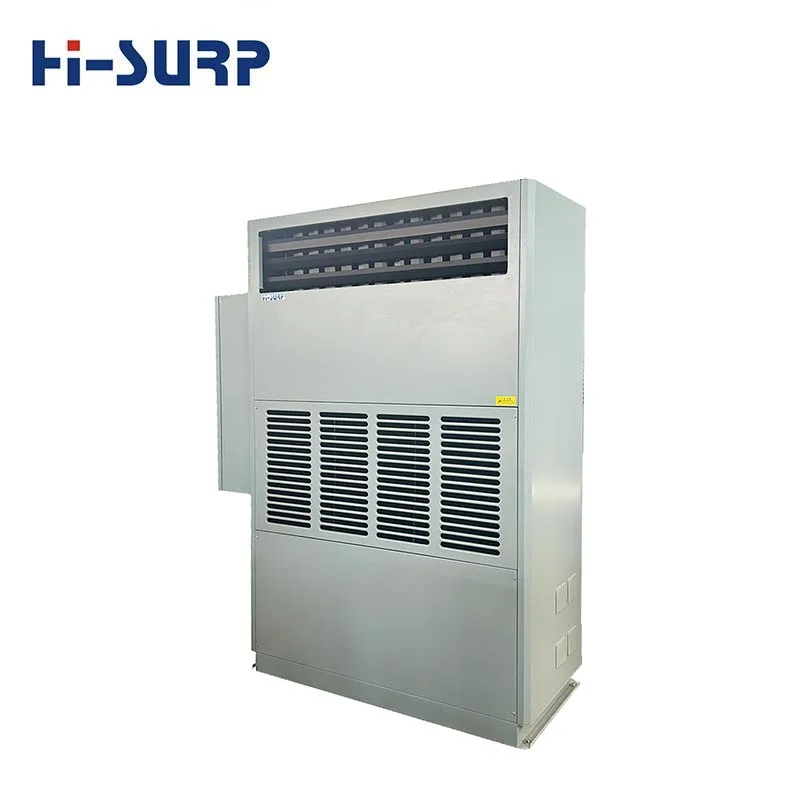
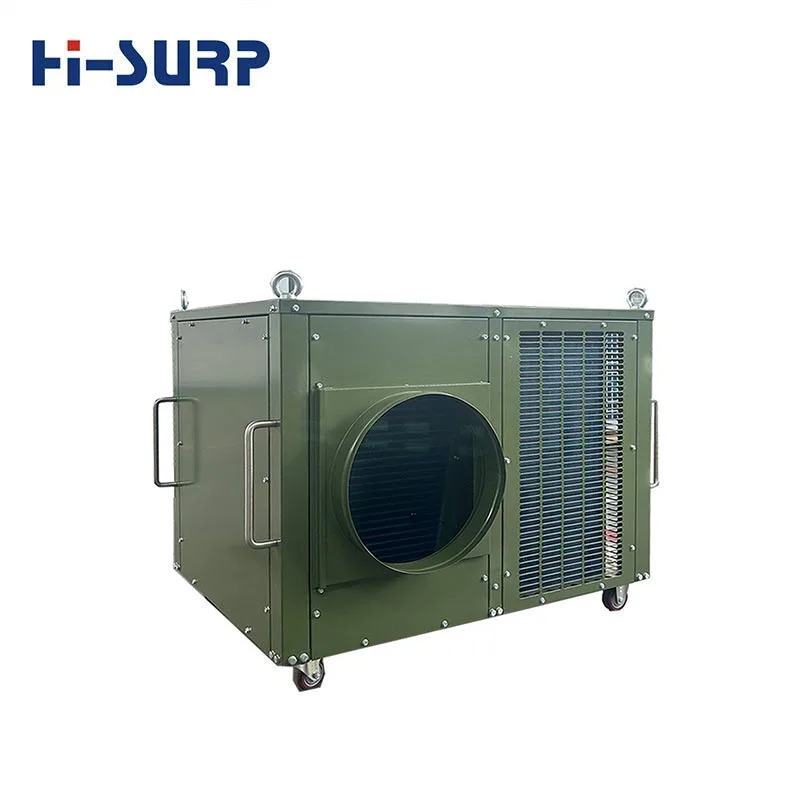
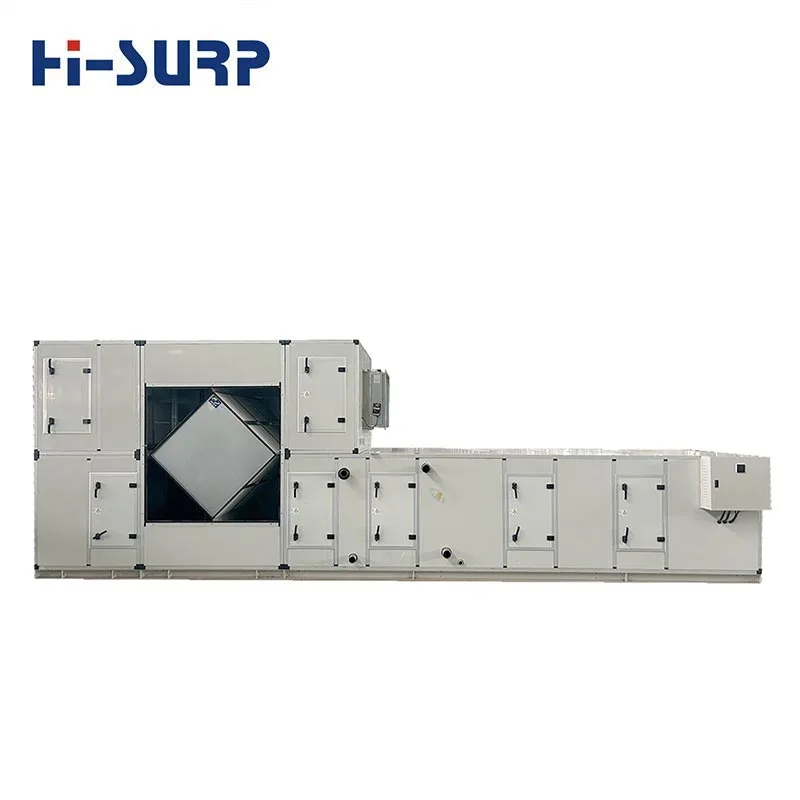
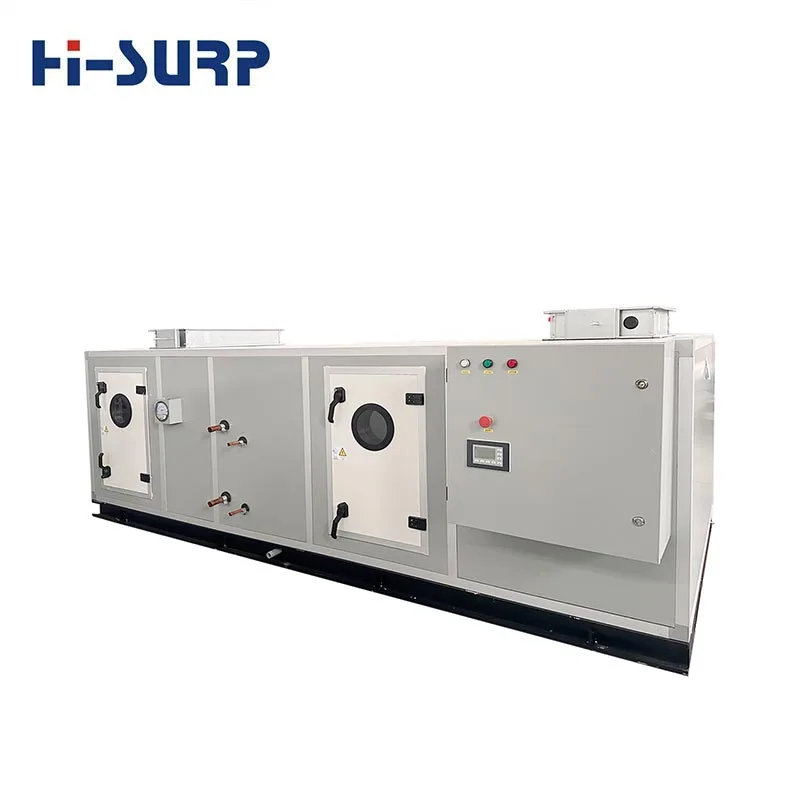
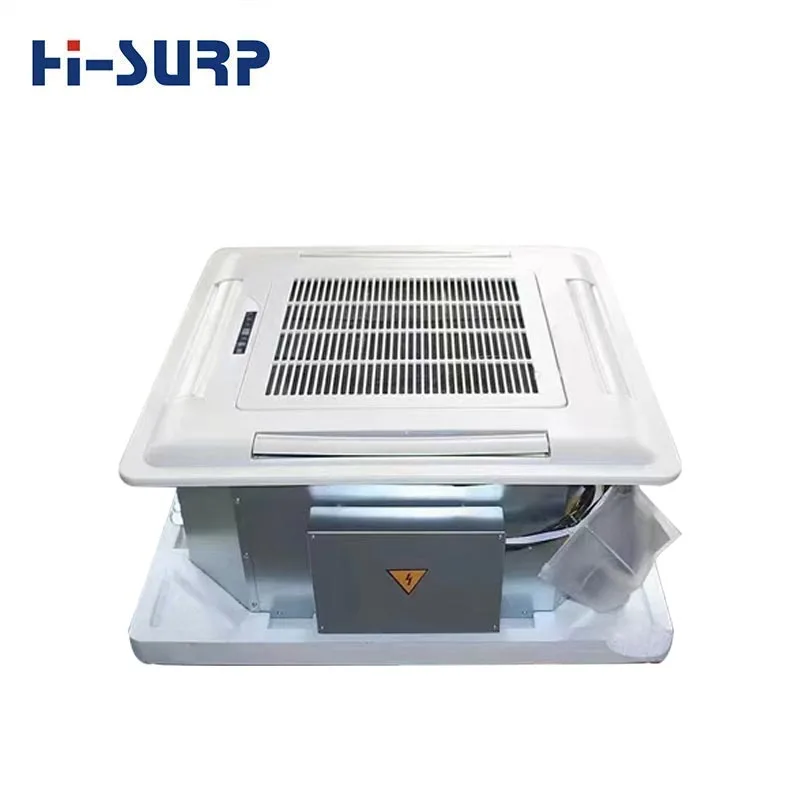
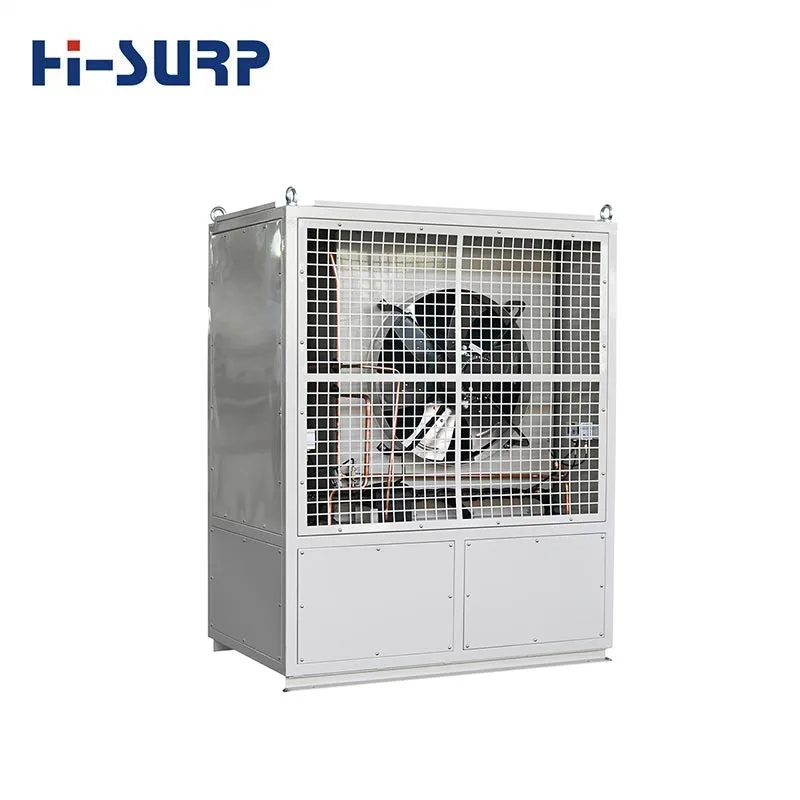
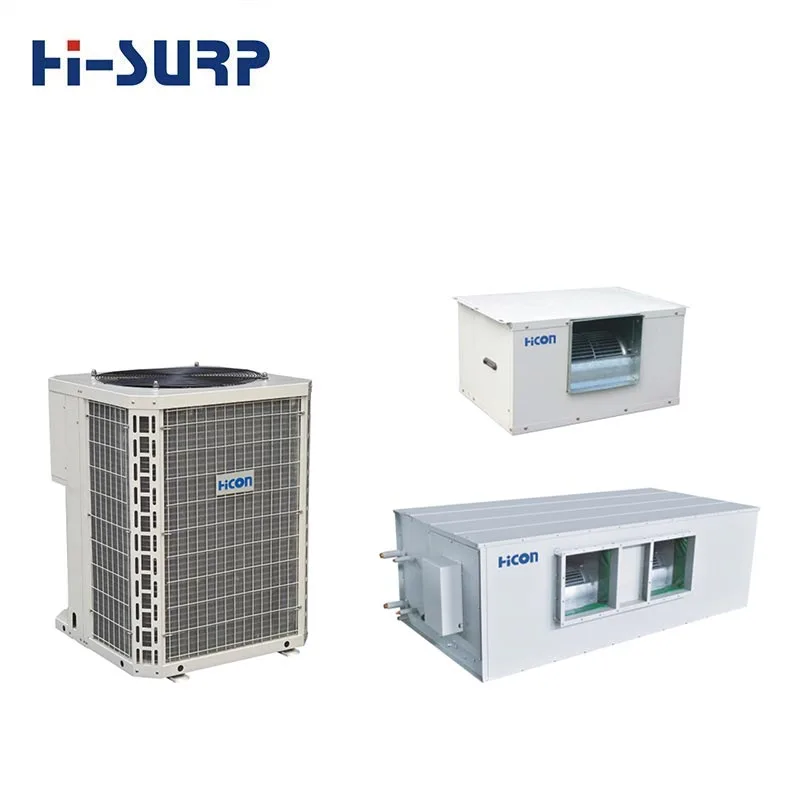
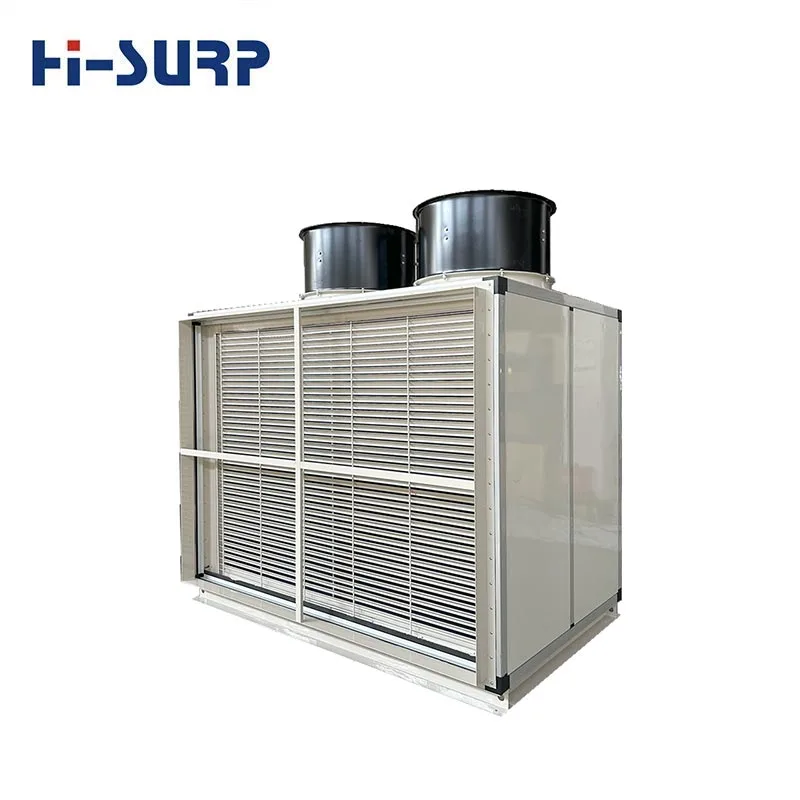

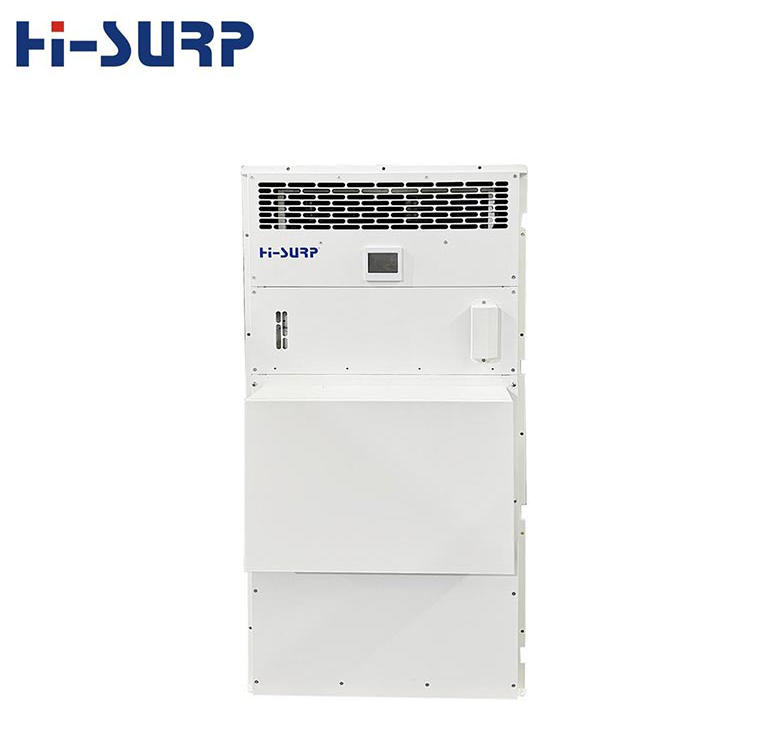
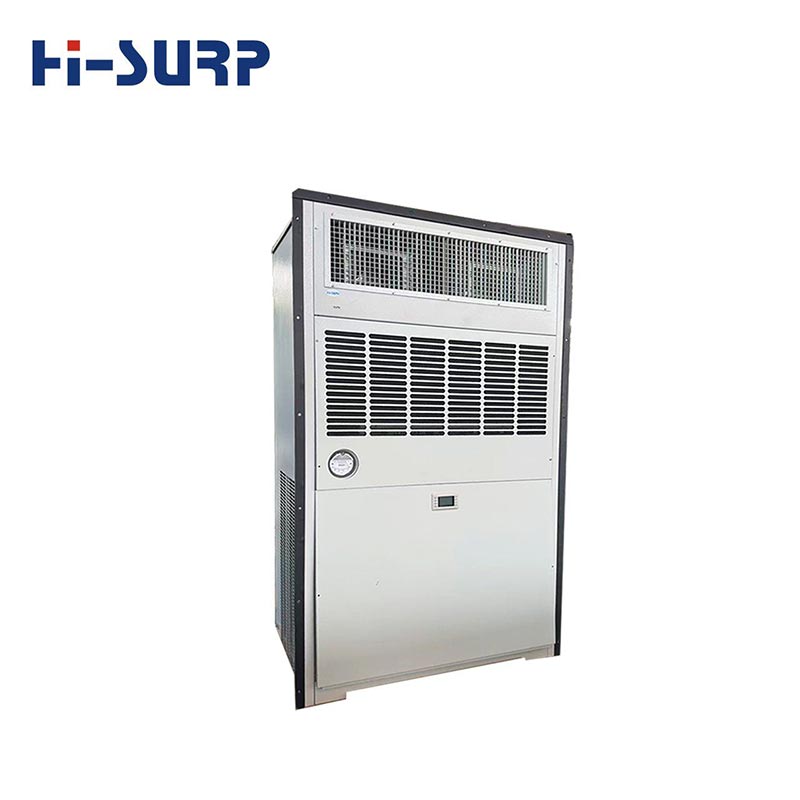
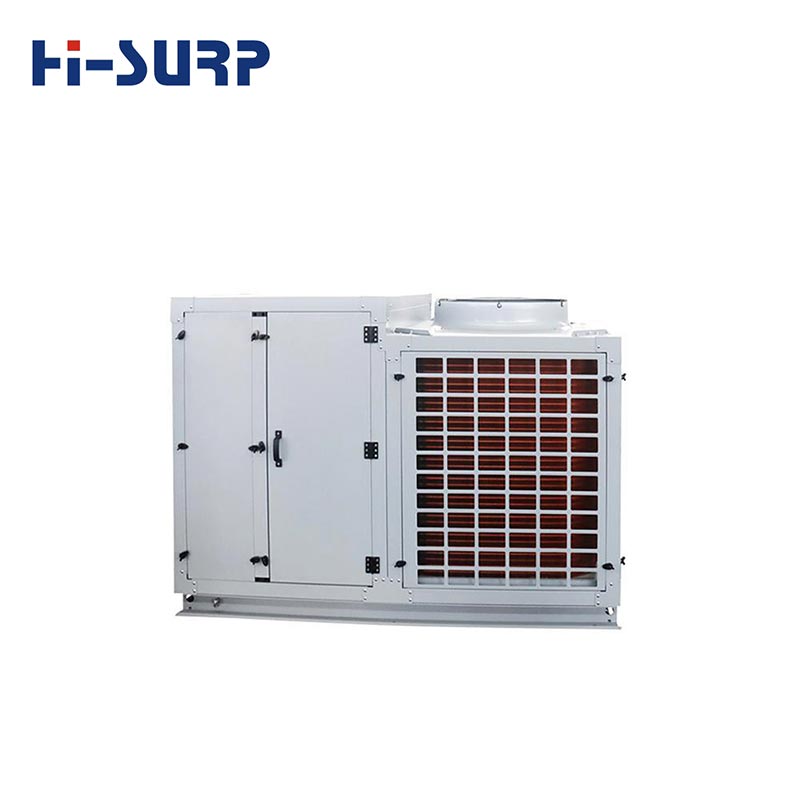

When commercial and industrial buildings need reliable year-round climate control without sacrificing valuable indoor space, a Rooftop Air Conditioner can provide an efficient solution. Hisurp, an experienced China rooftop air conditioner manufacturer, develops integrated units that combine cooling, heating, ventilation, filtration and intelligent control in one outdoor system. Designed for demanding building applications, these units can reduce energy consumption by 20%–30% while offering a service life of around 15 years.
A Rooftop Air Conditioner places the main HVAC equipment outside the occupied building area, helping organizations save indoor space while simplifying installation and maintenance. Modern rooftop systems can integrate multiple air-treatment functions, including cooling, heating, dehumidification, ventilation and filtration. Hisurp's rooftop solution is designed for commercial buildings, factories, warehouses, public facilities, residential projects and renovation applications. With integrated construction, intelligent control, weather-resistant materials and flexible modular options, rooftop HVAC technology can support both new construction and existing-building upgrades.
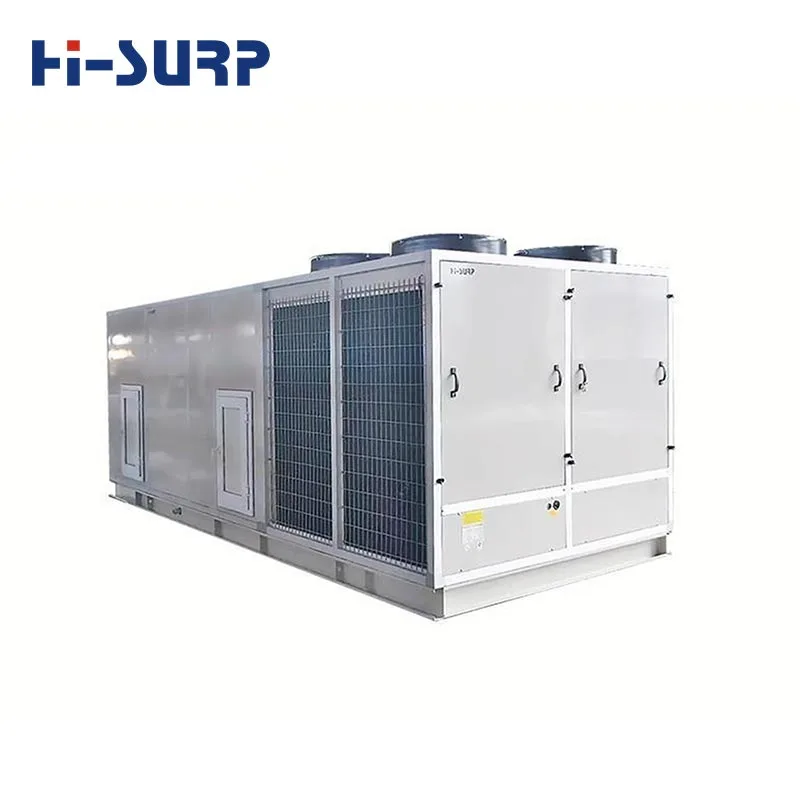
Table of Contents
- What Is a Rooftop Air Conditioner?
- Why Choose a Rooftop Air Conditioner?
- What Are the Key Features?
- Rooftop Air Conditioner Technical Overview
- Where Can Rooftop Air Conditioners Be Used?
- How Should Buyers Select the Right Rooftop AC?
- How Can Rooftop AC Performance Be Maintained?
- Why Consider Hisurp as a Rooftop AC Supplier?
- Frequently Asked Questions
- Conclusion
What Is a Rooftop Air Conditioner?
A Rooftop Air Conditioner is an integrated HVAC system installed on the roof of a building. Unlike traditional indoor split systems that distribute major components throughout a building, rooftop units place the primary equipment outdoors and connect it to the indoor air-distribution system.
This configuration is particularly valuable when indoor floor space is limited. The system can combine several functions within one packaged structure, reducing the need for separate equipment rooms and helping simplify project planning.
According to Hisurp's product information, its rooftop unit integrates cooling, heating, ventilation and filtration. The design also supports dehumidification, air supply and air purification, allowing one system to address multiple indoor environmental requirements.
Because the equipment is pre-assembled before delivery, installation can primarily involve positioning, fixing the unit and connecting the required pipelines and air ducts. This can help reduce on-site assembly work and shorten construction time.
Why Choose a Rooftop Air Conditioner?
For building owners, engineering contractors and HVAC procurement teams, choosing the right air-conditioning architecture is about more than cooling capacity. Installation complexity, available space, operating costs, maintenance access and long-term reliability all influence the total cost of ownership.
1. Better Use of Indoor Space
One of the most important advantages of rooftop installation is that the main equipment does not occupy valuable interior floor space. This is particularly useful in shopping centers, factories, warehouses, offices and public buildings where every square meter may have operational value.
2. Integrated HVAC Functions
A modern rooftop system can combine multiple functions into one package, including:
- Cooling
- Heating
- Ventilation
- Dehumidification
- Air filtration
- Air purification
- Fresh-air management
- Intelligent operating control
3. Simplified Installation
Factory pre-assembly means that many components are integrated before shipment. This can reduce complicated on-site assembly and make installation more predictable for contractors.
4. Energy-Conscious Operation
High-efficiency compressors, optimized heat-exchange structures and efficient fan systems can help reduce power consumption. Hisurp states that its Rooftop Air Conditioner can achieve approximately 20%–30% energy savings compared with conventional air-conditioning solutions under applicable operating conditions.
5. Outdoor Durability
Because rooftop equipment is exposed to sunlight, rain and changing weather conditions, the enclosure and core components need to be designed for outdoor operation. Weather-resistant materials and anti-corrosion design can contribute to longer service life and stable operation.
What Are the Key Features?
The performance of a rooftop HVAC system depends on more than its cooling capacity. A well-designed unit should balance installation efficiency, climate control accuracy, energy performance, durability and future expandability.
| Feature | Design Benefit | Typical Value or Capability |
|---|---|---|
| Integrated Structure | Reduces complicated on-site assembly | Pre-assembled packaged design |
| Temperature Control | Improves indoor comfort | Up to ±1°C control accuracy |
| Humidity Control | Supports better indoor environmental conditions | Up to ±5% humidity control accuracy |
| Energy Efficiency | Helps reduce operating expenses | Approximately 20%–30% energy reduction |
| Noise Control | Reduces outdoor noise disturbance | Below 65 dB according to product specifications |
| Service Life | Supports long-term commercial operation | Approximately 15 years |
| Climate Adaptability | Supports demanding outdoor conditions | Approximately -35°C to 46°C operating range |
| Modular Expansion | Allows future functional upgrades | Fresh air, sterilization and energy recovery options |
These specifications should always be evaluated against the actual project conditions, including building size, climate, heat load, ventilation requirements and local installation standards.
Rooftop Air Conditioner Technical Overview
For professional HVAC procurement, the technical configuration should be evaluated as a complete system rather than through a single performance parameter.
Integrated HVAC Architecture
The packaged structure brings key HVAC components together in one outdoor enclosure. This approach can reduce equipment-room requirements and simplify coordination between different systems during construction.
Intelligent Control
Intelligent control can adjust system operation according to environmental conditions. Hisurp's rooftop solution supports manual, automatic and remote operation, providing building operators with greater flexibility in daily management.
Precise Environmental Management
For buildings with strict comfort requirements, temperature and humidity stability can be important. The system is designed to support temperature control accuracy of approximately ±1°C and humidity control accuracy of approximately ±5% under suitable operating conditions.
Low-Noise Design
Rooftop equipment is installed close to the exterior environment, so noise management is an important consideration. A combination of fan selection, vibration reduction and structural noise-control measures can help limit operating noise.
Flexible Configuration
Different projects have different ventilation and air-treatment requirements. Modular options can make it possible to expand functions without completely replacing the primary unit. Depending on the configuration, options can include fresh-air modules, sterilization functions and energy-recovery modules.
Where Can Rooftop Air Conditioners Be Used?
The flexibility of rooftop HVAC equipment makes it suitable for a broad range of building types.
Commercial Buildings
Shopping malls, supermarkets, office buildings, hotels, exhibition centers and similar commercial properties can benefit from centralized rooftop climate control. The outdoor installation also helps preserve interior space for retail, office or hospitality functions.
Industrial Buildings
Factories, workshops, warehouses and industrial parks often require reliable climate control over large spaces. Rooftop systems can provide an integrated approach while keeping major HVAC components outside production areas.
Public Buildings
Schools, hospitals, libraries, gymnasiums, airports, stations and government facilities may require dependable cooling and ventilation. A packaged rooftop solution can simplify centralized HVAC planning in these environments.
Residential and Civil Buildings
High-rise residential projects, apartment buildings, villas and large community facilities may use rooftop HVAC solutions when centralized air conditioning is required but indoor equipment space is limited.
Building Renovation Projects
Rooftop systems can also be considered for renovation projects involving older shopping malls, factories, offices and residential communities. Their integrated architecture can help contractors modernize HVAC capacity without creating extensive new indoor equipment rooms.
How Should Buyers Select the Right Rooftop AC?
Selecting a commercial rooftop HVAC system requires a project-specific assessment. Procurement teams should consider the following factors before placing an order.
- Calculate the required cooling and heating load. Building size, insulation, occupancy, equipment heat and local climate all affect capacity requirements.
- Evaluate rooftop structural capacity. The supporting structure must safely accommodate the unit, brackets and installation loads.
- Consider the local climate. Temperature range, humidity, rain, snow, wind and corrosive environments can influence the required configuration.
- Check ventilation requirements. Buildings with high fresh-air demand may need additional ventilation or energy-recovery functions.
- Review energy performance. Compressor efficiency, fan efficiency, heat-exchange performance and intelligent control can affect long-term operating costs.
- Assess maintenance access. Technicians should have sufficient access to filters, fans, compressors, electrical components and heat exchangers.
- Confirm certifications and market requirements. International projects may require specific certifications, electrical standards and refrigerant requirements.
- Evaluate customization capability. A reliable manufacturer should be able to adapt dimensions, functions and configurations to project requirements.
Hisurp's product information indicates that rooftop units can be customized for different project needs and are available for bulk procurement. The manufacturer also highlights CE certification and international market applications.
How Can Rooftop AC Performance Be Maintained?
Even a high-quality rooftop system requires preventive maintenance. Regular servicing can help preserve energy efficiency, reduce unexpected downtime and extend component life.
A practical maintenance program should include:
- Cleaning or replacing air filters.
- Inspecting refrigerant conditions.
- Checking electrical connections and control components.
- Inspecting fans, motors and vibration-control components.
- Cleaning heat-exchanger surfaces when necessary.
- Checking condensate drainage.
- Inspecting the outdoor enclosure for corrosion or damage.
- Testing cooling, heating and ventilation performance.
Hisurp recommends regular maintenance twice a year, with particular attention to filter cleaning, refrigerant checks and operational performance testing. For systems operating in dusty, humid, coastal or corrosive environments, more frequent inspection may be appropriate.
Why Consider Hisurp as a Rooftop AC Supplier?
For international buyers, the supplier's manufacturing capability can be just as important as the product itself. A suitable supplier should provide stable production, quality control, customization, technical support and after-sales service.
Hisurp positions its Rooftop Air Conditioner as a factory-manufactured HVAC solution for commercial, industrial, public and civil applications. The product integrates multiple climate-control functions and is designed for outdoor installation. The company states that its products undergo factory testing before shipment and that customized solutions are available for different project requirements.
For buyers evaluating a China rooftop air conditioner manufacturer, several points are particularly relevant:
- Integrated manufacturing approach: The packaged unit is pre-assembled before shipment.
- International certification: The rooftop solution is offered with CE certification.
- Customization: Configuration can be adapted to project-specific requirements.
- Bulk procurement: The manufacturer supports wholesale and project-based orders.
- After-sales support: Technical installation guidance and after-sales assistance are available.
- Long-term operation: The product is designed around durable components and weather-resistant construction.
For buyers comparing different rooftop HVAC solutions, it is useful to compare not only the initial purchase price but also installation cost, energy consumption, maintenance requirements, expected service life and supplier support.
Frequently Asked Questions About Rooftop Air Conditioner
Can a Rooftop Air Conditioner operate in extreme temperatures?
According to Hisurp's published product information, the unit can operate in an approximate ambient temperature range of -35°C to 46°C. The actual operating range should be confirmed according to the selected configuration and project environment.
Can a Rooftop Air Conditioner be installed on any roof?
It can be installed on many types of building roofs, but structural assessment is essential. Hisurp specifies that the rooftop supporting structure should have sufficient bearing capacity, with the bracket capacity recommended at no less than 1.5 times the unit weight. Published unit weights range from approximately 200 kg to 4,800 kg depending on configuration.
Is rooftop AC installation complicated?
The integrated design helps simplify installation because many components are pre-assembled at the factory. Hisurp states that installation can typically be completed within 1–3 days depending on the number of units and project conditions.
How often should rooftop air conditioning equipment be maintained?
Regular maintenance is recommended twice a year under normal conditions. Maintenance should include filter cleaning, refrigerant inspection and operational performance testing. More frequent service may be required in harsh environments.
How long can a Rooftop Air Conditioner last?
Hisurp states that its rooftop air-conditioning solution is designed for approximately 15 years of service life, supported by quality core components and an anti-corrosion outdoor enclosure.
Can rooftop air-conditioning systems be customized?
Yes. Depending on the project, customization can include system configuration, functional modules, dimensions, control requirements and environmental adaptations. Buyers should provide detailed building and operating information when requesting a technical proposal.
Conclusion
A Rooftop Air Conditioner can offer a practical combination of space efficiency, integrated climate control, simplified installation, energy-conscious operation and long-term outdoor durability. For commercial buildings, industrial facilities, public projects and renovation applications, the technology provides an effective alternative to conventional HVAC arrangements. Hisurp's integrated rooftop solution further combines cooling, heating, ventilation, filtration and intelligent control, while supporting customization for different project requirements. If you are planning a new HVAC project, replacing outdated equipment or looking for a reliable China rooftop air conditioner manufacturer for bulk procurement, explore Hisurp's Rooftop Air Conditioner solution and contact us for technical consultation, customized specifications and a professional quotation.