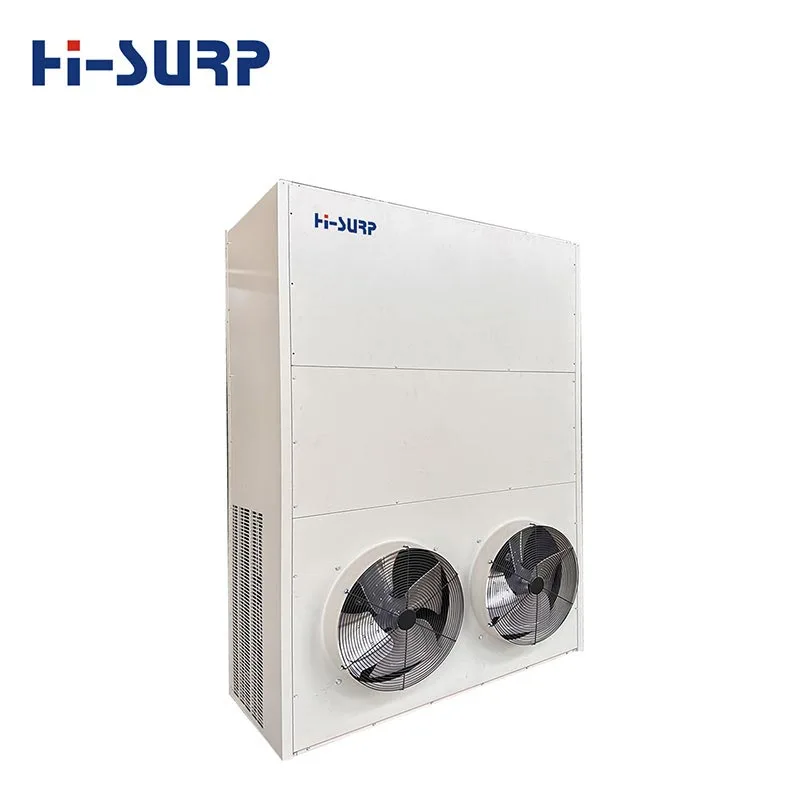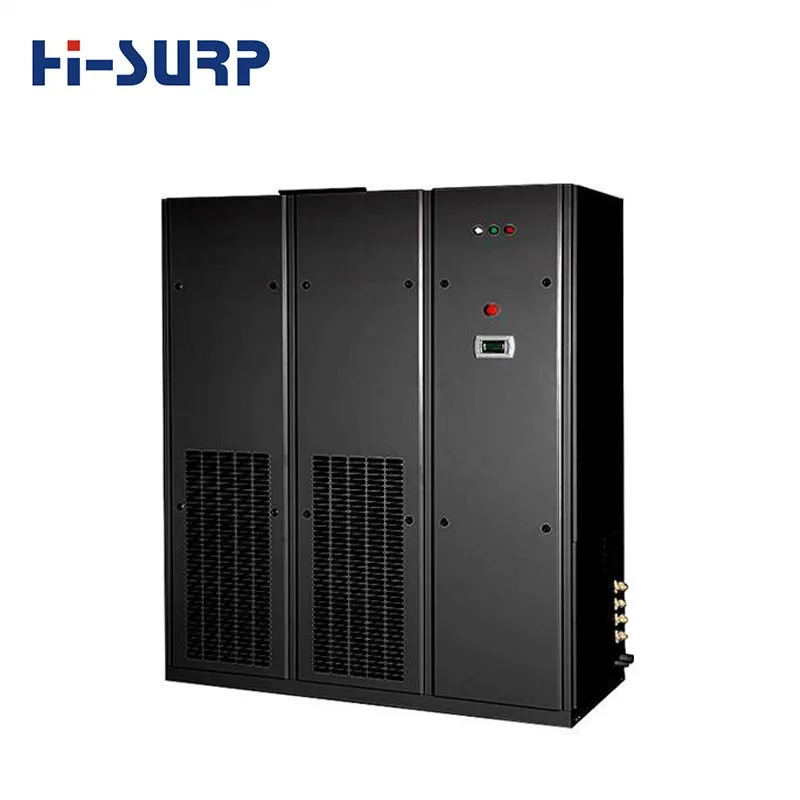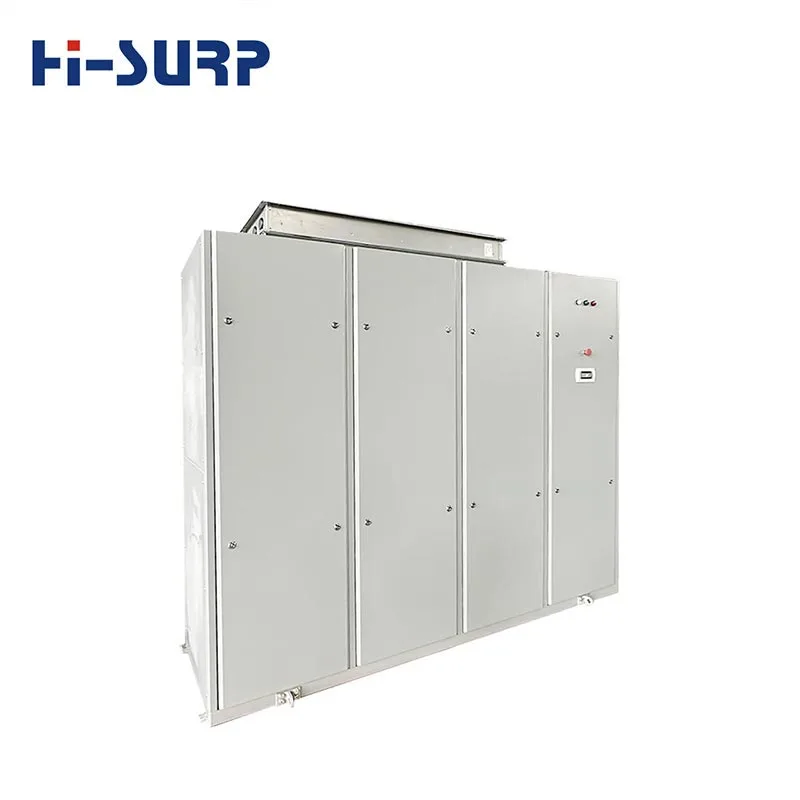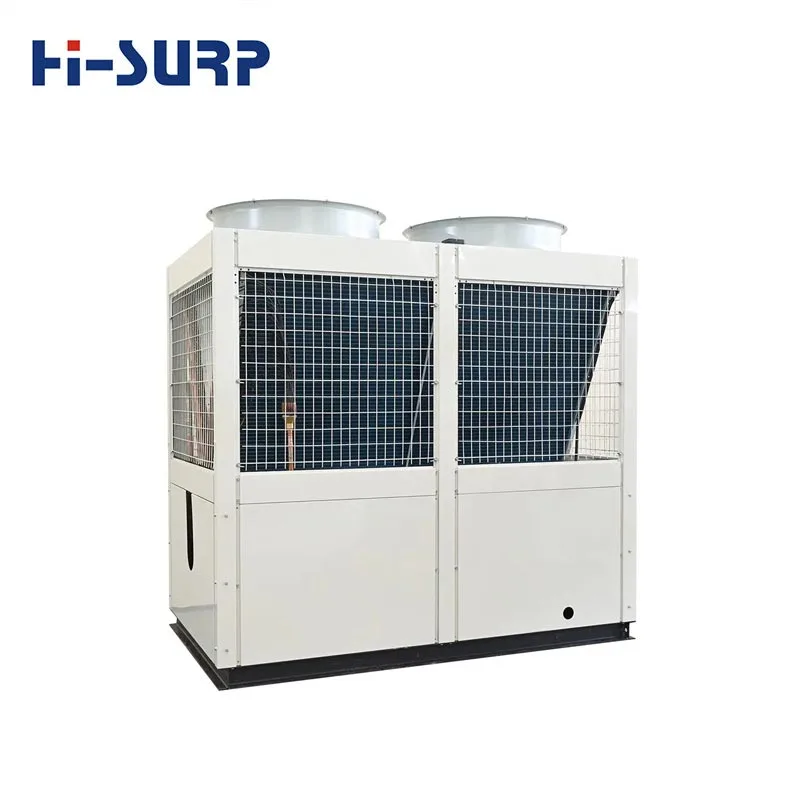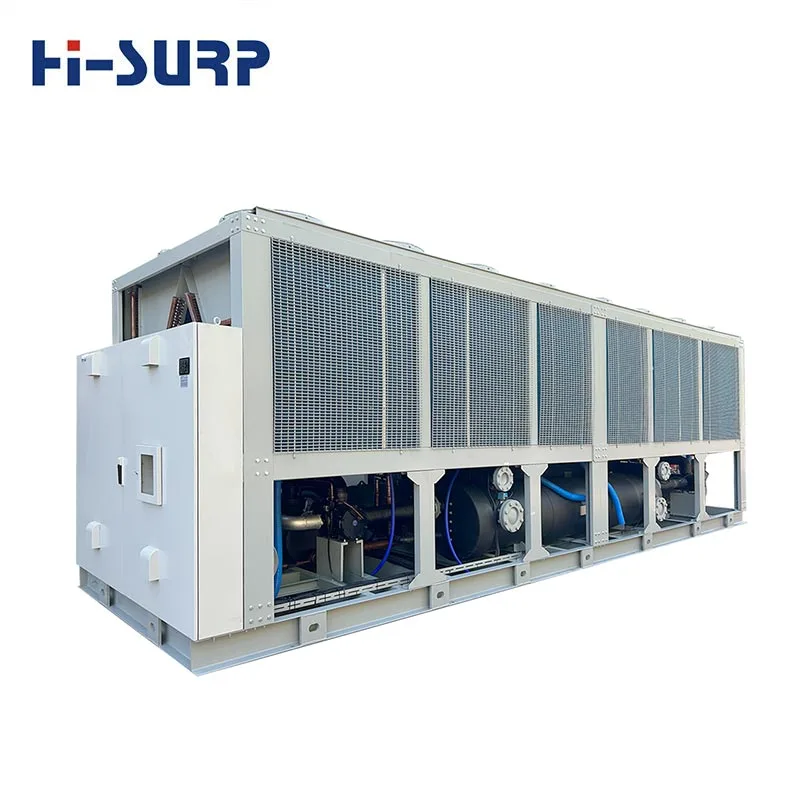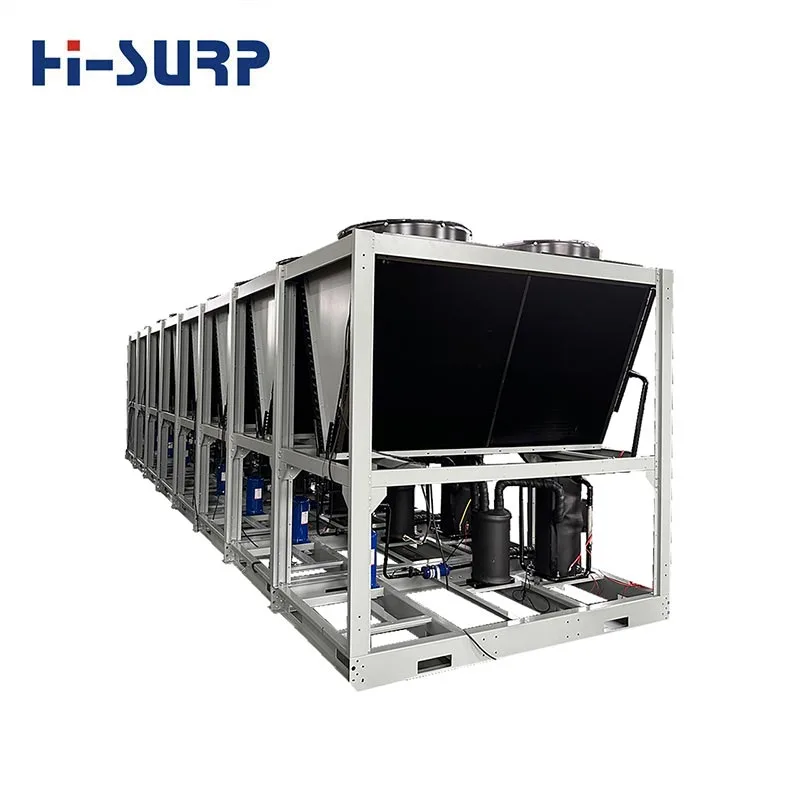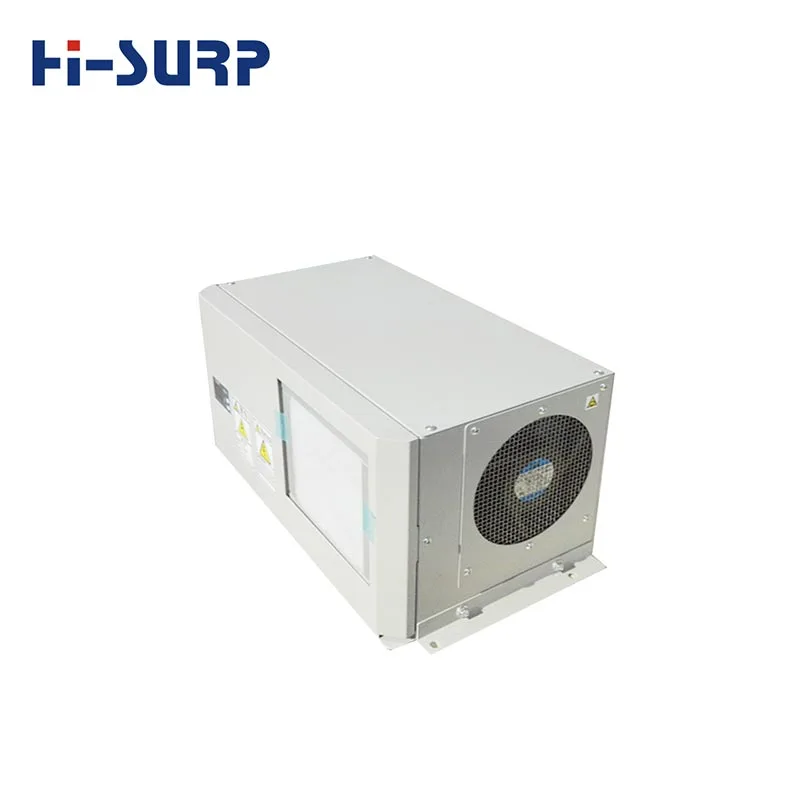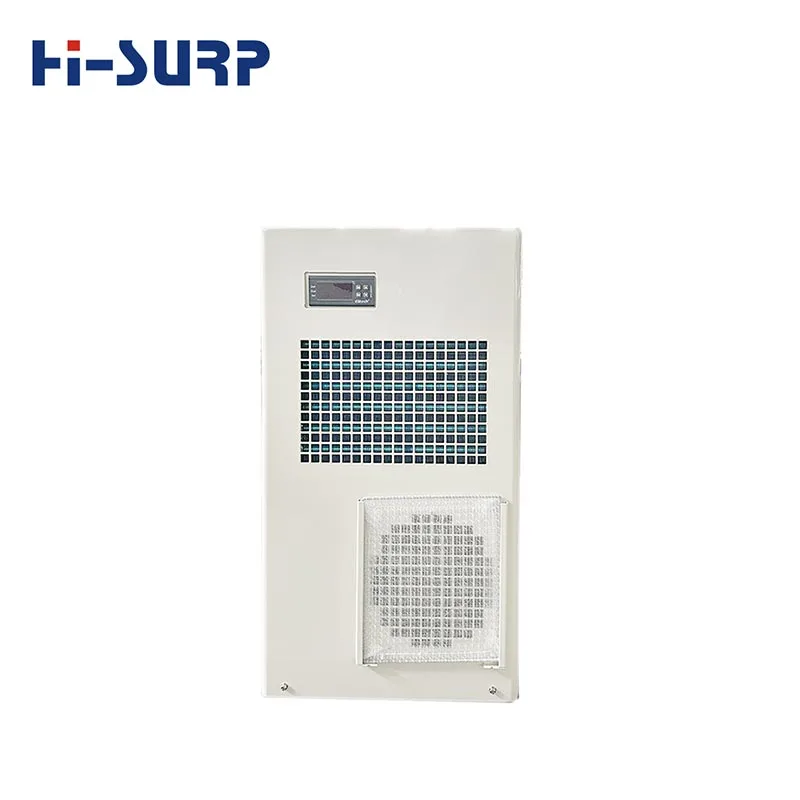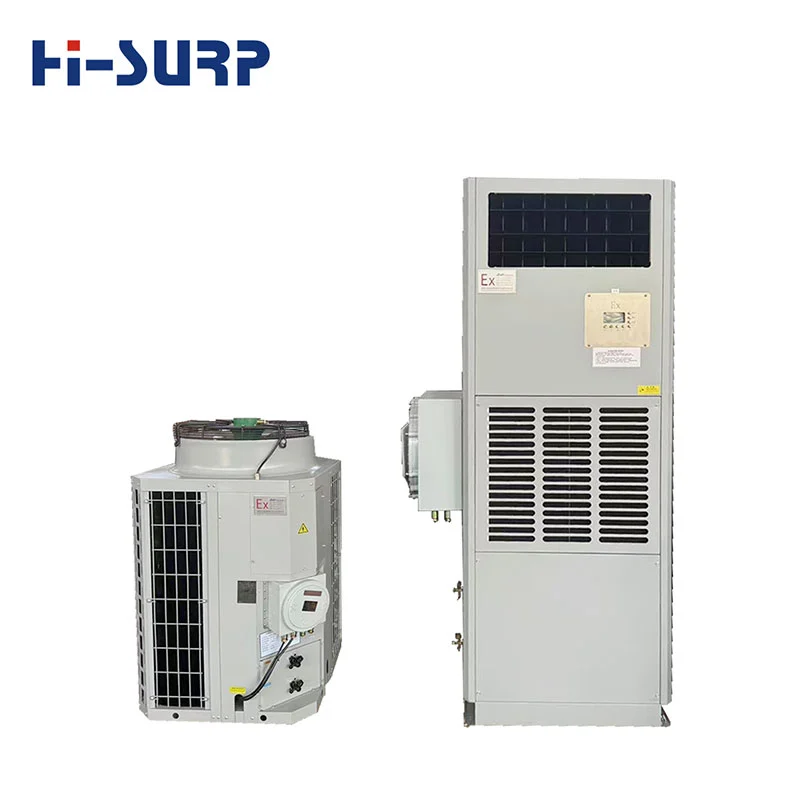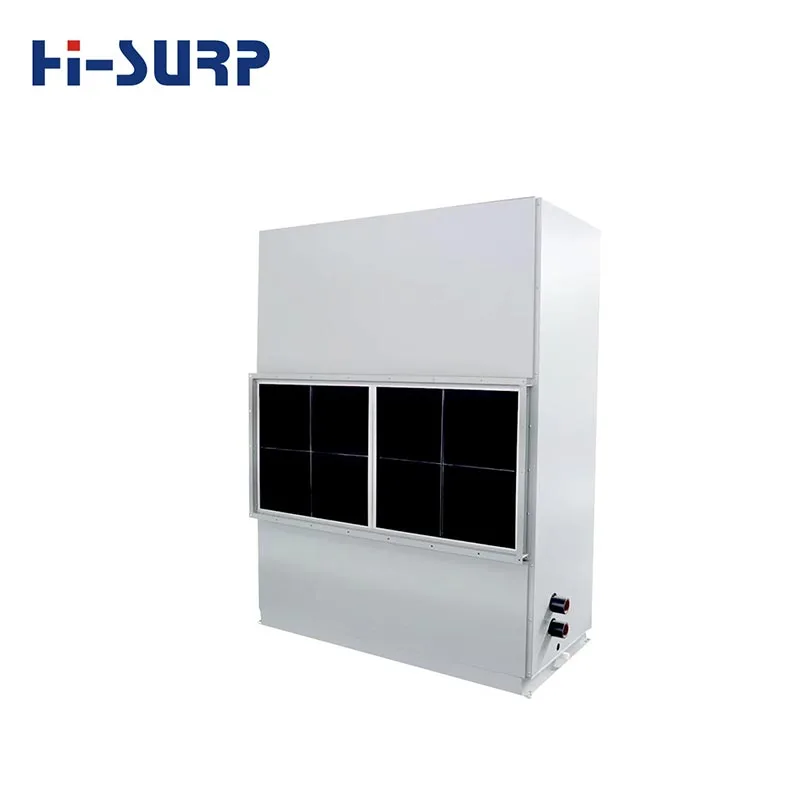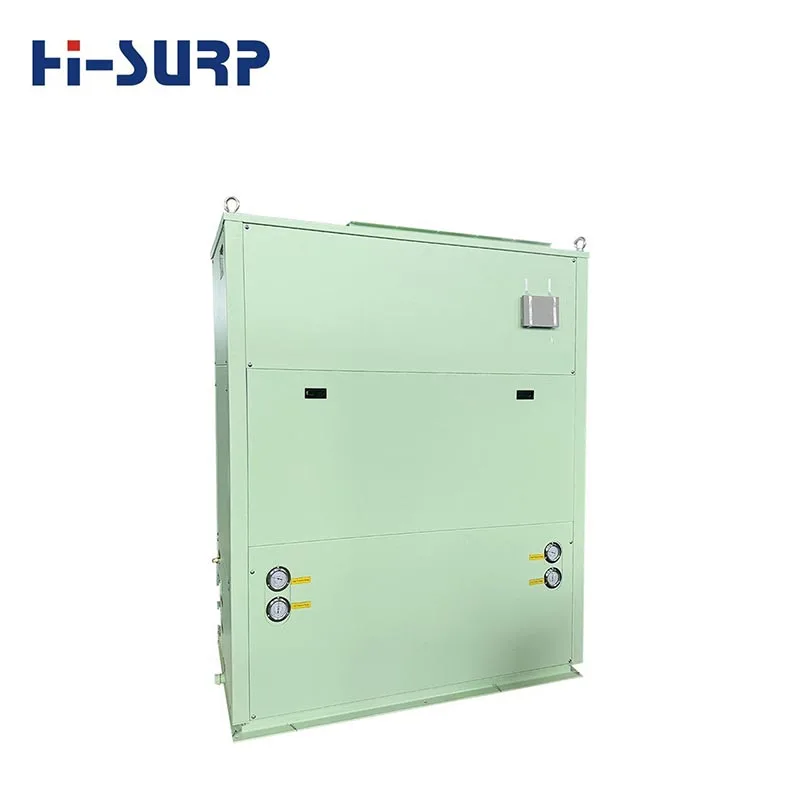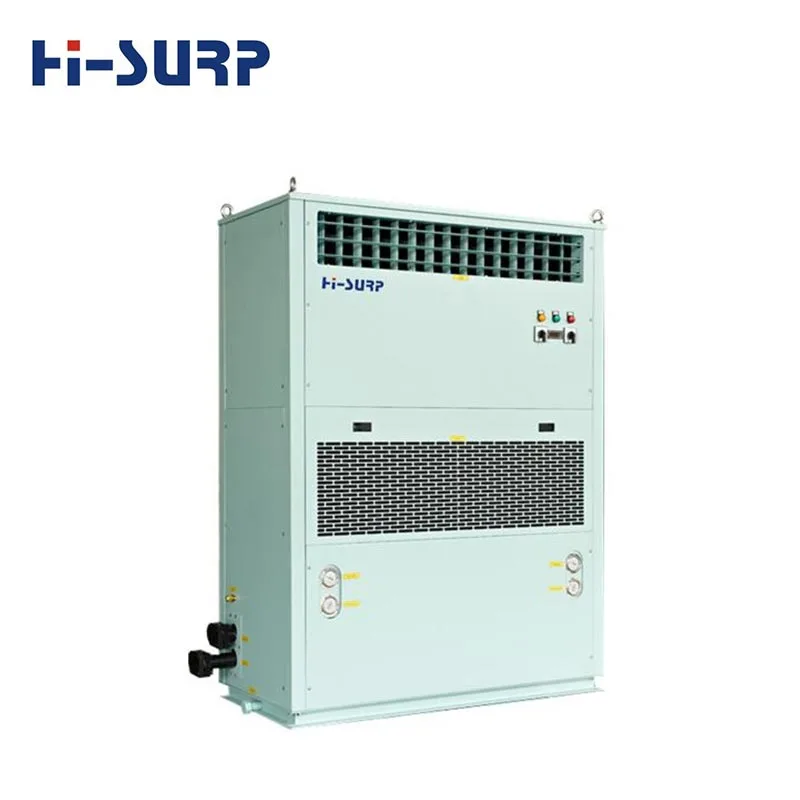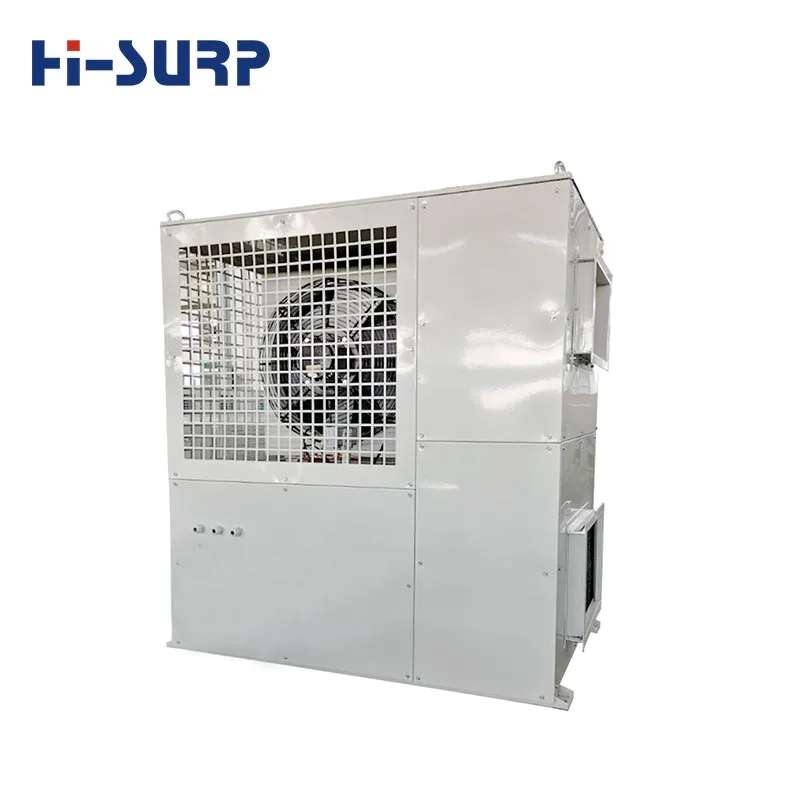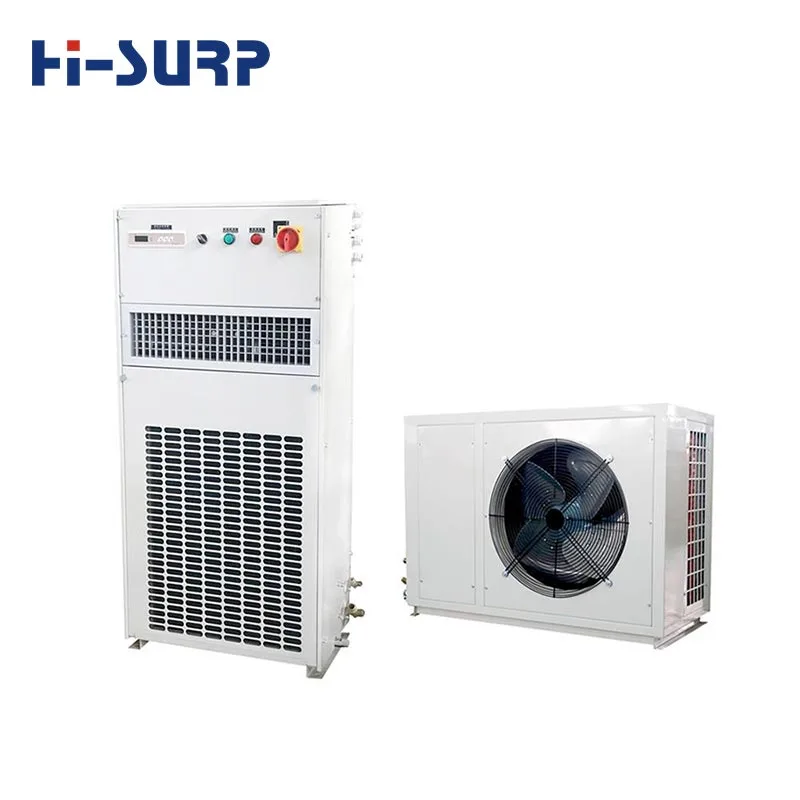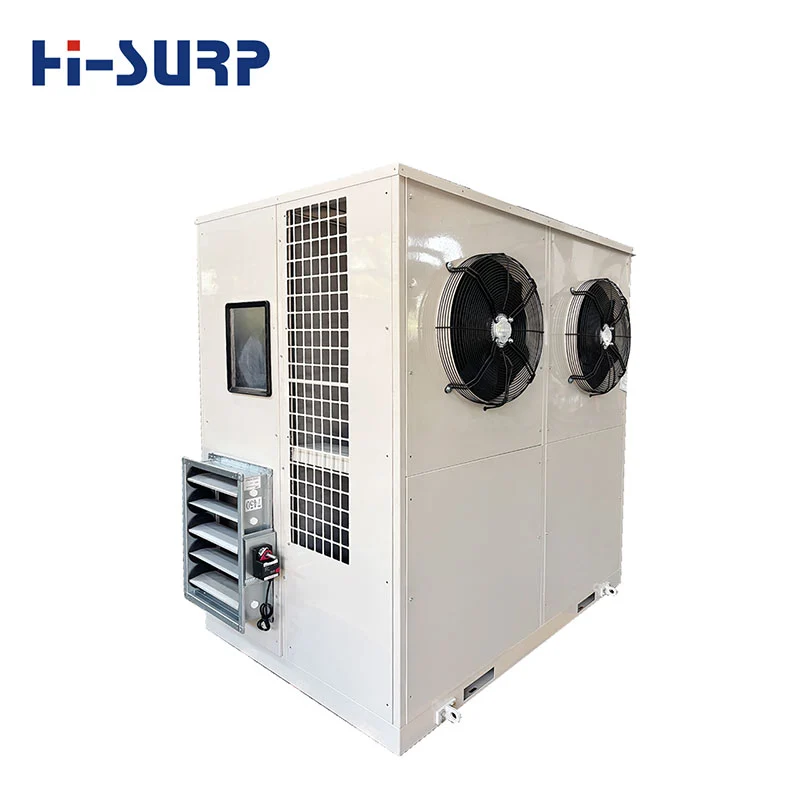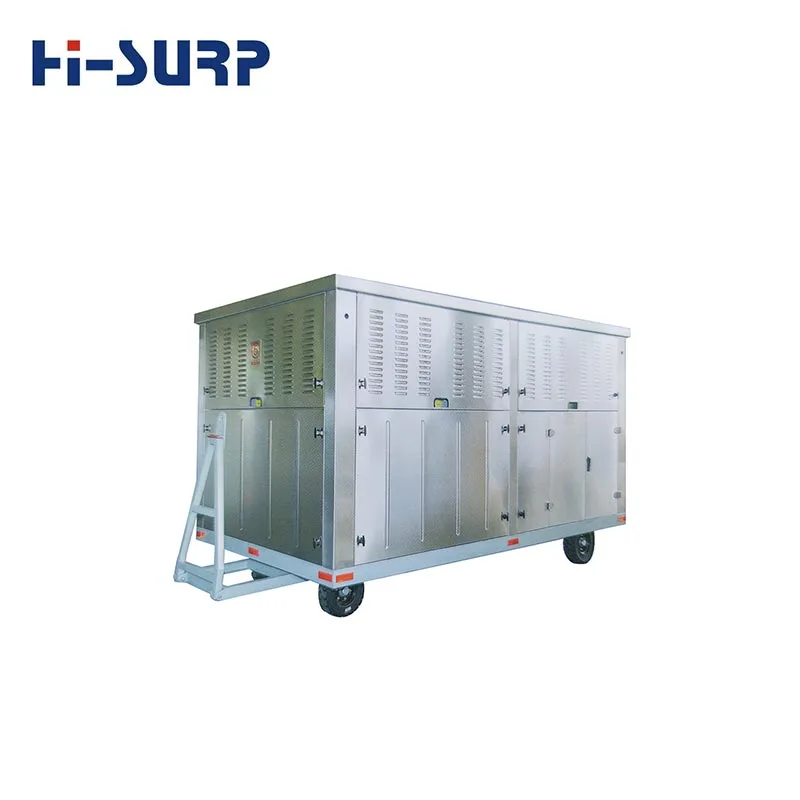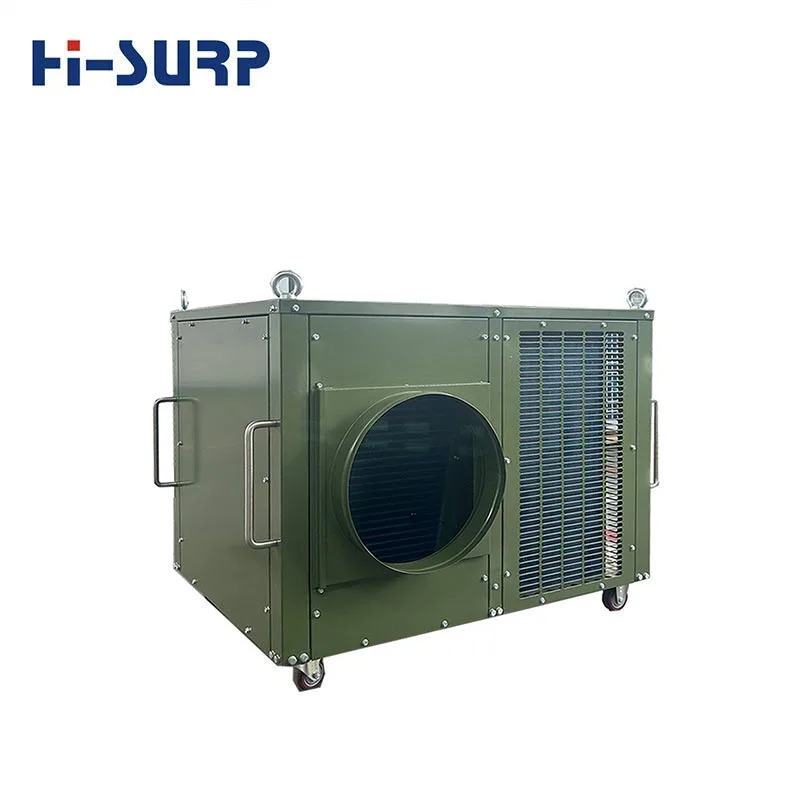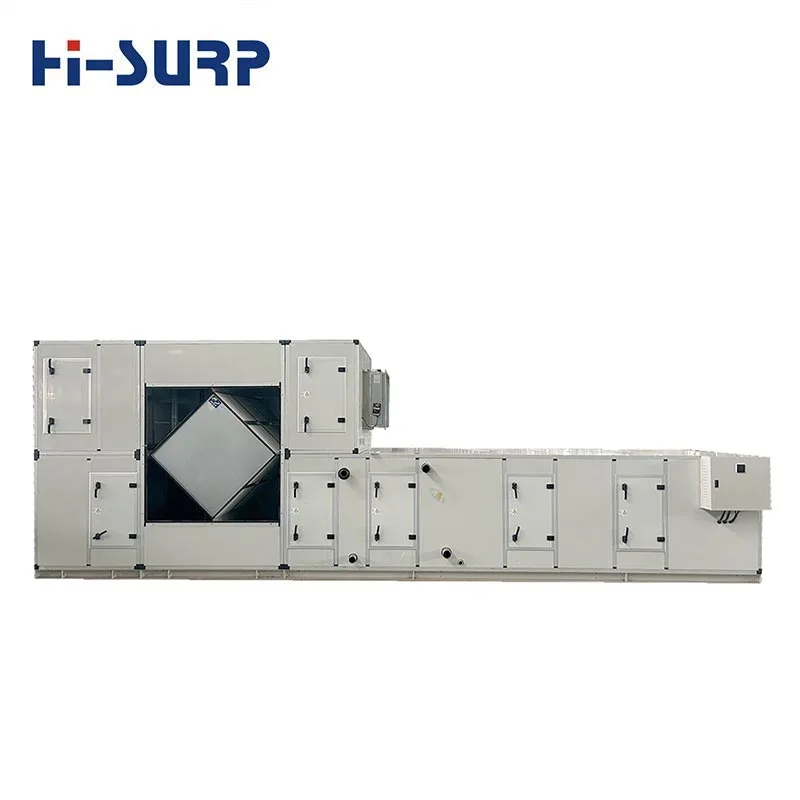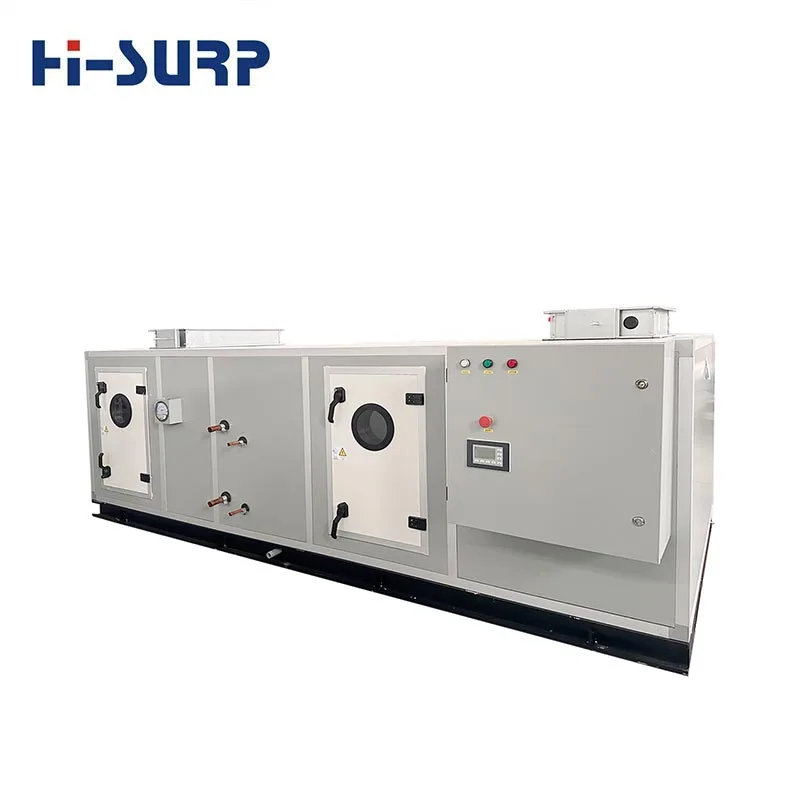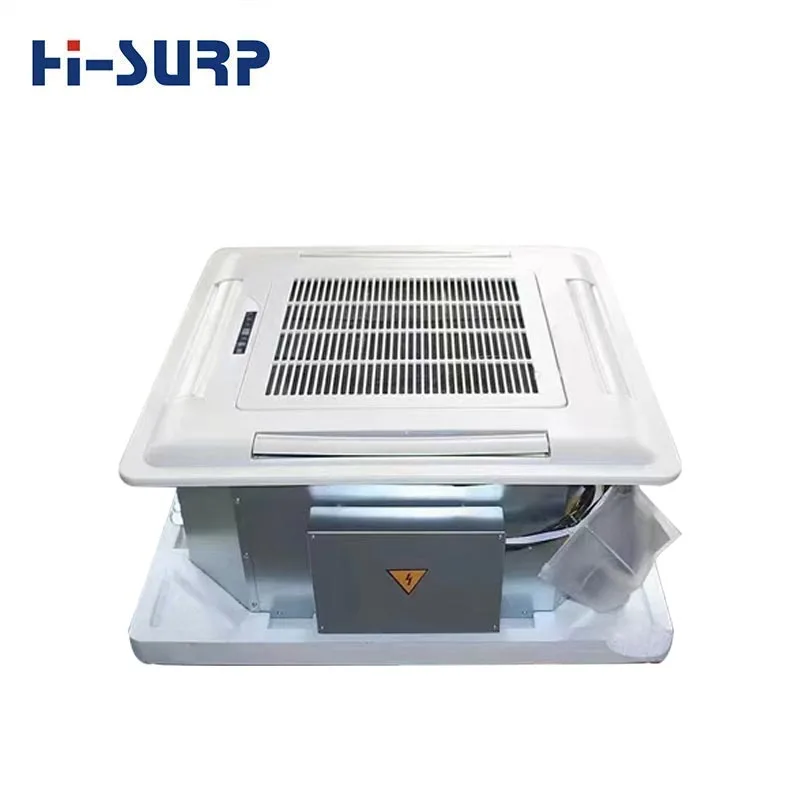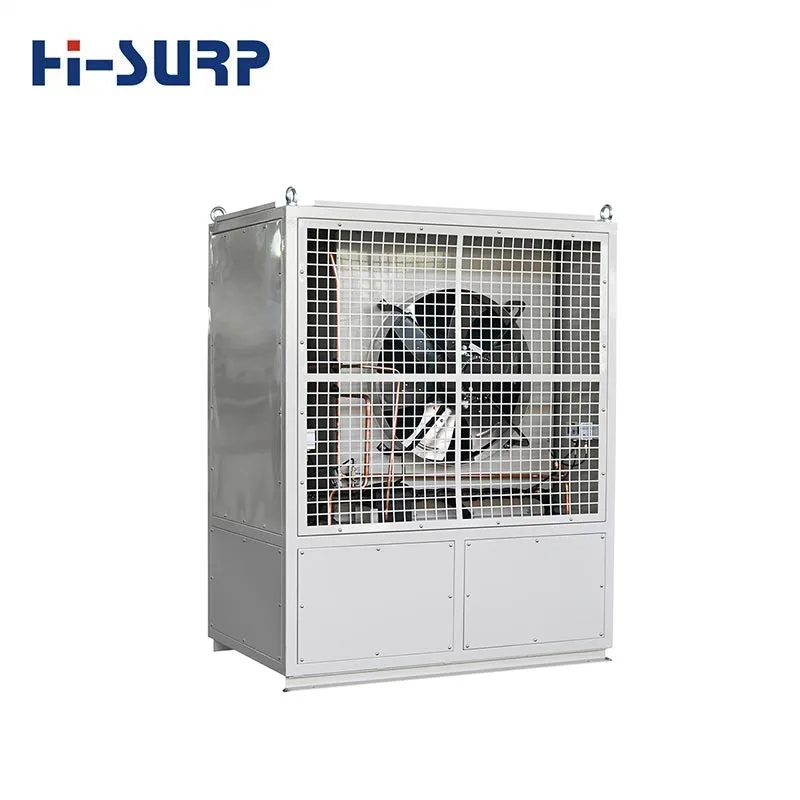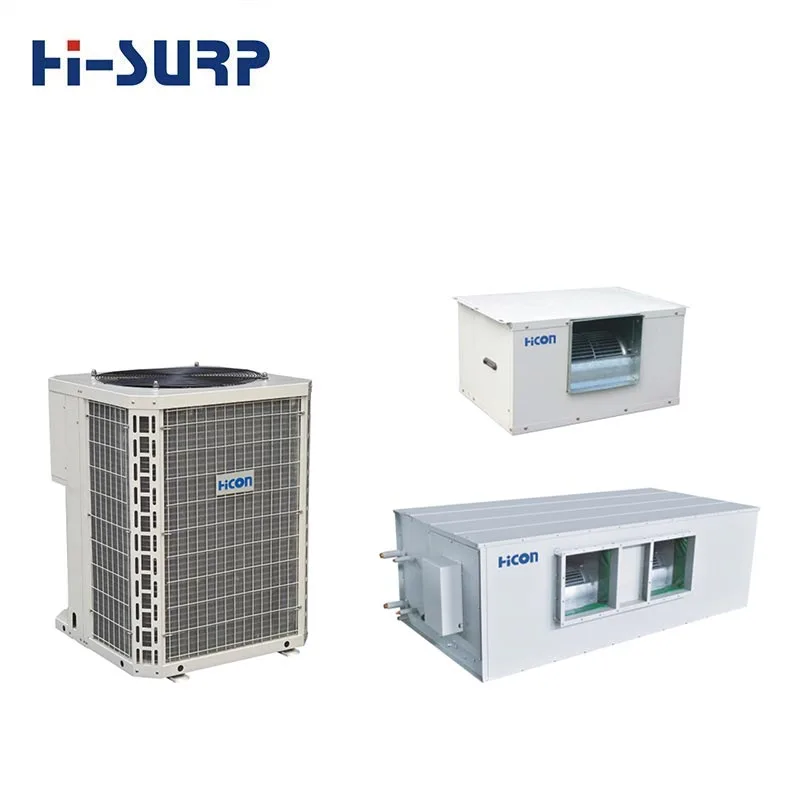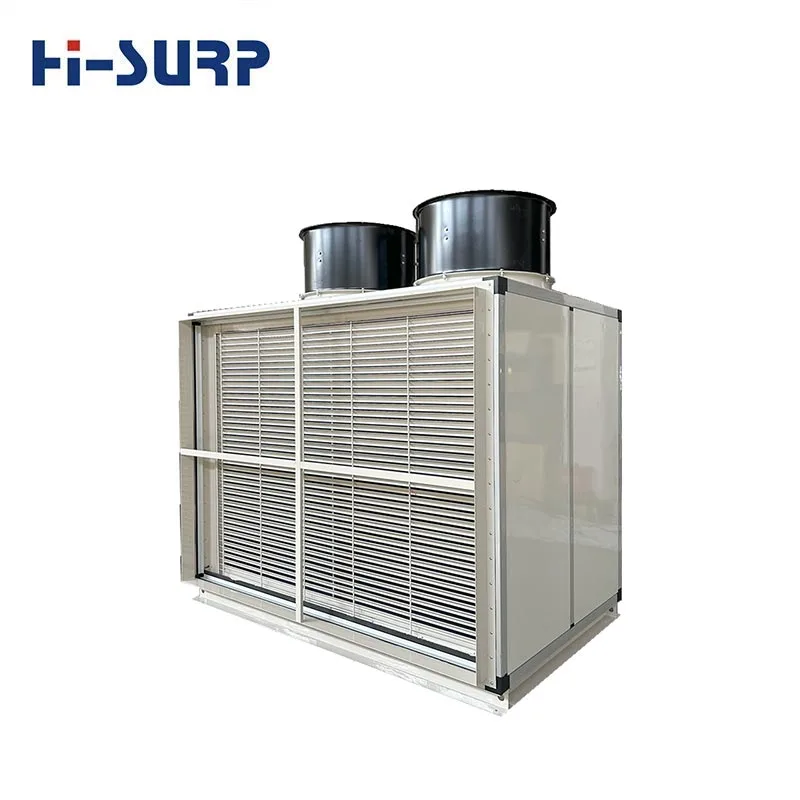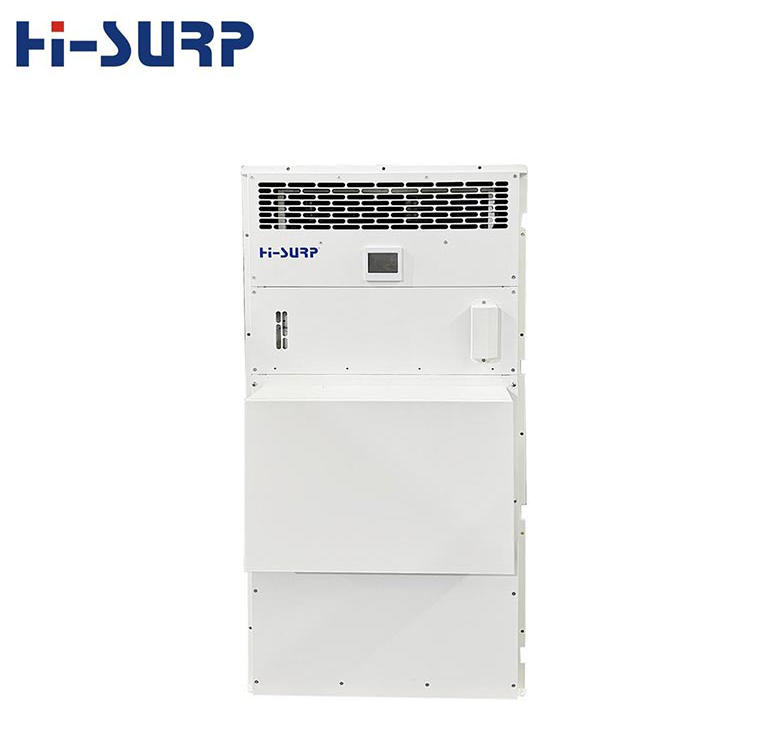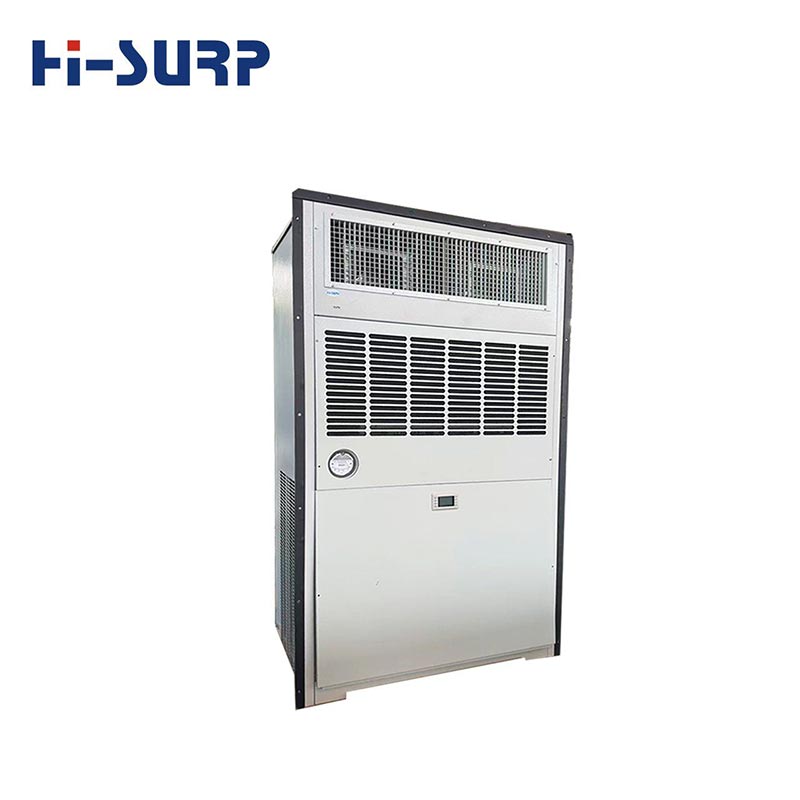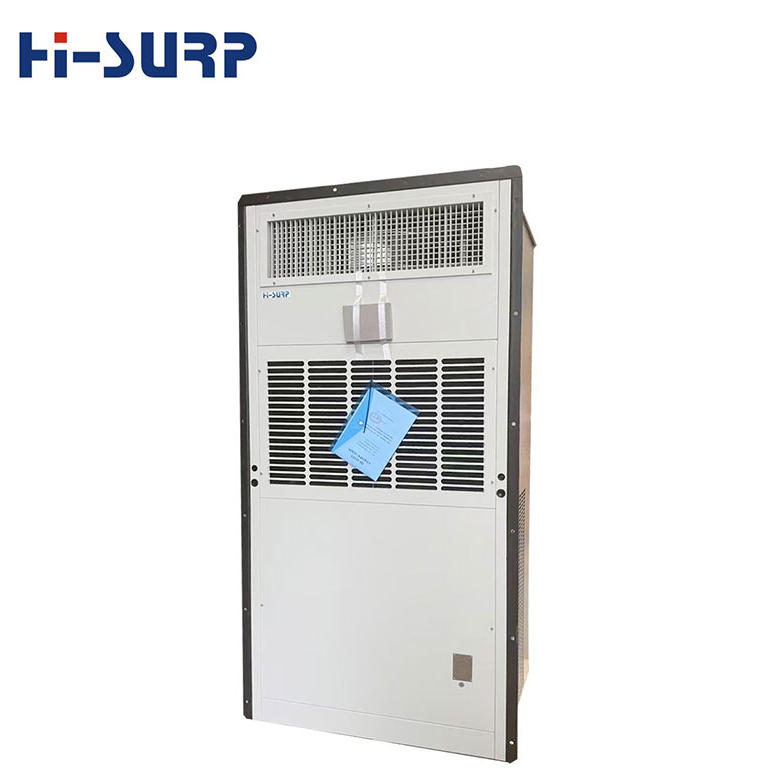
E-House Air Conditioner
A brief introduction of HISURP CAC series E-house Air Conditioners
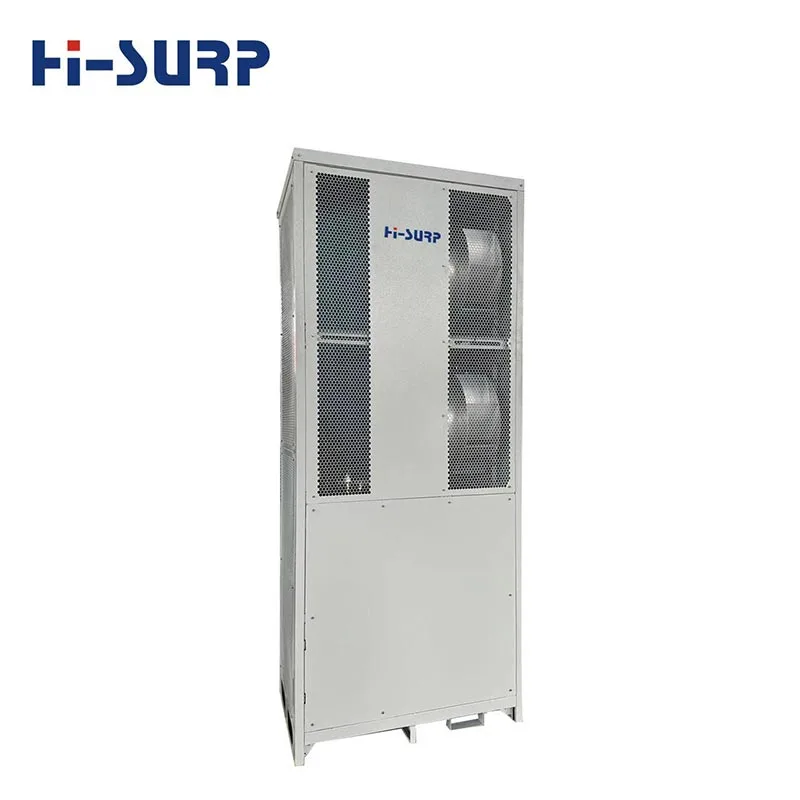
Energy Storage Air Conditioner
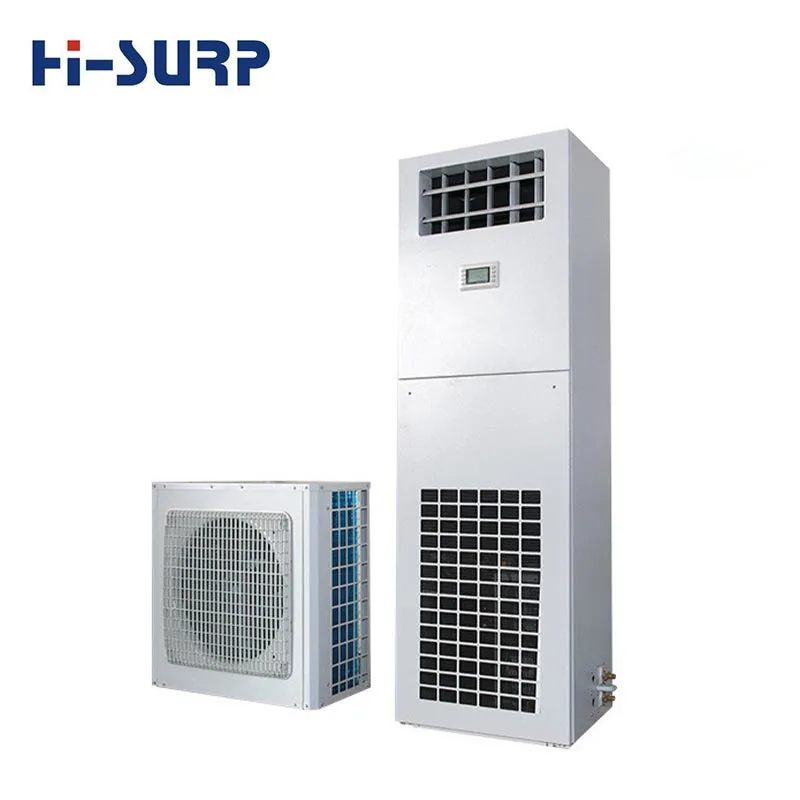
Telecom Air Conditioner

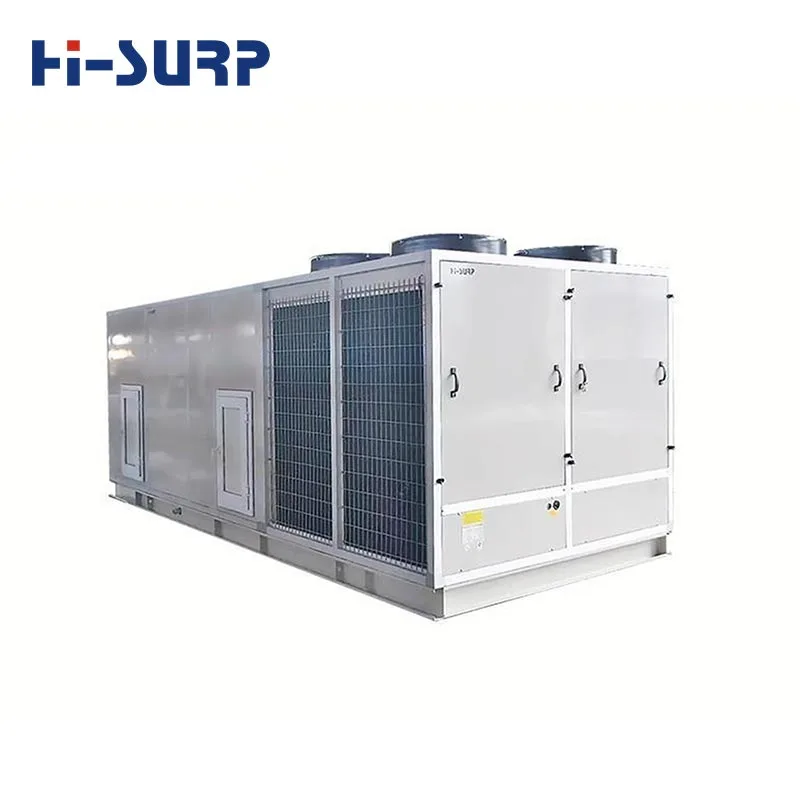
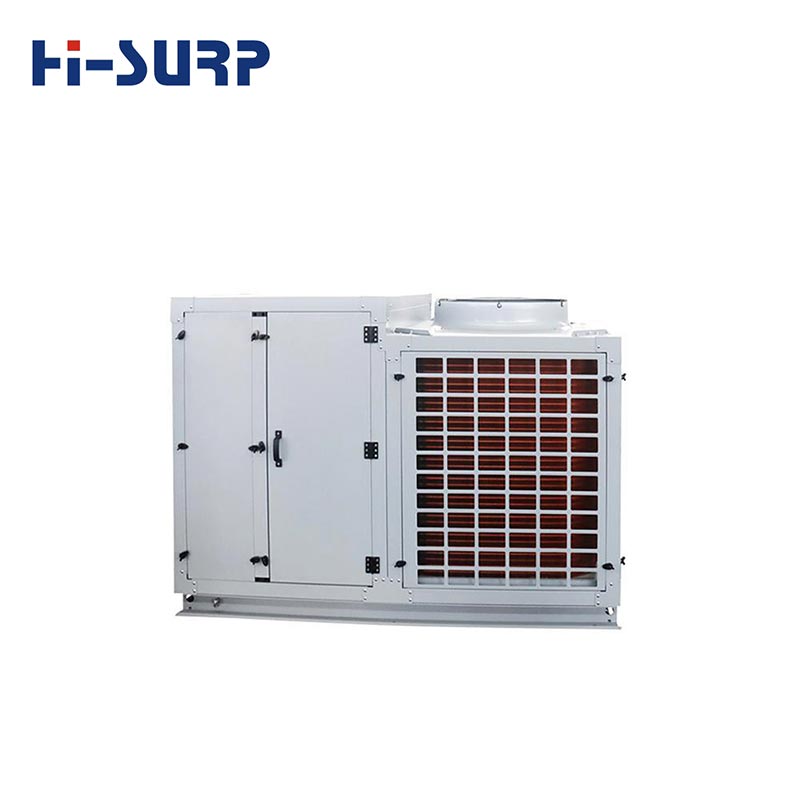
Rooftop Air Conditioner
As seasoned Rooftop Air Conditioner manufacturers, Hisurp is a reputable Chinese factory offering CE-certified products.
Adopting integrated design, the unit combines cooling, heating, ventilation and filtration. It runs steadily, installs effortlessly and cuts energy consumption by 20%-30%, backed by 15-year service life.
Customized solutions and complete after-sales support are accessible. We supply goods in bulk with competitive prices, perfectly fitting diverse building scenarios, serving as your preferred purchasing option.
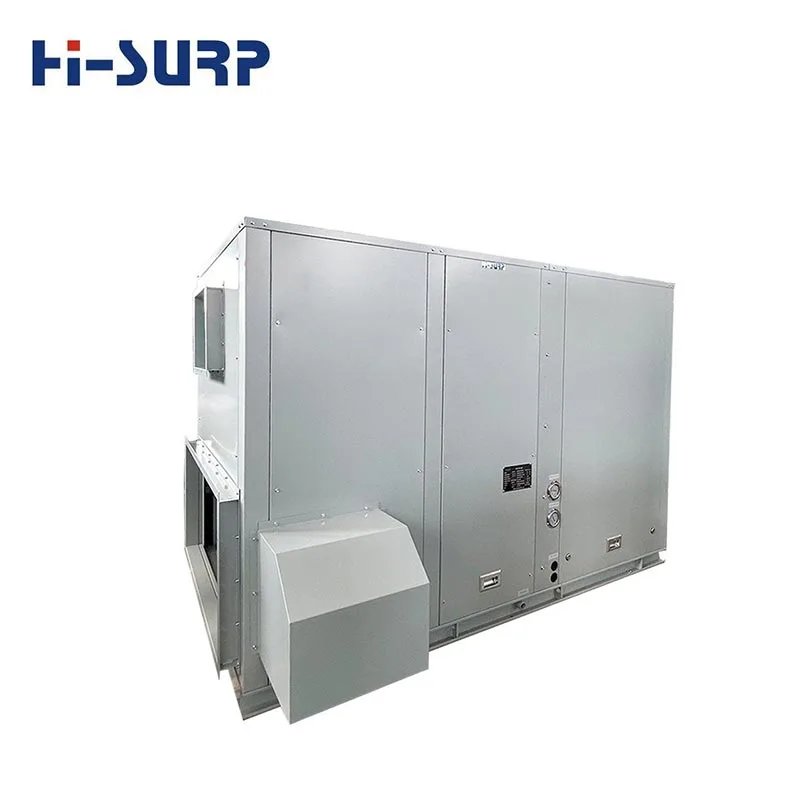
Rooftop Ac
Hisurp Rooftop AC adopts adaptive energy-saving control and DC frequency conversion motor. Ideal for workshops and computer rooms needing uninterrupted cooling, it utilizes free cooling to achieve up to 58% comprehensive energy saving. The unit operates steadily amid -40℃ to 48℃ wide temperature scope. Owning authoritative Certification of ISO9001, every unit undergoes full power-on test before shipment, guaranteeing durable stable performance and eco-friendly energy efficiency.
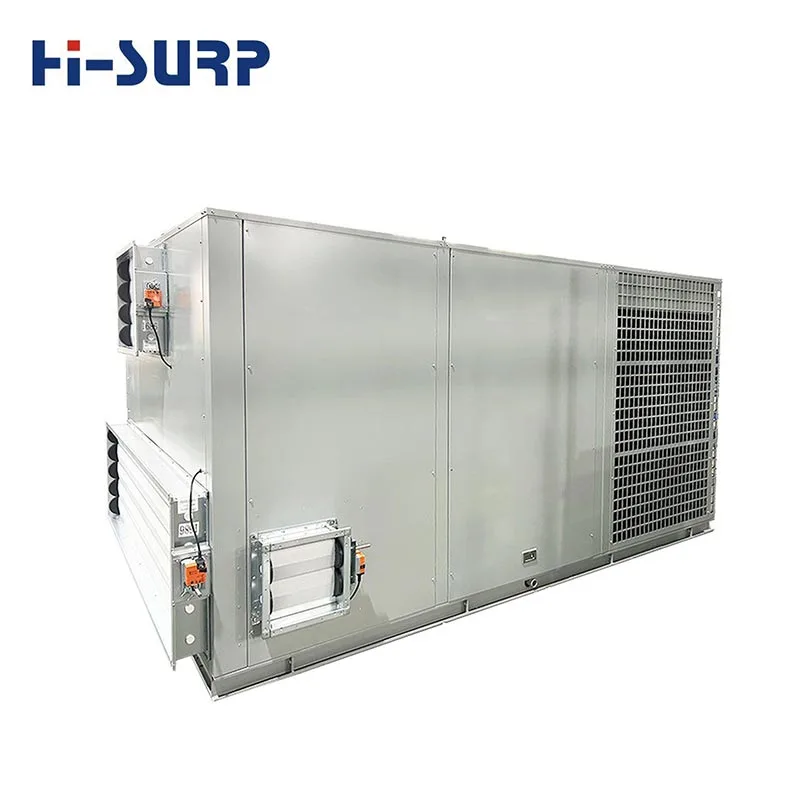
Packaged Air conditioner
Hisurp delivers dependable Packaged Air Conditioner with stable factory production and solid quality assurance. Customized packaged air conditioner supports adjustable cooling capacity, size and functions, fitting multiple application occasions. All products come with 12-month warranty, thoughtful after-sales support to cut purchase risks. Featuring energy efficiency, low noise and easy installation, strictly inspected units are premium cooling choices.
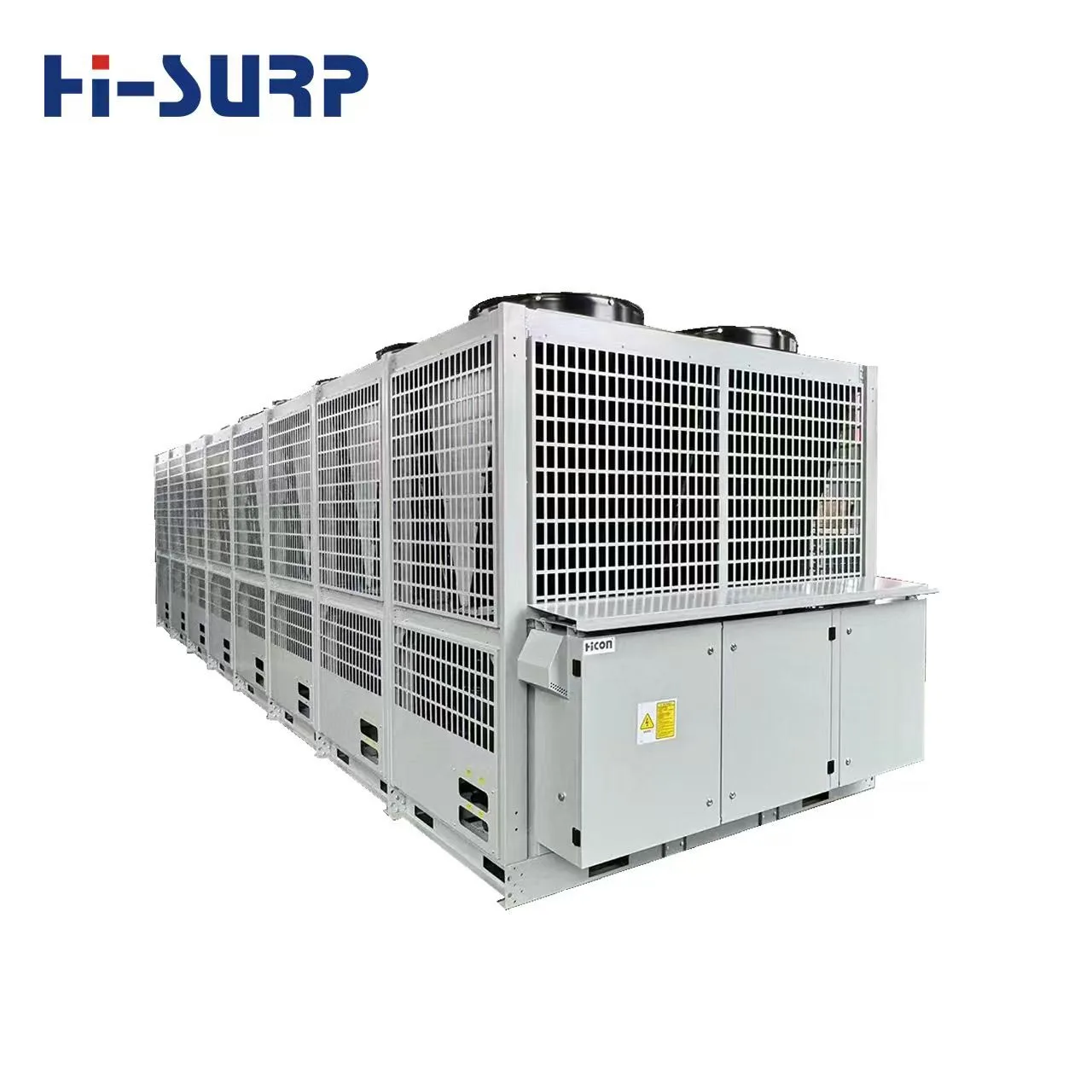
Packaged Unit
Hisurp supplies advanced Packaged unit as all-in-one HVAC equipment. It integrates core components into compact body, realizing fast installation and effortless maintenance. Sturdy quality verified by strict factory tests ensures steady operation, energy conservation and long service lifespan. Adaptable to harsh working conditions with strong anti-interference capability, it cuts daily power consumption and operating expenses. The integrated structure saves occupied space and shortens construction period, perfectly meeting heating and cooling demands of commercial, industrial and public venues.

Air Cooled Precision Air Conditioner

Water Cooled Precision Air Conditioner
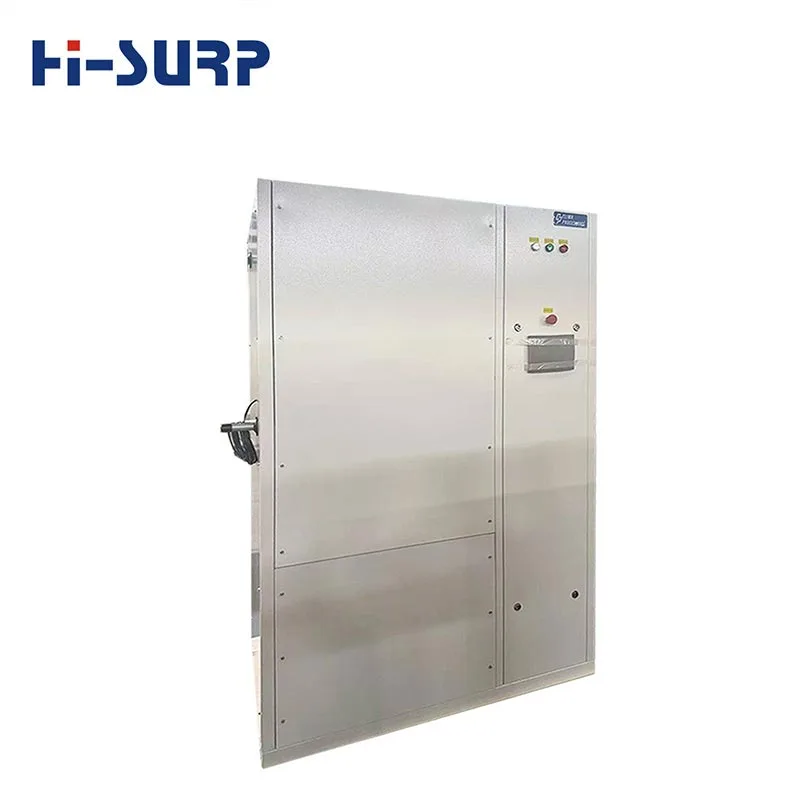
Dual Coil Precision Air Conditioner

Air Cooled Scroll Chiller

Air Cooled Screw Chiller
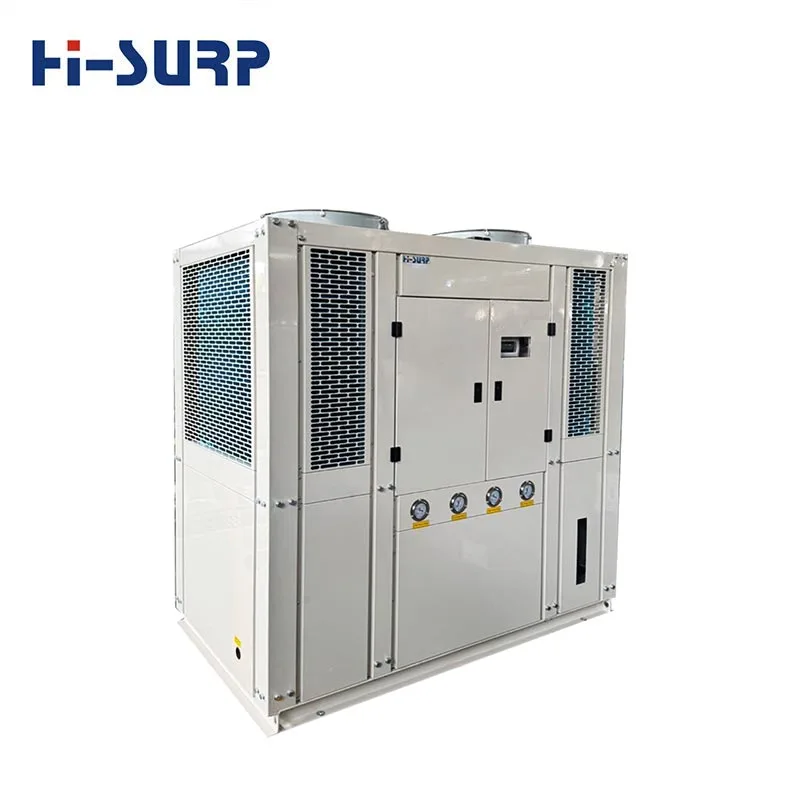
Water Cooled Scroll Chiller
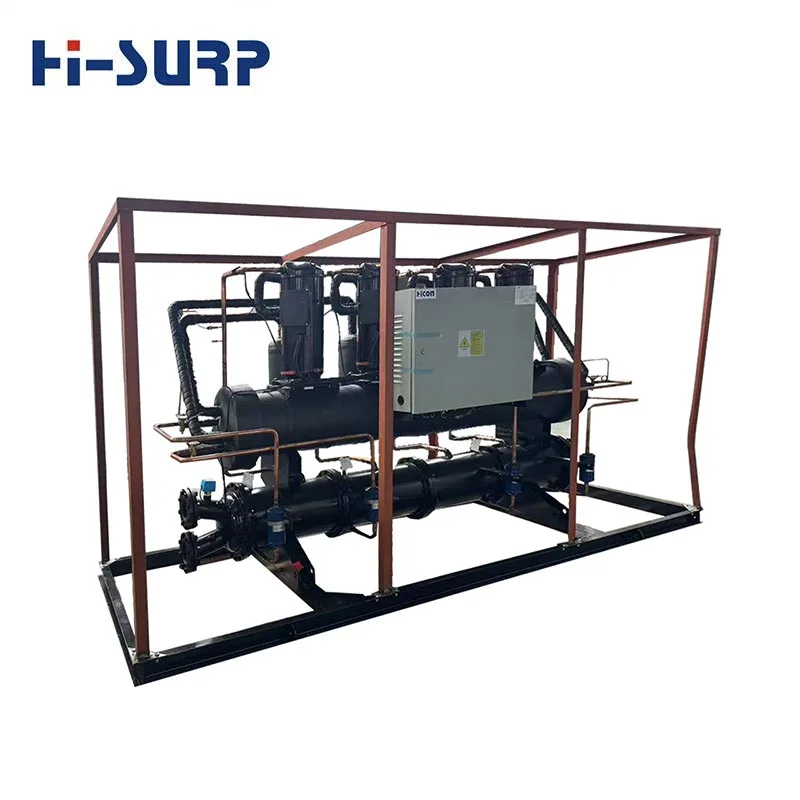
Water Cooled Screw Chiller

Corrosion-Resistant Air Conditioner
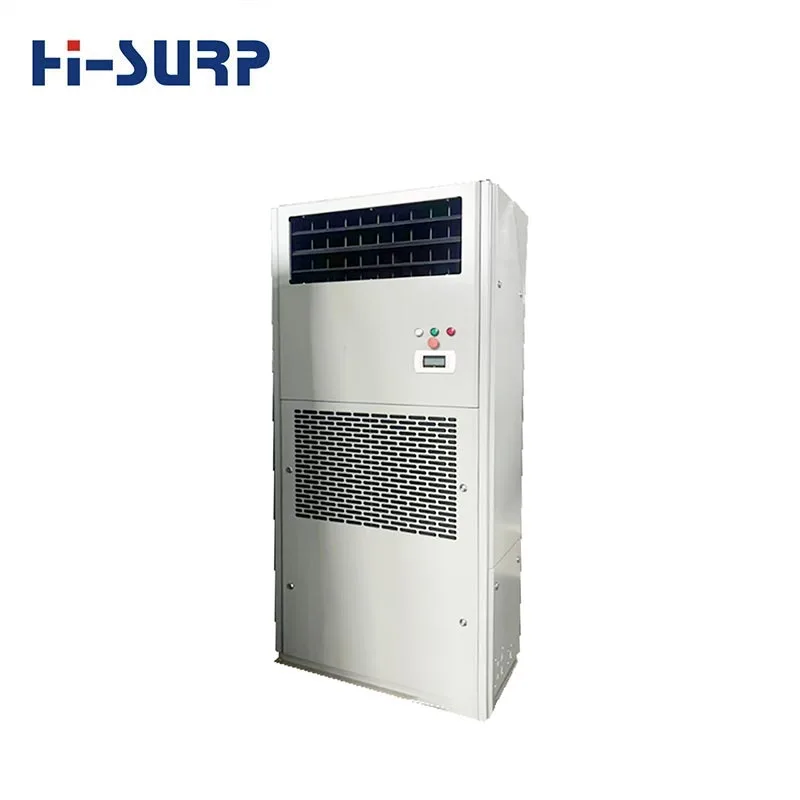
Hisurp Corrosion-Resistant Air Conditioner is a type of air conditioning system designed to be enhanced for corrosive environments (especially marine, chemical, salt spray, and high humidity environments).
Earthquake-Resistant Air Conditioner
Based on the design concept of "prevention first", Hisurp earthquake-resistant air conditioner uses a series of advanced measures that exceed conventional standards to minimize the risk of damage to the air conditioning system caused by earthquakes, and ensure environmental control and business continuity in critical locations.
Magnetic-Resistant Air Conditioner
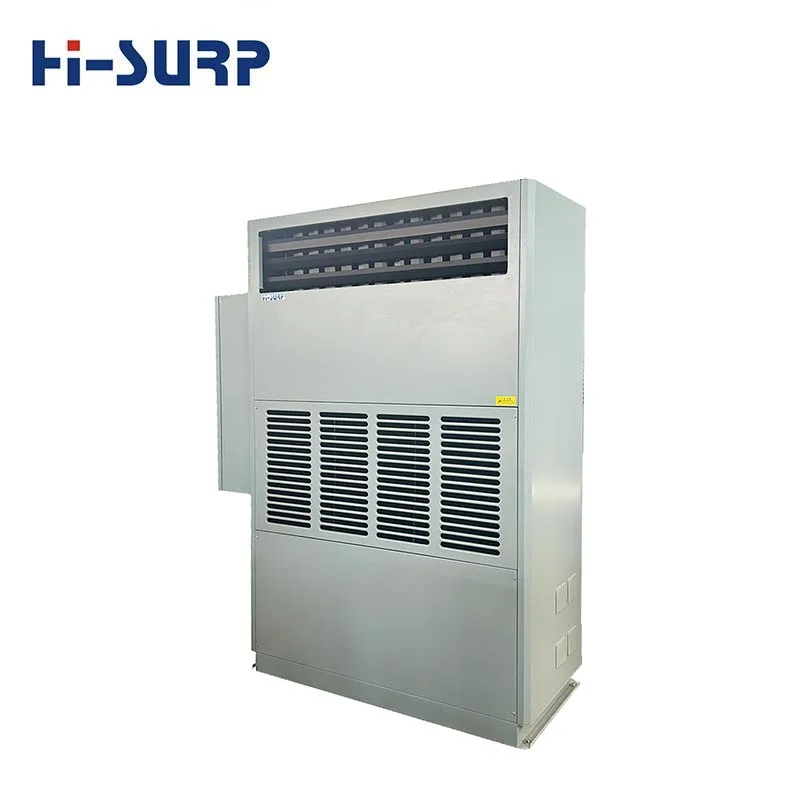
Hisurp Magnetic-Resistant Air Conditioner is an industrial air conditioner designed specifically for strong magnetic field environments. Through a multi-layer shielding system, it ensures stable and durable operation of the unit in a magnetic field environment of ≥2000GS.
Walk into the mechanical room of any large factory, and you will find them: hulking metal cabinets, humming with a low, steady vibration, often covered in a layer of fine dust that has settled over years of continuous operation. They are the Industrial Air Conditioner units that keep production lines running, electronics cool, and processes stable. In contrast, the office building next door likely has a rooftop full of sleek, quiet HVAC units, designed to keep workers comfortable without drawing attention to themselves. Both are called "air conditioners," but they have almost nothing in common beyond the basic refrigeration cycle.
The core difference is simple but often misunderstood: industrial air conditioners are production equipment; commercial comfort cooling systems are building amenities. An Industrial Air Conditioner is a tool, like a conveyor belt or a CNC machine, that is essential to the manufacturing process. If it fails, production stops. Commercial comfort cooling is a service, like lighting or plumbing, that enhances the work environment but does not directly enable production. This fundamental distinction drives every other difference—from the materials used, to the design philosophy, to the expected lifespan, to the total cost of ownership. This article will show you exactly what you are paying for when you choose an industrial air conditioner, and why a commercial unit will almost certainly fail you in an industrial setting.
Think of the cooling system in a car engine. It is not there to make the driver comfortable; it is there to prevent the engine from destroying itself. The radiator, the water pump, the cooling fans—they are essential components of the engine's operation. An Industrial Air Conditioner plays a similar role in a factory or a manufacturing plant. It is not a luxury; it is a necessity for the equipment and processes that generate the plant's revenue. When a factory installs an Industrial Air Conditioner, it is not buying comfort; it is buying reliability, uptime, and product quality.
Industrial air conditioners come in three primary "flavors," each with a distinct purpose. The first is the process cooler, which is designed to remove heat from a specific manufacturing process. Imagine a plastic injection molding machine that uses water to cool its molds. The water absorbs heat from the molten plastic and needs to be cooled down before it can be recycled back into the machine. An Industrial Air Conditioner serving as a process cooler handles this task, ensuring the water is at the correct temperature for consistent product quality. The second type is the environmental control unit, which maintains a stable temperature and humidity level in a production area. Many manufacturing processes require a specific environment to function correctly; electronics assembly, for example, demands low humidity to prevent static discharge and high temperatures to ensure component reliability.
The third type, and the one most often confused with commercial systems, is the equipment protection cooler. This is a unit designed to cool the control cabinets, electrical panels, and sensitive electronics that are the brains of modern manufacturing. These components generate heat that must be removed; otherwise, they will overheat, malfunction, and cause costly downtime. An Industrial Air Conditioner designed for equipment protection is compact, reliable, and designed to operate in dirty and harsh environments. At Ningbo Hicon Industry Co., Ltd., our Industrial Air Conditioner products are engineered to meet the specific needs of each of these three categories, with the durability and reliability that industrial applications demand.
To understand why a commercial air conditioner is not suitable for an industrial setting, we need to look at what happens when the two are mismatched. The following is not a hypothetical scenario; it is a composite of several real-world cases that our factory has encountered over the years. This is the story of what happens when a commercial AC unit is installed in a production environment.
Month 1-3: The Honeymoon Period. The commercial unit is installed, and it works. It cools the air, and the production staff appreciates the relief from the heat. However, the unit's condenser coil—the part that rejects heat to the outside air—is already beginning to clog. Commercial units have fins that are tightly spaced to maximize heat transfer in clean environments. In a factory, the air is full of dust, lint, or fine particles. These particles stick to the fins, restricting airflow and reducing the unit's capacity.
Month 4-6: The Decline. The unit's performance degrades. It runs longer to maintain the set temperature. The compressor, which is designed for intermittent operation in a clean office, is now running almost continuously. The increased runtime generates more heat and puts more stress on the compressor's internal components. The factory manager notices that the unit is not keeping up, but the decision is made to "just let it run" rather than shut down production for cleaning.
Month 7-9: The Breaking Point. The compressor fails. Commercial compressors are designed for a clean, temperate environment. In the factory, the compressor has been subjected to high ambient temperatures, vibration from nearby machinery, and voltage fluctuations from the plant's electrical system. The refrigerant oil breaks down, the motor windings overheat, and the compressor seizes. The unit is down, and production is either compromised or halted.
Month 10-12: The Replacement. The unit is replaced. But the replacement is another commercial unit, because it was cheaper. The cycle repeats.
Each of these failure modes—clogged coils, compressor failure, electrical faults—is a direct result of the commercial unit being used outside its intended application. The key difference is not in the basic refrigeration cycle, but in the engineering decisions that go into the unit's construction. The industrial unit has widely spaced fins that are easier to clean and less prone to clogging. It has a compressor designed for continuous operation and higher ambient temperatures. It has more robust electrical components that can tolerate voltage fluctuations. And it is built with easy access for maintenance in mind. The commercial unit is designed to be installed and forgotten, which is fine in an office but disastrous in a factory.
The price difference between an Industrial Air Conditioner and a commercial unit can be significant—often two to three times higher. But that price difference is not just a "markup"; it is a direct reflection of the higher-quality materials, better engineering, and more rigorous testing that go into an industrial-grade product. To understand where the extra money goes, we can break down the manufacturing cost of a typical Industrial Air Conditioner and compare it to a commercial unit.
The Cabinet (The Housing): A commercial unit typically uses a thin-gauge steel or aluminum housing that is designed to be lightweight and easy to install. It is often coated with a standard paint finish. An industrial unit uses a heavier gauge steel, often 50-100% thicker, and is coated with a baked-on powder coat or a marine-grade finish that resists corrosion from chemicals and humidity. The cabinet is also designed to withstand vibration and impact. This is why an industrial cabinet can last for decades, while a commercial cabinet can corrode and rust in a factory environment within a few years.
The Compressor: The compressor is the heart of the air conditioner. Commercial compressors are typically scroll or rotary compressors designed for a 15-year life under ideal conditions. They have a relatively narrow operating envelope. Industrial compressors are often reciprocating or heavy-duty scroll designs, with a wider operating envelope that can handle higher temperatures. They are also designed for continuous, heavy-duty operation. In our factory, we test industrial compressors to run 24/7 for extended periods at temperatures as high as 55°C, far exceeding the capability of commercial units.
The Condenser and Evaporator Coils: Commercial coils have tightly spaced fins to maximize heat transfer in clean environments. Industrial coils have wider fin spacing (often called "open fin" or "industrial fin" spacing) to prevent clogging from dust and debris. The coils are also typically made from thicker-gauge copper and have more robust fin materials, such as copper or aluminum with a protective coating. The wider fin spacing reduces the unit's efficiency slightly, but it dramatically improves its reliability and maintenance accessibility.
The Controls: Commercial units use sophisticated electronic controllers with multiple sensors and communication protocols. Industrial units often use simpler, more robust controls that are designed to be reliable in demanding environments. This is not because industrial users do not want sophisticated controls, but because a simple control system is more reliable and easier to repair. The control boards in an industrial unit are coated with a conformal coating to protect them from moisture and contamination. This is an example of design for reliability, not for features.
The Testing: Commercial units are tested to meet performance standards in laboratory conditions. Industrial units are tested to meet performance standards under extreme conditions. Our factory at Ningbo Hicon Industry Co., Ltd. subjects every Industrial Air Conditioner to a rigorous testing regimen that includes high-temperature operation, vibration testing, and electrical surge testing. This testing ensures that the unit will perform reliably when it is installed in a demanding environment.
The table below summarizes the key cost differences between industrial and commercial units.
| Component | Commercial Unit | Industrial Unit | Why Industrial Costs More |
| Cabinet | Thin steel, standard paint | Heavy gauge steel, corrosion-resistant coating | More material, special coating, robust construction |
| Compressor | Light-duty, narrow operating range | Heavy-duty, wide operating range | Higher-quality components, more robust design |
| Coils | Tight fin spacing, thinner material | Wide fin spacing, thicker material | More material, specialized design for dust resistance |
| Controls | Sophisticated, complex electronics | Robust, simple electronics with conformal coating | Industrial-grade components, protection against contamination |
| Testing | Standard performance testing | Extreme condition testing | More extensive testing, higher test standards |
Let's be honest: most spec sheets are boring and confusing. They are filled with acronyms, numbers, and technical jargon that can be overwhelming. But hidden in that dense text are the clues that tell you whether a unit is truly industrial or just a commercial unit dressed up for a factory. This section will decode the key specifications and explain what they actually mean for your application. Think of it as your personal guide to reading a spec sheet like a professional.
Ambient Operating Temperature Range: This is the most critical specification for an Industrial Air Conditioner. It tells you the minimum and maximum outside air temperature the unit can operate in. A commercial unit might have a range of 5°C to 43°C (which is fine for an office). An industrial unit might have a range of -40°C to +55°C. What this means: if your factory is in a cold climate and you need cooling during the winter (yes, this happens), a commercial unit may not be able to start. If your factory is in a hot climate, or the unit is installed near a heat source, it may not be able to reject heat effectively. Always check this number.
IP Rating (Ingress Protection): The IP rating tells you how well the unit is protected against dust andNingbo Hicon Industry Co., Ltd. moisture. The first digit is for solids (dust), and the second is for liquids (water). IP20 is the minimum for indoor use. IP54 means protected against dust (limited ingress) and splashing water. IP65 means dust-tight and protected against low-pressure water jets. For an Industrial Air Conditioner in a dusty environment, IP54 or higher is recommended. If you have a wash-down environment, IP65 is essential. If you see an IP20 rating on a unit being sold as "industrial," it is not industrial.
Refrigerant Type: This is often overlooked, but it matters. The refrigerant determines the unit's cooling capacity, energy efficiency, and environmental impact. Industrial units often use refrigerants with a lower Global Warming Potential (GWP) and are designed to be compatible with future refrigerant changes. If you are looking at a unit that uses a refrigerant that is being phased out, the cost of replacement and future service could be high.
Power Supply and Voltage Tolerance: Industrial facilities often have less stable power than commercial buildings. Voltage can fluctuate, and there can be power surges. An industrial unit will have a wider voltage tolerance. It will also have protection against phase loss and voltage imbalance, which are common in three-phase industrial power systems. Commercial units often have a very narrow tolerance, meaning they can be damaged by fluctuations that would not affect an industrial unit.
Noise Level: This is a tricky one. In a quiet office, 50 dB is a nuisance. In a factory with machinery running at 85 dB, 50 dB is a whisper. Industrial units are not designed to be quiet; they are designed to be robust. However, some manufacturers try to sell commercial units as "quiet" industrial units. If you need a quiet unit, look for a unit with a low dBA rating, but also consider that the industrial unit's robust construction will generally produce more noise.
The table below summarizes the key specifications to check when comparing industrial and commercial units.
| Specification | Commercial Unit | Industrial Unit | What to Look For |
| Ambient Temp Range | +5°C to +43°C | -40°C to +55°C | Ensure it covers your factory's worst-case conditions |
| IP Rating | IP20 or IP21 | IP54, IP65, or higher | Dust-tight is essential; water protection if wash-down exists |
| Refrigerant | Common, often phased out | Future-proof, low GWP | Check for future availability and environmental compliance |
| Voltage Tolerance | +/- 10% | +/- 15% to 20% | Critical for power quality in industrial settings |
| Noise Level | Lower (50-60 dBA) | Higher (60-75 dBA) | Consider factory ambient noise; not a priority |
Deciding between an Industrial Air Conditioner and a commercial unit is not always a straightforward "if this, then that" decision. It requires a careful assessment of your specific application, environment, and business priorities. This section provides a practical decision-making framework to help you make the right choice. It is not a list of checkboxes; it is a series of questions that will guide you to the correct conclusion.
Step 1: Assess the Operating Environment. The first question is about the environment where the unit will be installed. Consider the following factors: Is the area dusty, dirty, or contaminated with particles? Is the area subject to moisture, splashing, or wash-down? Are there corrosive chemicals or fumes present? Is the area subject to vibration from nearby machinery? If you answer "yes" to any of these questions, you are likely in an industrial environment that demands an Industrial Air Conditioner. Commercial units are not designed to handle these conditions, and they will fail prematurely.
Step 2: Determine the Duty Cycle. The second question is about how the unit will be used. Will it run 24 hours a day, 7 days a week? Will it be subjected to frequent start-stop cycles? Will it be operating at full capacity for extended periods? If the unit will be running continuously, an industrial unit is the better choice. Commercial units are designed for intermittent operation, where they run for a few hours and then cycle off. Continuous operation stresses the compressor, the fan motors, and the electrical components.
Step 3: Calculate the Cost of Downtime. The third question is about the consequences of failure. How much does it cost the business if the unit fails? This cost can be direct (lost production, spoilage of materials) or indirect (lost sales, damaged reputation). If the cost of a single failure is greater than the difference in price between an industrial and commercial unit, then the industrial unit is the obvious choice. This is a financial decision, not an engineering one.
Step 4: Consider the Total Cost of Ownership. The fourth question is about the long-term view. An industrial unit may cost more upfront, but it will last longer, require less maintenance, and consume less energy over its life. A commercial unit may be cheaper upfront, but it will have a shorter life, higher maintenance costs, and more frequent failures. The Total Cost of Ownership (TCO) is the only true measure of value.
To make this decision easier, use the following guide. If you answer "yes" to any of the following questions, choose an Industrial Air Conditioner. If you answer "no" to all questions, a commercial unit may be sufficient.
At Ningbo Hicon Industry Co., Ltd., we have helped countless customers navigate this decision. Our team is available to assess your specific application and recommend the best solution. We understand that every plant is different, and there is no "one-size-fits-all" answer. We provide detailed technical documentation and site-specific recommendations to ensure that you make the right choice for your business.
Question 1: Can a commercial air conditioner be used in an industrial environment if it is kept clean?
Answer: While regular cleaning will help, a commercial air conditioner is not designed for the demanding conditions of an industrial environment. Its components (compressor, fan motors, electrical controls) are not rated for the high temperatures, voltage fluctuations, or vibration that are common in factories. Even with meticulous cleaning, the unit's internal components will fail prematurely. An Industrial Air Conditioner is designed for these conditions and will provide reliable, long-term service.
Question 2: Is an industrial air conditioner more energy-efficient than a commercial unit?
Answer: Not necessarily. Industrial units are often designed for reliability rather than energy efficiency. They may have a lower Energy Efficiency Ratio (EER) than commercial units, especially at partial loads. However, an industrial unit's reliability means that it will continue to operate at its rated capacity for its entire life. Commercial units often lose efficiency as they age and become dirty, resulting in higher operating costs. The true measure of energy efficiency is the unit's lifetime energy consumption.
Question 3: How long does an Industrial Air Conditioner typically last?
Answer: A well-maintained Industrial Air Conditioner can last 15 to 25 years. Some of our units have been in continuous operation for over 20 years with only minor maintenance. The lifespan depends on the operating conditions and the quality of the unit. Commercial units typically last 5 to 10 years under ideal conditions, and significantly less in industrial environments.
Question 4: What is the typical payback period for the higher cost of an Industrial Air Conditioner?
Answer: The payback period depends on the cost of the unit, the cost of a commercial alternative, and the operating costs. However, in most industrial applications, the higher initial cost of an Industrial Air Conditioner is recouped within 2 to 4 years through lower maintenance costs, fewer failures, and reduced downtime. Over the unit's lifetime, the total cost of ownership is significantly lower than that of a commercial unit.
Question 5: Are there any specific certifications or standards for Industrial Air Conditioners?
Answer: Yes, there are several. Industrial Air Conditioners are often required to meet specific standards for safety, performance, and environmental compliance. Common certifications include UL (Underwriters Laboratories), CSA (Canadian Standards Association), CE (Conformité Européenne), and various explosion-proof certifications for hazardous locations. Our factory at Ningbo Hicon Industry Co., Ltd. manufactures Industrial Air Conditioner that meet the most stringent international standards, ensuring safety and reliability in demanding applications.
Choosing between an Industrial Air Conditioner and a commercial comfort cooling system is not about comparing specifications; it is about understanding the fundamental difference in their purpose. The industrial unit is a tool, a piece of production equipment, a necessary component of the manufacturing process. It is built to withstand the rigors of a demanding environment, to operate continuously without failure, and to last for decades. The commercial unit is an amenity, a comfort device, a building service. It is built for intermittent use, quiet operation, and energy efficiency in a clean, controlled environment. They are not interchangeable.
If your application involves dust, heat, vibration, continuous operation, or high consequences of failure, the Industrial Air Conditioner is the only sensible choice. The higher initial cost is an investment in reliability, productivity, and long-term value. At Ningbo Hicon Industry Co., Ltd., we have been manufacturing Industrial Air Conditioner for over a decade, and we have seen firsthand the difference that the right equipment can make. Our units are built to last, and our customers trust them to keep their operations running smoothly.
Contact Ningbo Hicon Industry Co., Ltd. today for a free consultation on your industrial cooling needs. Our team of experts will help you select the right Industrial Air Conditioner for your application.